









22 of 119 Products shown
Ski Socks: Warm Feet, Fewer Pressure Points, and More Comfort in Your Ski Boots
The right ski socks keep your feet warm and dry, reduce friction, and ensure a comfortable fit in your ski boots. It's not so much about the thickness as it is about the fit, the material, and the padding. Especially with tight-fitting ski boots, thin performance socks are often the better choice. Thick socks, on the other hand, can increase pressure and even cause cold feet.
Whether you’re looking for merino wool ski socks, styles with targeted shin padding, or compression socks, at XSPO you’ll find a selection to suit a variety of needs. As a family-run winter sports specialist, we focus on select brands, proven quality, and personalized advice. After all, a good pair of ski socks must do one thing above all else: fit your foot and your ski boot.
What makes ski socks different from regular socks?
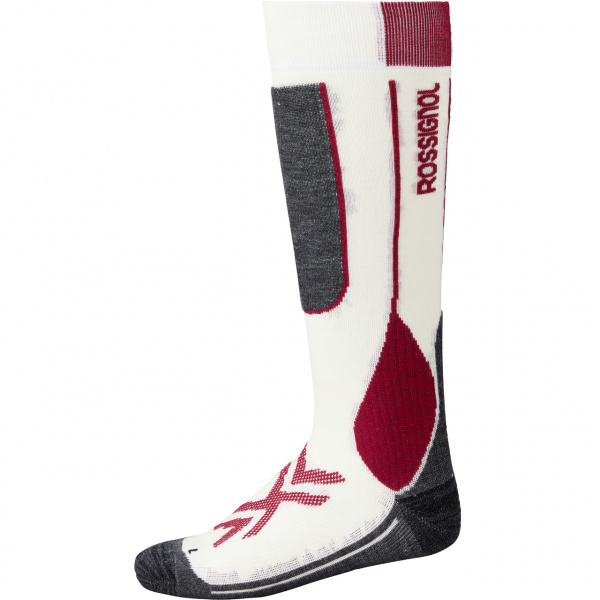
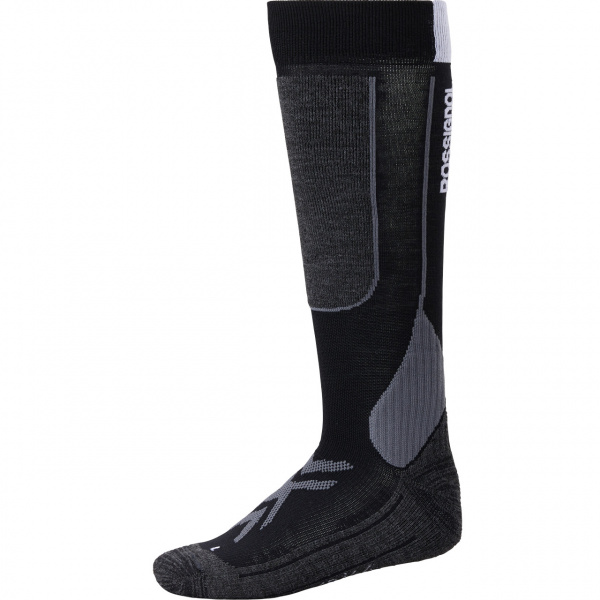
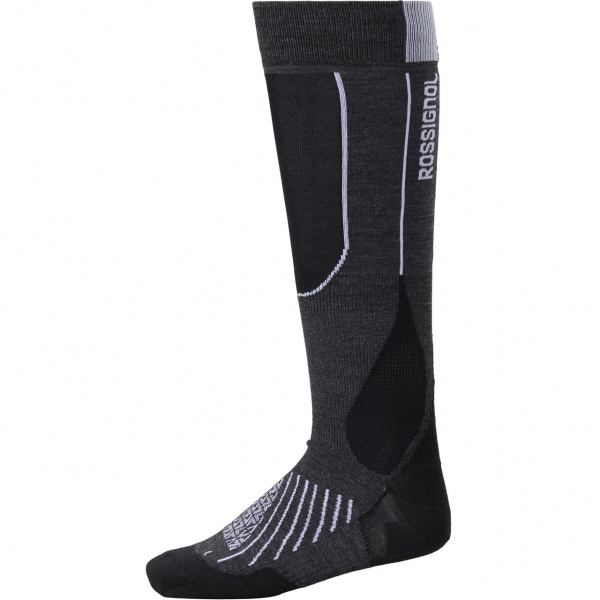
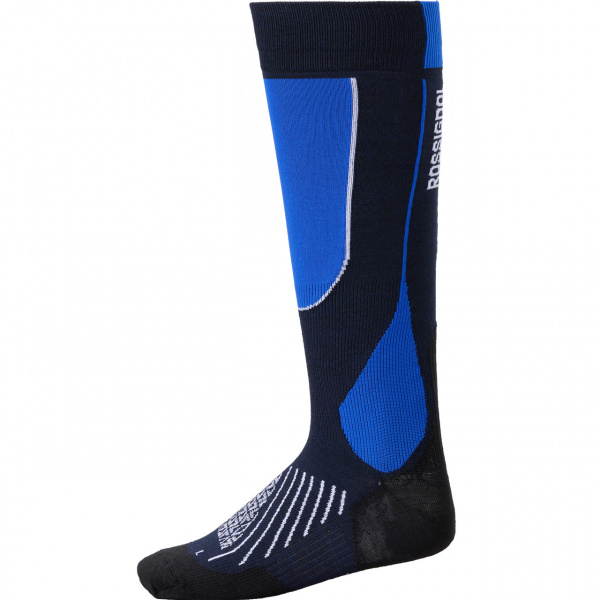
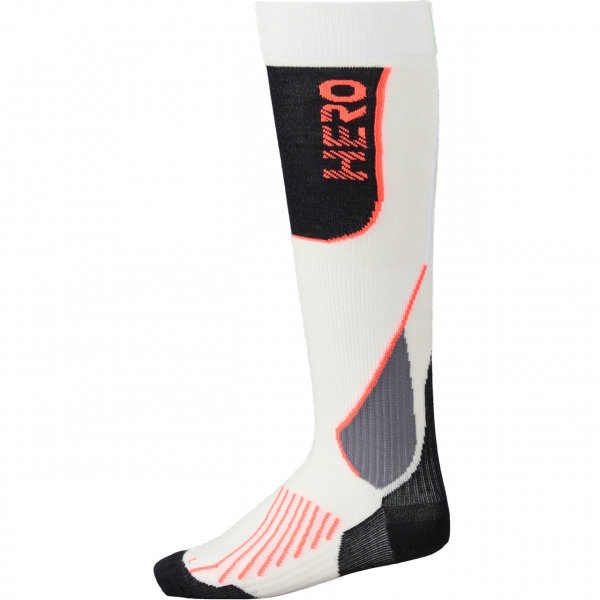
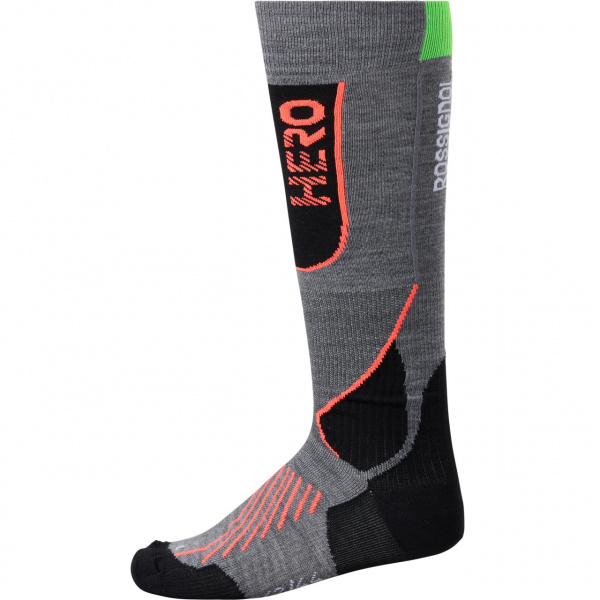
Ski socks are functional socks specifically designed to withstand the stresses of alpine ski boots. They extend over the top of the ski boot, fit as smoothly as possible, and—depending on the model—feature reinforcements on the shin, heel, or toes. Functional fibers promote moisture wicking and help maintain a comfortable foot environment.
Unlike with ordinary everyday socks, it's not just about warmth. The ski boot must securely enclose the foot so that movements are precisely transferred to the ski. Too much material between the foot and the liner can get in the way.
Three factors are particularly important when choosing socks: The socks must not be too tight, they must reliably wick away moisture, and their padding must fit the available space in the ski boot.
Why are thin ski socks often warmer than thick ones?
Cold feet while skiing aren't caused solely by low temperatures. Often, ski boots that are too tight, moisture, and restricted blood flow play a significant role.
While thick ski socks generally provide more insulating material, they also take up more space. In a ski boot that already fits snugly, this can increase pressure on the foot. The result: Even with thick socks, your toes get cold.
Thin ski socks can therefore be warmer if they provide enough room and promote better blood circulation. A well-insulated, properly fitted ski boot is essential.
In practice, this means that if you regularly get cold toes, you should first check the fit of your ski boots instead of automatically buying thicker socks.
Which ski socks are best suited for which activities?
Not every skier needs the same type of sock. The key factors are skiing style, sensitivity to heat, how well the ski boots fit, and personal sensitivity to pressure.
For relaxed days on the slopes, ski socks with light to medium padding are often a good choice. Reinforcements on the shin and heel can increase comfort, especially if you're out on the slopes for several hours.
Thin, form-fitting performance socks are ideal for competitive skiing. They take up little space in the ski boot and allow for more direct contact with the liner. This is especially important with precisely fitted ski boots.
For feet that are sensitive to the cold, ski socks made with merino wool can be a good choice. This natural fiber helps regulate temperature and can absorb moisture. However, it’s crucial that the ski boot isn’t too tight.
For sensitive shins, models with targeted shin padding offer additional protection against pressure and friction. While such padded areas can improve comfort, they are no substitute for a proper ski boot fit.
Merino wool, synthetic fibers, or compression: What makes for good ski socks?
The material affects thermal comfort, moisture management, durability, and fit. Many high-quality ski socks are therefore made from a combination of different fibers.
Are merino wool ski socks really better?
Merino wool has several properties that are particularly useful for skiing. Its fibers can absorb water vapor and trap moisture within the fiber. At the same time, wool is naturally odor-resistant.
However, that doesn't mean that merino ski socks are necessarily warmer or better than those made from synthetic fibers.
Synthetic materials such as polyester and polyamide can quickly wick moisture away from the skin when the fabric is constructed appropriately and often dry faster. They also increase the durability of areas subject to heavy wear.
For many skiers, fabric blends of merino wool, polyamide, and spandex offer a practical compromise. They combine temperature regulation with durability and a flexible fit.
Traditional cotton socks are less suitable. Cotton retains moisture and dries relatively slowly. Wet socks can make you feel colder and increase friction.
What are the benefits of padding on the shin, heel, and toes?
Padded zones consist of strategically reinforced areas in the sock fabric. They are designed to distribute pressure, reduce friction, and protect sensitive areas.
Shin: When skiing, leaning forward creates pressure between the lower leg and the tongue of the ski boot. A little padding can make this contact more comfortable.
Heel: Reinforcements can improve durability and reduce friction. The key is to ensure that the heel is securely held in place within the ski boot.
Toes: A little padding can provide extra comfort. However, if the ski boot is already tight in the toe box, adding more padding can be counterproductive.
Not every pair of ski socks needs pronounced padding zones. With very snug-fitting ski boots, less material is often the better solution.
What is the difference between performance socks and compression socks?
Traditional performance ski socks focus on moisture-wicking, warmth, cushioning, and a secure fit.
Compression socks also apply a specific amount of pressure to the foot and lower leg. With graduated compression, the pressure typically decreases from the ankle toward the knee. This helps promote venous return.
It is important to distinguish between an elastic, close-fitting sock and a sock that actually provides defined compression. Not every ski sock labeled as a "compression sock" provides the same level of compression.
It is not possible to generalize that this provides a demonstrable benefit for athletic performance in skiing. If you have existing vascular problems, you should consult a doctor to determine whether socks with a higher level of compression are appropriate for you.
What brands of ski socks are available at XSPO?
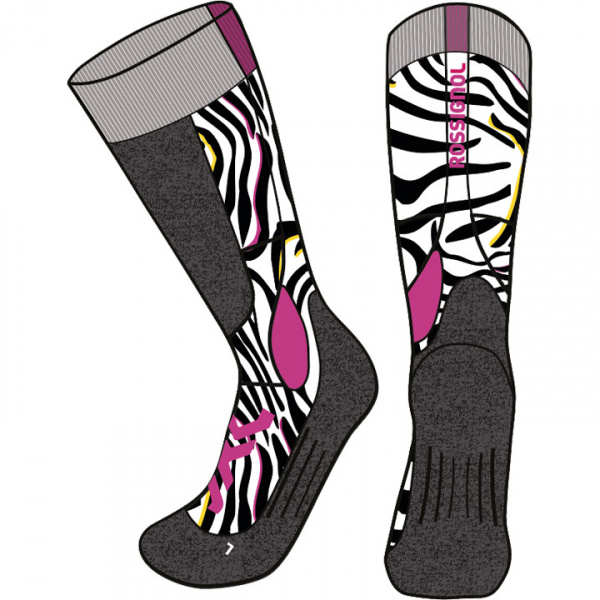
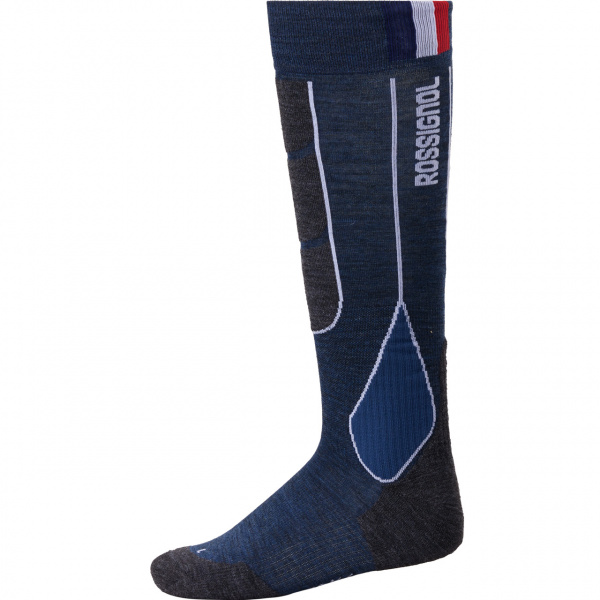
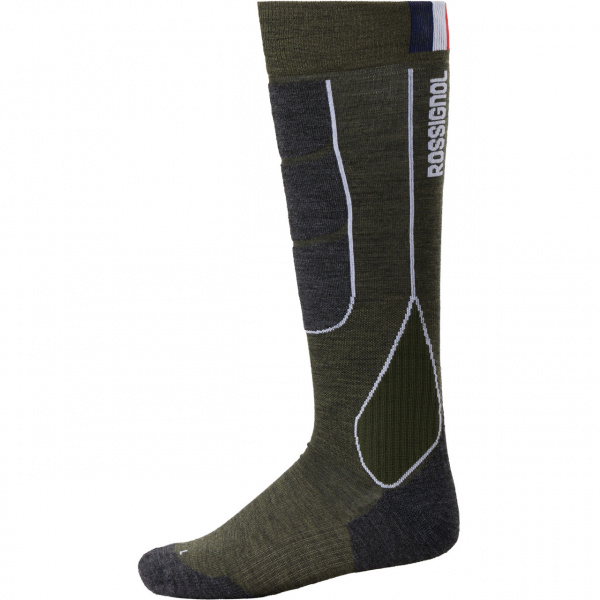
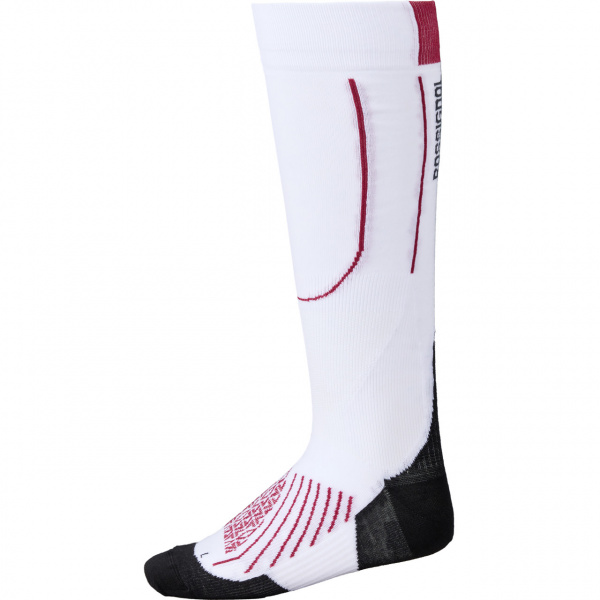
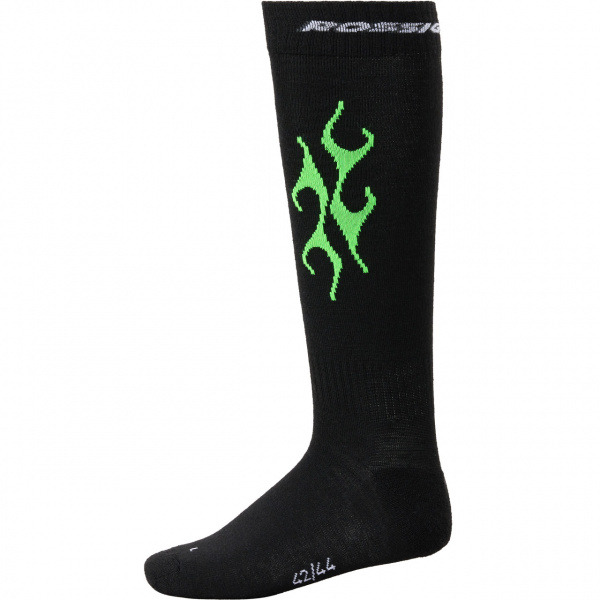
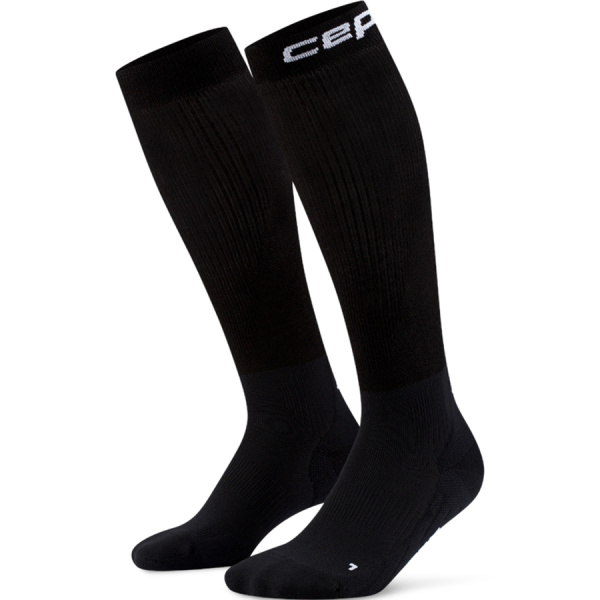
At XSPO, you'll find ski socks from well-established winter sports brands such as Rossignol, Fischer, Helly Hansen, and CEP. These manufacturers focus on different aspects when it comes to materials, padding, and fit.
Features vary by model. That's why it's worth comparing not only the brand but, above all, the material composition, sock thickness, and cushioning zones.
How do you find the right ski socks?
Start with the ski boot, not the thickness of the socks. A tight-fitting ski boot usually requires thin ski socks. If there’s a little more room, light padding can be helpful. However, a ski boot that’s fundamentally too big cannot be made to fit properly with thick socks.
Take your sensitivity to heat into account. If your feet get cold quickly, merino blends can be comfortable. If you sweat a lot, materials with good moisture-wicking properties are important. In either case, your ski boots shouldn't restrict blood flow.
Choose the right size. The sock should fit snugly without cutting into the skin. The heel and toe areas should sit in their intended positions. Wrinkles under the foot or around the toes are a sign that the sock doesn't fit properly.
Pay attention to the shaft length. Alpine ski socks should extend above the top edge of the ski boot. This ensures that the sock cuff is not in the pressure zone of the ski boot shaft.
Check the upholstery. People with sensitive shins may benefit from targeted reinforcement. If your ski boots are very tight-fitting, thinner models without heavy padding may be more comfortable.
Try out the combination of socks and ski boots. Even the best ski socks won't show their full potential unless they're worn with the right ski boots. Make sure there are no pressure points, that your toes have enough room, and that your foot is held securely in place.
Our tip from XSPO: If your feet regularly get cold or hurt while skiing, the cause isn’t necessarily your socks. It’s often worth checking the fit of your ski boots first. A high-quality ski sock can improve comfort, but it can’t make up for a poorly fitting ski boot.
As a family-run business with a passion for winter sports, we at XSPO place a high value on carefully selected equipment and personalized advice. Our selection includes ski socks for a variety of needs, from the comfort-oriented recreational skier to the competitive skier. This allows you to tailor the material, padding, and fit specifically to your ski boots.
Frequently Asked Questions About Ski Socks
Ski Socks: Warm Feet, Fewer Pressure Points, and More Comfort in Your Ski Boots
The right ski socks keep your feet warm and dry, reduce friction, and ensure a comfortable fit in your ski boots. It's not so much about the thickness as it is about the fit, the material, and the padding. Especially with tight-fitting ski boots, thin performance socks are often the better choice. Thick socks, on the other hand, can increase pressure and even cause cold feet.
Whether you’re looking for merino wool ski socks, styles with targeted shin padding, or compression socks, at XSPO you’ll find a selection to suit a variety of needs. As a family-run winter sports specialist, we focus on select brands, proven quality, and personalized advice. After all, a good pair of ski socks must do one thing above all else: fit your foot and your ski boot.
What makes ski socks different from regular socks?
Ski socks are functional socks specifically designed to withstand the stresses of alpine ski boots. They extend over the top of the ski boot, fit as smoothly as possible, and—depending on the model—feature reinforcements on the shin, heel, or toes. Functional fibers promote moisture wicking and help maintain a comfortable foot environment.
Unlike with ordinary everyday socks, it's not just about warmth. The ski boot must securely enclose the foot so that movements are precisely transferred to the ski. Too much material between the foot and the liner can get in the way.
Three factors are particularly important when choosing socks: The socks must not be too tight, they must reliably wick away moisture, and their padding must fit the available space in the ski boot.
Why are thin ski socks often warmer than thick ones?
Cold feet while skiing aren't caused solely by low temperatures. Often, ski boots that are too tight, moisture, and restricted blood flow play a significant role.
While thick ski socks generally provide more insulating material, they also take up more space. In a ski boot that already fits snugly, this can increase pressure on the foot. The result: Even with thick socks, your toes get cold.
Thin ski socks can therefore be warmer if they provide enough room and promote better blood circulation. A well-insulated, properly fitted ski boot is essential.
In practice, this means that if you regularly get cold toes, you should first check the fit of your ski boots instead of automatically buying thicker socks.
Which ski socks are best suited for which activities?
Not every skier needs the same type of sock. The key factors are skiing style, sensitivity to heat, how well the ski boots fit, and personal sensitivity to pressure.
For relaxed days on the slopes, ski socks with light to medium padding are often a good choice. Reinforcements on the shin and heel can increase comfort, especially if you're out on the slopes for several hours.
Thin, form-fitting performance socks are ideal for competitive skiing. They take up little space in the ski boot and allow for more direct contact with the liner. This is especially important with precisely fitted ski boots.
For feet that are sensitive to the cold, ski socks made with merino wool can be a good choice. This natural fiber helps regulate temperature and can absorb moisture. However, it’s crucial that the ski boot isn’t too tight.
For sensitive shins, models with targeted shin padding offer additional protection against pressure and friction. While such padded areas can improve comfort, they are no substitute for a proper ski boot fit.
Merino wool, synthetic fibers, or compression: What makes for good ski socks?
The material affects thermal comfort, moisture management, durability, and fit. Many high-quality ski socks are therefore made from a combination of different fibers.
Are merino wool ski socks really better?
Merino wool has several properties that are particularly useful for skiing. Its fibers can absorb water vapor and trap moisture within the fiber. At the same time, wool is naturally odor-resistant.
However, that doesn't mean that merino ski socks are necessarily warmer or better than those made from synthetic fibers.
Synthetic materials such as polyester and polyamide can quickly wick moisture away from the skin when the fabric is constructed appropriately and often dry faster. They also increase the durability of areas subject to heavy wear.
For many skiers, fabric blends of merino wool, polyamide, and spandex offer a practical compromise. They combine temperature regulation with durability and a flexible fit.
Traditional cotton socks are less suitable. Cotton retains moisture and dries relatively slowly. Wet socks can make you feel colder and increase friction.
What are the benefits of padding on the shin, heel, and toes?
Padded zones consist of strategically reinforced areas in the sock fabric. They are designed to distribute pressure, reduce friction, and protect sensitive areas.
Shin: When skiing, leaning forward creates pressure between the lower leg and the tongue of the ski boot. A little padding can make this contact more comfortable.
Heel: Reinforcements can improve durability and reduce friction. The key is to ensure that the heel is securely held in place within the ski boot.
Toes: A little padding can provide extra comfort. However, if the ski boot is already tight in the toe box, adding more padding can be counterproductive.
Not every pair of ski socks needs pronounced padding zones. With very snug-fitting ski boots, less material is often the better solution.
What is the difference between performance socks and compression socks?
Traditional performance ski socks focus on moisture-wicking, warmth, cushioning, and a secure fit.
Compression socks also apply a specific amount of pressure to the foot and lower leg. With graduated compression, the pressure typically decreases from the ankle toward the knee. This helps promote venous return.
It is important to distinguish between an elastic, close-fitting sock and a sock that actually provides defined compression. Not every ski sock labeled as a "compression sock" provides the same level of compression.
It is not possible to generalize that this provides a demonstrable benefit for athletic performance in skiing. If you have existing vascular problems, you should consult a doctor to determine whether socks with a higher level of compression are appropriate for you.
What brands of ski socks are available at XSPO?
At XSPO, you'll find ski socks from well-established winter sports brands such as Rossignol, Fischer, Helly Hansen, and CEP. These manufacturers focus on different aspects when it comes to materials, padding, and fit.
Features vary by model. That's why it's worth comparing not only the brand but, above all, the material composition, sock thickness, and cushioning zones.
How do you find the right ski socks?
Start with the ski boot, not the thickness of the socks. A tight-fitting ski boot usually requires thin ski socks. If there’s a little more room, light padding can be helpful. However, a ski boot that’s fundamentally too big cannot be made to fit properly with thick socks.
Take your sensitivity to heat into account. If your feet get cold quickly, merino blends can be comfortable. If you sweat a lot, materials with good moisture-wicking properties are important. In either case, your ski boots shouldn't restrict blood flow.
Choose the right size. The sock should fit snugly without cutting into the skin. The heel and toe areas should sit in their intended positions. Wrinkles under the foot or around the toes are a sign that the sock doesn't fit properly.
Pay attention to the shaft length. Alpine ski socks should extend above the top edge of the ski boot. This ensures that the sock cuff is not in the pressure zone of the ski boot shaft.
Check the upholstery. People with sensitive shins may benefit from targeted reinforcement. If your ski boots are very tight-fitting, thinner models without heavy padding may be more comfortable.
Try out the combination of socks and ski boots. Even the best ski socks won't show their full potential unless they're worn with the right ski boots. Make sure there are no pressure points, that your toes have enough room, and that your foot is held securely in place.
Our tip from XSPO: If your feet regularly get cold or hurt while skiing, the cause isn’t necessarily your socks. It’s often worth checking the fit of your ski boots first. A high-quality ski sock can improve comfort, but it can’t make up for a poorly fitting ski boot.
As a family-run business with a passion for winter sports, we at XSPO place a high value on carefully selected equipment and personalized advice. Our selection includes ski socks for a variety of needs, from the comfort-oriented recreational skier to the competitive skier. This allows you to tailor the material, padding, and fit specifically to your ski boots.