

'%3e%3cpath%20id='Vector'%20d='M4.83105%200.720662C4.60547%200.17574%204.01074%20-0.114299%203.44238%200.0409743L0.864258%200.744099C0.354492%200.884724%200%201.34761%200%201.87496C0%209.123%205.87695%2015%2013.125%2015C13.6523%2015%2014.1152%2014.6455%2014.2559%2014.1357L14.959%2011.5576C15.1143%2010.9892%2014.8242%2010.3945%2014.2793%2010.1689L11.4668%208.99703C10.9893%208.79781%2010.4355%208.93551%2010.1104%209.33687L8.92676%2010.7812C6.86426%209.80562%205.19434%208.1357%204.21875%206.0732L5.66309%204.89254C6.06445%204.56441%206.20215%204.01363%206.00293%203.53609L4.83105%200.723592V0.720662Z'%20fill='white'/%3e%3c/g%3e%3cdefs%3e%3cclipPath%20id='clip0_4_624'%3e%3crect%20width='15'%20height='15'%20fill='white'/%3e%3c/clipPath%3e%3c/defs%3e%3c/svg%3e)
'%3e%3cpath%20id='Vector'%20d='M17.74%2030.5L16%2029.5L20%2022.5H26C26.5304%2022.5%2027.0391%2022.2893%2027.4142%2021.9142C27.7893%2021.5391%2028%2021.0304%2028%2020.5V8.5C28%207.96957%2027.7893%207.46086%2027.4142%207.08579C27.0391%206.71071%2026.5304%206.5%2026%206.5H6C5.46957%206.5%204.96086%206.71071%204.58579%207.08579C4.21071%207.46086%204%207.96957%204%208.5V20.5C4%2021.0304%204.21071%2021.5391%204.58579%2021.9142C4.96086%2022.2893%205.46957%2022.5%206%2022.5H15V24.5H6C4.93913%2024.5%203.92172%2024.0786%203.17157%2023.3284C2.42143%2022.5783%202%2021.5609%202%2020.5V8.5C2%207.43913%202.42143%206.42172%203.17157%205.67157C3.92172%204.92143%204.93913%204.5%206%204.5H26C27.0609%204.5%2028.0783%204.92143%2028.8284%205.67157C29.5786%206.42172%2030%207.43913%2030%208.5V20.5C30%2021.5609%2029.5786%2022.5783%2028.8284%2023.3284C28.0783%2024.0786%2027.0609%2024.5%2026%2024.5H21.16L17.74%2030.5Z'%20fill='white'/%3e%3cpath%20id='Vector_2'%20d='M24%2010.5H8V12.5H24V10.5Z'%20fill='white'/%3e%3cpath%20id='Vector_3'%20d='M18%2016.5H8V18.5H18V16.5Z'%20fill='white'/%3e%3c/g%3e%3cdefs%3e%3cclipPath%20id='clip0_4_634'%3e%3crect%20width='32'%20height='32'%20fill='white'%20transform='translate(0%200.5)'/%3e%3c/clipPath%3e%3c/defs%3e%3c/svg%3e)










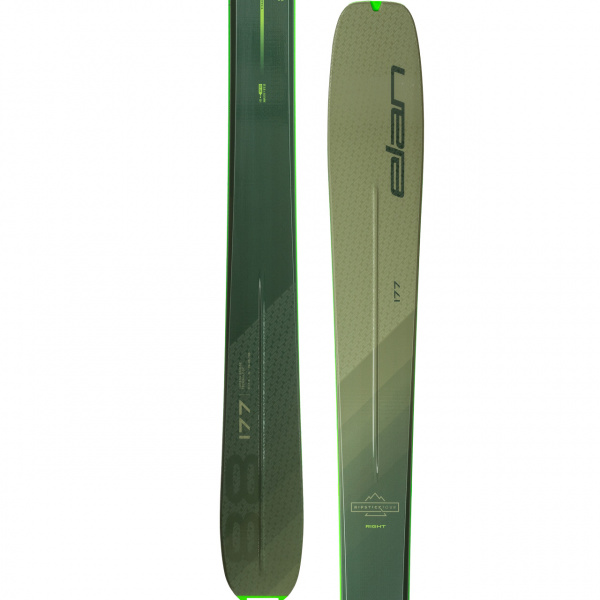
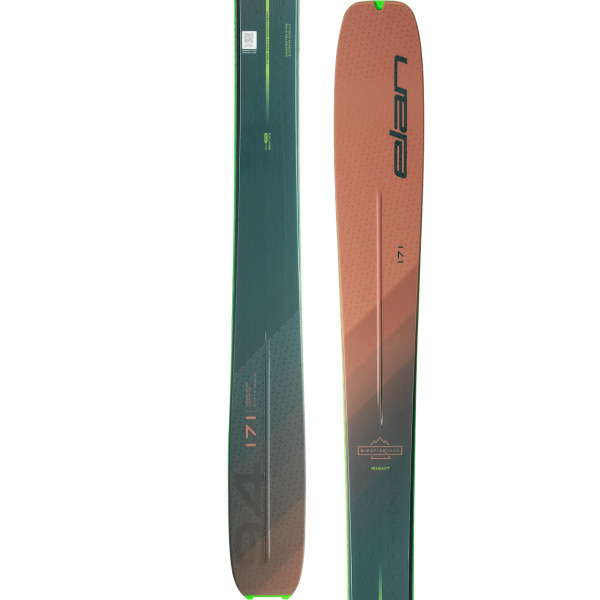


24 of 64 Products shown
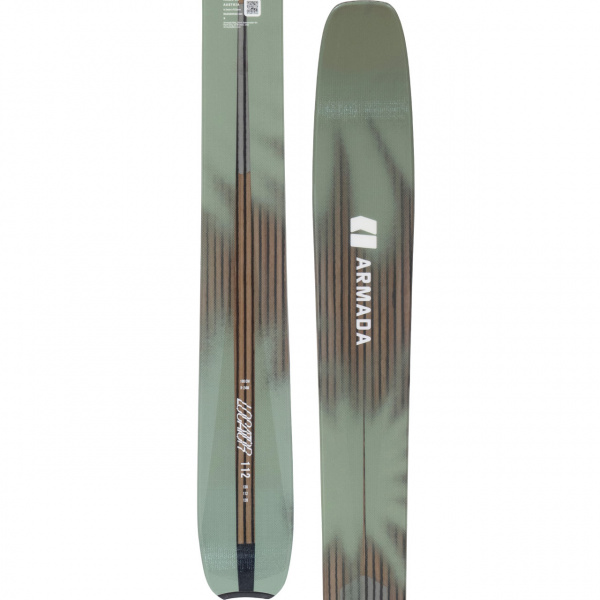
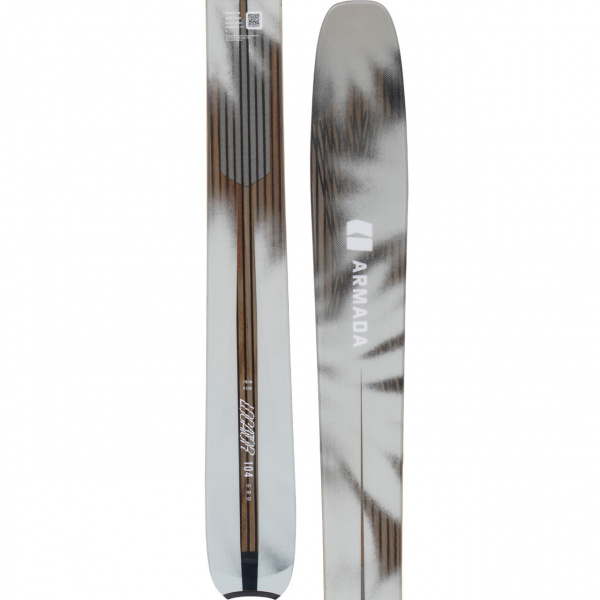
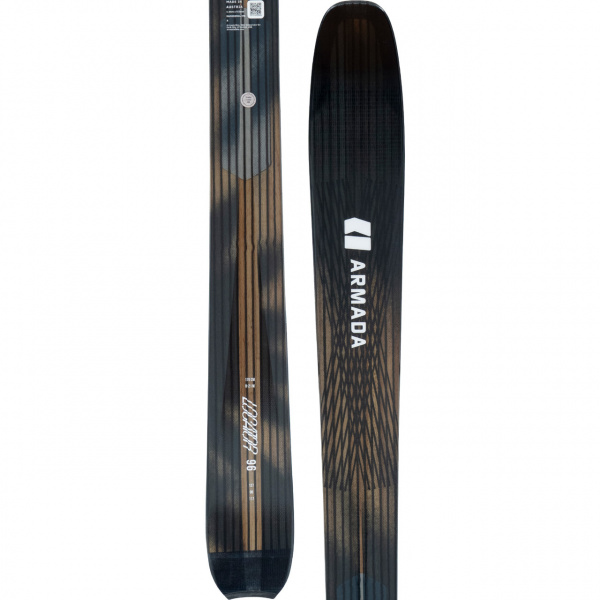
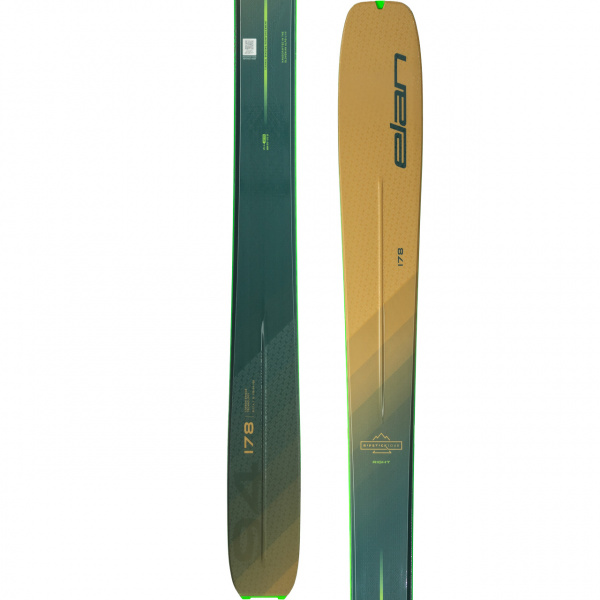
Freeride touring skis - maximum freedom for off-piste powder adventures
Conquer untracked slopes and steep couloirs off-piste with the Freeride touring skis from XSPO. The wider design and modern core construction ensure exceptional flotation in deep snow, while the low weight ensures that the ascent is not a torture. This allows you to experience unlimited powder fun while maintaining full control, no matter how challenging the terrain.
Purpose, areas of application and requirements
Freeride touring skis are designed for ski tourers who love deep snow and search for their own lines. They are perfect for:
- Backcountry adventures in untouched powder snow
- Steep couloirs and narrow gullies where maneuverability counts
- Long powder fields where buoyancy is crucial
- Tourers who value a good compromise between ascent suitability and downhill performance
Freeride touring skis offer sufficient torsional rigidity to guarantee safety even at high speeds on hard surfaces.
Important properties, technical features and differences
| Center width | 95-120 mm | 70-90 mm | 65-80 mm |
| Weight per ski | 1 300-1 600 g | 1 200-1 500 g | 900-1 300 g |
| Profile | Rocker front, medium camber | Rocker front, strong camber | strong camber |
| Core material | Wood-carbon mix or wood-cork | Wood-carbon mix | Full carbon or carbon wood |
| Field of application | Deep snow, backcountry, steep slopes | varied terrain, changing conditions | Race, steep climbs |
| Advantage | maximum buoyancy, stable descent | Best mix of ascent and descent | Minimum weight, maximum climbing efficiency |
| Disadvantage | Higher weight during ascent | No special solution | Limited comfort on departure |
The way to the perfect Freeride touring ski
- Clarify the usage profile: Think about how much deep snow and steep gullies you want to ski.
- Choose the width: For the best flotation in powder, 100 mm or more, for faster edging in rough terrain 95 mm.
- Set a weight budget: Lighter models make the ascent easier, a little more weight offers more stability on the descent.
- Check profile and flex: A pronounced rocker at the front helps in deep snow, stable camber sections under the binding ensure edge grip.
- Check binding compatibility: Hybrid bindings allow walking comfort on the ascent and a firm grip on the descent.
These steps will help you find a Freeride touring ski that optimally supports your powder adventures.
XSPO supports you with personal advice because we are passionate about deep snow skiing ourselves and personally test every model. Our range only includes tested Freeride touring skis for maximum powder performance.
Frequently asked questions about Freeride touring skis
- What are Freeride touring skis?
Freeride touring skis are wide skis with a special construction for maximum lift in deep snow and at the same time sufficient lightness for the ascent. - Which center width is suitable for Freeride touring skis?
Ideal are 95 to 120 mm to float optimally in powder and still ski safely in rough terrain. - How much do Freeride touring skis weigh?
Weights are usually between 1,300 and 1,600 g per ski, depending on the core material and construction. - Which profile is important for Freeride touring skis?
A rocker at the front makes it easier to float up in powder, while camber sections under the binding ensure reliable edge grip. - What materials are used in the core?
Wood-carbon mix or wood-cork combinations offer cushioning, buoyancy and torsional rigidity. - Are Freeride touring skis suitable for every ascent?
Yes, modern Freeride touring skis are designed in such a way that they do not make the ascent unnecessarily difficult, but they are somewhat heavier than race models. - Which bindings are suitable for Freeride touring skis?
Hybrid bindings with good walking function and secure locking for downhill skiing are recommended. - How do I properly care for Freeride touring skis?
Regular waxing, edge sharpening and gentle drying after wet tours maintain performance and durability. - Which Markers offer good Freeride touring skis?
Dynafit, Salomon and Fischer are known for their robust and high-performance Freeride models.
Freeride touring skis - maximum freedom for off-piste powder adventures
Conquer untracked slopes and steep couloirs off-piste with the Freeride touring skis from XSPO. The wider design and modern core construction ensure exceptional flotation in deep snow, while the low weight ensures that the ascent is not a torture. This allows you to experience unlimited powder fun while maintaining full control, no matter how challenging the terrain.
Purpose, areas of application and requirements
Freeride touring skis are designed for ski tourers who love deep snow and search for their own lines. They are perfect for:
- Backcountry adventures in untouched powder snow
- Steep couloirs and narrow gullies where maneuverability counts
- Long powder fields where buoyancy is crucial
- Tourers who value a good compromise between ascent suitability and downhill performance
Freeride touring skis offer sufficient torsional rigidity to guarantee safety even at high speeds on hard surfaces.
Important properties, technical features and differences
| Center width | 95-120 mm | 70-90 mm | 65-80 mm |
| Weight per ski | 1 300-1 600 g | 1 200-1 500 g | 900-1 300 g |
| Profile | Rocker front, medium camber | Rocker front, strong camber | strong camber |
| Core material | Wood-carbon mix or wood-cork | Wood-carbon mix | Full carbon or carbon wood |
| Field of application | Deep snow, backcountry, steep slopes | varied terrain, changing conditions | Race, steep climbs |
| Advantage | maximum buoyancy, stable descent | Best mix of ascent and descent | Minimum weight, maximum climbing efficiency |
| Disadvantage | Higher weight during ascent | No special solution | Limited comfort on departure |
The way to the perfect Freeride touring ski
- Clarify the usage profile: Think about how much deep snow and steep gullies you want to ski.
- Choose the width: For the best flotation in powder, 100 mm or more, for faster edging in rough terrain 95 mm.
- Set a weight budget: Lighter models make the ascent easier, a little more weight offers more stability on the descent.
- Check profile and flex: A pronounced rocker at the front helps in deep snow, stable camber sections under the binding ensure edge grip.
- Check binding compatibility: Hybrid bindings allow walking comfort on the ascent and a firm grip on the descent.
These steps will help you find a Freeride touring ski that optimally supports your powder adventures.
XSPO supports you with personal advice because we are passionate about deep snow skiing ourselves and personally test every model. Our range only includes tested Freeride touring skis for maximum powder performance.
Frequently asked questions about Freeride touring skis
- What are Freeride touring skis?
Freeride touring skis are wide skis with a special construction for maximum lift in deep snow and at the same time sufficient lightness for the ascent. - Which center width is suitable for Freeride touring skis?
Ideal are 95 to 120 mm to float optimally in powder and still ski safely in rough terrain. - How much do Freeride touring skis weigh?
Weights are usually between 1,300 and 1,600 g per ski, depending on the core material and construction. - Which profile is important for Freeride touring skis?
A rocker at the front makes it easier to float up in powder, while camber sections under the binding ensure reliable edge grip. - What materials are used in the core?
Wood-carbon mix or wood-cork combinations offer cushioning, buoyancy and torsional rigidity. - Are Freeride touring skis suitable for every ascent?
Yes, modern Freeride touring skis are designed in such a way that they do not make the ascent unnecessarily difficult, but they are somewhat heavier than race models. - Which bindings are suitable for Freeride touring skis?
Hybrid bindings with good walking function and secure locking for downhill skiing are recommended. - How do I properly care for Freeride touring skis?
Regular waxing, edge sharpening and gentle drying after wet tours maintain performance and durability. - Which Markers offer good Freeride touring skis?
Dynafit, Salomon and Fischer are known for their robust and high-performance Freeride models.