

'%3e%3cpath%20id='Vector'%20d='M4.83105%200.720662C4.60547%200.17574%204.01074%20-0.114299%203.44238%200.0409743L0.864258%200.744099C0.354492%200.884724%200%201.34761%200%201.87496C0%209.123%205.87695%2015%2013.125%2015C13.6523%2015%2014.1152%2014.6455%2014.2559%2014.1357L14.959%2011.5576C15.1143%2010.9892%2014.8242%2010.3945%2014.2793%2010.1689L11.4668%208.99703C10.9893%208.79781%2010.4355%208.93551%2010.1104%209.33687L8.92676%2010.7812C6.86426%209.80562%205.19434%208.1357%204.21875%206.0732L5.66309%204.89254C6.06445%204.56441%206.20215%204.01363%206.00293%203.53609L4.83105%200.723592V0.720662Z'%20fill='white'/%3e%3c/g%3e%3cdefs%3e%3cclipPath%20id='clip0_4_624'%3e%3crect%20width='15'%20height='15'%20fill='white'/%3e%3c/clipPath%3e%3c/defs%3e%3c/svg%3e)
'%3e%3cpath%20id='Vector'%20d='M17.74%2030.5L16%2029.5L20%2022.5H26C26.5304%2022.5%2027.0391%2022.2893%2027.4142%2021.9142C27.7893%2021.5391%2028%2021.0304%2028%2020.5V8.5C28%207.96957%2027.7893%207.46086%2027.4142%207.08579C27.0391%206.71071%2026.5304%206.5%2026%206.5H6C5.46957%206.5%204.96086%206.71071%204.58579%207.08579C4.21071%207.46086%204%207.96957%204%208.5V20.5C4%2021.0304%204.21071%2021.5391%204.58579%2021.9142C4.96086%2022.2893%205.46957%2022.5%206%2022.5H15V24.5H6C4.93913%2024.5%203.92172%2024.0786%203.17157%2023.3284C2.42143%2022.5783%202%2021.5609%202%2020.5V8.5C2%207.43913%202.42143%206.42172%203.17157%205.67157C3.92172%204.92143%204.93913%204.5%206%204.5H26C27.0609%204.5%2028.0783%204.92143%2028.8284%205.67157C29.5786%206.42172%2030%207.43913%2030%208.5V20.5C30%2021.5609%2029.5786%2022.5783%2028.8284%2023.3284C28.0783%2024.0786%2027.0609%2024.5%2026%2024.5H21.16L17.74%2030.5Z'%20fill='white'/%3e%3cpath%20id='Vector_2'%20d='M24%2010.5H8V12.5H24V10.5Z'%20fill='white'/%3e%3cpath%20id='Vector_3'%20d='M18%2016.5H8V18.5H18V16.5Z'%20fill='white'/%3e%3c/g%3e%3cdefs%3e%3cclipPath%20id='clip0_4_634'%3e%3crect%20width='32'%20height='32'%20fill='white'%20transform='translate(0%200.5)'/%3e%3c/clipPath%3e%3c/defs%3e%3c/svg%3e)









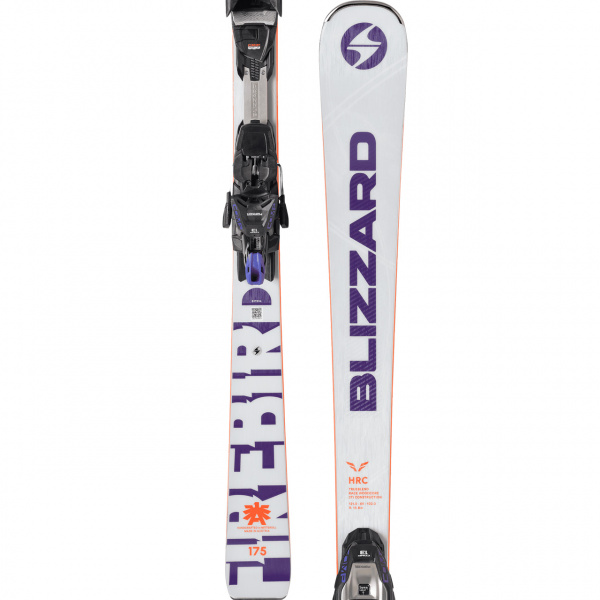

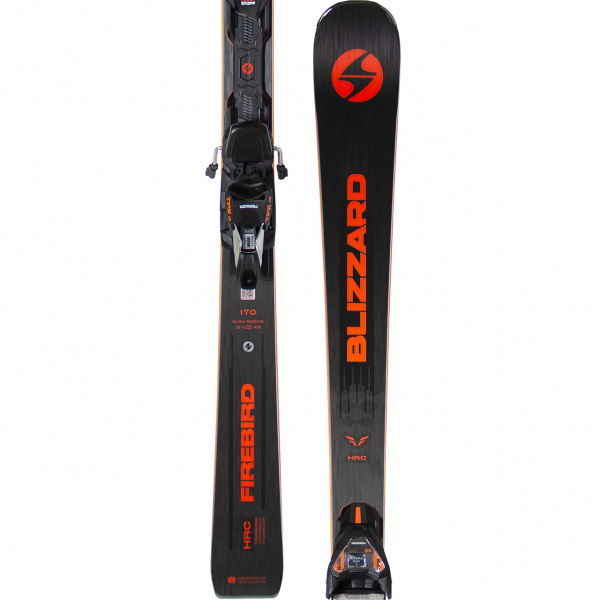


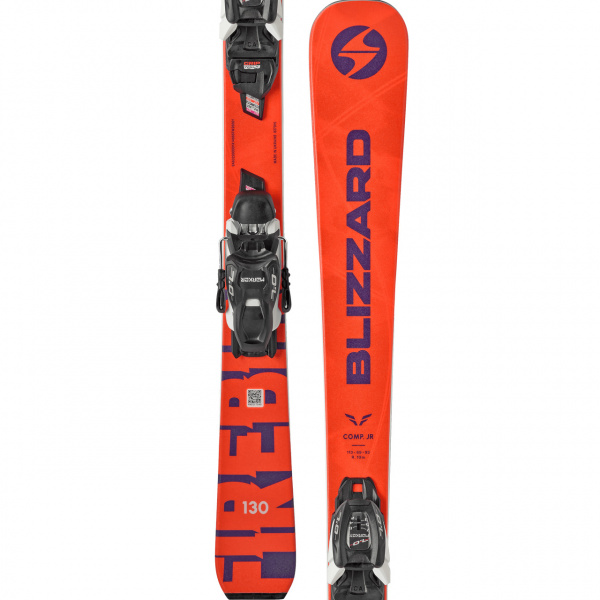
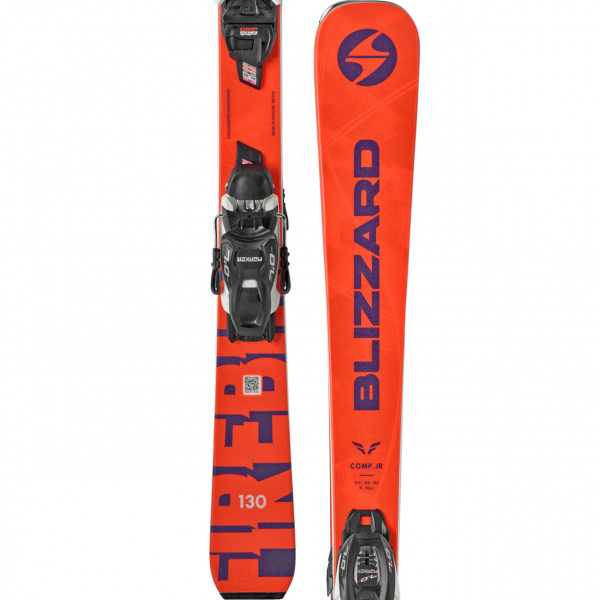

22 of 158 Products shown
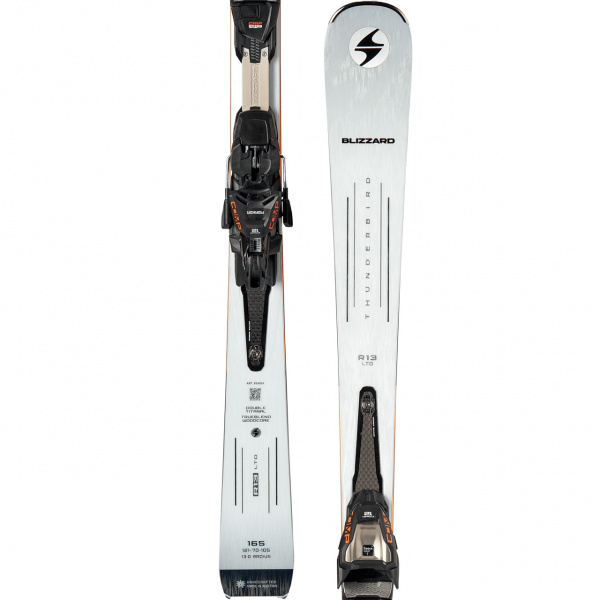
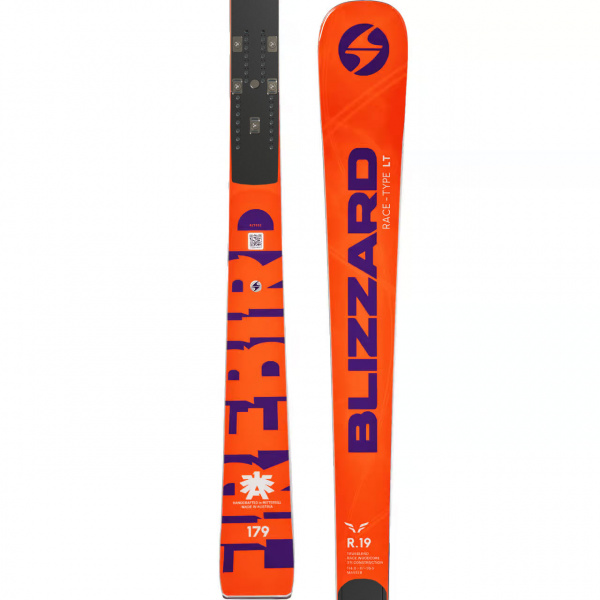
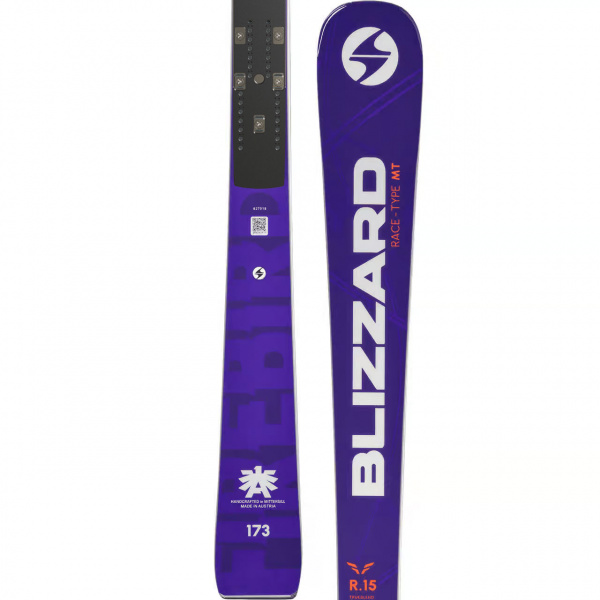
Slalom carvers and race carvers - precision and speed for ambitious skiers
Slalom carvers and race carvers are among the fastest and most precise types of alpine skis. They are specially designed for advanced skiers and professionals who are looking for either maximum manoeuvrability in tight radii or maximum smoothness at speed. At XSPO you will find a carefully selected collection that allows you to customise your carving experience to suit your skiing style.
Purpose, scope and requirements
Slalom carvers are short, highly waisted and perfect for tight, fast turns on hard, groomed pistes. They appeal to skiers who like to turn actively and are looking for an agile ski that reacts quickly to edge changes.
Race carvers (giant slalom skis), on the other hand, are longer, less tapered and optimised for medium to long radii at high speeds. They require a powerful and controlled skiing style and reward you with enormous smoothness and edge grip.
Both types of skis benefit from high torsional rigidity, which enables precise skiing even on icy slopes.
Features, designs and differences
| Length | about shoulder height, usually 15 cm shorter than body height | about body height, sometimes slightly taller |
| Waisted | strongly fitted | slightly fitted |
| Curve radius | short (10–13 m) | Medium to long (from 16 m) |
| Driving style | manoeuvrable, dynamic, quick changes of direction | Stable, smooth running, high speeds |
| Torsional rigidity | high, for precise edge grip | high, for stability at speed |
| Flex | Relatively soft for quick swing initiation | firmer for smooth running and stability |
| Target group | sporty riders, also advanced beginners | Experienced skiers with a powerful skiing style |
| Field of application | Tight bends, hard slopes, technique training | long bends, giant slalom, high speeds |
| Advantages | Extremely agile, fun on narrow terrain | maximum stability and edge grip at speed |
| Possible disadvantages | less stable at very high speed | less agile in tight bends |
The way to the right slalom or race carvers
- Analyse your riding style: Manoeuvrable technical rides or long high-speed descents?
- Select length: Slalom Carver shorter (shoulder height), Race Carver about body height.
- Check the waist: More taper for tight radii, less for long curves.
- Note the curve radius: Short radii for slalom, longer radii for giant slalom.
- Consider the effort required: Race carvers require active, powerful riding.
- Take piste conditions into account: Both types of skis are ideal on hard, groomed pistes.
- Take experience into account: Slalom carvers can also be suitable for ambitious beginners, race carvers are more suitable for experts.
- Adjust the binding: Fit to the sole length and have them correctly pre-set.
With XSPO, you not only benefit from a customised selection of slalom and race carvers, but also from expert advice and a range that has the right model for every riding level.
Frequently asked questions about slalom and race carvers
- What is the main difference between slalom carvers and race carvers?
Slalom carvers are shorter and more tapered for tight radii, race carvers are longer and less tapered for long, fast turns. - Who are slalom carvers suitable for?
For sporty skiers and ambitious beginners who want to make tight turns on hard piste. - Who are race carvers suitable for?
For experienced skiers who prefer high speeds and long radii. - What length is recommended for slalom carvers?
About 15 cm shorter than body height, i.e. approximately up to shoulder height. - What length is recommended for race carvers?
Usually body height, sometimes slightly above for maximum running smoothness. - What is the typical turning radius for slalom carvers?
Between 10 and 13 metres, ideal for tight bends. - What is the typical turning radius for race carvers?
From around 16 metres for medium to long arches. - Are slalom carvers also suitable for icy slopes?
Yes, thanks to their high torsional rigidity, they offer good grip on hard surfaces. - Can I use race carvers as all-round skis?
They specialise in speed and require a lot of effort, making them less suitable for all-day riding or relaxed cruising. - Which bindings are suitable for slalom or race carvers?
A high-quality alpine binding, adjusted to the length of the sole, ensures the best possible power transmission and safety.
Slalom carvers and race carvers - precision and speed for ambitious skiers
Slalom carvers and race carvers are among the fastest and most precise types of alpine skis. They are specially designed for advanced skiers and professionals who are looking for either maximum manoeuvrability in tight radii or maximum smoothness at speed. At XSPO you will find a carefully selected collection that allows you to customise your carving experience to suit your skiing style.
Purpose, scope and requirements
Slalom carvers are short, highly waisted and perfect for tight, fast turns on hard, groomed pistes. They appeal to skiers who like to turn actively and are looking for an agile ski that reacts quickly to edge changes.
Race carvers (giant slalom skis), on the other hand, are longer, less tapered and optimised for medium to long radii at high speeds. They require a powerful and controlled skiing style and reward you with enormous smoothness and edge grip.
Both types of skis benefit from high torsional rigidity, which enables precise skiing even on icy slopes.
Features, designs and differences
| Length | about shoulder height, usually 15 cm shorter than body height | about body height, sometimes slightly taller |
| Waisted | strongly fitted | slightly fitted |
| Curve radius | short (10–13 m) | Medium to long (from 16 m) |
| Driving style | manoeuvrable, dynamic, quick changes of direction | Stable, smooth running, high speeds |
| Torsional rigidity | high, for precise edge grip | high, for stability at speed |
| Flex | Relatively soft for quick swing initiation | firmer for smooth running and stability |
| Target group | sporty riders, also advanced beginners | Experienced skiers with a powerful skiing style |
| Field of application | Tight bends, hard slopes, technique training | long bends, giant slalom, high speeds |
| Advantages | Extremely agile, fun on narrow terrain | maximum stability and edge grip at speed |
| Possible disadvantages | less stable at very high speed | less agile in tight bends |
The way to the right slalom or race carvers
- Analyse your riding style: Manoeuvrable technical rides or long high-speed descents?
- Select length: Slalom Carver shorter (shoulder height), Race Carver about body height.
- Check the waist: More taper for tight radii, less for long curves.
- Note the curve radius: Short radii for slalom, longer radii for giant slalom.
- Consider the effort required: Race carvers require active, powerful riding.
- Take piste conditions into account: Both types of skis are ideal on hard, groomed pistes.
- Take experience into account: Slalom carvers can also be suitable for ambitious beginners, race carvers are more suitable for experts.
- Adjust the binding: Fit to the sole length and have them correctly pre-set.
With XSPO, you not only benefit from a customised selection of slalom and race carvers, but also from expert advice and a range that has the right model for every riding level.
Frequently asked questions about slalom and race carvers
- What is the main difference between slalom carvers and race carvers?
Slalom carvers are shorter and more tapered for tight radii, race carvers are longer and less tapered for long, fast turns. - Who are slalom carvers suitable for?
For sporty skiers and ambitious beginners who want to make tight turns on hard piste. - Who are race carvers suitable for?
For experienced skiers who prefer high speeds and long radii. - What length is recommended for slalom carvers?
About 15 cm shorter than body height, i.e. approximately up to shoulder height. - What length is recommended for race carvers?
Usually body height, sometimes slightly above for maximum running smoothness. - What is the typical turning radius for slalom carvers?
Between 10 and 13 metres, ideal for tight bends. - What is the typical turning radius for race carvers?
From around 16 metres for medium to long arches. - Are slalom carvers also suitable for icy slopes?
Yes, thanks to their high torsional rigidity, they offer good grip on hard surfaces. - Can I use race carvers as all-round skis?
They specialise in speed and require a lot of effort, making them less suitable for all-day riding or relaxed cruising. - Which bindings are suitable for slalom or race carvers?
A high-quality alpine binding, adjusted to the length of the sole, ensures the best possible power transmission and safety.