







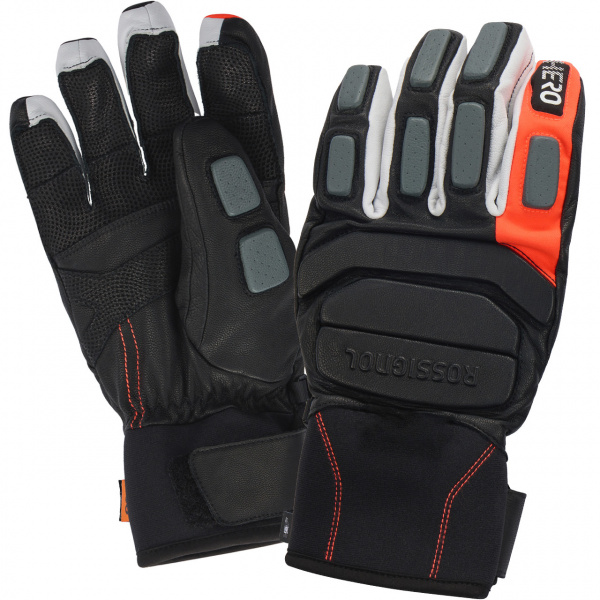

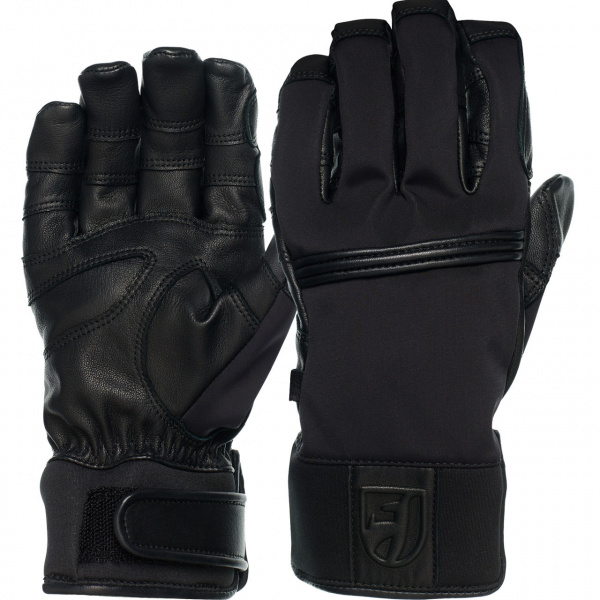
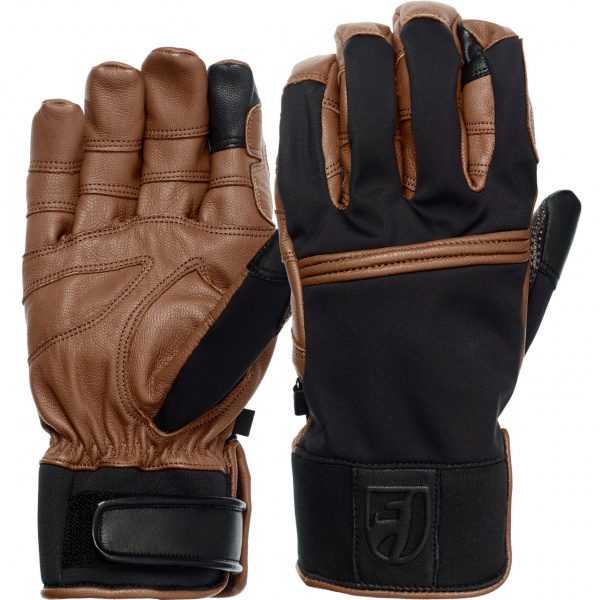

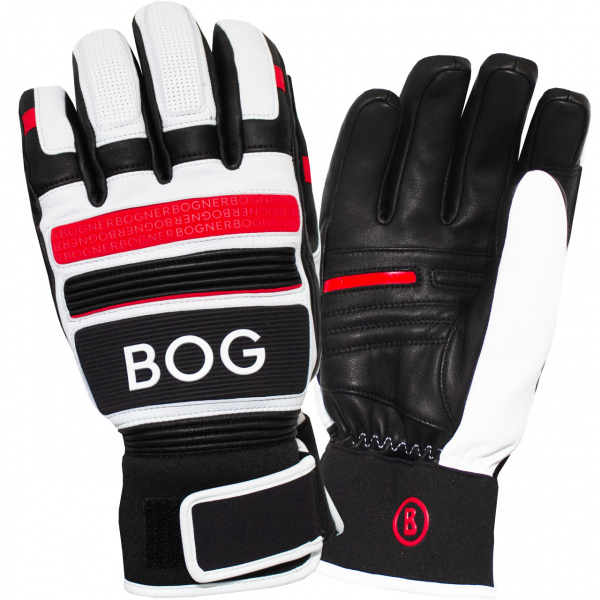
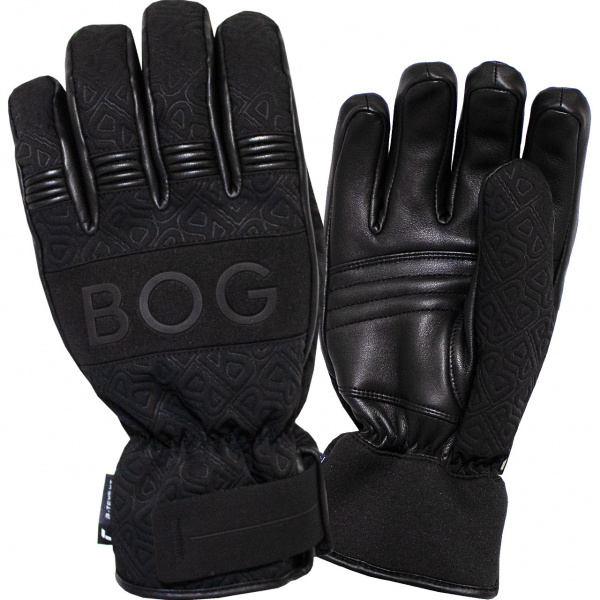

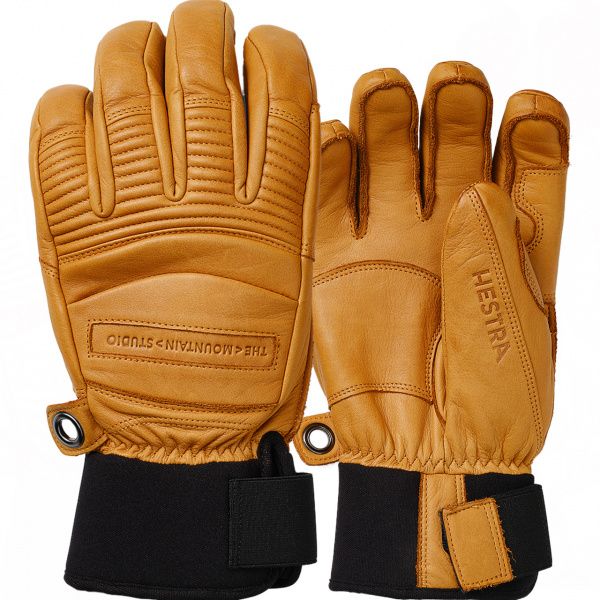
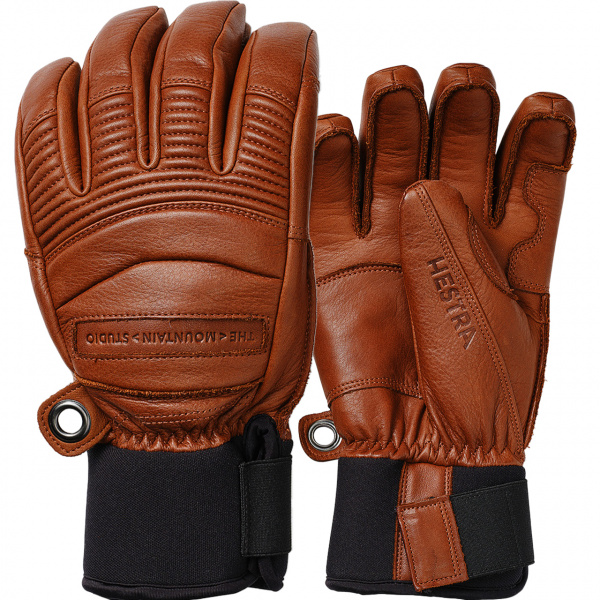
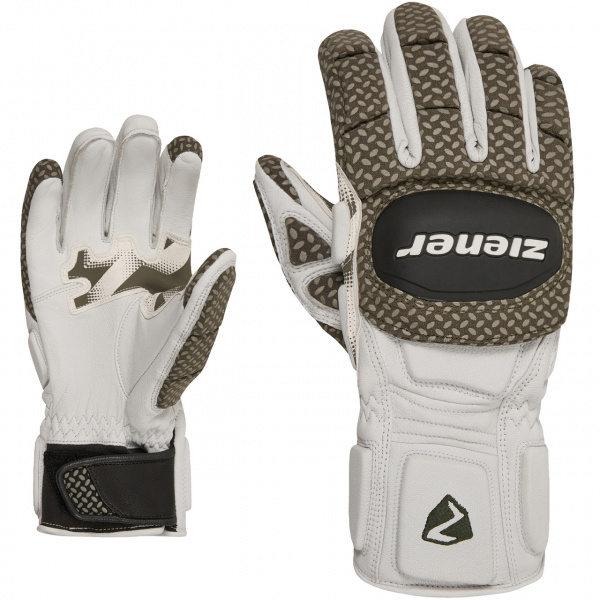



22 of 324 Products shown
Ski Gloves: Warm Hands and a Good Grip on Your Poles
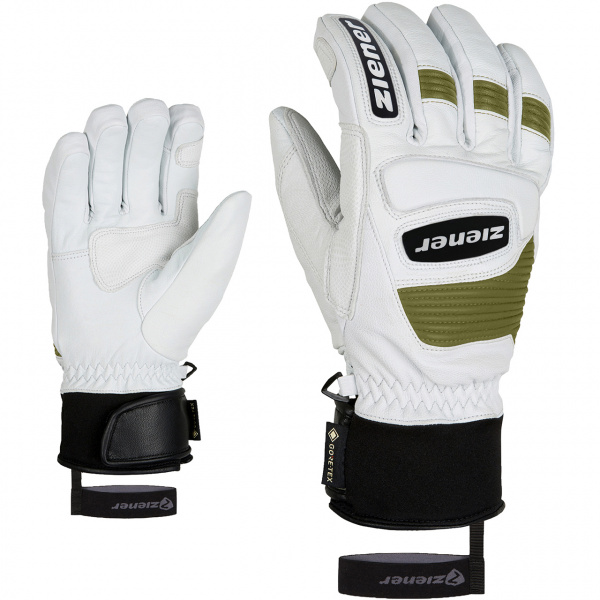
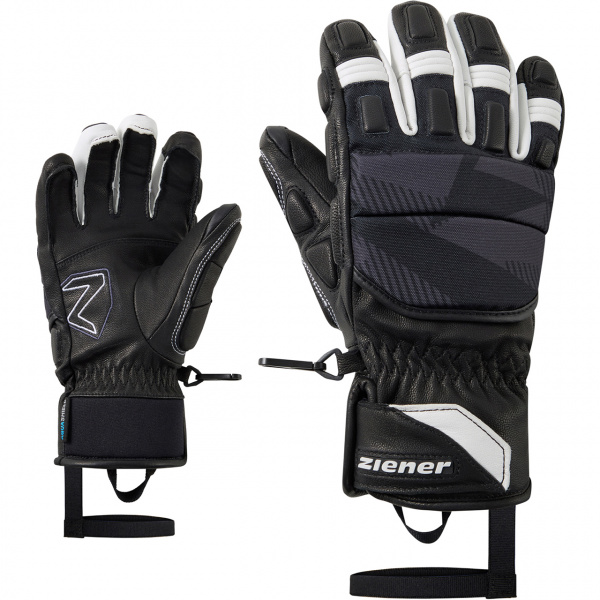
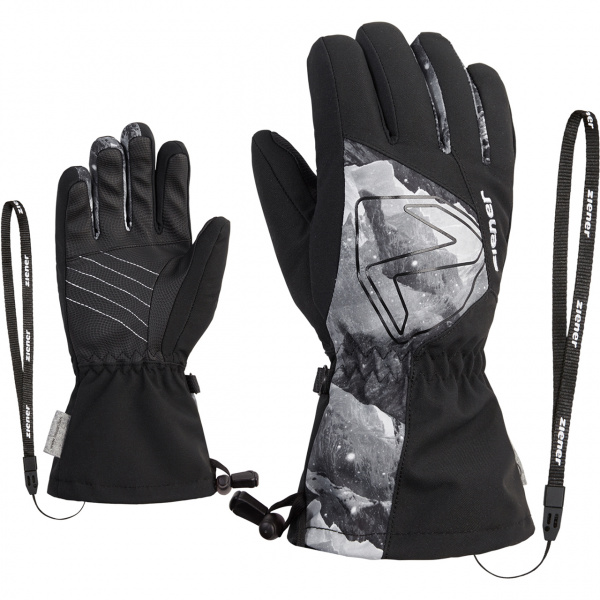
Cold fingers can quickly ruin the fun of skiing. That’s why good ski gloves not only keep your hands warm but also protect them from wind and snow without unnecessarily restricting your mobility. Whether finger gloves, mittens, or three-finger gloves are the better choice depends mainly on how sensitive you are to the cold, the weather, and your skiing style. At XSPO, you’ll find various styles for the slopes, deep snow, and especially cold winter days.
Fingerless gloves, mittens, or three-finger gloves: Which is better?
People who prioritize flexibility usually opt for gloves. On the other hand, those whose hands get cold quickly are often better off with mittens. Three-finger gloves fall somewhere in between. The reason is simple: the more fingers that are together in an insulated compartment, the less heat is generally lost in a comparable design.
| Fingerless gloves | Depending on the insulation, they are usually thinner than mittens when the construction is comparable | Very good | Sporty skiing, precise grip |
| Mittens | For comparable designs, it is usually the highest | Restricted | Cold winter days, hands that are sensitive to the cold |
| Three-finger gloves | Often a good compromise | Good | Groomed runs, Freeride, low temperatures |
Fingerless gloves offer the greatest freedom of movement. You can use them to grip poles precisely, operate zippers, and perform small tasks without having to take off your gloves. However, each finger has its own surface through which heat can escape.
With a similar design, mittens usually keep your hands warmer. The fingers are together and can keep each other warm. This is especially noticeable during longer rides on the lift or in cold temperatures. The downside: It’s hard to move individual fingers independently of one another.
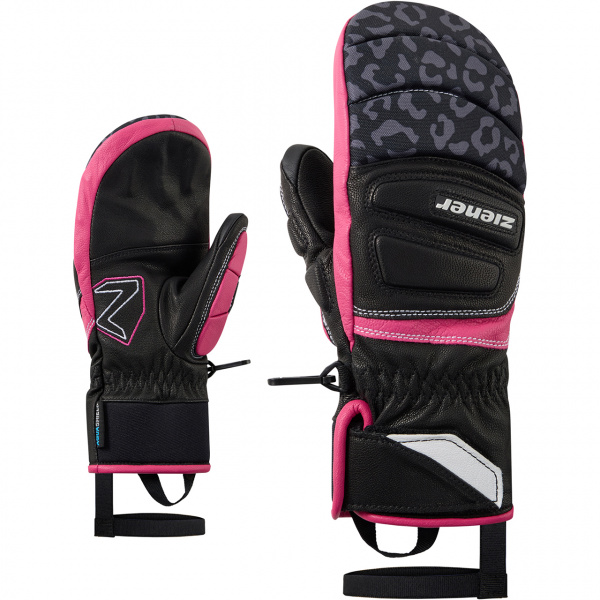
Three-finger gloves, also known as lobster gloves, combine both designs. Typically, the thumb and index finger have their own separate compartments, while the remaining fingers are grouped together. This provides a better grip than traditional mittens and often offers more warmth than a similarly insulated fingered glove.
What makes for good ski gloves?
A warm glove isn't automatically a good ski glove. When it comes to skiing, in particular, several features need to work together. On the chairlift, as little heat as possible should be lost; during the descent, the glove must protect against the wind; and when gripping the poles, it mustn't slip.
How well this works depends on the combination of insulation, outer material, inner lining, and fit.
| Thermal Insulation | Trapped air slows down heat loss. | Insulation material, fill volume, and enough room for your fingers |
| Windshield | A windproof design reduces heat loss caused by air movement. | Windproof outer material and snug-fitting cuffs |
| Water resistance | Membranes or suitable coatings prevent water from penetrating. | Waterproof overall construction, not just a water-repellent outer layer |
| Breathability | Water vapor can escape to the outside through suitable materials. | Material composition and appropriate insulation for physical exertion |
| Grip security | Non-slip materials and an ergonomic design improve handling. | Leather palms or palms with appropriate reinforcements |
| Robustness | Abrasion-resistant materials protect high-wear areas. | Reinforced palms and fingers, and clean workmanship |
| Snow Guard | Cuffs and fasteners help keep snow out. | Smooth transition between the glove and the jacket sleeve |
Why do some ski gloves keep your hands warmer than others?
A pair of ski gloves doesn't generate heat on its own. It ensures that the heat given off by your hands is lost to the environment as slowly as possible. To do this, insulating materials are used that trap air between their fibers. These layers of air slow down heat transfer.
Synthetic insulation is often used. It is lightweight, versatile, and, depending on its construction, can retain some of its thermal performance even when wet. Down also offers high insulation performance despite its low weight; however, it loses some of its loft when wet.
For the inner lining, manufacturers use materials such as fleece, wool, or synthetic blends. These materials affect how comfortable the glove feels against the skin and how moisture is absorbed or wicked away.
A common misconception: The thicker the glove, the warmer it must be. In fact, a poor fit, compressed insulation, or damp inner materials can significantly reduce thermal comfort. A well-fitting glove with well-designed insulation can therefore be more comfortable than a very bulky model.
What do "waterproof" and "breathable" mean when it comes to ski gloves?
It’s especially when dealing with wet snow that you can really tell how well a glove is designed. A water-repellent surface initially causes moisture to roll right off. However, that isn’t always enough during prolonged contact with wet snow.
Waterproof ski gloves are constructed from materials that prevent liquid water from penetrating. Membranes such as GORE-TEX are used for this purpose. The overall construction—including the seams and joints—is crucial.
Breathability, on the other hand, describes how well water vapor can escape to the outside. This does not work equally well under all conditions. During intense physical activity, high humidity, or unfavorable temperature conditions, moisture can accumulate even inside a waterproof glove.
So if your hands feel damp after a long day of skiing, it doesn't necessarily mean that snow has gotten in. Often, the moisture comes from your own sweat. That's why a glove with the thickest and most heavily insulated construction isn't the best solution for every skier.
Leather or synthetic fiber: Which material is better for ski gloves?
Leather and synthetic materials have different strengths. That's why many ski gloves combine both materials—for example, with a textile back and a leather palm.
Leather is supple, often provides a good grip on poles, and, if of sufficient quality, can be very abrasion-resistant. This is especially useful on the palms and fingers. However, leather requires care. If it gets wet frequently and is then dried improperly, it can become hard and brittle over time.
Synthetic materials can be specifically tailored to meet a variety of requirements. Depending on the fabric and coating, they can be lightweight, durable, and easy to care for. However, their actual quality depends heavily on how they are manufactured.
For athletic skiing, a leather palm with good grip can be comfortable. If you frequently ski in snowfall or wet conditions, you should pay special attention to the weather protection offered by the glove’s overall construction.
There is therefore no one-size-fits-all answer to the question of which material is better. What matters more is where leather or synthetic fiber is used and what function the respective material is intended to serve.
Which ski gloves are best for the slopes, Freeride, and ski touring?
A day of skiing on groomed runs places different demands on gloves than a deep-snow descent or a long ascent on touring skis. That’s why it’s worth choosing gloves that are suited to how you’ll actually be using them.
Ski Gloves for the Slopes
When it comes to classic downhill skiing, a balanced combination of warmth, flexibility, and weather protection is essential. Especially when skiing at a fast pace, it’s nice to have a good feel for your poles. That’s why fingerless gloves are a popular choice.
On the other hand, if you spend a lot of time on the chairlift or tend to get cold hands quickly, you should opt for gloves with better insulation. In very cold temperatures, mittens may be the more comfortable choice.
Ski Gloves for Freeride and Deep Snow
In deep snow, the most important thing a glove must do is prevent snow from getting inside. Long cuffs that extend past the jacket sleeves are particularly practical for this purpose. They can often be adjusted with a drawstring or Velcro fastener.
Sturdy palms and durable outer materials are also useful. When there is frequent contact with snow, a waterproof construction is more important than when conditions on the slopes are mostly dry.
Ski Gloves for Ski Touring
On ski tours, conditions often change rapidly. During the ascent, physical exertion generates a lot of heat. A heavily insulated glove can then quickly become too warm. During the descent, however, wind and reduced physical activity cause you to cool down more quickly.
That's why many ski tourers use two pairs of gloves: thinner ones for the ascent and warmer, windproof gloves for the descent. On longer tours, it can also be a good idea to bring a dry spare pair.
How do you find the right size and fit for ski gloves?
Even high-quality ski gloves can be uncomfortable if they don't fit properly. Gloves that are too tight squeeze your fingers and can compress the insulation. Gloves that are too big are more likely to slip and reduce your grip.
- Measuring your hand circumference: Wrap a measuring tape around the widest part of your palm, excluding your thumb. The measuring tape should fit snugly but not cut into your skin.
- Check the size chart: Compare your measured hand circumference with the manufacturer's specifications. Sizes vary depending on the brand and cut.
- Keep finger length in mind: Your fingertips shouldn't press against the material. A small amount of space is helpful, but too much space makes it harder to grip.
- Testing flexibility: Make a fist and pretend to grip a Pole. The glove should neither feel too tight nor slip.
- Check your wrists: The cuffs should fit snugly without being too tight. Also make sure the cuffs match the sleeves of your ski jacket.
- Consider your warmth needs: If your hands get cold easily, a mitten might be a better choice than a pair of extra-thick, lined gloves.
A good pair of ski gloves fits snugly but still allows your fingers plenty of freedom of movement. Size alone isn't the whole story. Finger length, the cut, and the insulation design also affect comfort.
What should you look for when choosing ski gloves?
In addition to material and fit, certain design features can make your daily skiing experience easier. Not every feature is necessary for every skier, but some really pay off, especially with frequent use.
Pre-shaped fingers promote a natural hand position and can make gripping the Poles more comfortable. Reinforced palms protect areas that are particularly prone to wear and tear from contact with Poles.
Removable inner gloves make it easier to dry them after a long day on the slopes. This is especially handy when you wear the gloves for several days in a row.
Adjustable cuffs help seal the connection to the ski jacket. Small attachment loops can also prevent a removed glove from being accidentally lost.
Care instructions should also be a factor in your choice. Ski gloves must be able to dry completely after use. Especially with leather and membrane constructions, it’s important to follow the manufacturer’s care instructions. Intense direct heat can damage materials and adhesive bonds.
At XSPO, it’s not just about finding the warmest ski gloves possible. What really matters is that your gear matches your skiing style and the conditions you typically ski in. As a family-run winter sports specialist, XSPO combines a diverse product range with personalized expert advice and the passion of experienced skiers. This allows you to make informed choices among different designs, materials, and features.
Frequently Asked Questions About Ski Gloves
Ski Gloves: Warm Hands and a Good Grip on Your Poles
Cold fingers can quickly ruin the fun of skiing. That’s why good ski gloves not only keep your hands warm but also protect them from wind and snow without unnecessarily restricting your mobility. Whether finger gloves, mittens, or three-finger gloves are the better choice depends mainly on how sensitive you are to the cold, the weather, and your skiing style. At XSPO, you’ll find various styles for the slopes, deep snow, and especially cold winter days.
Fingerless gloves, mittens, or three-finger gloves: Which is better?
People who prioritize flexibility usually opt for gloves. On the other hand, those whose hands get cold quickly are often better off with mittens. Three-finger gloves fall somewhere in between. The reason is simple: the more fingers that are together in an insulated compartment, the less heat is generally lost in a comparable design.
| Fingerless gloves | Depending on the insulation, they are usually thinner than mittens when the construction is comparable | Very good | Sporty skiing, precise grip |
| Mittens | For comparable designs, it is usually the highest | Restricted | Cold winter days, hands that are sensitive to the cold |
| Three-finger gloves | Often a good compromise | Good | Groomed runs, Freeride, low temperatures |
Fingerless gloves offer the greatest freedom of movement. You can use them to grip poles precisely, operate zippers, and perform small tasks without having to take off your gloves. However, each finger has its own surface through which heat can escape.
With a similar design, mittens usually keep your hands warmer. The fingers are together and can keep each other warm. This is especially noticeable during longer rides on the lift or in cold temperatures. The downside: It’s hard to move individual fingers independently of one another.
Three-finger gloves, also known as lobster gloves, combine both designs. Typically, the thumb and index finger have their own separate compartments, while the remaining fingers are grouped together. This provides a better grip than traditional mittens and often offers more warmth than a similarly insulated fingered glove.
What makes for good ski gloves?
A warm glove isn't automatically a good ski glove. When it comes to skiing, in particular, several features need to work together. On the chairlift, as little heat as possible should be lost; during the descent, the glove must protect against the wind; and when gripping the poles, it mustn't slip.
How well this works depends on the combination of insulation, outer material, inner lining, and fit.
| Thermal Insulation | Trapped air slows down heat loss. | Insulation material, fill volume, and enough room for your fingers |
| Windshield | A windproof design reduces heat loss caused by air movement. | Windproof outer material and snug-fitting cuffs |
| Water resistance | Membranes or suitable coatings prevent water from penetrating. | Waterproof overall construction, not just a water-repellent outer layer |
| Breathability | Water vapor can escape to the outside through suitable materials. | Material composition and appropriate insulation for physical exertion |
| Grip security | Non-slip materials and an ergonomic design improve handling. | Leather palms or palms with appropriate reinforcements |
| Robustness | Abrasion-resistant materials protect high-wear areas. | Reinforced palms and fingers, and clean workmanship |
| Snow Guard | Cuffs and fasteners help keep snow out. | Smooth transition between the glove and the jacket sleeve |
Why do some ski gloves keep your hands warmer than others?
A pair of ski gloves doesn't generate heat on its own. It ensures that the heat given off by your hands is lost to the environment as slowly as possible. To do this, insulating materials are used that trap air between their fibers. These layers of air slow down heat transfer.
Synthetic insulation is often used. It is lightweight, versatile, and, depending on its construction, can retain some of its thermal performance even when wet. Down also offers high insulation performance despite its low weight; however, it loses some of its loft when wet.
For the inner lining, manufacturers use materials such as fleece, wool, or synthetic blends. These materials affect how comfortable the glove feels against the skin and how moisture is absorbed or wicked away.
A common misconception: The thicker the glove, the warmer it must be. In fact, a poor fit, compressed insulation, or damp inner materials can significantly reduce thermal comfort. A well-fitting glove with well-designed insulation can therefore be more comfortable than a very bulky model.
What do "waterproof" and "breathable" mean when it comes to ski gloves?
It’s especially when dealing with wet snow that you can really tell how well a glove is designed. A water-repellent surface initially causes moisture to roll right off. However, that isn’t always enough during prolonged contact with wet snow.
Waterproof ski gloves are constructed from materials that prevent liquid water from penetrating. Membranes such as GORE-TEX are used for this purpose. The overall construction—including the seams and joints—is crucial.
Breathability, on the other hand, describes how well water vapor can escape to the outside. This does not work equally well under all conditions. During intense physical activity, high humidity, or unfavorable temperature conditions, moisture can accumulate even inside a waterproof glove.
So if your hands feel damp after a long day of skiing, it doesn't necessarily mean that snow has gotten in. Often, the moisture comes from your own sweat. That's why a glove with the thickest and most heavily insulated construction isn't the best solution for every skier.
Leather or synthetic fiber: Which material is better for ski gloves?
Leather and synthetic materials have different strengths. That's why many ski gloves combine both materials—for example, with a textile back and a leather palm.
Leather is supple, often provides a good grip on poles, and, if of sufficient quality, can be very abrasion-resistant. This is especially useful on the palms and fingers. However, leather requires care. If it gets wet frequently and is then dried improperly, it can become hard and brittle over time.
Synthetic materials can be specifically tailored to meet a variety of requirements. Depending on the fabric and coating, they can be lightweight, durable, and easy to care for. However, their actual quality depends heavily on how they are manufactured.
For athletic skiing, a leather palm with good grip can be comfortable. If you frequently ski in snowfall or wet conditions, you should pay special attention to the weather protection offered by the glove’s overall construction.
There is therefore no one-size-fits-all answer to the question of which material is better. What matters more is where leather or synthetic fiber is used and what function the respective material is intended to serve.
Which ski gloves are best for the slopes, Freeride, and ski touring?
A day of skiing on groomed runs places different demands on gloves than a deep-snow descent or a long ascent on touring skis. That’s why it’s worth choosing gloves that are suited to how you’ll actually be using them.
Ski Gloves for the Slopes
When it comes to classic downhill skiing, a balanced combination of warmth, flexibility, and weather protection is essential. Especially when skiing at a fast pace, it’s nice to have a good feel for your poles. That’s why fingerless gloves are a popular choice.
On the other hand, if you spend a lot of time on the chairlift or tend to get cold hands quickly, you should opt for gloves with better insulation. In very cold temperatures, mittens may be the more comfortable choice.
Ski Gloves for Freeride and Deep Snow
In deep snow, the most important thing a glove must do is prevent snow from getting inside. Long cuffs that extend past the jacket sleeves are particularly practical for this purpose. They can often be adjusted with a drawstring or Velcro fastener.
Sturdy palms and durable outer materials are also useful. When there is frequent contact with snow, a waterproof construction is more important than when conditions on the slopes are mostly dry.
Ski Gloves for Ski Touring
On ski tours, conditions often change rapidly. During the ascent, physical exertion generates a lot of heat. A heavily insulated glove can then quickly become too warm. During the descent, however, wind and reduced physical activity cause you to cool down more quickly.
That's why many ski tourers use two pairs of gloves: thinner ones for the ascent and warmer, windproof gloves for the descent. On longer tours, it can also be a good idea to bring a dry spare pair.
How do you find the right size and fit for ski gloves?
Even high-quality ski gloves can be uncomfortable if they don't fit properly. Gloves that are too tight squeeze your fingers and can compress the insulation. Gloves that are too big are more likely to slip and reduce your grip.
- Measuring your hand circumference: Wrap a measuring tape around the widest part of your palm, excluding your thumb. The measuring tape should fit snugly but not cut into your skin.
- Check the size chart: Compare your measured hand circumference with the manufacturer's specifications. Sizes vary depending on the brand and cut.
- Keep finger length in mind: Your fingertips shouldn't press against the material. A small amount of space is helpful, but too much space makes it harder to grip.
- Testing flexibility: Make a fist and pretend to grip a Pole. The glove should neither feel too tight nor slip.
- Check your wrists: The cuffs should fit snugly without being too tight. Also make sure the cuffs match the sleeves of your ski jacket.
- Consider your warmth needs: If your hands get cold easily, a mitten might be a better choice than a pair of extra-thick, lined gloves.
A good pair of ski gloves fits snugly but still allows your fingers plenty of freedom of movement. Size alone isn't the whole story. Finger length, the cut, and the insulation design also affect comfort.
What should you look for when choosing ski gloves?
In addition to material and fit, certain design features can make your daily skiing experience easier. Not every feature is necessary for every skier, but some really pay off, especially with frequent use.
Pre-shaped fingers promote a natural hand position and can make gripping the Poles more comfortable. Reinforced palms protect areas that are particularly prone to wear and tear from contact with Poles.
Removable inner gloves make it easier to dry them after a long day on the slopes. This is especially handy when you wear the gloves for several days in a row.
Adjustable cuffs help seal the connection to the ski jacket. Small attachment loops can also prevent a removed glove from being accidentally lost.
Care instructions should also be a factor in your choice. Ski gloves must be able to dry completely after use. Especially with leather and membrane constructions, it’s important to follow the manufacturer’s care instructions. Intense direct heat can damage materials and adhesive bonds.
At XSPO, it’s not just about finding the warmest ski gloves possible. What really matters is that your gear matches your skiing style and the conditions you typically ski in. As a family-run winter sports specialist, XSPO combines a diverse product range with personalized expert advice and the passion of experienced skiers. This allows you to make informed choices among different designs, materials, and features.