











22 of 239 Products shown
Ski Wear Accessories: Hats, Caps, Tube Scarves, and More
Cold ears, an icy wind blowing in your face, or a damp scarf can quickly turn a great day on the slopes into an unpleasant one. The right Ski Wear accessories protect your head, neck, and face from the cold and wind. Whether it's a beanie, a cap, a tube scarf, a headband, or a balaclava: the material, fit, and intended use are what matter most. At XSPO, you'll find the right accessories for the slopes, the ski lodge, and after-ski activities.
What Ski Wear accessories do you really need?
In alpine skiing, movement, wind resistance, and periods of rest alternate. During the descent, the face and neck are particularly exposed to the cold wind. While waiting at the lift or at a windy mountain station, extra insulation can be comfortable.
The most important distinction: Hats and headbands mainly keep your head and ears warm, tube scarves protect your neck, and balaclavas also cover larger parts of your face. Baseball caps are mainly suitable for sunny days away from the slopes.
Hats: Warmth for Your Head and Ears
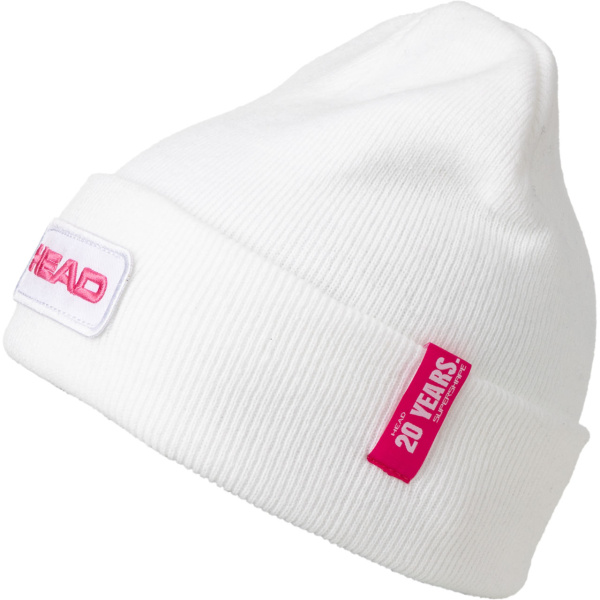
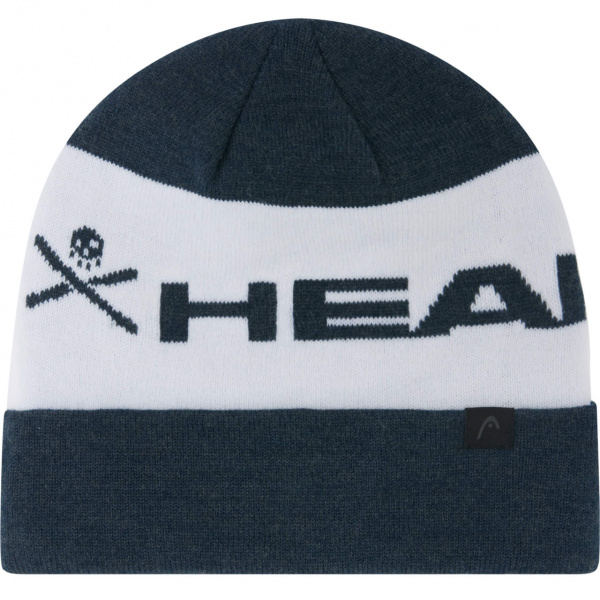
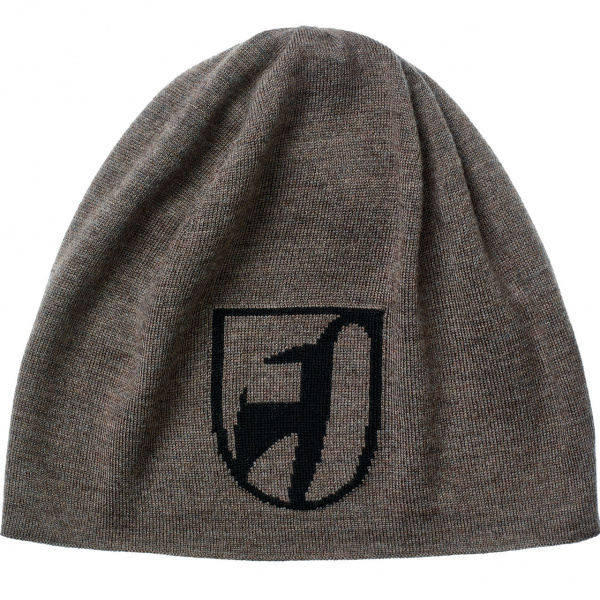
A ski hat is especially practical in cold temperatures, during longer breaks, and after skiing. Hats made of wool, fleece, or synthetic blends provide insulation by trapping air. It’s not just the material and thickness that matter, but also the knit structure, lining, and fit. For example, a tightly knit hat with a fleece lining may be less wind-permeable than a loosely knit wool hat.
Important: Thick knit hats should not be worn under a ski helmet. They can alter the fit and cause pressure points.
Tube Scarves: Versatile Protection for the Neck and Face
Tube scarves, also known as neck warmers or multifunctional scarves, are versatile. They cover the neck and can be pulled up over the mouth and nose when needed. Thinner versions are suitable for milder temperatures, while thicker versions made of fleece or merino wool provide extra warmth.
Stretchy materials are particularly practical because they fit comfortably around the neck and don’t bulge under a jacket collar. However, caution is advised in very cold weather: If the tube scarf is worn over the mouth and nose, exhaled moisture can condense in the fabric and freeze in sub-zero temperatures.
Balaclavas: More Protection Against the Cold and Wind
A balaclava covers the head and neck and, depending on the style, large portions of the face. It is particularly suitable for cold and windy conditions where a tube scarf alone is not enough.
For use under a ski helmet, thin, form-fitting styles are recommended. Flat seams and stretchy materials help prevent pressure points. It is important that the balaclava does not interfere with either the secure fit of the helmet or the field of vision.
Headbands: Keep Your Ears Warm Without Wearing a Full Head Covering
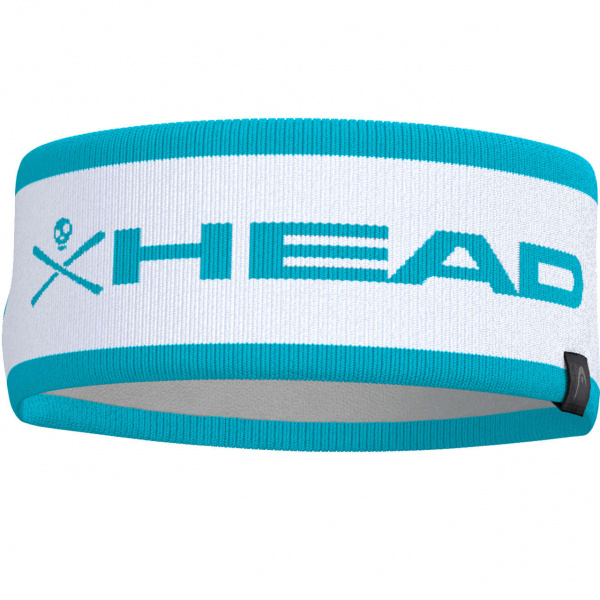
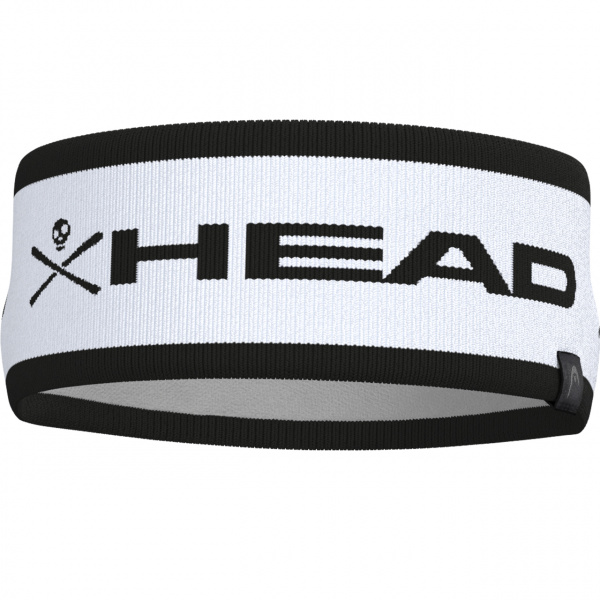
A headband protects your forehead and ears while leaving the top of your head uncovered. This makes it a good alternative to a hat in milder temperatures or when you start sweating quickly.
Fleece headbands provide comfortable thermal insulation. Thinner technical fabrics wick away moisture effectively. In windy conditions, models with wind-resistant panels are a good choice.
Caps: Sun Protection and a Sporty Look
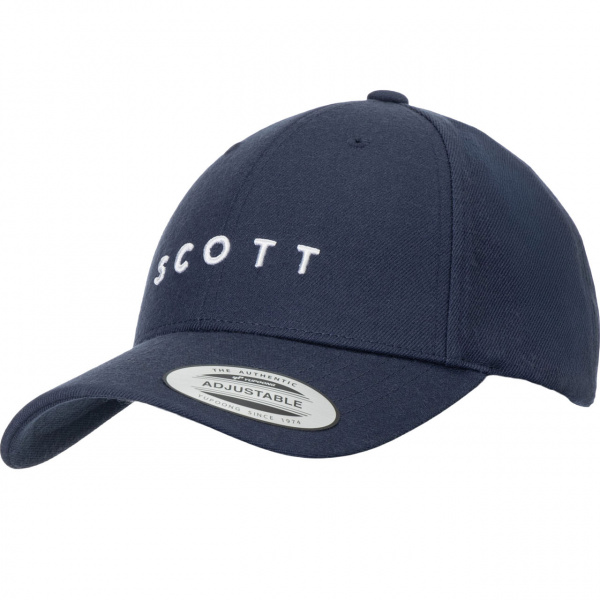
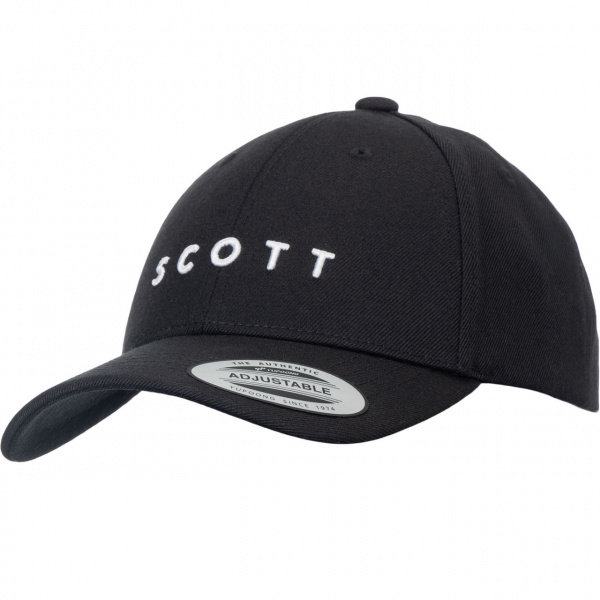
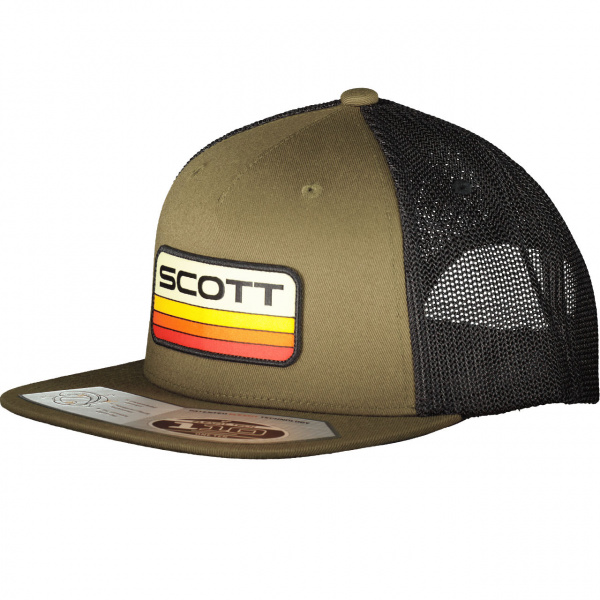
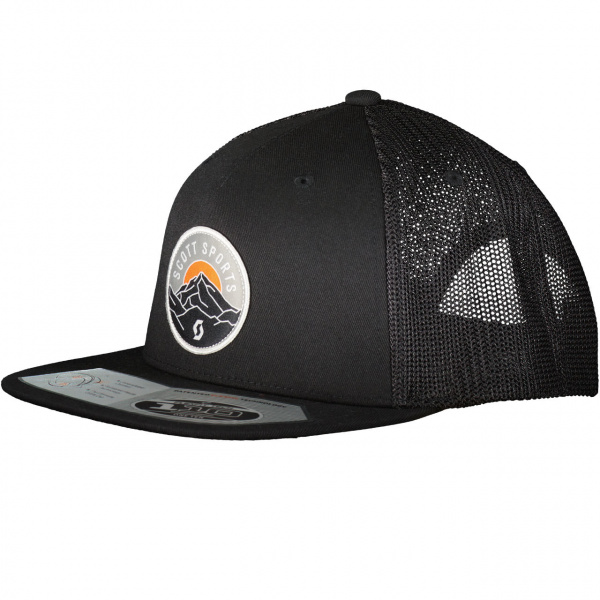
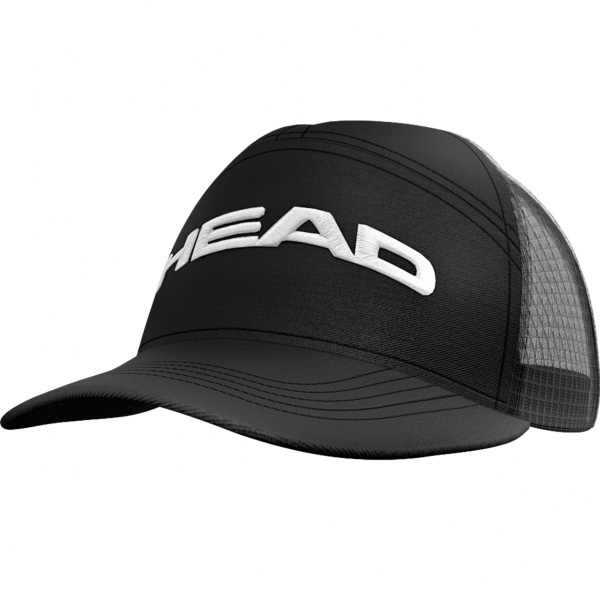
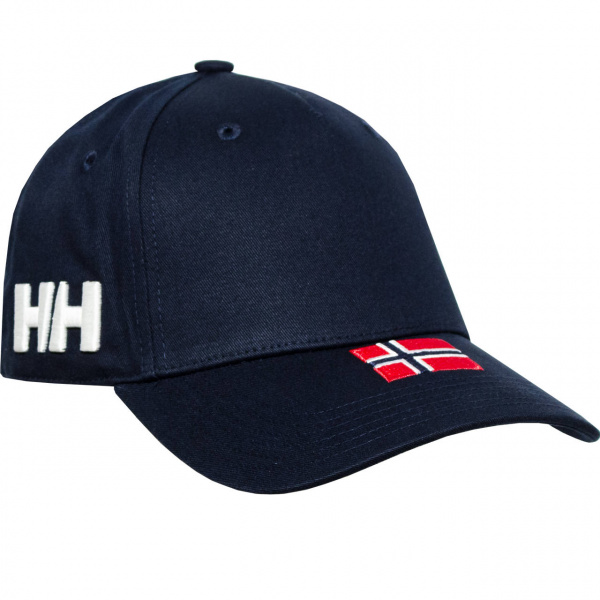
Caps are especially popular in mild weather, on the sun deck, or after skiing. The visor provides shade and can shield the eyes from direct sunlight. However, a cap does not offer complete UV protection for the eyes and face.
Lightweight, comfortable models are ideal for use at ski resorts. When skiing downhill, do not wear the cap under your ski helmet, as the brim and fastener can interfere with the helmet’s fit.
What materials and features are important in Ski Wear and accessories?
Whether an accessory keeps you comfortably warm or gets damp quickly depends largely on the material, construction, and fit. Thermal insulation, wind protection, and breathability are different properties. A thick fabric can retain a lot of heat while still allowing wind to pass through. Conversely, a windproof material protects against cold air currents but does not have to be particularly thick.
Merino wool or synthetic fiber: Which is better?
Merino wool and synthetic performance fibers each have their own strengths. Which option is better for you depends on how much you sweat and how you use the accessory.
Merino wool can absorb a relatively large amount of water vapor and retain moisture within the fiber. As a result, it often still feels comfortable even when it has absorbed a moderate amount of moisture. In addition, under comparable conditions of use, merino wool is often less prone to developing odors than untreated synthetic fibers. However, it does not necessarily dry faster than polyester.
As fibers, polyester and polyamide absorb very little moisture. Thanks to appropriate yarn structures and fabric constructions, they can wick sweat away from the skin and dry relatively quickly. That is why they are often used for functional tube scarves and balaclavas.
Fleece is usually made of synthetic fibers with a brushed surface. The trapped air provides thermal insulation while keeping the weight relatively low. However, traditional fleece is often not windproof. For windy conditions, additional windproof panels can be useful.
Spandex improves stretch and helps the garment fit snugly. This is especially important for tube scarves and balaclavas, so that the material conforms to the head and neck.
A common misconception is that thicker materials automatically provide better protection. In fact, it is the combination of material thickness, breathability, and moisture management that determines comfort. A thin, wind-resistant fabric can be more comfortable in strong headwinds than a thick, loosely knitted scarf.
Why are wind protection and breathability so important when skiing?
When skiing, wind is generated that can increase heat loss from exposed skin. The perceived temperature is therefore influenced not only by the air temperature but also by wind speed.
Here's an example: When the air temperature is minus 10 °C and the wind speed is 30 km/h, the calculated wind chill temperature is approximately minus 19 °C. This value describes the increased cooling effect on unprotected skin, not the actual air temperature.
In practice, this means that in cold, windy weather, a well-fitting balaclava or a protective tube scarf can make a significant difference in comfort.
At the same time, moisture must be able to escape. If an accessory becomes wet from sweat or exhaled air, the evaporation or cooling of that moisture can intensify the sensation of cold. That’s why breathable materials and the right fabric thickness are especially important when physical exertion varies.
How do you find the right Ski Wear and accessories?
When choosing, you shouldn't just focus on the design. What matters most is how the accessory works with the rest of your Ski Wear and under what conditions you plan to use it most often.
- Determine the intended use: A warm hat is ideal for breaks in cold weather. If you want to protect your neck while skiing downhill, a tube scarf is a good choice. In strong winds and low temperatures, a balaclava offers more coverage. Headbands and caps are especially useful when you’re not wearing a ski helmet.
- Assessing Your Warmth Needs: People who feel the cold easily often benefit from materials with better insulation. In milder temperatures or during high levels of physical activity, thinner, breathable options are often more comfortable. It’s important to strike a balance between warmth and moisture-wicking.
- Choose the right material: Merino wool excels in terms of comfort and odor control. Synthetic performance fabrics are often lightweight and quick-drying. Fleece provides additional insulation, while windproof designs offer targeted protection against wind.
- Check the fit: A tube scarf should neither be too tight nor constantly slip down. A balaclava must fit snugly under a ski helmet. Thick seams, wrinkles, or extra bulk can compromise comfort and prevent the helmet from fitting properly.
- Make sure the balaclava is compatible with your ski helmet and goggles: Not every balaclava fits every helmet design. The material must not cause pressure points, especially around the forehead, ears, and neck. The balaclava should also fit snugly against the goggles so that your field of vision remains unobstructed.
- Consider practical details: Flat seams, elastic cuffs, and different material zones can improve comfort. For tube scarves and balaclavas, it’s also important to consider how well moisture can escape from the area around the mouth and nose.
A tube scarf is a versatile addition for many days on the slopes. In particularly cold conditions, a thin balaclava may be a better choice. Beanies, headbands, and caps round out the gear, especially when you take off your ski helmet.
At XSPO, it’s not just about looks—it’s about finding the right accessory for your specific activity. As a family-run winter sports specialist, XSPO combines a passion for skiing with expert advice and a diverse product range. This allows you to choose hats, caps, tube scarves, headbands, and balaclavas based on function, material, and personal preferences.
Frequently Asked Questions About Ski Wear and Accessories
Ski Wear Accessories: Hats, Caps, Tube Scarves, and More
Cold ears, an icy wind blowing in your face, or a damp scarf can quickly turn a great day on the slopes into an unpleasant one. The right Ski Wear accessories protect your head, neck, and face from the cold and wind. Whether it's a beanie, a cap, a tube scarf, a headband, or a balaclava: the material, fit, and intended use are what matter most. At XSPO, you'll find the right accessories for the slopes, the ski lodge, and after-ski activities.
What Ski Wear accessories do you really need?
In alpine skiing, movement, wind resistance, and periods of rest alternate. During the descent, the face and neck are particularly exposed to the cold wind. While waiting at the lift or at a windy mountain station, extra insulation can be comfortable.
The most important distinction: Hats and headbands mainly keep your head and ears warm, tube scarves protect your neck, and balaclavas also cover larger parts of your face. Baseball caps are mainly suitable for sunny days away from the slopes.
Hats: Warmth for Your Head and Ears
A ski hat is especially practical in cold temperatures, during longer breaks, and after skiing. Hats made of wool, fleece, or synthetic blends provide insulation by trapping air. It’s not just the material and thickness that matter, but also the knit structure, lining, and fit. For example, a tightly knit hat with a fleece lining may be less wind-permeable than a loosely knit wool hat.
Important: Thick knit hats should not be worn under a ski helmet. They can alter the fit and cause pressure points.
Tube Scarves: Versatile Protection for the Neck and Face
Tube scarves, also known as neck warmers or multifunctional scarves, are versatile. They cover the neck and can be pulled up over the mouth and nose when needed. Thinner versions are suitable for milder temperatures, while thicker versions made of fleece or merino wool provide extra warmth.
Stretchy materials are particularly practical because they fit comfortably around the neck and don’t bulge under a jacket collar. However, caution is advised in very cold weather: If the tube scarf is worn over the mouth and nose, exhaled moisture can condense in the fabric and freeze in sub-zero temperatures.
Balaclavas: More Protection Against the Cold and Wind
A balaclava covers the head and neck and, depending on the style, large portions of the face. It is particularly suitable for cold and windy conditions where a tube scarf alone is not enough.
For use under a ski helmet, thin, form-fitting styles are recommended. Flat seams and stretchy materials help prevent pressure points. It is important that the balaclava does not interfere with either the secure fit of the helmet or the field of vision.
Headbands: Keep Your Ears Warm Without Wearing a Full Head Covering
A headband protects your forehead and ears while leaving the top of your head uncovered. This makes it a good alternative to a hat in milder temperatures or when you start sweating quickly.
Fleece headbands provide comfortable thermal insulation. Thinner technical fabrics wick away moisture effectively. In windy conditions, models with wind-resistant panels are a good choice.
Caps: Sun Protection and a Sporty Look
Caps are especially popular in mild weather, on the sun deck, or after skiing. The visor provides shade and can shield the eyes from direct sunlight. However, a cap does not offer complete UV protection for the eyes and face.
Lightweight, comfortable models are ideal for use at ski resorts. When skiing downhill, do not wear the cap under your ski helmet, as the brim and fastener can interfere with the helmet’s fit.
What materials and features are important in Ski Wear and accessories?
Whether an accessory keeps you comfortably warm or gets damp quickly depends largely on the material, construction, and fit. Thermal insulation, wind protection, and breathability are different properties. A thick fabric can retain a lot of heat while still allowing wind to pass through. Conversely, a windproof material protects against cold air currents but does not have to be particularly thick.
Merino wool or synthetic fiber: Which is better?
Merino wool and synthetic performance fibers each have their own strengths. Which option is better for you depends on how much you sweat and how you use the accessory.
Merino wool can absorb a relatively large amount of water vapor and retain moisture within the fiber. As a result, it often still feels comfortable even when it has absorbed a moderate amount of moisture. In addition, under comparable conditions of use, merino wool is often less prone to developing odors than untreated synthetic fibers. However, it does not necessarily dry faster than polyester.
As fibers, polyester and polyamide absorb very little moisture. Thanks to appropriate yarn structures and fabric constructions, they can wick sweat away from the skin and dry relatively quickly. That is why they are often used for functional tube scarves and balaclavas.
Fleece is usually made of synthetic fibers with a brushed surface. The trapped air provides thermal insulation while keeping the weight relatively low. However, traditional fleece is often not windproof. For windy conditions, additional windproof panels can be useful.
Spandex improves stretch and helps the garment fit snugly. This is especially important for tube scarves and balaclavas, so that the material conforms to the head and neck.
A common misconception is that thicker materials automatically provide better protection. In fact, it is the combination of material thickness, breathability, and moisture management that determines comfort. A thin, wind-resistant fabric can be more comfortable in strong headwinds than a thick, loosely knitted scarf.
Why are wind protection and breathability so important when skiing?
When skiing, wind is generated that can increase heat loss from exposed skin. The perceived temperature is therefore influenced not only by the air temperature but also by wind speed.
Here's an example: When the air temperature is minus 10 °C and the wind speed is 30 km/h, the calculated wind chill temperature is approximately minus 19 °C. This value describes the increased cooling effect on unprotected skin, not the actual air temperature.
In practice, this means that in cold, windy weather, a well-fitting balaclava or a protective tube scarf can make a significant difference in comfort.
At the same time, moisture must be able to escape. If an accessory becomes wet from sweat or exhaled air, the evaporation or cooling of that moisture can intensify the sensation of cold. That’s why breathable materials and the right fabric thickness are especially important when physical exertion varies.
How do you find the right Ski Wear and accessories?
When choosing, you shouldn't just focus on the design. What matters most is how the accessory works with the rest of your Ski Wear and under what conditions you plan to use it most often.
- Determine the intended use: A warm hat is ideal for breaks in cold weather. If you want to protect your neck while skiing downhill, a tube scarf is a good choice. In strong winds and low temperatures, a balaclava offers more coverage. Headbands and caps are especially useful when you’re not wearing a ski helmet.
- Assessing Your Warmth Needs: People who feel the cold easily often benefit from materials with better insulation. In milder temperatures or during high levels of physical activity, thinner, breathable options are often more comfortable. It’s important to strike a balance between warmth and moisture-wicking.
- Choose the right material: Merino wool excels in terms of comfort and odor control. Synthetic performance fabrics are often lightweight and quick-drying. Fleece provides additional insulation, while windproof designs offer targeted protection against wind.
- Check the fit: A tube scarf should neither be too tight nor constantly slip down. A balaclava must fit snugly under a ski helmet. Thick seams, wrinkles, or extra bulk can compromise comfort and prevent the helmet from fitting properly.
- Make sure the balaclava is compatible with your ski helmet and goggles: Not every balaclava fits every helmet design. The material must not cause pressure points, especially around the forehead, ears, and neck. The balaclava should also fit snugly against the goggles so that your field of vision remains unobstructed.
- Consider practical details: Flat seams, elastic cuffs, and different material zones can improve comfort. For tube scarves and balaclavas, it’s also important to consider how well moisture can escape from the area around the mouth and nose.
A tube scarf is a versatile addition for many days on the slopes. In particularly cold conditions, a thin balaclava may be a better choice. Beanies, headbands, and caps round out the gear, especially when you take off your ski helmet.
At XSPO, it’s not just about looks—it’s about finding the right accessory for your specific activity. As a family-run winter sports specialist, XSPO combines a passion for skiing with expert advice and a diverse product range. This allows you to choose hats, caps, tube scarves, headbands, and balaclavas based on function, material, and personal preferences.