

'%3e%3cpath%20id='Vector'%20d='M4.83105%200.720662C4.60547%200.17574%204.01074%20-0.114299%203.44238%200.0409743L0.864258%200.744099C0.354492%200.884724%200%201.34761%200%201.87496C0%209.123%205.87695%2015%2013.125%2015C13.6523%2015%2014.1152%2014.6455%2014.2559%2014.1357L14.959%2011.5576C15.1143%2010.9892%2014.8242%2010.3945%2014.2793%2010.1689L11.4668%208.99703C10.9893%208.79781%2010.4355%208.93551%2010.1104%209.33687L8.92676%2010.7812C6.86426%209.80562%205.19434%208.1357%204.21875%206.0732L5.66309%204.89254C6.06445%204.56441%206.20215%204.01363%206.00293%203.53609L4.83105%200.723592V0.720662Z'%20fill='white'/%3e%3c/g%3e%3cdefs%3e%3cclipPath%20id='clip0_4_624'%3e%3crect%20width='15'%20height='15'%20fill='white'/%3e%3c/clipPath%3e%3c/defs%3e%3c/svg%3e)
'%3e%3cpath%20id='Vector'%20d='M17.74%2030.5L16%2029.5L20%2022.5H26C26.5304%2022.5%2027.0391%2022.2893%2027.4142%2021.9142C27.7893%2021.5391%2028%2021.0304%2028%2020.5V8.5C28%207.96957%2027.7893%207.46086%2027.4142%207.08579C27.0391%206.71071%2026.5304%206.5%2026%206.5H6C5.46957%206.5%204.96086%206.71071%204.58579%207.08579C4.21071%207.46086%204%207.96957%204%208.5V20.5C4%2021.0304%204.21071%2021.5391%204.58579%2021.9142C4.96086%2022.2893%205.46957%2022.5%206%2022.5H15V24.5H6C4.93913%2024.5%203.92172%2024.0786%203.17157%2023.3284C2.42143%2022.5783%202%2021.5609%202%2020.5V8.5C2%207.43913%202.42143%206.42172%203.17157%205.67157C3.92172%204.92143%204.93913%204.5%206%204.5H26C27.0609%204.5%2028.0783%204.92143%2028.8284%205.67157C29.5786%206.42172%2030%207.43913%2030%208.5V20.5C30%2021.5609%2029.5786%2022.5783%2028.8284%2023.3284C28.0783%2024.0786%2027.0609%2024.5%2026%2024.5H21.16L17.74%2030.5Z'%20fill='white'/%3e%3cpath%20id='Vector_2'%20d='M24%2010.5H8V12.5H24V10.5Z'%20fill='white'/%3e%3cpath%20id='Vector_3'%20d='M18%2016.5H8V18.5H18V16.5Z'%20fill='white'/%3e%3c/g%3e%3cdefs%3e%3cclipPath%20id='clip0_4_634'%3e%3crect%20width='32'%20height='32'%20fill='white'%20transform='translate(0%200.5)'/%3e%3c/clipPath%3e%3c/defs%3e%3c/svg%3e)











22 of 44 Products shown
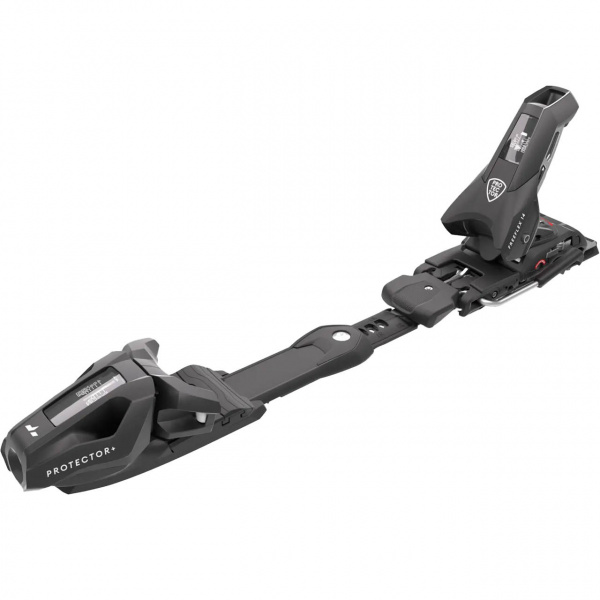
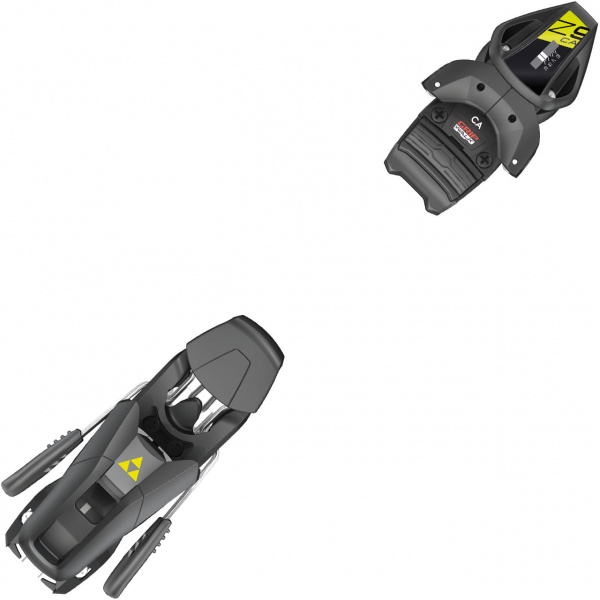
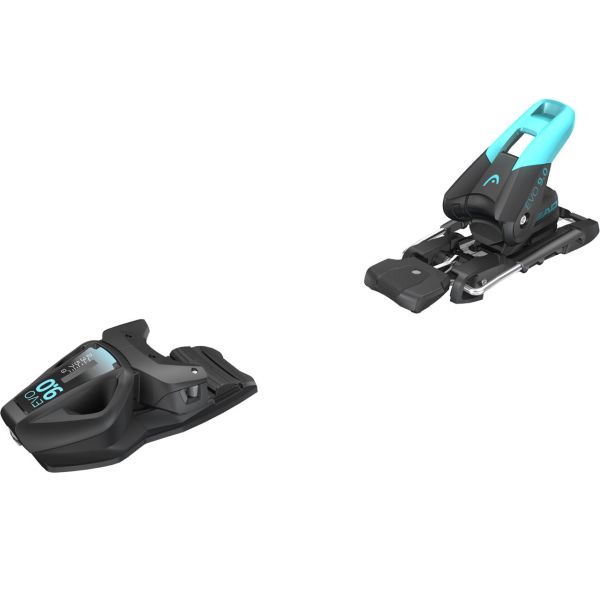
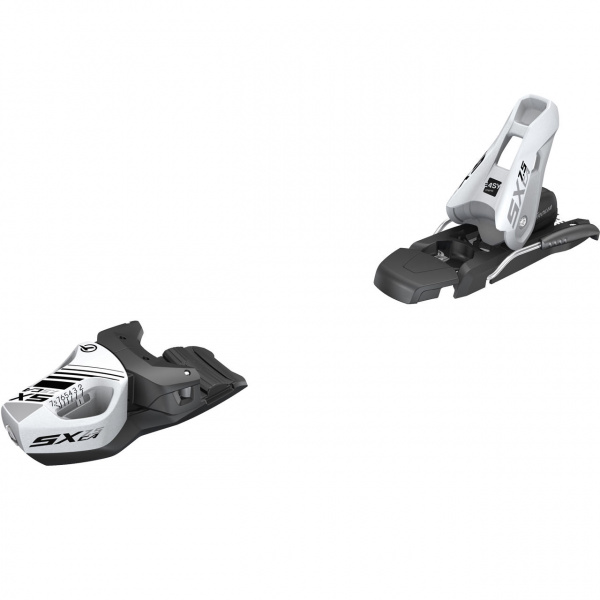
Racing ski bindings without FIS standard - performance for training and recreational racing
Not every racer needs a strictly FIS-certified binding. With non-FIS standard racing ski bindings from XSPO, you get sporty bindings that offer high stability, precise power transmission and flexible adjustment options - ideal for training, club races and recreational sports.
Purpose, areas of application and requirements
Racing ski bindings without FIS standards are aimed at ambitious skiers who train in a club environment, take part in hobby races or want to enjoy the racing feeling on the piste. They offer
Important properties, technical features and differences
| All-round race binding | 3 - 15 | approx. 850 g | Precise lateral and vertical release | Aluminum construction | Lightweight design, versatile in use | Less robust at very high forces |
| Kids & offspring | 2 - 10 | approx. 780 g | Finely graduated triggering | Plastic-metal mix | Extremely variable for different rider weights | Lower durability |
| Speed Edition | 5 - 18 | approx. 900 g | Higher reverse and side release | Steel-reinforced aluminum | Very stable at high speeds | slightly more weight |
| Carving-Pro | 4 - 14 | approx. 820 g | Reduced release travel, direct grip | Carbon reinforcement | precise edge feel, fast reactions | not approved for FIS races |
How to find the right racing ski binding without FIS standard
- Analyze use
Decide whether you want to use the binding mainly for training, hobby racing or carving. - Determine the Din value
Calculate your optimum release value based on your Bodyweight, Driving skills and planned conditions of use. Have your bindings adjusted accordingly by an expert at a specialist retailer. - Check material requirements
Lightweight aluminum models save weight, steel and carbon reinforcements increase stability. - Weigh up weight vs. robustness
Lighter bindings make handling easier, more robust designs offer more safety in tough conditions. - Ensure variability
Make sure the Din value is easy to change, especially if several riders use the binding.
Thanks to our passion for winter sports and the extensive range at XSPO, you'll find the ideal binding in no time at all - for unadulterated skiing fun and maximum performance.
Frequently asked questions about racing ski bindings without FIS standard
- What advantages do race ski bindings without FIS standard offer?
They are lighter, can be adjusted more flexibly and are often cheaper than FIS-certified models. - Can I use a racing ski binding without FIS standard in club training?
Yes, it is ideal for training and hobby races without the need for a license. - How do I find the correct Din value for non-FIS bindings?
Use a Din table and take weight, driving skills and area of use into account, preferably together with an expert from a specialist dealer. - Are race ski bindings without FIS standard less safe?
No, they offer high-quality release mechanisms and meet general safety standards. - Can these bindings be easily remounted?
Most models offer easy disassembly and assembly in the ski tool. - Which material should I choose for non-FIS bindings?
Aluminum for low weight, steel or carbon for greater stability. - Can I equip several skiers with one binding without FIS standard?
Yes, the variably adjustable Din range makes it ideal for various rider profiles. - How do I maintain a racing ski binding without FIS standard?
Clean regularly, check release values and check screws for tightness.
Racing ski bindings without FIS standard - performance for training and recreational racing
Not every racer needs a strictly FIS-certified binding. With non-FIS standard racing ski bindings from XSPO, you get sporty bindings that offer high stability, precise power transmission and flexible adjustment options - ideal for training, club races and recreational sports.
Purpose, areas of application and requirements
Racing ski bindings without FIS standards are aimed at ambitious skiers who train in a club environment, take part in hobby races or want to enjoy the racing feeling on the piste. They offer
Important properties, technical features and differences
| All-round race binding | 3 - 15 | approx. 850 g | Precise lateral and vertical release | Aluminum construction | Lightweight design, versatile in use | Less robust at very high forces |
| Kids & offspring | 2 - 10 | approx. 780 g | Finely graduated triggering | Plastic-metal mix | Extremely variable for different rider weights | Lower durability |
| Speed Edition | 5 - 18 | approx. 900 g | Higher reverse and side release | Steel-reinforced aluminum | Very stable at high speeds | slightly more weight |
| Carving-Pro | 4 - 14 | approx. 820 g | Reduced release travel, direct grip | Carbon reinforcement | precise edge feel, fast reactions | not approved for FIS races |
How to find the right racing ski binding without FIS standard
- Analyze use
Decide whether you want to use the binding mainly for training, hobby racing or carving. - Determine the Din value
Calculate your optimum release value based on your Bodyweight, Driving skills and planned conditions of use. Have your bindings adjusted accordingly by an expert at a specialist retailer. - Check material requirements
Lightweight aluminum models save weight, steel and carbon reinforcements increase stability. - Weigh up weight vs. robustness
Lighter bindings make handling easier, more robust designs offer more safety in tough conditions. - Ensure variability
Make sure the Din value is easy to change, especially if several riders use the binding.
Thanks to our passion for winter sports and the extensive range at XSPO, you'll find the ideal binding in no time at all - for unadulterated skiing fun and maximum performance.
Frequently asked questions about racing ski bindings without FIS standard
- What advantages do race ski bindings without FIS standard offer?
They are lighter, can be adjusted more flexibly and are often cheaper than FIS-certified models. - Can I use a racing ski binding without FIS standard in club training?
Yes, it is ideal for training and hobby races without the need for a license. - How do I find the correct Din value for non-FIS bindings?
Use a Din table and take weight, driving skills and area of use into account, preferably together with an expert from a specialist dealer. - Are race ski bindings without FIS standard less safe?
No, they offer high-quality release mechanisms and meet general safety standards. - Can these bindings be easily remounted?
Most models offer easy disassembly and assembly in the ski tool. - Which material should I choose for non-FIS bindings?
Aluminum for low weight, steel or carbon for greater stability. - Can I equip several skiers with one binding without FIS standard?
Yes, the variably adjustable Din range makes it ideal for various rider profiles. - How do I maintain a racing ski binding without FIS standard?
Clean regularly, check release values and check screws for tightness.