

'%3e%3cpath%20id='Vector'%20d='M4.83105%200.720662C4.60547%200.17574%204.01074%20-0.114299%203.44238%200.0409743L0.864258%200.744099C0.354492%200.884724%200%201.34761%200%201.87496C0%209.123%205.87695%2015%2013.125%2015C13.6523%2015%2014.1152%2014.6455%2014.2559%2014.1357L14.959%2011.5576C15.1143%2010.9892%2014.8242%2010.3945%2014.2793%2010.1689L11.4668%208.99703C10.9893%208.79781%2010.4355%208.93551%2010.1104%209.33687L8.92676%2010.7812C6.86426%209.80562%205.19434%208.1357%204.21875%206.0732L5.66309%204.89254C6.06445%204.56441%206.20215%204.01363%206.00293%203.53609L4.83105%200.723592V0.720662Z'%20fill='white'/%3e%3c/g%3e%3cdefs%3e%3cclipPath%20id='clip0_4_624'%3e%3crect%20width='15'%20height='15'%20fill='white'/%3e%3c/clipPath%3e%3c/defs%3e%3c/svg%3e)
'%3e%3cpath%20id='Vector'%20d='M17.74%2030.5L16%2029.5L20%2022.5H26C26.5304%2022.5%2027.0391%2022.2893%2027.4142%2021.9142C27.7893%2021.5391%2028%2021.0304%2028%2020.5V8.5C28%207.96957%2027.7893%207.46086%2027.4142%207.08579C27.0391%206.71071%2026.5304%206.5%2026%206.5H6C5.46957%206.5%204.96086%206.71071%204.58579%207.08579C4.21071%207.46086%204%207.96957%204%208.5V20.5C4%2021.0304%204.21071%2021.5391%204.58579%2021.9142C4.96086%2022.2893%205.46957%2022.5%206%2022.5H15V24.5H6C4.93913%2024.5%203.92172%2024.0786%203.17157%2023.3284C2.42143%2022.5783%202%2021.5609%202%2020.5V8.5C2%207.43913%202.42143%206.42172%203.17157%205.67157C3.92172%204.92143%204.93913%204.5%206%204.5H26C27.0609%204.5%2028.0783%204.92143%2028.8284%205.67157C29.5786%206.42172%2030%207.43913%2030%208.5V20.5C30%2021.5609%2029.5786%2022.5783%2028.8284%2023.3284C28.0783%2024.0786%2027.0609%2024.5%2026%2024.5H21.16L17.74%2030.5Z'%20fill='white'/%3e%3cpath%20id='Vector_2'%20d='M24%2010.5H8V12.5H24V10.5Z'%20fill='white'/%3e%3cpath%20id='Vector_3'%20d='M18%2016.5H8V18.5H18V16.5Z'%20fill='white'/%3e%3c/g%3e%3cdefs%3e%3cclipPath%20id='clip0_4_634'%3e%3crect%20width='32'%20height='32'%20fill='white'%20transform='translate(0%200.5)'/%3e%3c/clipPath%3e%3c/defs%3e%3c/svg%3e)


Children's ski / Youth ski


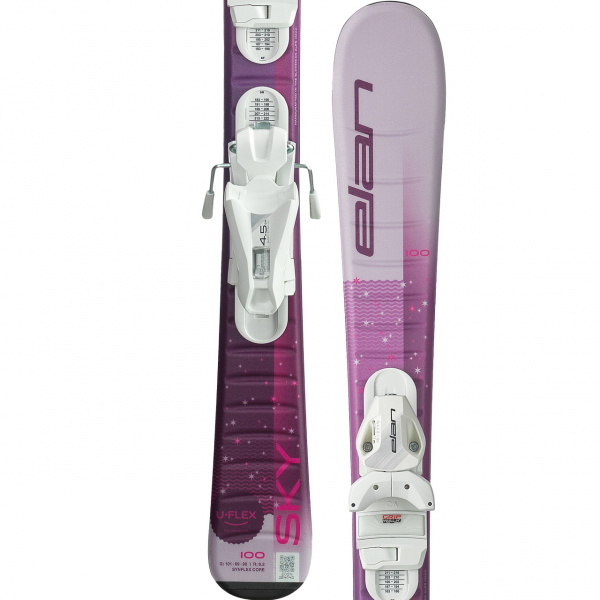
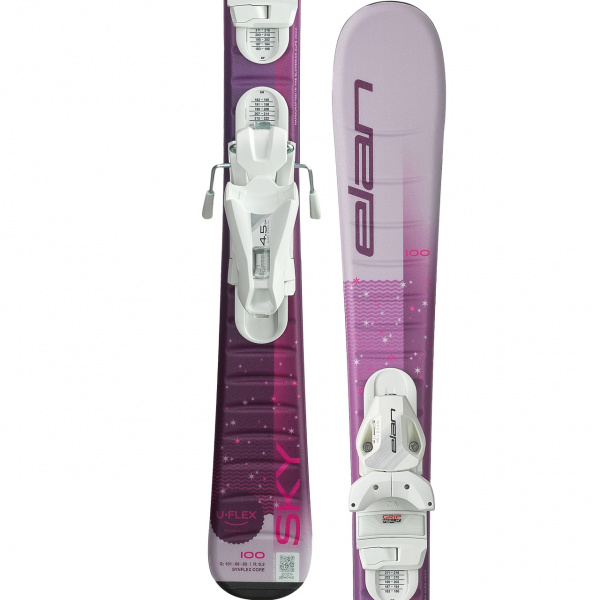
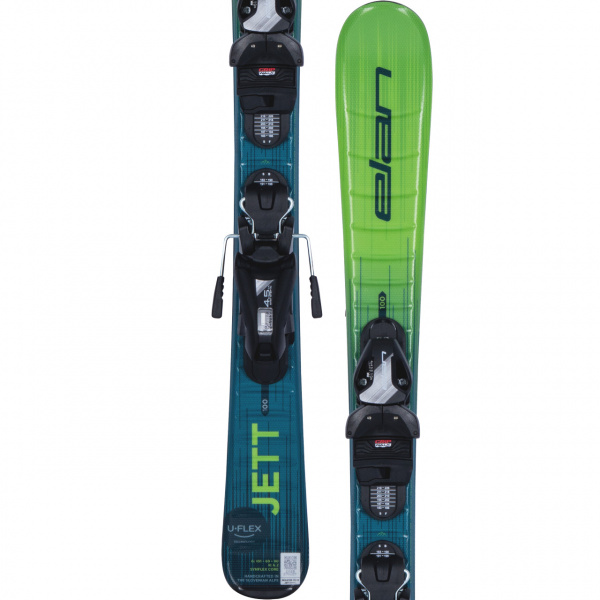


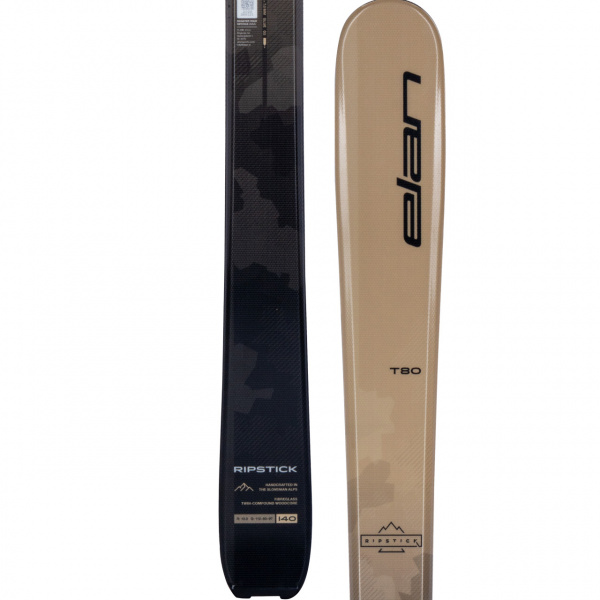


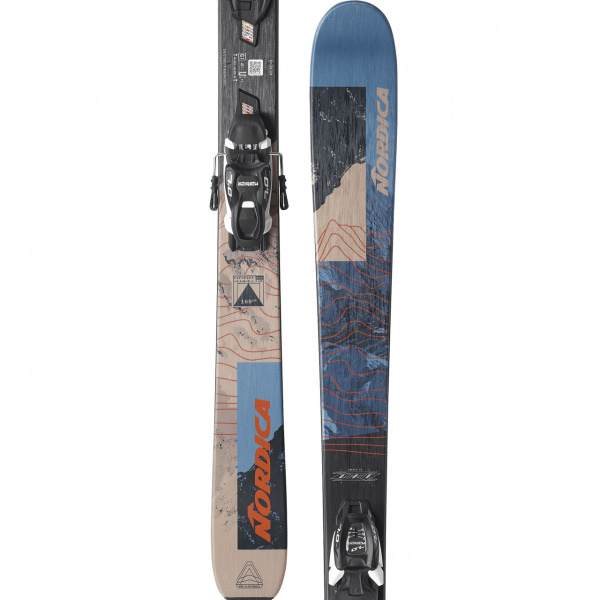
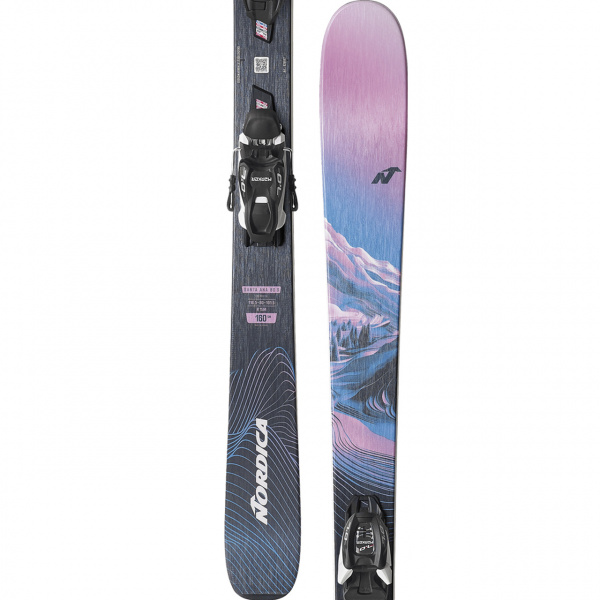
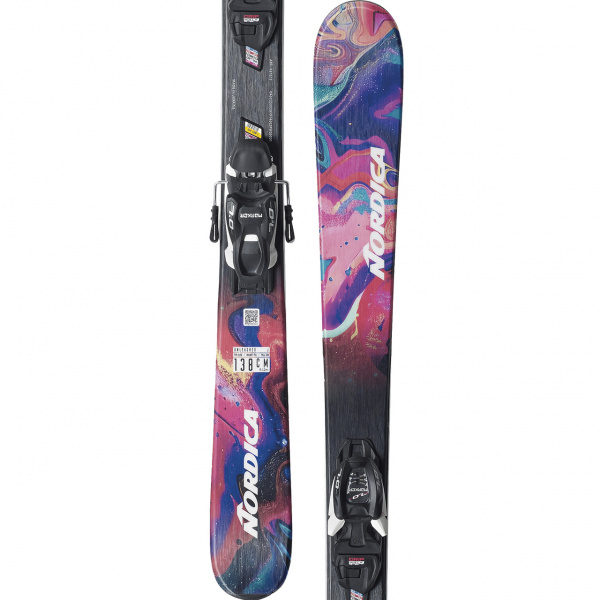

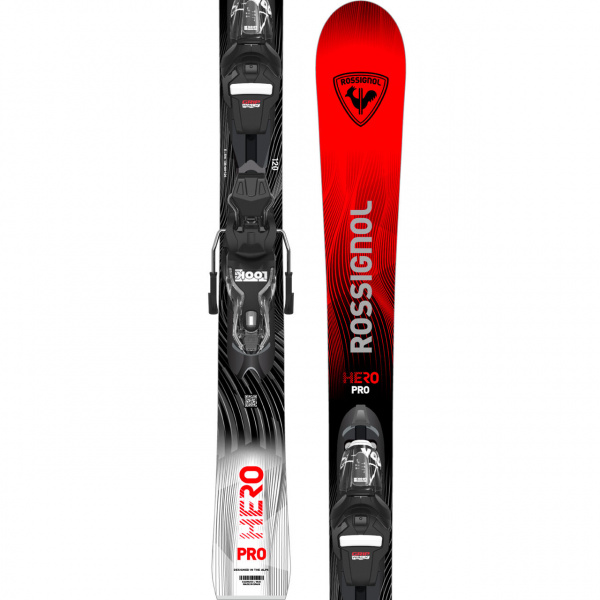
23 of 67 Products shown
Kids' skis and youth skis - perfect companions for young piste fans
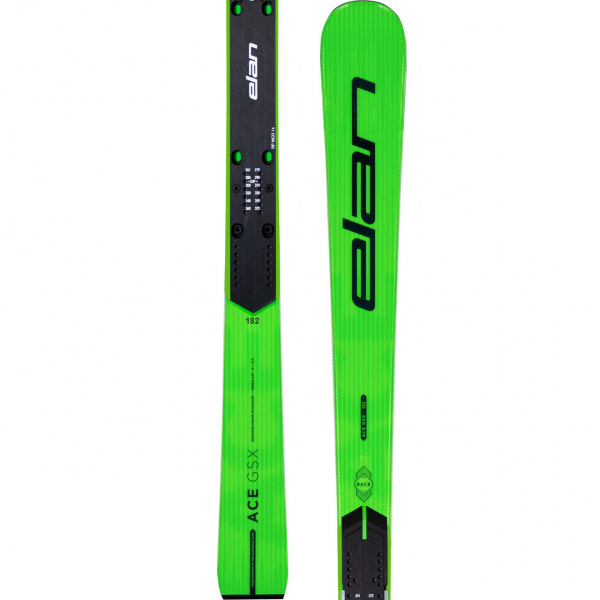
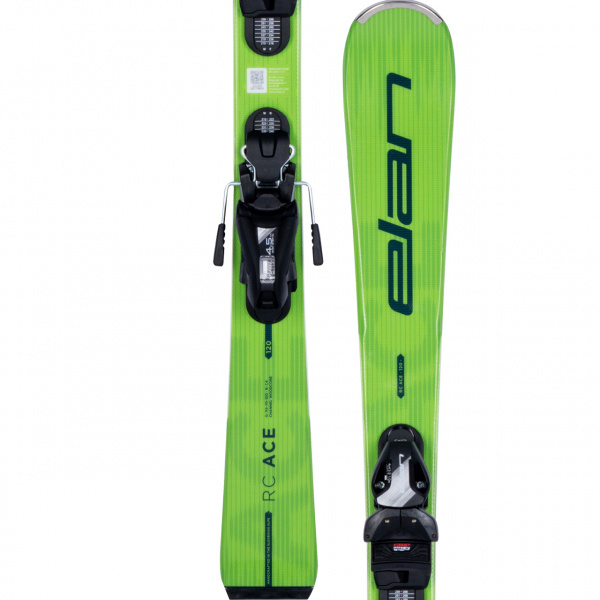
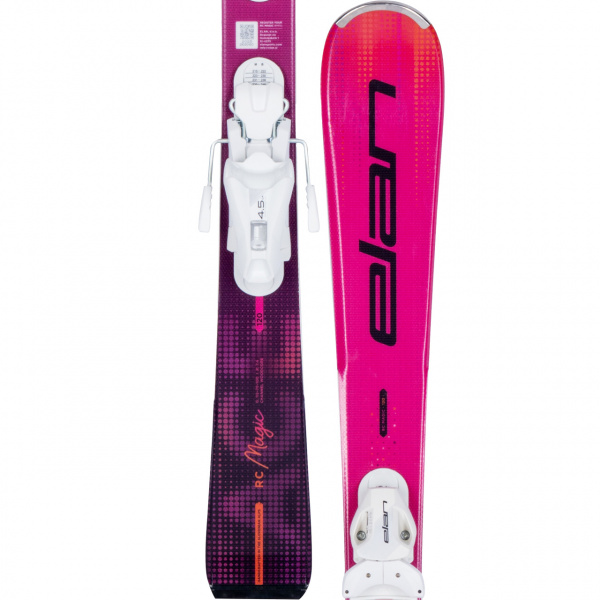
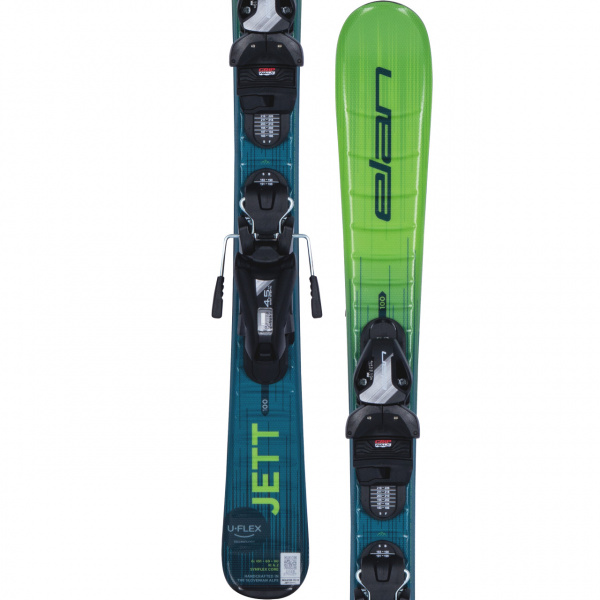
Children's skis and youth skis are specially adapted to the size, weight and skiing style of young winter sports enthusiasts. They give young skiers confidence, make their first turns easier and ensure fun on every descent. At XSPO you will find a large selection of models that are tailored to the age and ability of your child - from the first attempts at skiing to ambitious young skiers.
Scopo, ambiti di applicazione e requisiti
Children's and youth skis help children and young people move safely on the slopes and improve their technique in a fun way.
- For beginners: short, easy-turning skis that are forgiving and require less effort.
- For advanced riders: body-size models that offer a smoother ride and remain stable even at higher speeds.
- For versatile skiers: all-mountain skis that feel at home both on the piste and in easy terrain.
It is always important that bindings and ski boots fit perfectly and that the ski is neither too long nor too heavy.
Features, designs and differences
| Lange | Chest to chin height | Body height up to +5 cm |
| Weight recommendation | up to approximately 55 kg | up to approx. 160 cm tall, above that mostly adult skis |
| Driving behaviour | Easy to turn, forgiving | stable, spurtreu |
| Waisted | stronger for easy cornering | Variable, adapted to driving style |
| Field of application | groomed pistes, learning technique | Piste, partly off-piste |
| types of skis | Carving skis with a small radius | Carving or all-mountain |
| Advantages | Fast learning success, high level of safety | More speed, versatile use |
| Possible disadvantages | less stable at very high speed | requires more technique and strength |
Carving vs. all-mountain for children's skis
- Carving skis: narrower in the centre, easy to steer, ideal for beginners on the slopes
- All-mountain skis: wider centre, more flotation in deep snow, flexible range of use
The way to the right children's ski or youth ski
- Measure your height and weight: A basic requirement for the right ski length.
- Select length: Beginners chest to chin height, advanced body height up to +5 cm.
- Assess your skiing ability: Beginners benefit from manoeuvrable, lightweight skis, experts from more stable models.
- Select ski type: Carving for piste, all-mountain for versatile use.
- Check binding: Must fit the ski boots exactly.
- Do not let them "grow in": Skis that are too long reduce safety and learning progress.
- Consider additional equipment: Suitable ski boots, helmet and clothing are the perfect complement to your equipment.
With XSPO, you get customised children's skis and youth skis, tailored to ability and age, as well as the right equipment - for safety and fun from the very first turn.
Frequently asked questions about children's and youth skis
- At what age do children's skis make sense?
From around 3 years of age, children can gain their first experience with light, short skis. - How long should children's skis be?
For beginners chest to chin height, for advanced up to body height, for very experienced young people up to +5 cm. - Should you buy children's skis to "grow into"?
No, skis that are too long make skiing more difficult and increase the risk of injury. - What is the advantage of carving children's skis?
They forgive mistakes, require less power and make it easier to learn the cornering technique. - When are all-mountain skis useful for children?
If the child skis both on the piste and occasionally off-piste. - How heavy can children's skis be?
The weight should suit the child so that they can easily control the skis. - Which bindings are suitable for children's skis?
A binding that is adapted to the weight of the child and the sole length of the ski boot. - When should you switch to adult skis?
At the latest from 160 cm height or over 55 kg body weight. - Are youth skis also suitable for adults?
Only to a limited extent - they are designed for different weight and force ratios. - Brauchen Kinder besondere Skischuhe?
Yes, they have to be lighter, smaller and optimised for the ski.
Kids' skis and youth skis - perfect companions for young piste fans
Children's skis and youth skis are specially adapted to the size, weight and skiing style of young winter sports enthusiasts. They give young skiers confidence, make their first turns easier and ensure fun on every descent. At XSPO you will find a large selection of models that are tailored to the age and ability of your child - from the first attempts at skiing to ambitious young skiers.
Scopo, ambiti di applicazione e requisiti
Children's and youth skis help children and young people move safely on the slopes and improve their technique in a fun way.
- For beginners: short, easy-turning skis that are forgiving and require less effort.
- For advanced riders: body-size models that offer a smoother ride and remain stable even at higher speeds.
- For versatile skiers: all-mountain skis that feel at home both on the piste and in easy terrain.
It is always important that bindings and ski boots fit perfectly and that the ski is neither too long nor too heavy.
Features, designs and differences
| Lange | Chest to chin height | Body height up to +5 cm |
| Weight recommendation | up to approximately 55 kg | up to approx. 160 cm tall, above that mostly adult skis |
| Driving behaviour | Easy to turn, forgiving | stable, spurtreu |
| Waisted | stronger for easy cornering | Variable, adapted to driving style |
| Field of application | groomed pistes, learning technique | Piste, partly off-piste |
| types of skis | Carving skis with a small radius | Carving or all-mountain |
| Advantages | Fast learning success, high level of safety | More speed, versatile use |
| Possible disadvantages | less stable at very high speed | requires more technique and strength |
Carving vs. all-mountain for children's skis
- Carving skis: narrower in the centre, easy to steer, ideal for beginners on the slopes
- All-mountain skis: wider centre, more flotation in deep snow, flexible range of use
The way to the right children's ski or youth ski
- Measure your height and weight: A basic requirement for the right ski length.
- Select length: Beginners chest to chin height, advanced body height up to +5 cm.
- Assess your skiing ability: Beginners benefit from manoeuvrable, lightweight skis, experts from more stable models.
- Select ski type: Carving for piste, all-mountain for versatile use.
- Check binding: Must fit the ski boots exactly.
- Do not let them "grow in": Skis that are too long reduce safety and learning progress.
- Consider additional equipment: Suitable ski boots, helmet and clothing are the perfect complement to your equipment.
With XSPO, you get customised children's skis and youth skis, tailored to ability and age, as well as the right equipment - for safety and fun from the very first turn.
Frequently asked questions about children's and youth skis
- At what age do children's skis make sense?
From around 3 years of age, children can gain their first experience with light, short skis. - How long should children's skis be?
For beginners chest to chin height, for advanced up to body height, for very experienced young people up to +5 cm. - Should you buy children's skis to "grow into"?
No, skis that are too long make skiing more difficult and increase the risk of injury. - What is the advantage of carving children's skis?
They forgive mistakes, require less power and make it easier to learn the cornering technique. - When are all-mountain skis useful for children?
If the child skis both on the piste and occasionally off-piste. - How heavy can children's skis be?
The weight should suit the child so that they can easily control the skis. - Which bindings are suitable for children's skis?
A binding that is adapted to the weight of the child and the sole length of the ski boot. - When should you switch to adult skis?
At the latest from 160 cm height or over 55 kg body weight. - Are youth skis also suitable for adults?
Only to a limited extent - they are designed for different weight and force ratios. - Brauchen Kinder besondere Skischuhe?
Yes, they have to be lighter, smaller and optimised for the ski.