













22 of 254 Products shown
Ski Shirts for Women and Men: Performance and Comfort on the Slopes
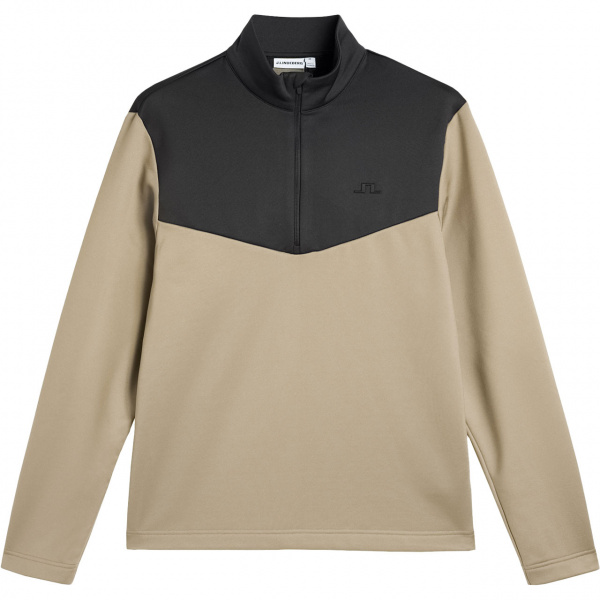
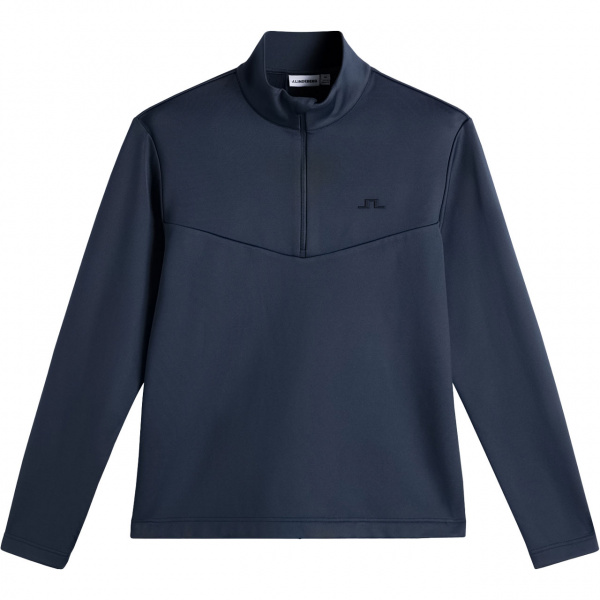
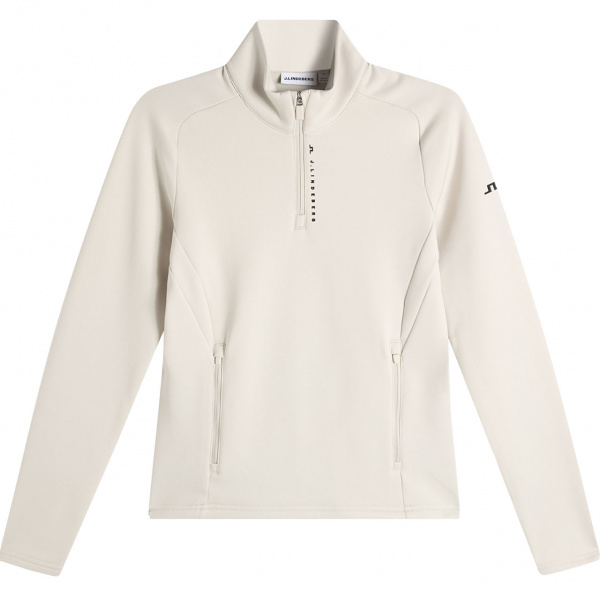
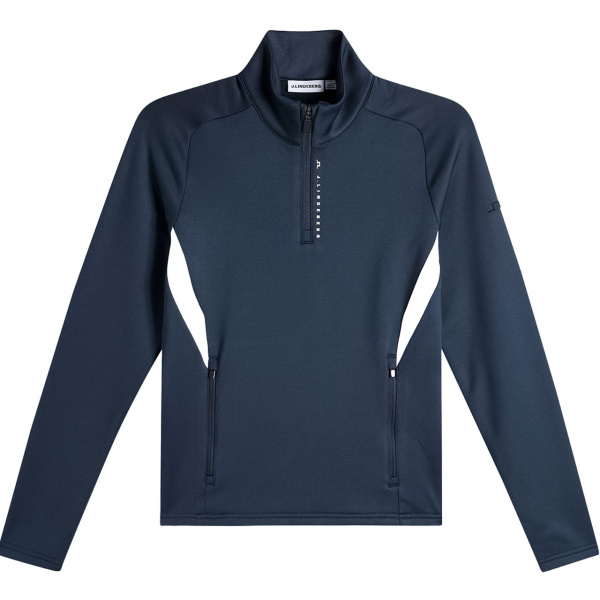
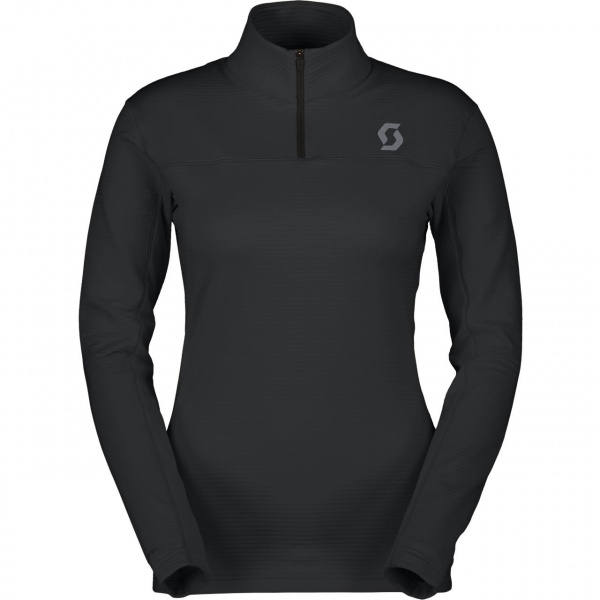
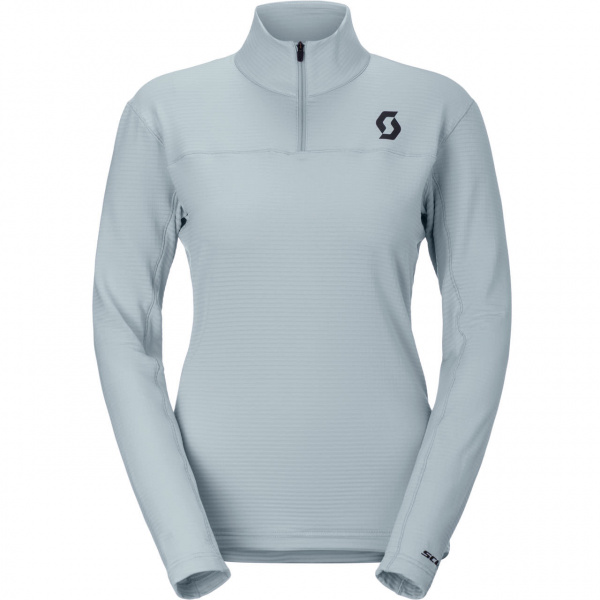
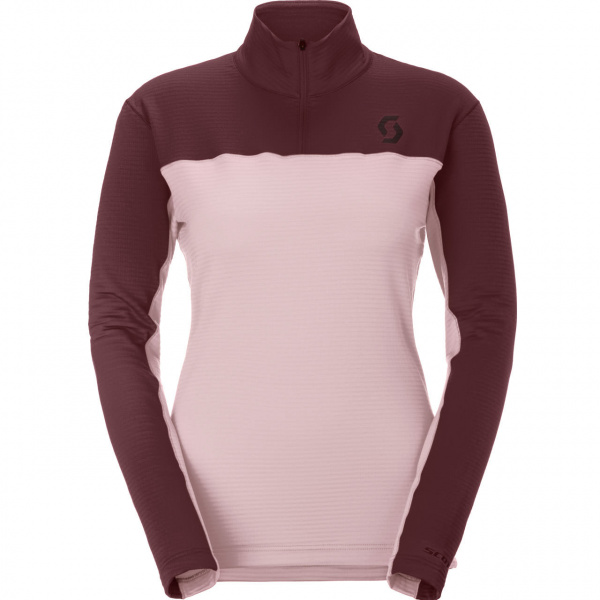
You work up a sweat on the run, but it suddenly gets cold on the chairlift. This is exactly where you see what a good ski shirt needs to do: wick moisture away from the skin, fit comfortably, and—depending on the design—provide extra warmth. At XSPO, you’ll find high-quality ski shirts for men and women, including styles from Toni Sailer. Whether it’s a lightweight performance shirt or a warmer ski shirt with a stand-up collar, the important thing is that it suits your skiing style and the rest of your Ski Wear.
What exactly is a ski shirt? A ski shirt is a functional top designed for winter sports. Unlike a regular casual shirt, it is designed for movement, moisture-wicking, and wearing under a ski jacket. Many styles feature stretchy materials, long sleeves, and a short zipper at the collar. Depending on the fabric thickness, they serve as either a base layer or a mid-layer.
What is the purpose of a ski shirt when skiing?
A ski shirt must be able to handle the temperature fluctuations on the slopes. During an energetic descent, the body generates heat and sweat. When waiting at the lift or during the ride up the mountain, physical exertion stops, and damp clothing can cause an unpleasant chill. That’s why it’s not just about how warm a ski shirt is. How well it manages moisture is just as important.
This is where the layering principle comes into play. Instead of a single thick layer of clothing, you combine several layers that serve different purposes:
- Base layer: The first layer sits directly against the skin. It absorbs sweat and wicks it away within the fabric so that moisture can evaporate more easily.
- Midlayer: The middle layer keeps you warm by trapping air. At the same time, it should be able to wick moisture away.
- Outer layer: The ski jacket protects against wind, snow, and moisture. Depending on the model, it also provides some thermal insulation.
A thin, form-fitting ski shirt can be worn directly against the skin. A slightly thicker model with a brushed inner surface is often better suited as a lightweight midlayer over technical underwear. In mild temperatures, a technical shirt is sometimes enough under a well-fitting ski jacket. On cold days or during longer breaks, an additional insulating layer is recommended.
Note: If you exercise vigorously and sweat easily, you’ll need, above all, good moisture-wicking properties. If you take frequent breaks or get cold easily, you should focus more on thermal insulation. A single outfit rarely works for all weather conditions.
What materials make for a good ski shirt?
Polyester, polyamide, and spandex are among the typical materials used in functional ski shirts. Merino wool is also used in winter sports apparel. The fibers differ in terms of moisture absorption, drying time, elasticity, and odor retention. However, the material composition alone doesn’t tell the whole story about a shirt. The fabric structure, thickness, and construction also make a noticeable difference.
| Polyester | It absorbs little moisture into the fiber, often dries quickly, and is easy to care for. | Odor development and comfort vary depending on the manufacturing process. |
| polyamide | Durable, abrasion-resistant, and often pleasantly smooth against the skin. | Moisture transport depends heavily on the fabric construction. |
| spandex | Provides stretch and ensures a snug fit. | It is usually combined with other fibers and does not determine thermal performance on its own. |
| Merino wool | It can absorb moisture into the fiber, balances out fluctuations in humidity, and develops odors relatively slowly. | It sometimes requires gentler care and often dries more slowly than lightweight synthetic fabrics. |
| Brushed interior | It can trap additional air, thereby providing better insulation. | May be too warm during intense physical activity. |
| Half-zip and stand-up collar | They provide additional ventilation and cover the neck area. | The collar and zipper should not pinch or chafe. |
What do "breathability" and "moisture-wicking" mean?
The two terms are often used interchangeably, but they describe different processes. Breathability refers to a fabric’s ability to allow water vapor to pass through it. Moisture-wicking, on the other hand, refers to the transport of liquid sweat within the fabric—for example, from the skin to the outer surface of the fabric.
Both of these properties are important for a ski shirt. If too much moisture remains directly on the skin, the clothing can feel cold during a break. A performance shirt should therefore not simply absorb as much sweat as possible, but rather distribute it and help it dry.
Is a thicker ski shirt automatically warmer?
No. While a thicker fabric can trap more insulating air, the fabric’s structure and fit also play a role. A lightweight ski shirt paired with a suitable additional layer can be more versatile than a single, very thick garment—especially when the weather and physical exertion change throughout the day on the slopes.
How do you find the right ski shirt?
A good ski shirt doesn't have to have as many technical features as possible. Above all, it needs to be suited to your specific use. These six points will help you choose:
- Think about how active you are. If you do a lot of fast downhill runs or tend to sweat a lot in general, you're usually better off with a lightweight, moisture-wicking shirt. On leisurely days on the slopes with longer breaks between runs, a warmer shirt may be more comfortable.
- Decide which layer should be used for the shirt. When worn directly against the skin, a snug fit and good moisture-wicking properties are important. When worn over ski underwear, the shirt can be a little looser and provide more insulation.
- Compare the materials. Synthetic fibers such as polyester and polyamide are often quick-drying and easy to care for. Merino wool can offer advantages when worn for extended periods. Spandex provides the necessary flexibility in many blended fabrics.
- Pay attention to the fit. A ski shirt shouldn't feel tight when you bend forward, turn, or stretch. Sleeves that are too tight or a back that’s too short will become uncomfortably noticeable, at the latest, when you assume the typical skiing posture. Women’s ski shirts are often more fitted at the waist, while men’s styles are usually cut straighter. However, the actual fit is always more important than this distinction.
- Check the collar and zipper. A half-zip is handy when you need a little more ventilation during strenuous descents. When zipped up, the stand-up collar covers your neck. Make sure the top of the zipper doesn't rub against your chin.
- Don't forget your ski jacket. You usually need less extra insulation under a warm, lined jacket than under a thin hardshell. If you coordinate your clothing, you can avoid wearing too many layers or layers that are too thick.
When it comes to high-quality ski shirts, it’s especially worth taking a close look at the details. At XSPO, you’ll find a selection of Ski Wear for a variety of needs, including premium ski shirts from Toni Sailer. We’re avid winter sports enthusiasts ourselves and know that a shirt has to look good more than just on a hanger. As a family-run specialty retailer, we prioritize quality and personalized advice to ensure that the material, fit, and intended use all come together perfectly.