

'%3e%3cpath%20id='Vector'%20d='M4.83105%200.720662C4.60547%200.17574%204.01074%20-0.114299%203.44238%200.0409743L0.864258%200.744099C0.354492%200.884724%200%201.34761%200%201.87496C0%209.123%205.87695%2015%2013.125%2015C13.6523%2015%2014.1152%2014.6455%2014.2559%2014.1357L14.959%2011.5576C15.1143%2010.9892%2014.8242%2010.3945%2014.2793%2010.1689L11.4668%208.99703C10.9893%208.79781%2010.4355%208.93551%2010.1104%209.33687L8.92676%2010.7812C6.86426%209.80562%205.19434%208.1357%204.21875%206.0732L5.66309%204.89254C6.06445%204.56441%206.20215%204.01363%206.00293%203.53609L4.83105%200.723592V0.720662Z'%20fill='white'/%3e%3c/g%3e%3cdefs%3e%3cclipPath%20id='clip0_4_624'%3e%3crect%20width='15'%20height='15'%20fill='white'/%3e%3c/clipPath%3e%3c/defs%3e%3c/svg%3e)
'%3e%3cpath%20id='Vector'%20d='M17.74%2030.5L16%2029.5L20%2022.5H26C26.5304%2022.5%2027.0391%2022.2893%2027.4142%2021.9142C27.7893%2021.5391%2028%2021.0304%2028%2020.5V8.5C28%207.96957%2027.7893%207.46086%2027.4142%207.08579C27.0391%206.71071%2026.5304%206.5%2026%206.5H6C5.46957%206.5%204.96086%206.71071%204.58579%207.08579C4.21071%207.46086%204%207.96957%204%208.5V20.5C4%2021.0304%204.21071%2021.5391%204.58579%2021.9142C4.96086%2022.2893%205.46957%2022.5%206%2022.5H15V24.5H6C4.93913%2024.5%203.92172%2024.0786%203.17157%2023.3284C2.42143%2022.5783%202%2021.5609%202%2020.5V8.5C2%207.43913%202.42143%206.42172%203.17157%205.67157C3.92172%204.92143%204.93913%204.5%206%204.5H26C27.0609%204.5%2028.0783%204.92143%2028.8284%205.67157C29.5786%206.42172%2030%207.43913%2030%208.5V20.5C30%2021.5609%2029.5786%2022.5783%2028.8284%2023.3284C28.0783%2024.0786%2027.0609%2024.5%2026%2024.5H21.16L17.74%2030.5Z'%20fill='white'/%3e%3cpath%20id='Vector_2'%20d='M24%2010.5H8V12.5H24V10.5Z'%20fill='white'/%3e%3cpath%20id='Vector_3'%20d='M18%2016.5H8V18.5H18V16.5Z'%20fill='white'/%3e%3c/g%3e%3cdefs%3e%3cclipPath%20id='clip0_4_634'%3e%3crect%20width='32'%20height='32'%20fill='white'%20transform='translate(0%200.5)'/%3e%3c/clipPath%3e%3c/defs%3e%3c/svg%3e)









24 of 54 Products shown
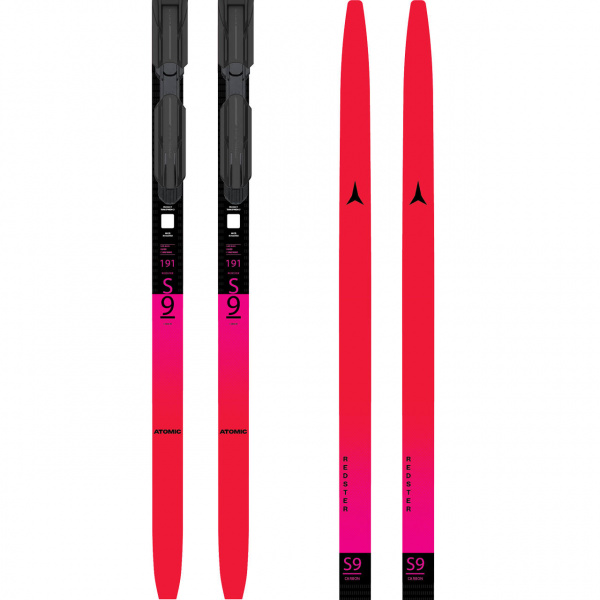
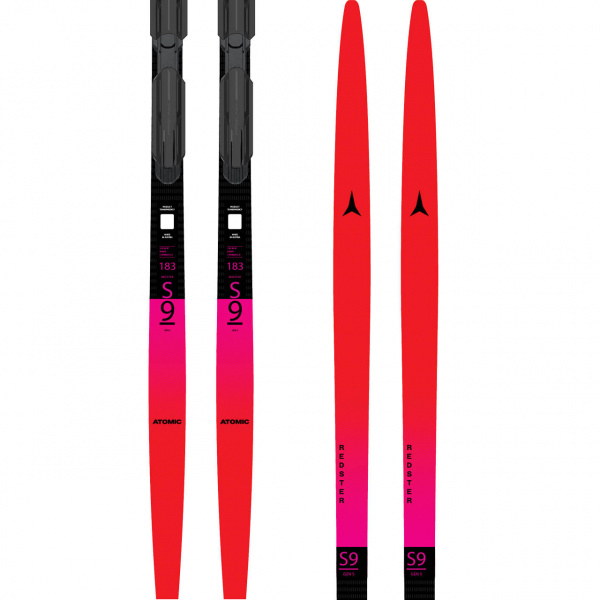
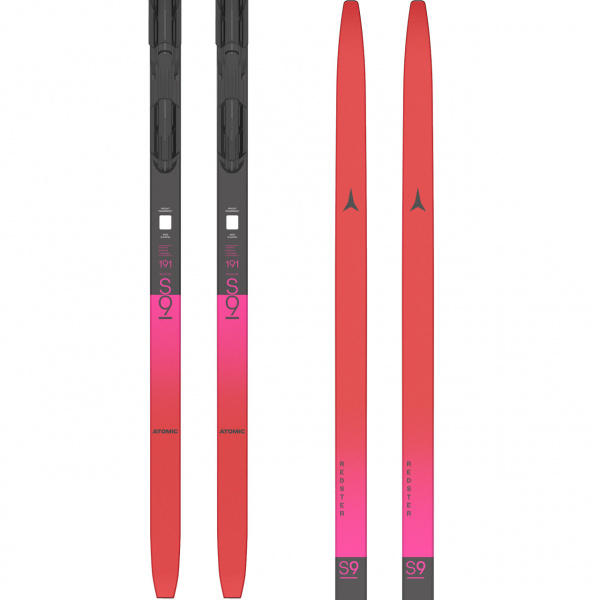
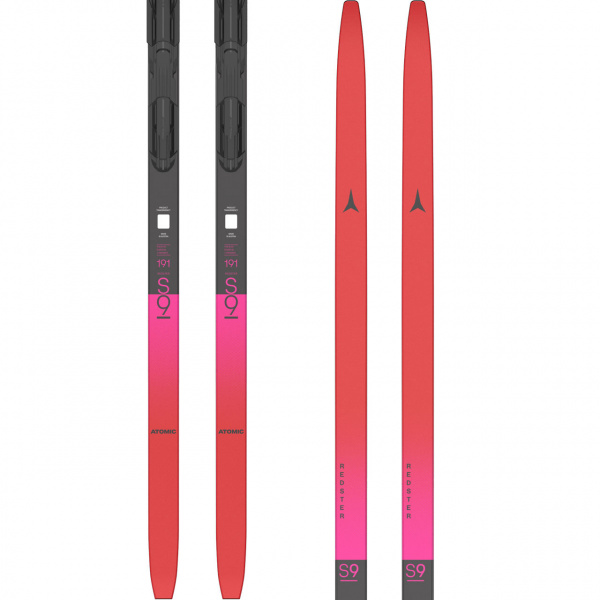
Cross-country skating skis - speed, precision and maximum gliding performance
With the right skating cross-country skis from XSPO, you can reach top speeds on the trail and enjoy an energy-efficient skiing experience. Thanks to optimised camber and torsionally rigid construction, these skis are your ideal equipment for dynamic training and ambitious races.
Purpose and areas of application
Skating cross-country skis are perfect for anyone who wants to combine speed and technique. On wide, groomed trails, they enable fast propulsion and fluid movement. Whether intensive training, interval runs or competition simulation - with the right skating skis, you can get the most out of every step.
Important properties and technical features
| Preload | Medium soft for stability | Hard for direct power transmission |
| Material core | Composite or wood core | Carbon or honeycomb core |
| Surface | Universal surface | Racing surface |
| Ski width | 45–48 mm | 42–45 mm |
| Torsional rigidity | Medium | High |
| Maintenance effort | Low (little wax required) | High (precise wax cycles) |
| Field of application | Technical training, fitness | Competition, speed training |
How do I find the right skating cross-country skis?
- Skiing ability and body weight determine
Light cross-country skiers tend to choose softer skis for flexibility and stability, while heavy or experienced athletes prefer harder skis for immediate power transmission - Select length and profile
Skis should be about 5-10 cm taller than your body. Shorter skis offer manoeuvrability, longer skis offer better gliding performance - Weigh up the type of surface
Universal surface: versatile, good compromise in changing conditions, racing surface: maximum gliding performance, but requires time-consuming maintenance and waxing - Compare material and weight
Wood or composite core: comfortable, cushioned barrel, carbon or honeycomb core: particularly light and responsive - Test and benefit from personal advice
Try out different models at a hire or event. Let us at XSPO advise you individually to find your ideal setup
As a family-run supplier, we at XSPO not only offer tested brands and personalised advice, but also first-hand passion for winter sports. So you can find your perfect skating cross-country skis and get the best out of every training session.
Frequently asked questions about cross-country skating skis
- What characterises a skating cross-country ski?
Skating skis have no climbing zone, are narrower and torsionally stiff in order to optimally convert lateral push-off movements into propulsion. - What pretension is best for cross-country skating skis?
Beginners choose medium-soft preload for stability, professionals hard preload for direct power transmission. - How long should cross-country skating skis be?
Usually 5-10 cm longer than your height, depending on manoeuvrability and gliding requirements. - When is a universal surface worthwhile vs. a racing surface?
Universal surface is versatile and less maintenance-intensive, racing surface offers top performance for competitions. - What materials are used for skating skis?
Composite and wood core for comfort; carbon or honeycomb core for light weight and precision. - How do I properly care for skating cross-country skis?
Universal base with standard wax, racing base with specific waxes and fine structuring. - Who are cross-country skating skis suitable for?
For all those who want to speed up on prepared trails, improve their technique and compete in races. - How does skating differ from classic cross-country skiing?
In skating, propulsion is generated by lateral push-off movements instead of by pushing off in a climbing zone. - Can I also use skating skis on untracked trails?
They are primarily designed for groomed trails, but lack grip in deep snow without a climbing zone. - What role does torsional rigidity play?
High torsional rigidity ensures precise power transmission and reduces lateral deflection.
Cross-country skating skis - speed, precision and maximum gliding performance
With the right skating cross-country skis from XSPO, you can reach top speeds on the trail and enjoy an energy-efficient skiing experience. Thanks to optimised camber and torsionally rigid construction, these skis are your ideal equipment for dynamic training and ambitious races.
Purpose and areas of application
Skating cross-country skis are perfect for anyone who wants to combine speed and technique. On wide, groomed trails, they enable fast propulsion and fluid movement. Whether intensive training, interval runs or competition simulation - with the right skating skis, you can get the most out of every step.
Important properties and technical features
| Preload | Medium soft for stability | Hard for direct power transmission |
| Material core | Composite or wood core | Carbon or honeycomb core |
| Surface | Universal surface | Racing surface |
| Ski width | 45–48 mm | 42–45 mm |
| Torsional rigidity | Medium | High |
| Maintenance effort | Low (little wax required) | High (precise wax cycles) |
| Field of application | Technical training, fitness | Competition, speed training |
How do I find the right skating cross-country skis?
- Skiing ability and body weight determine
Light cross-country skiers tend to choose softer skis for flexibility and stability, while heavy or experienced athletes prefer harder skis for immediate power transmission - Select length and profile
Skis should be about 5-10 cm taller than your body. Shorter skis offer manoeuvrability, longer skis offer better gliding performance - Weigh up the type of surface
Universal surface: versatile, good compromise in changing conditions, racing surface: maximum gliding performance, but requires time-consuming maintenance and waxing - Compare material and weight
Wood or composite core: comfortable, cushioned barrel, carbon or honeycomb core: particularly light and responsive - Test and benefit from personal advice
Try out different models at a hire or event. Let us at XSPO advise you individually to find your ideal setup
As a family-run supplier, we at XSPO not only offer tested brands and personalised advice, but also first-hand passion for winter sports. So you can find your perfect skating cross-country skis and get the best out of every training session.
Frequently asked questions about cross-country skating skis
- What characterises a skating cross-country ski?
Skating skis have no climbing zone, are narrower and torsionally stiff in order to optimally convert lateral push-off movements into propulsion. - What pretension is best for cross-country skating skis?
Beginners choose medium-soft preload for stability, professionals hard preload for direct power transmission. - How long should cross-country skating skis be?
Usually 5-10 cm longer than your height, depending on manoeuvrability and gliding requirements. - When is a universal surface worthwhile vs. a racing surface?
Universal surface is versatile and less maintenance-intensive, racing surface offers top performance for competitions. - What materials are used for skating skis?
Composite and wood core for comfort; carbon or honeycomb core for light weight and precision. - How do I properly care for skating cross-country skis?
Universal base with standard wax, racing base with specific waxes and fine structuring. - Who are cross-country skating skis suitable for?
For all those who want to speed up on prepared trails, improve their technique and compete in races. - How does skating differ from classic cross-country skiing?
In skating, propulsion is generated by lateral push-off movements instead of by pushing off in a climbing zone. - Can I also use skating skis on untracked trails?
They are primarily designed for groomed trails, but lack grip in deep snow without a climbing zone. - What role does torsional rigidity play?
High torsional rigidity ensures precise power transmission and reduces lateral deflection.