

'%3e%3cpath%20id='Vector'%20d='M4.83105%200.720662C4.60547%200.17574%204.01074%20-0.114299%203.44238%200.0409743L0.864258%200.744099C0.354492%200.884724%200%201.34761%200%201.87496C0%209.123%205.87695%2015%2013.125%2015C13.6523%2015%2014.1152%2014.6455%2014.2559%2014.1357L14.959%2011.5576C15.1143%2010.9892%2014.8242%2010.3945%2014.2793%2010.1689L11.4668%208.99703C10.9893%208.79781%2010.4355%208.93551%2010.1104%209.33687L8.92676%2010.7812C6.86426%209.80562%205.19434%208.1357%204.21875%206.0732L5.66309%204.89254C6.06445%204.56441%206.20215%204.01363%206.00293%203.53609L4.83105%200.723592V0.720662Z'%20fill='white'/%3e%3c/g%3e%3cdefs%3e%3cclipPath%20id='clip0_4_624'%3e%3crect%20width='15'%20height='15'%20fill='white'/%3e%3c/clipPath%3e%3c/defs%3e%3c/svg%3e)
'%3e%3cpath%20id='Vector'%20d='M17.74%2030.5L16%2029.5L20%2022.5H26C26.5304%2022.5%2027.0391%2022.2893%2027.4142%2021.9142C27.7893%2021.5391%2028%2021.0304%2028%2020.5V8.5C28%207.96957%2027.7893%207.46086%2027.4142%207.08579C27.0391%206.71071%2026.5304%206.5%2026%206.5H6C5.46957%206.5%204.96086%206.71071%204.58579%207.08579C4.21071%207.46086%204%207.96957%204%208.5V20.5C4%2021.0304%204.21071%2021.5391%204.58579%2021.9142C4.96086%2022.2893%205.46957%2022.5%206%2022.5H15V24.5H6C4.93913%2024.5%203.92172%2024.0786%203.17157%2023.3284C2.42143%2022.5783%202%2021.5609%202%2020.5V8.5C2%207.43913%202.42143%206.42172%203.17157%205.67157C3.92172%204.92143%204.93913%204.5%206%204.5H26C27.0609%204.5%2028.0783%204.92143%2028.8284%205.67157C29.5786%206.42172%2030%207.43913%2030%208.5V20.5C30%2021.5609%2029.5786%2022.5783%2028.8284%2023.3284C28.0783%2024.0786%2027.0609%2024.5%2026%2024.5H21.16L17.74%2030.5Z'%20fill='white'/%3e%3cpath%20id='Vector_2'%20d='M24%2010.5H8V12.5H24V10.5Z'%20fill='white'/%3e%3cpath%20id='Vector_3'%20d='M18%2016.5H8V18.5H18V16.5Z'%20fill='white'/%3e%3c/g%3e%3cdefs%3e%3cclipPath%20id='clip0_4_634'%3e%3crect%20width='32'%20height='32'%20fill='white'%20transform='translate(0%200.5)'/%3e%3c/clipPath%3e%3c/defs%3e%3c/svg%3e)







22 of 39 Products shown
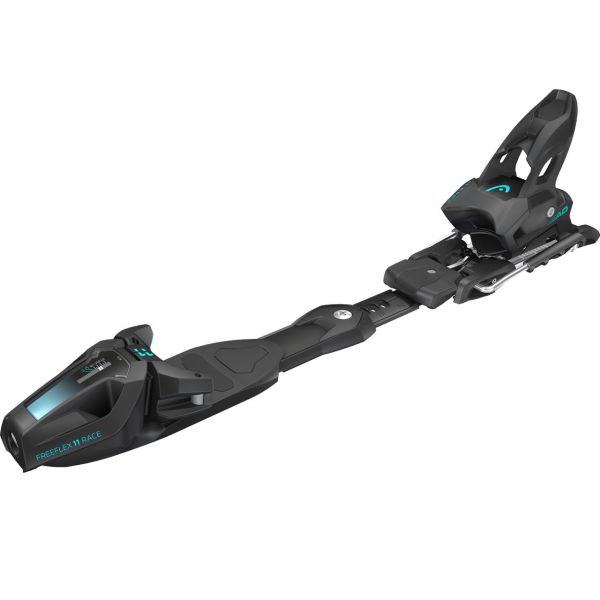
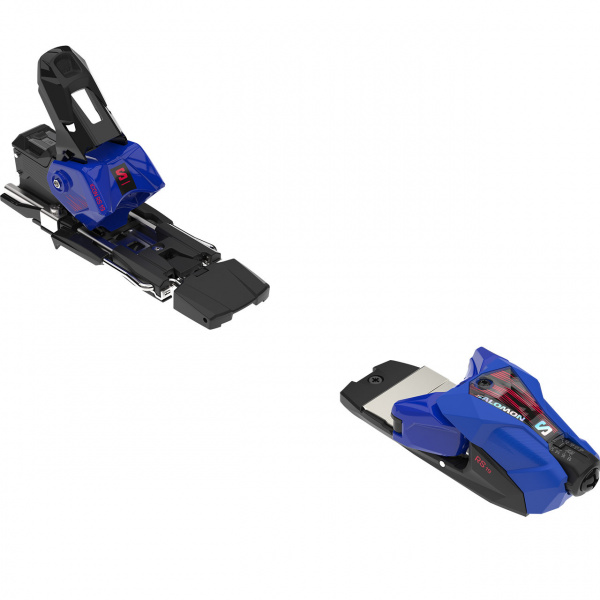
Ski binding with FIS standard - for maximum control and rule-compliant safety in racing
In alpine racing, every detail counts - and the ski binding with FIS standard is one of the most important. Only FIS-certified racing ski bindings meet the strict requirements of the international ski federation and guarantee
Purpose, areas of application and requirements
The ski binding with FIS standard is indispensable for:
- Slalom and giant slalom, where fast turn changes require maximum precision
- Super-G and downhill, where stability and reliability at high speeds count
- Official racing events at national and international level
- Professional training to accurately test and set trigger values
- Equipment checks to ensure you are always compliant and safe on the road
Important properties, values and technical features
| FIS approval | Yes | Yes |
| DIN setting range | 4 - 18 | 8 - 20 |
| Release mechanism | Precise lateral release, short lever travel | Higher reverse and side release |
| Material | Hardened aluminum, stainless steel | Reinforced steel components, carbon reinforcement |
| Weight (pair) | approx. 800 g | approx. 950 g |
| Application profile | Tight radii, quick changes of direction | High speeds, long radii |
| Advantage | Extremely direct edge grip, low release values possible | Maximum stability at high speeds |
| Disadvantage | Less damping on impacts | slightly heavier and less agile |
How to find the right ski binding with FIS standard
- Determine race format: Choose your binding by discipline - slalom, giant slalom, super-G or downhill.
- Calculate DIN value: Determine your optimum release value based on your weight, driving skills and intended use. Consult an expert from a specialist dealer for this.
- Check material requirements: Aluminum and steel components offer different stiffness and weight.
- Adjustment and installation: Ensure professional installation and precise adjustment by an experienced specialist dealer.
- Regular checks: Check the FIS conformity and functionality of your bindings before every racing season.
Thanks to our passion for winter sports and proven quality, at XSPO you not only get the right ski bindings, but also personal service and safety at the highest level.
Frequently asked questions about ski bindings with FIS standard
- What is the difference between a ski binding with FIS standard and a standard binding?
Only FIS-certified bindings meet the official safety and performance requirements for racing. - How do I find the right DIN value for my FIS binding?
The DIN value is determined by your Bodyweight, Driving skills and riding style; a DIN table and an expert from a specialist retailer can help with the calculation. - Can I also use a FIS binding outside of a race?
Yes, it offers excellent control and safety even at high speeds away from official competitions. - How often do I have to have the ski binding with FIS standard checked?
Before every racing season and after crashes or intensive training, we recommend a functional check at your specialist dealer. - What materials are used for FIS bindings?
High-strength aluminum and steel alloys as well as carbon reinforcements for more stability and durability. - Is it complicated to mount a FIS standard binding?
Professional fitting requires special tools and experience; it is best to have them adjusted by a ski professional. - Are there differences in the release mechanism?
Yes: Slalom bindings have a more finely graduated lateral release, while downhill bindings absorb higher forces. - Can I convert my existing binding to the FIS standard?
Conversion to FIS approval is not possible; you need a new model certified by the manufacturer as FIS-compliant. - How much weight does a FIS standard binding take into my luggage?
Depending on the model, between 800 g and 950 g per pair.
Ski binding with FIS standard - for maximum control and rule-compliant safety in racing
In alpine racing, every detail counts - and the ski binding with FIS standard is one of the most important. Only FIS-certified racing ski bindings meet the strict requirements of the international ski federation and guarantee
Purpose, areas of application and requirements
The ski binding with FIS standard is indispensable for:
- Slalom and giant slalom, where fast turn changes require maximum precision
- Super-G and downhill, where stability and reliability at high speeds count
- Official racing events at national and international level
- Professional training to accurately test and set trigger values
- Equipment checks to ensure you are always compliant and safe on the road
Important properties, values and technical features
| FIS approval | Yes | Yes |
| DIN setting range | 4 - 18 | 8 - 20 |
| Release mechanism | Precise lateral release, short lever travel | Higher reverse and side release |
| Material | Hardened aluminum, stainless steel | Reinforced steel components, carbon reinforcement |
| Weight (pair) | approx. 800 g | approx. 950 g |
| Application profile | Tight radii, quick changes of direction | High speeds, long radii |
| Advantage | Extremely direct edge grip, low release values possible | Maximum stability at high speeds |
| Disadvantage | Less damping on impacts | slightly heavier and less agile |
How to find the right ski binding with FIS standard
- Determine race format: Choose your binding by discipline - slalom, giant slalom, super-G or downhill.
- Calculate DIN value: Determine your optimum release value based on your weight, driving skills and intended use. Consult an expert from a specialist dealer for this.
- Check material requirements: Aluminum and steel components offer different stiffness and weight.
- Adjustment and installation: Ensure professional installation and precise adjustment by an experienced specialist dealer.
- Regular checks: Check the FIS conformity and functionality of your bindings before every racing season.
Thanks to our passion for winter sports and proven quality, at XSPO you not only get the right ski bindings, but also personal service and safety at the highest level.
Frequently asked questions about ski bindings with FIS standard
- What is the difference between a ski binding with FIS standard and a standard binding?
Only FIS-certified bindings meet the official safety and performance requirements for racing. - How do I find the right DIN value for my FIS binding?
The DIN value is determined by your Bodyweight, Driving skills and riding style; a DIN table and an expert from a specialist retailer can help with the calculation. - Can I also use a FIS binding outside of a race?
Yes, it offers excellent control and safety even at high speeds away from official competitions. - How often do I have to have the ski binding with FIS standard checked?
Before every racing season and after crashes or intensive training, we recommend a functional check at your specialist dealer. - What materials are used for FIS bindings?
High-strength aluminum and steel alloys as well as carbon reinforcements for more stability and durability. - Is it complicated to mount a FIS standard binding?
Professional fitting requires special tools and experience; it is best to have them adjusted by a ski professional. - Are there differences in the release mechanism?
Yes: Slalom bindings have a more finely graduated lateral release, while downhill bindings absorb higher forces. - Can I convert my existing binding to the FIS standard?
Conversion to FIS approval is not possible; you need a new model certified by the manufacturer as FIS-compliant. - How much weight does a FIS standard binding take into my luggage?
Depending on the model, between 800 g and 950 g per pair.