














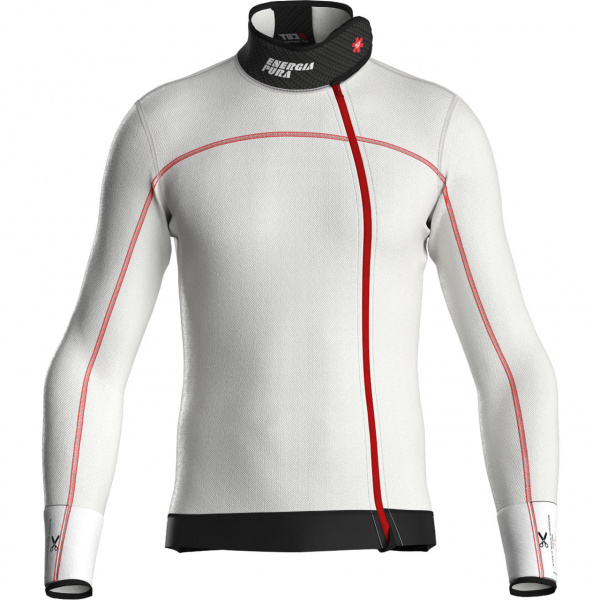
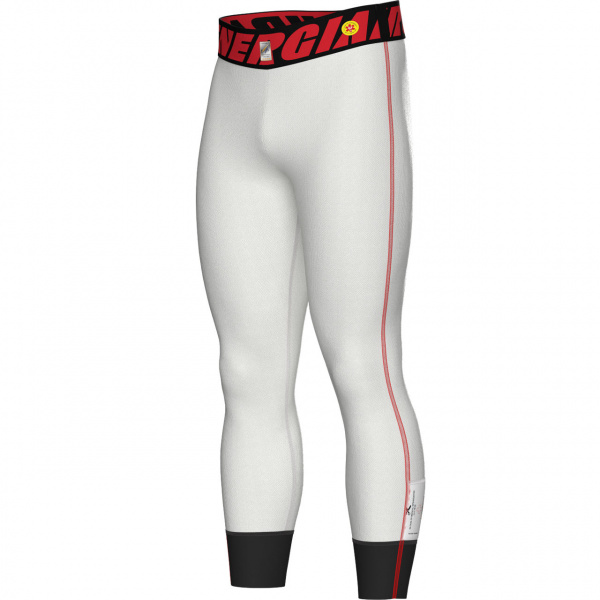
22 of 152 Products shown
Functional Underwear for Skiing: Merino, Synthetic Fibers, and Proper Temperature Regulation
Good performance underwear keeps the skin as dry as possible and helps regulate body temperature. This is crucial in alpine skiing: While skiing downhill at a fast pace, the body generates heat and sweat, but on the chairlift, it cools down quickly. The right ski underwear helps wick away moisture and reduce uncomfortable chills.
Synthetic fiber or merino wool? If you ride intensely and sweat quickly, you’ll often benefit from lightweight, quick-drying synthetic fabrics. Merino underwear, on the other hand, offers a comfortable feel even when damp and minimizes odor. Which type of performance underwear is right for you also depends on the fabric weight, your personal sensitivity to heat, and the other layers of clothing you’re wearing.
At XSPO, you'll find performance underwear for women, men, and kids. We'll show you what really matters when it comes to materials, fit, and the layering principle.
What features should performance underwear have for skiing?
Functional underwear—also known as base layers, ski underwear, or thermal underwear —forms the first layer of Ski Wear. Its most important function is not maximum thermal insulation, but effective moisture management.
When skiing, the body produces varying amounts of sweat depending on physical exertion and temperature. If moisture remains in direct contact with the skin or in your clothing for an extended period, it can lead to an unpleasant feeling of cold during the next lift ride.
Appropriate functional materials help wick moisture away from the skin. Three different properties play a role in this process:
Moisture absorption: Describes how much moisture a fiber can absorb. Merino wool, for example, can store water vapor inside the fiber, while polyester absorbs significantly less moisture within the fiber.
Moisture transport: Describes how liquid is transported through the textile material. This process is often referred to as wicking and depends, among other factors, on the fiber surface, yarn structure, and fabric construction.
Breathability: Refers to a material's ability to allow water vapor to pass through it. It should not be confused with the transport of liquid sweat.
Important: Performance underwear neither prevents sweating nor guarantees dry skin. It helps wick away moisture. How well it works also depends on the clothing worn over it.
Merino wool or synthetic fiber: Which type of performance underwear is better?
The two main types of materials used in ski base layers are synthetic performance fibers and merino wool. Both serve their purpose, but differ significantly in how they manage moisture, dry, and handle odor.
| Polyester | Low moisture absorption within the fiber, usually a short drying time, durable, and easy to care for. | It can absorb sweat odors relatively quickly. | Competitive skiing, high physical exertion, and skiers who sweat quickly. |
| Polypropylene | Very low moisture absorption, lightweight, and quick-drying. | Odor control and comfort depend heavily on the quality of the workmanship. | Intense physical activity and especially lightweight performance underwear. |
| polyamide | High abrasion resistance, durable, and often with a pleasantly smooth surface. | Moisture management and thermal performance depend on the material construction. | Durable, stretchy performance underwear and form-fitting blended fabrics. |
| Merino wool | It can absorb moisture into the fiber, produces relatively little odor, and is comfortable to wear. | When thoroughly soaked, it usually dries more slowly than synthetic fibers and may be more susceptible to abrasion. | Cold days on the slopes, varying levels of physical exertion, and longer periods of wear. |
| Merino and Synthetic Fiber Blend | Combines the properties of wool and synthetic fibers. Can improve durability and drying performance. | The actual properties depend on the mixing ratio and the application method. | Versatile ski base layers for a variety of conditions. |
Why do synthetic fibers often dry faster?
Polyester and polypropylene themselves absorb very little water into the interior of their fibers. Instead, with the right material design, moisture can spread along the fiber surfaces and evaporate.
This is particularly relevant for competitive skiing. Anyone who completes several fast runs in a row and sweats heavily often benefits from a thin synthetic-fiber base layer.
However, it’s important to note that synthetic fibers alone do not guarantee good moisture-wicking properties. The fabric’s structure, its construction, and the fit are also crucial.
Why does merino underwear feel different?
Merino wool can absorb moisture deep within its fibers without the surface necessarily feeling wet right away. This can improve comfort during varying levels of physical activity.
Another advantage is that it produces relatively little odor. That's why merino underwear is particularly appealing for extended wear.
However, merino wool is not automatically warmer than synthetic fibers. Its thermal performance depends largely on the thickness of the material, the weave, and the amount of trapped air.
XSPO Recommendation: If you tend to sweat quickly while skiing, you should first make sure your clothing wicks away moisture effectively and then regulate your body temperature by adjusting the layers of clothing you wear on top. For skiers who don’t ski as intensely or who feel the cold easily, a slightly warmer merino wool option may be a good choice.
The Onion Principle: Why the First Layer Is So Important
The "onion principle " describes the structure of Ski Wear, which consists of several layers with different functions. In English, this is referred to as "layering."
The advantage lies in its adaptability. Instead of a single, particularly thick layer of clothing, different garments serve different purposes.
| 1. Base Layer | Wick moisture away from the skin and help regulate body temperature. | Performance shirt, performance underwear, merino underwear. |
| 2. Midlayer | Thermal insulation provided by trapped air. | Fleece jacket, insulated sweater, lightweight insulated jacket. |
| 3. Outer Layer | Protection from wind, snow, and rain. | Ski jacket and ski pants. |
Why can ski underwear that's too warm be a problem?
A common mistake when skiing is wearing a combination of very warm thermal underwear, a thick fleece, and a heavily insulated ski jacket, even though the physical exertion is high.
During several runs on the slopes, the body can generate more heat than is released through clothing. This results in increased sweating. During the next ride up the lift, damp clothing can feel uncomfortably cold.
In situations like these, a thicker first layer isn't necessarily required. Often, a lightweight base layer combined with an adjustable insulation layer makes more sense.
The outer layer also plays a role. A ski jacket can protect against moisture while limiting the escape of water vapor. Ventilation openings and clothing suited to the activity therefore help regulate body temperature.
How warm should technical underwear be for skiing?
Performance underwear is often classified into the categories of lightweight, midweight, and heavyweight. These terms describe the relative thickness of the material and its thermal performance.
However, it doesn't make sense to assign specific outer temperatures to particular clothing choices. At minus five degrees, an athletic skier wearing thin technical underwear may be well-equipped, while a skier who is sensitive to the cold may prefer a warmer base layer.
Lightweight: Thin, lightweight performance underwear designed for high-intensity physical activity and skiers who sweat easily. It pairs well with an additional insulating layer.
Midweight: Medium-weight fabric for versatile use in alpine skiing. It offers a balance between warmth and moisture management.
Heavyweight: Warmer performance underwear for low temperatures, low activity levels, or people who are particularly sensitive to the cold. It may be too warm during high-intensity activity.
What do 150, 200, or 250 g/m² mean for merino underwear?
For merino underwear, the thickness of the fabric is often described in terms of weight per unit area in grams per square meter (g/m²).
A fabric with a weight of 200 g/m² weighs 200 grams per square meter. This value is a material specification and not a direct measurement of thermal insulation.
As a general guideline for comparable merino garments:
- 150 g/m²: a relatively lightweight version designed for high activity levels and versatile layering.
- 200 g/m²: medium fabric weight for a variety of winter conditions.
- 250 g/m²: a warmer version for cold days and lighter use.
These values are not binding warmth or temperature ratings. The knit pattern, cut, and fabric blend also affect the actual warmth provided.
What's the right fit for ski underwear?
Performance underwear should fit snugly but not be too tight. Contact with the skin helps the skin absorb and retain moisture. At the same time, it is important to maintain flexibility while skiing.
Functional underwear that is too loose can cause wrinkles and interfere with moisture wicking. On the other hand, styles that are too tight can feel uncomfortable or restrict your range of motion.
Flat seams, stretchy fabrics, and comfortable cuffs are especially beneficial in ski jackets and ski pants.
Seamless Performance Underwear: What Are the Benefits of a Seamless Design?
"Seamless" refers to a textile construction in which traditional seams are partially reduced or replaced by special knitting techniques.
This can reduce friction and pressure points. This is especially comfortable when wearing tight-fitting Ski Wear.
However, "seamless" does not necessarily mean that a garment was made entirely without seams.
Why are three-quarter-length technical underwear a good choice for skiing?
With long technical underwear, fabric can bunch up between your leg and the top of your ski boot. Tight-fitting ski boots, in particular, are sensitive to extra layers of fabric or wrinkles.
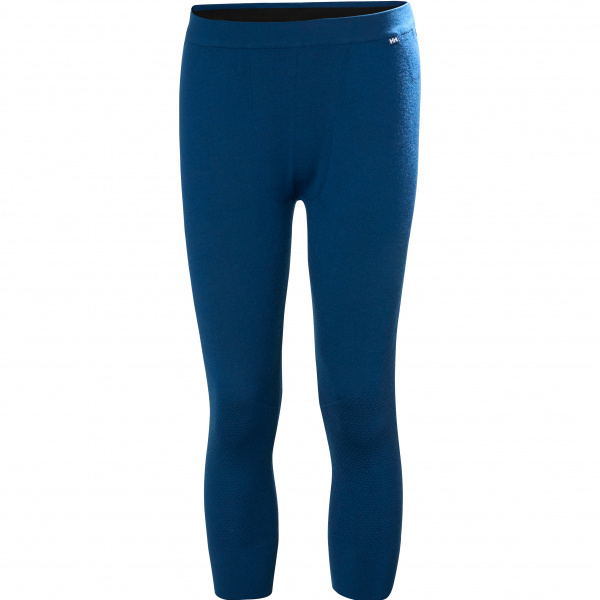
Three-quarter-length functional pants end above the top of the ski boot. As a result, there is less material in the area of the ski boot. This can reduce pressure points and improve comfort.
For many skiers, this length is therefore a practical alternative to classic long performance pants.
Which performance underwear suits your riding style?
Choosing the right ski underwear depends less on a specific temperature and more on a combination of skiing style, physical exertion, and personal sensitivity to cold.
Athletic skiers and carving enthusiasts:
If you exercise intensely and sweat quickly, you should opt for lightweight, quick-drying performance underwear. Polyester or polypropylene can be particularly useful here. You can add an extra layer of insulation depending on the weather.
Recreational skiers and skiers who are sensitive to the cold:
When skiing at a leisurely pace or taking longer lift rides, warmer technical underwear can be a good idea. Merino wool or a medium-weight fabric is a good choice, as long as the entire layering system doesn't get too warm.
Skiers in changing conditions:
Anyone who spends time outdoors in both mild and cold temperatures will benefit from a versatile base layer. A light or medium-weight base layer can be easily combined with a variety of midlayers.
Skiers with sensitive skin:
A comfortable fabric texture, flat seams, and the right fit are especially important here. High-quality merino wool or soft synthetic fiber blends may be suitable. What matters most is how the fabric feels against your skin.
Skiers with tight-fitting ski boots:
Three-quarter-length functional pants can prevent extra layers of fabric from bunching up in the ski boot shaft. This is especially worth considering if you wear athletic, snug-fitting ski boots.
The key factor is the entire clothing system. If you're already wearing a heavily insulated ski jacket, you may need less warmth in your base layer. Under an unlined hardshell, however, an additional insulating layer may be necessary.
How to Care for Performance Underwear: What Should You Keep in Mind?
How you care for your ski underwear also affects how long it retains its properties. Always follow the manufacturer's instructions on the care label.
Synthetic-fiber underwear is often easy to wash and usually dries quickly. Fabric softener should be avoided whenever possible with performance fabrics, as it can impair their functional properties depending on the material and finish.
Depending on how it is made, merino underwear requires gentler care. This often involves using a wool cycle, a suitable detergent, and low temperatures. Not all merino products are suitable for the dryer.
Performance underwear should be allowed to dry completely after washing before being stored. This is especially true for clothing that is only washed briefly between several days of skiing.
Performance Underwear at XSPO: The Right Foundation for Your Ski Wear
At XSPO, we view performance underwear as part of your overall ski gear. What matters isn't which model is the thickest or most expensive, but which combination suits your skiing style, your sensitivity to heat, and the rest of your Ski Wear.
As a family-run specialty ski retailer, XSPO combines a passion for winter sports with personalized expert advice and a wide selection of products. That way, you can find performance underwear that meets your needs on the slopes.
Frequently Asked Questions About Performance Underwear
Functional Underwear for Skiing: Merino, Synthetic Fibers, and Proper Temperature Regulation
Good performance underwear keeps the skin as dry as possible and helps regulate body temperature. This is crucial in alpine skiing: While skiing downhill at a fast pace, the body generates heat and sweat, but on the chairlift, it cools down quickly. The right ski underwear helps wick away moisture and reduce uncomfortable chills.
Synthetic fiber or merino wool? If you ride intensely and sweat quickly, you’ll often benefit from lightweight, quick-drying synthetic fabrics. Merino underwear, on the other hand, offers a comfortable feel even when damp and minimizes odor. Which type of performance underwear is right for you also depends on the fabric weight, your personal sensitivity to heat, and the other layers of clothing you’re wearing.
At XSPO, you'll find performance underwear for women, men, and kids. We'll show you what really matters when it comes to materials, fit, and the layering principle.
What features should performance underwear have for skiing?
Functional underwear—also known as base layers, ski underwear, or thermal underwear —forms the first layer of Ski Wear. Its most important function is not maximum thermal insulation, but effective moisture management.
When skiing, the body produces varying amounts of sweat depending on physical exertion and temperature. If moisture remains in direct contact with the skin or in your clothing for an extended period, it can lead to an unpleasant feeling of cold during the next lift ride.
Appropriate functional materials help wick moisture away from the skin. Three different properties play a role in this process:
Moisture absorption: Describes how much moisture a fiber can absorb. Merino wool, for example, can store water vapor inside the fiber, while polyester absorbs significantly less moisture within the fiber.
Moisture transport: Describes how liquid is transported through the textile material. This process is often referred to as wicking and depends, among other factors, on the fiber surface, yarn structure, and fabric construction.
Breathability: Refers to a material's ability to allow water vapor to pass through it. It should not be confused with the transport of liquid sweat.
Important: Performance underwear neither prevents sweating nor guarantees dry skin. It helps wick away moisture. How well it works also depends on the clothing worn over it.
Merino wool or synthetic fiber: Which type of performance underwear is better?
The two main types of materials used in ski base layers are synthetic performance fibers and merino wool. Both serve their purpose, but differ significantly in how they manage moisture, dry, and handle odor.
| Polyester | Low moisture absorption within the fiber, usually a short drying time, durable, and easy to care for. | It can absorb sweat odors relatively quickly. | Competitive skiing, high physical exertion, and skiers who sweat quickly. |
| Polypropylene | Very low moisture absorption, lightweight, and quick-drying. | Odor control and comfort depend heavily on the quality of the workmanship. | Intense physical activity and especially lightweight performance underwear. |
| polyamide | High abrasion resistance, durable, and often with a pleasantly smooth surface. | Moisture management and thermal performance depend on the material construction. | Durable, stretchy performance underwear and form-fitting blended fabrics. |
| Merino wool | It can absorb moisture into the fiber, produces relatively little odor, and is comfortable to wear. | When thoroughly soaked, it usually dries more slowly than synthetic fibers and may be more susceptible to abrasion. | Cold days on the slopes, varying levels of physical exertion, and longer periods of wear. |
| Merino and Synthetic Fiber Blend | Combines the properties of wool and synthetic fibers. Can improve durability and drying performance. | The actual properties depend on the mixing ratio and the application method. | Versatile ski base layers for a variety of conditions. |
Why do synthetic fibers often dry faster?
Polyester and polypropylene themselves absorb very little water into the interior of their fibers. Instead, with the right material design, moisture can spread along the fiber surfaces and evaporate.
This is particularly relevant for competitive skiing. Anyone who completes several fast runs in a row and sweats heavily often benefits from a thin synthetic-fiber base layer.
However, it’s important to note that synthetic fibers alone do not guarantee good moisture-wicking properties. The fabric’s structure, its construction, and the fit are also crucial.
Why does merino underwear feel different?
Merino wool can absorb moisture deep within its fibers without the surface necessarily feeling wet right away. This can improve comfort during varying levels of physical activity.
Another advantage is that it produces relatively little odor. That's why merino underwear is particularly appealing for extended wear.
However, merino wool is not automatically warmer than synthetic fibers. Its thermal performance depends largely on the thickness of the material, the weave, and the amount of trapped air.
XSPO Recommendation: If you tend to sweat quickly while skiing, you should first make sure your clothing wicks away moisture effectively and then regulate your body temperature by adjusting the layers of clothing you wear on top. For skiers who don’t ski as intensely or who feel the cold easily, a slightly warmer merino wool option may be a good choice.
The Onion Principle: Why the First Layer Is So Important
The "onion principle " describes the structure of Ski Wear, which consists of several layers with different functions. In English, this is referred to as "layering."
The advantage lies in its adaptability. Instead of a single, particularly thick layer of clothing, different garments serve different purposes.
| 1. Base Layer | Wick moisture away from the skin and help regulate body temperature. | Performance shirt, performance underwear, merino underwear. |
| 2. Midlayer | Thermal insulation provided by trapped air. | Fleece jacket, insulated sweater, lightweight insulated jacket. |
| 3. Outer Layer | Protection from wind, snow, and rain. | Ski jacket and ski pants. |
Why can ski underwear that's too warm be a problem?
A common mistake when skiing is wearing a combination of very warm thermal underwear, a thick fleece, and a heavily insulated ski jacket, even though the physical exertion is high.
During several runs on the slopes, the body can generate more heat than is released through clothing. This results in increased sweating. During the next ride up the lift, damp clothing can feel uncomfortably cold.
In situations like these, a thicker first layer isn't necessarily required. Often, a lightweight base layer combined with an adjustable insulation layer makes more sense.
The outer layer also plays a role. A ski jacket can protect against moisture while limiting the escape of water vapor. Ventilation openings and clothing suited to the activity therefore help regulate body temperature.
How warm should technical underwear be for skiing?
Performance underwear is often classified into the categories of lightweight, midweight, and heavyweight. These terms describe the relative thickness of the material and its thermal performance.
However, it doesn't make sense to assign specific outer temperatures to particular clothing choices. At minus five degrees, an athletic skier wearing thin technical underwear may be well-equipped, while a skier who is sensitive to the cold may prefer a warmer base layer.
Lightweight: Thin, lightweight performance underwear designed for high-intensity physical activity and skiers who sweat easily. It pairs well with an additional insulating layer.
Midweight: Medium-weight fabric for versatile use in alpine skiing. It offers a balance between warmth and moisture management.
Heavyweight: Warmer performance underwear for low temperatures, low activity levels, or people who are particularly sensitive to the cold. It may be too warm during high-intensity activity.
What do 150, 200, or 250 g/m² mean for merino underwear?
For merino underwear, the thickness of the fabric is often described in terms of weight per unit area in grams per square meter (g/m²).
A fabric with a weight of 200 g/m² weighs 200 grams per square meter. This value is a material specification and not a direct measurement of thermal insulation.
As a general guideline for comparable merino garments:
- 150 g/m²: a relatively lightweight version designed for high activity levels and versatile layering.
- 200 g/m²: medium fabric weight for a variety of winter conditions.
- 250 g/m²: a warmer version for cold days and lighter use.
These values are not binding warmth or temperature ratings. The knit pattern, cut, and fabric blend also affect the actual warmth provided.
What's the right fit for ski underwear?
Performance underwear should fit snugly but not be too tight. Contact with the skin helps the skin absorb and retain moisture. At the same time, it is important to maintain flexibility while skiing.
Functional underwear that is too loose can cause wrinkles and interfere with moisture wicking. On the other hand, styles that are too tight can feel uncomfortable or restrict your range of motion.
Flat seams, stretchy fabrics, and comfortable cuffs are especially beneficial in ski jackets and ski pants.
Seamless Performance Underwear: What Are the Benefits of a Seamless Design?
"Seamless" refers to a textile construction in which traditional seams are partially reduced or replaced by special knitting techniques.
This can reduce friction and pressure points. This is especially comfortable when wearing tight-fitting Ski Wear.
However, "seamless" does not necessarily mean that a garment was made entirely without seams.
Why are three-quarter-length technical underwear a good choice for skiing?
With long technical underwear, fabric can bunch up between your leg and the top of your ski boot. Tight-fitting ski boots, in particular, are sensitive to extra layers of fabric or wrinkles.
Three-quarter-length functional pants end above the top of the ski boot. As a result, there is less material in the area of the ski boot. This can reduce pressure points and improve comfort.
For many skiers, this length is therefore a practical alternative to classic long performance pants.
Which performance underwear suits your riding style?
Choosing the right ski underwear depends less on a specific temperature and more on a combination of skiing style, physical exertion, and personal sensitivity to cold.
Athletic skiers and carving enthusiasts:
If you exercise intensely and sweat quickly, you should opt for lightweight, quick-drying performance underwear. Polyester or polypropylene can be particularly useful here. You can add an extra layer of insulation depending on the weather.
Recreational skiers and skiers who are sensitive to the cold:
When skiing at a leisurely pace or taking longer lift rides, warmer technical underwear can be a good idea. Merino wool or a medium-weight fabric is a good choice, as long as the entire layering system doesn't get too warm.
Skiers in changing conditions:
Anyone who spends time outdoors in both mild and cold temperatures will benefit from a versatile base layer. A light or medium-weight base layer can be easily combined with a variety of midlayers.
Skiers with sensitive skin:
A comfortable fabric texture, flat seams, and the right fit are especially important here. High-quality merino wool or soft synthetic fiber blends may be suitable. What matters most is how the fabric feels against your skin.
Skiers with tight-fitting ski boots:
Three-quarter-length functional pants can prevent extra layers of fabric from bunching up in the ski boot shaft. This is especially worth considering if you wear athletic, snug-fitting ski boots.
The key factor is the entire clothing system. If you're already wearing a heavily insulated ski jacket, you may need less warmth in your base layer. Under an unlined hardshell, however, an additional insulating layer may be necessary.
How to Care for Performance Underwear: What Should You Keep in Mind?
How you care for your ski underwear also affects how long it retains its properties. Always follow the manufacturer's instructions on the care label.
Synthetic-fiber underwear is often easy to wash and usually dries quickly. Fabric softener should be avoided whenever possible with performance fabrics, as it can impair their functional properties depending on the material and finish.
Depending on how it is made, merino underwear requires gentler care. This often involves using a wool cycle, a suitable detergent, and low temperatures. Not all merino products are suitable for the dryer.
Performance underwear should be allowed to dry completely after washing before being stored. This is especially true for clothing that is only washed briefly between several days of skiing.
Performance Underwear at XSPO: The Right Foundation for Your Ski Wear
At XSPO, we view performance underwear as part of your overall ski gear. What matters isn't which model is the thickest or most expensive, but which combination suits your skiing style, your sensitivity to heat, and the rest of your Ski Wear.
As a family-run specialty ski retailer, XSPO combines a passion for winter sports with personalized expert advice and a wide selection of products. That way, you can find performance underwear that meets your needs on the slopes.