









Care Products for Ski Wear: How to Wash, Waterproof, and Care for Your Clothing Properly
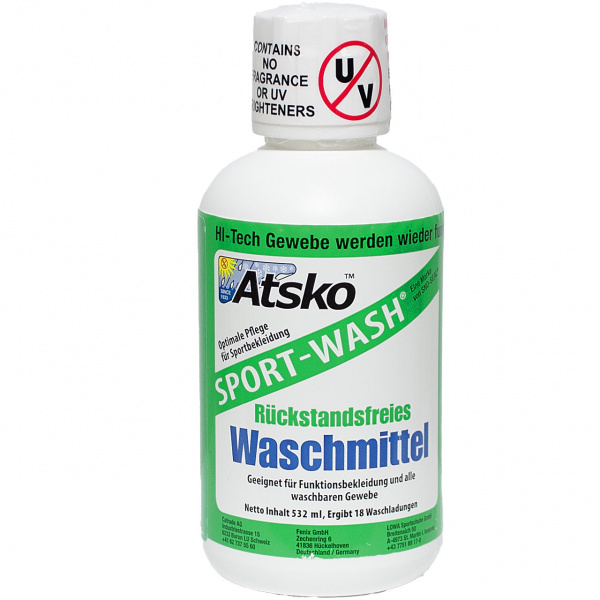
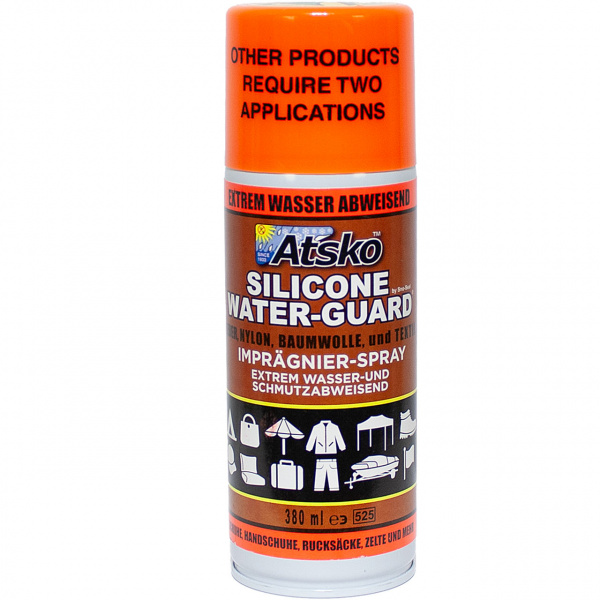
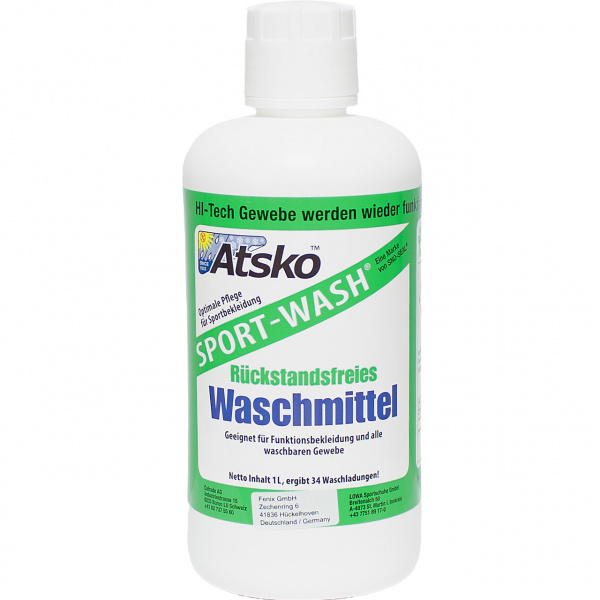
Deine Skijacke saugt sich mit Wasser voll, obwohl sie eigentlich wasserdicht sein sollte? Oft liegt das nicht an der Membran, sondern an einer verschmutzten oder abgenutzten Imprägnierung. Mit den richtigen Pflegemitteln für Skibekleidung kannst du die Wasserabweisung auffrischen, Funktionsmaterialien schonend reinigen und ihre Atmungsaktivität erhalten. Entscheidend ist, Waschmittel und Imprägnierung auf das jeweilige Material abzustimmen. Bei XSPO findest du dafür Funktionswaschmittel, Imprägniermittel und Spezialpflege von Herstellern wie Holmenkol, Toko und Atsko.
What kind of care products does Ski Wear really need?
Not every ski jacket needs to be waterproofed after washing, and not every technical fabric requires the same care. Generally speaking , detergents, waterproofing agents, and specialty care products serve different purposes: they remove dirt, improve water repellency, or clean particularly delicate fabrics.
When it comes to waterproof ski jackets and ski pants with membranes, cleaning is the top priority. Sweat, skin oils, and dirt can impair the garment’s performance. Specialized performance detergents remove these residues and are tailored to the needs of technical textiles.
Waterproofing is recommended if the outer fabric is no longer sufficiently water-repellent after cleaning. Depending on the material, either spray-on or wash-in waterproofing treatments can be used. Both improve water repellency, but they differ in how they are applied and which parts of the garment are treated.
Different requirements apply to other materials. Down jackets require a suitable down detergent and must be dried with special care. Synthetic performance clothing benefits from a cleaning process that removes sweat residue and odors. Merino wool, on the other hand, should be washed with a detergent specifically designed for wool.
What are the differences among care products for Ski Wear?
When making a selection, the most important factor is suitability for the specific material. A performance detergent cannot replace worn-out waterproofing, and a waterproofing treatment cannot repair a damaged membrane. The following overview shows which care products are best suited for different needs.
What do DWR, waterproofing, and breathability mean?
When it comes to caring for Ski Wear, three characteristics are often confused: water repellency, waterproofness, and breathability. They are related but serve different functions.
DWR stands for Durable Water Repellent. This refers to the water-repellent finish applied to the outer fabric. It ensures that water droplets roll off as much as possible instead of immediately penetrating the fabric.
The actual waterproofness of a membrane jacket, on the other hand, comes from its membrane or coating. This forms a barrier against liquid water. Breathability describes the material’s ability to allow water vapor to escape to the outside.
When the outer fabric becomes saturated with water, this condition is called " wetting out." The membrane may still be waterproof. However, moisture transport may be reduced, and the jacket may feel heavier or damp.
DWR-treated gear is subject to wear and tear from friction, dirt, and regular use. The shoulders (where the backpack rests), sleeves, and seat areas are often particularly affected. A decrease in water repellency therefore does not automatically mean that the ski jacket has become leaky.
Important: Waterproofing improves the outer fabric's water repellency. However, it cannot reliably repair damaged membranes, leaky seams, or tears.
Spray impregnation or wash-in impregnation: Which is better?
For high-quality ski jackets with a breathable membrane, a suitable spray-on waterproofing treatment is often the more targeted solution. It is applied to the outer fabric, while the inside remains largely untreated. This can be an advantage, especially with multi-layered performance fabrics.
A wash-in treatment is simpler because the product is distributed during the wash cycle. However, this also means that the active ingredients reach the inside of the garment. With certain fabric constructions or special inner materials, this may be undesirable.
As a general guideline: Spray waterproofing offers more control over the treated areas. Wash-in waterproofing stands out for its ease of use. The instructions provided by the clothing manufacturer and the waterproofing product will help you determine which method is appropriate.
What should you keep in mind when using fluoride-free waterproofing agents?
When selecting waterproofing agents, their chemical composition also plays a role. Fluorine-free formulations, in particular, have become increasingly important in textile care.
The term PFAS refers to a large group of perfluorinated and polyfluorinated alkyl substances. Some of these substances have been used in textile finishes because of their water-repellent properties. Many PFAS are particularly persistent in the environment.
Fluorine-free water-repellent treatments can provide good water repellency. However, the actual effectiveness depends on the product, the outer fabric, and proper application. Differences compared to certain fluorine-containing treatments may be particularly noticeable when dealing with oil-based stains.
Therefore, what matters is not just the name of a water-repellent treatment, but its proven suitability for the specific functional material. Whether a product contains fluorine-free active ingredients can be verified by checking the manufacturer’s specifications. Environmental product labels alone are not sufficient proof of this.
How do you find the right care products for your Ski Wear?
- Check the care label first.
Membranes, taped seams, coatings, and fill materials may have different care requirements. The manufacturer’s instructions regarding wash temperature, spin cycle, and drying always take precedence.
- Choose the detergent based on the fabric.
For ski jackets and ski pants with a functional membrane, we recommend using a special functional detergent. Down requires a suitable down detergent, and merino wool requires an appropriate wool detergent. You should avoid using fabric softener on technical functional clothing.
- Remove dirt and residue regularly.
Sweat, skin oils, and dirt can impair the performance of technical textiles. Therefore, wash your Ski Wear after each use, not just when it looks visibly dirty. Many technical textiles can be washed at 30 °C, provided the care label allows this temperature.
- Check the water repellency.
Pour a little water onto the clean, dry outer fabric. If droplets form and roll off, the waterproofing is still effective. If the water is absorbed quickly, it may be a good idea to reapply the waterproofing. However, this simple test does not assess the waterproofness of the membrane.
- Check whether the existing waterproofing treatment can be reactivated.
Some DWR treatments can be refreshed using controlled heat. This can be done, for example, with a suitable dryer cycle, provided the clothing manufacturer permits it. Not every water-repellent treatment requires or can withstand heat.
- Only waterproof the fabric when it's actually necessary.
If the water repellency remains insufficient despite cleaning and, if necessary, heat activation, it makes sense to re-waterproof the garment. Choose between a suitable spray-on waterproofing treatment and a wash-in waterproofing treatment, depending on the garment’s construction.
- Let the clothing dry completely.
Down jackets, in particular, must be dried carefully so that their filling regains its loft. Ski jackets and ski pants should also be completely dry before storage.
Our tip: Before you re-waterproof a ski jacket that you think might be leaking, you should clean it thoroughly first. Dirt and residue often compromise the jacket’s existing water-repellent properties. In that case, additional waterproofing might not even be necessary.
At XSPO, choosing the right ski gear doesn't stop at a ski jacket and ski pants. Proper care also helps ensure that high-quality performance fabrics retain their properties for as long as possible. With care products from Holmenkol, Toko, and Atsko—plus personalized advice from our team of winter sports enthusiasts—you can tailor the cleaning and waterproofing of your gear specifically to your clothing.
Frequently Asked Questions About Care Products for Ski Wear
Care Products for Ski Wear: How to Wash, Waterproof, and Care for Your Clothing Properly
Deine Skijacke saugt sich mit Wasser voll, obwohl sie eigentlich wasserdicht sein sollte? Oft liegt das nicht an der Membran, sondern an einer verschmutzten oder abgenutzten Imprägnierung. Mit den richtigen Pflegemitteln für Skibekleidung kannst du die Wasserabweisung auffrischen, Funktionsmaterialien schonend reinigen und ihre Atmungsaktivität erhalten. Entscheidend ist, Waschmittel und Imprägnierung auf das jeweilige Material abzustimmen. Bei XSPO findest du dafür Funktionswaschmittel, Imprägniermittel und Spezialpflege von Herstellern wie Holmenkol, Toko und Atsko.
What kind of care products does Ski Wear really need?
Not every ski jacket needs to be waterproofed after washing, and not every technical fabric requires the same care. Generally speaking , detergents, waterproofing agents, and specialty care products serve different purposes: they remove dirt, improve water repellency, or clean particularly delicate fabrics.
When it comes to waterproof ski jackets and ski pants with membranes, cleaning is the top priority. Sweat, skin oils, and dirt can impair the garment’s performance. Specialized performance detergents remove these residues and are tailored to the needs of technical textiles.
Waterproofing is recommended if the outer fabric is no longer sufficiently water-repellent after cleaning. Depending on the material, either spray-on or wash-in waterproofing treatments can be used. Both improve water repellency, but they differ in how they are applied and which parts of the garment are treated.
Different requirements apply to other materials. Down jackets require a suitable down detergent and must be dried with special care. Synthetic performance clothing benefits from a cleaning process that removes sweat residue and odors. Merino wool, on the other hand, should be washed with a detergent specifically designed for wool.
What are the differences among care products for Ski Wear?
When making a selection, the most important factor is suitability for the specific material. A performance detergent cannot replace worn-out waterproofing, and a waterproofing treatment cannot repair a damaged membrane. The following overview shows which care products are best suited for different needs.
What do DWR, waterproofing, and breathability mean?
When it comes to caring for Ski Wear, three characteristics are often confused: water repellency, waterproofness, and breathability. They are related but serve different functions.
DWR stands for Durable Water Repellent. This refers to the water-repellent finish applied to the outer fabric. It ensures that water droplets roll off as much as possible instead of immediately penetrating the fabric.
The actual waterproofness of a membrane jacket, on the other hand, comes from its membrane or coating. This forms a barrier against liquid water. Breathability describes the material’s ability to allow water vapor to escape to the outside.
When the outer fabric becomes saturated with water, this condition is called " wetting out." The membrane may still be waterproof. However, moisture transport may be reduced, and the jacket may feel heavier or damp.
DWR-treated gear is subject to wear and tear from friction, dirt, and regular use. The shoulders (where the backpack rests), sleeves, and seat areas are often particularly affected. A decrease in water repellency therefore does not automatically mean that the ski jacket has become leaky.
Important: Waterproofing improves the outer fabric's water repellency. However, it cannot reliably repair damaged membranes, leaky seams, or tears.
Spray impregnation or wash-in impregnation: Which is better?
For high-quality ski jackets with a breathable membrane, a suitable spray-on waterproofing treatment is often the more targeted solution. It is applied to the outer fabric, while the inside remains largely untreated. This can be an advantage, especially with multi-layered performance fabrics.
A wash-in treatment is simpler because the product is distributed during the wash cycle. However, this also means that the active ingredients reach the inside of the garment. With certain fabric constructions or special inner materials, this may be undesirable.
As a general guideline: Spray waterproofing offers more control over the treated areas. Wash-in waterproofing stands out for its ease of use. The instructions provided by the clothing manufacturer and the waterproofing product will help you determine which method is appropriate.
What should you keep in mind when using fluoride-free waterproofing agents?
When selecting waterproofing agents, their chemical composition also plays a role. Fluorine-free formulations, in particular, have become increasingly important in textile care.
The term PFAS refers to a large group of perfluorinated and polyfluorinated alkyl substances. Some of these substances have been used in textile finishes because of their water-repellent properties. Many PFAS are particularly persistent in the environment.
Fluorine-free water-repellent treatments can provide good water repellency. However, the actual effectiveness depends on the product, the outer fabric, and proper application. Differences compared to certain fluorine-containing treatments may be particularly noticeable when dealing with oil-based stains.
Therefore, what matters is not just the name of a water-repellent treatment, but its proven suitability for the specific functional material. Whether a product contains fluorine-free active ingredients can be verified by checking the manufacturer’s specifications. Environmental product labels alone are not sufficient proof of this.
How do you find the right care products for your Ski Wear?
- Check the care label first.
Membranes, taped seams, coatings, and fill materials may have different care requirements. The manufacturer’s instructions regarding wash temperature, spin cycle, and drying always take precedence.
- Choose the detergent based on the fabric.
For ski jackets and ski pants with a functional membrane, we recommend using a special functional detergent. Down requires a suitable down detergent, and merino wool requires an appropriate wool detergent. You should avoid using fabric softener on technical functional clothing.
- Remove dirt and residue regularly.
Sweat, skin oils, and dirt can impair the performance of technical textiles. Therefore, wash your Ski Wear after each use, not just when it looks visibly dirty. Many technical textiles can be washed at 30 °C, provided the care label allows this temperature.
- Check the water repellency.
Pour a little water onto the clean, dry outer fabric. If droplets form and roll off, the waterproofing is still effective. If the water is absorbed quickly, it may be a good idea to reapply the waterproofing. However, this simple test does not assess the waterproofness of the membrane.
- Check whether the existing waterproofing treatment can be reactivated.
Some DWR treatments can be refreshed using controlled heat. This can be done, for example, with a suitable dryer cycle, provided the clothing manufacturer permits it. Not every water-repellent treatment requires or can withstand heat.
- Only waterproof the fabric when it's actually necessary.
If the water repellency remains insufficient despite cleaning and, if necessary, heat activation, it makes sense to re-waterproof the garment. Choose between a suitable spray-on waterproofing treatment and a wash-in waterproofing treatment, depending on the garment’s construction.
- Let the clothing dry completely.
Down jackets, in particular, must be dried carefully so that their filling regains its loft. Ski jackets and ski pants should also be completely dry before storage.
Our tip: Before you re-waterproof a ski jacket that you think might be leaking, you should clean it thoroughly first. Dirt and residue often compromise the jacket’s existing water-repellent properties. In that case, additional waterproofing might not even be necessary.
At XSPO, choosing the right ski gear doesn't stop at a ski jacket and ski pants. Proper care also helps ensure that high-quality performance fabrics retain their properties for as long as possible. With care products from Holmenkol, Toko, and Atsko—plus personalized advice from our team of winter sports enthusiasts—you can tailor the cleaning and waterproofing of your gear specifically to your clothing.