








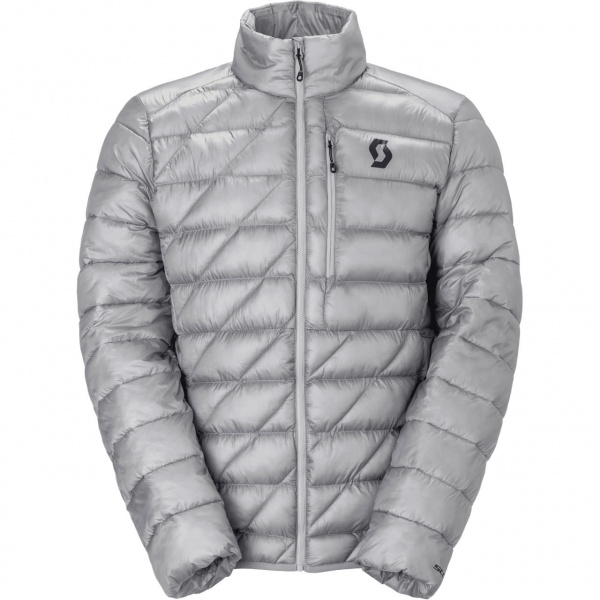
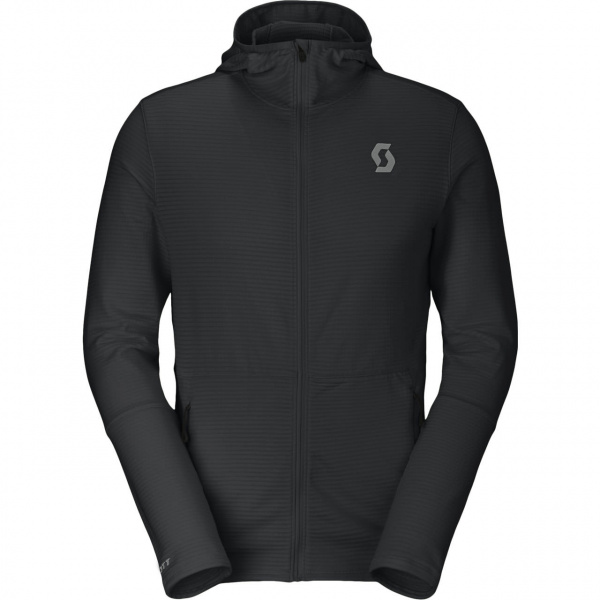
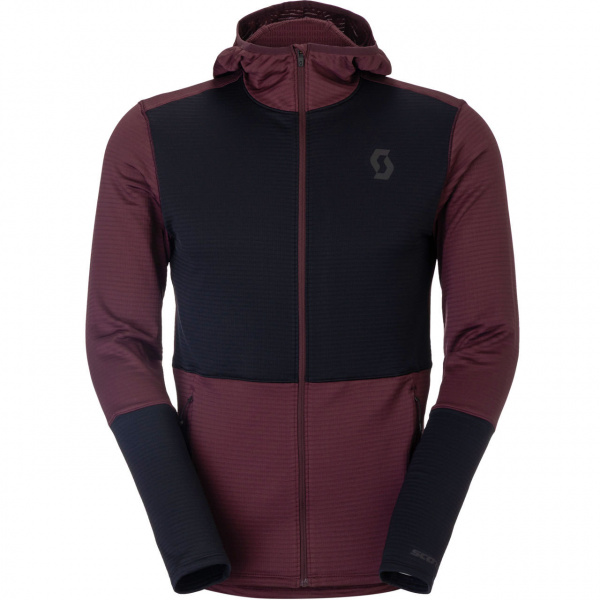
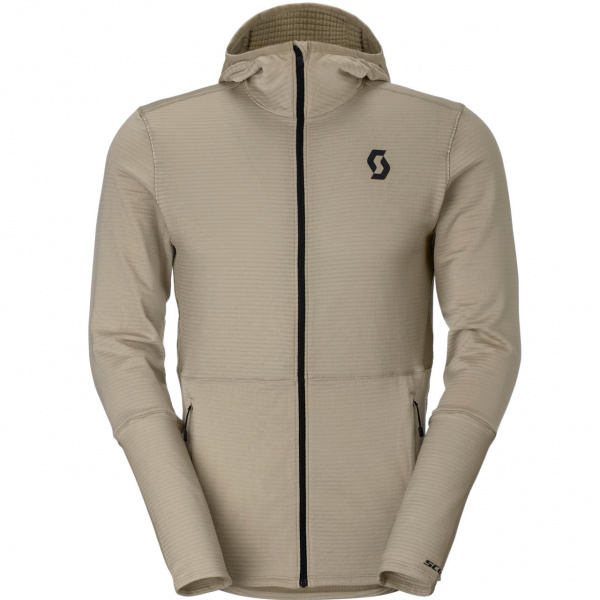


22 of 169 Products shown
Midlayers for Skiing: Which Midlayer Is Right for You?
A midlayer is the insulating layer between your ski base layer and your ski jacket. It retains body heat and helps wick away moisture. It sounds simple, but it makes a big difference on the slopes: If the midlayer is too thick, you’ll sweat during fast descents. If it’s too thin, you’ll start to feel uncomfortably cold by the time you’re on the chairlift, if not sooner. For athletic skiing, lightweight stretch fleece is often the best choice, while thicker fleece or insulated midlayers provide more warmth in cold weather.
At XSPO, you'll find midlayers for women and men in a variety of materials and styles. Which one is right for you depends on more than just the outside temperature. Your skiing style and the warmth of your ski jacket also play an important role.
Which midlayer suits your riding style?
Anyone who skis a lot knows this: It’s still freezing cold in the morning, the sun is shining at noon, and suddenly that thick fleece sweater is too warm. When skiing, strenuous descents alternate with leisurely lift rides. A good midlayer should therefore be suited to the physical demands of the activity and not just be as warm as possible.
| Competitive Downhill Skiing | Lightweight to medium-weight stretch fleece | Freedom of Movement and Moisture-Wicking |
| Relaxed Skiing on the Slopes | Medium-weight to thick fleece | More warmth with less physical exertion |
| Freeride | Stretch fleece or hybrid midlayer | Flexibility Under Varying Loads |
| Ski Touring: The Ascent | Lightweight, breathable midlayer | Minimal heat buildup and quick drying |
| Very Cold Days on the Slopes | A midlayer with better insulation | Extra warmth in cold weather |
The table provides a general guide. However, there is no fixed temperature limit for specific midlayers. How much insulation you need also depends on your personal sensitivity to cold, the wind, and the rest of your Ski Wear.
How does the "onion" principle work in skiing?
With the layering principle, each layer of clothing serves a specific purpose. The base layer sits directly against the skin and is primarily responsible for wicking away moisture. Above that is the midlayer, which provides insulation. Finally, the ski jacket protects against wind, snow, and wet conditions.
| Baselayer | Absorb moisture from the skin and transport it further | Polyester, polyamide, merino wool |
| Midlayer | Thermal Insulation and Moisture Transport | Fleece, stretch fleece, merino wool, synthetic fiber insulation |
| Outer Layer | Protection from wind, snow, and rain | Membrane fabrics and coated functional materials |
The advantage: You can adjust the warmth of your Ski Wear by layering different pieces. Under a warm, lined ski jacket, a thin fleece sweater is often enough. If, on the other hand, you’re wearing an unlined hardshell, you’ll usually need more insulation underneath in cold temperatures.
However, more layers aren't necessarily better. If your clothes are too tight or too warm overall, heat can build up. Moisture wicking also works well only when the materials of the individual layers are compatible.
Fleece, stretch fleece, or merino: Which midlayer material is better?
A classic fleece sweater feels different from a thin, stretchy midlayer. There are also significant differences in their warmth. Which material makes sense depends on whether you mainly need warmth or if you’re very active and tend to sweat easily.
| Fleece | Lightweight, easy to care for, quick-drying | Usually little shelter from the wind | On-piste skiing and versatile use |
| Stretch fleece | Stretchy, form-fitting, and allows for a wide range of motion | Thinner versions provide less warmth | Competitive Skiing and Ski Touring |
| Merino wool | Pleasant moisture behavior, relatively little odor development | Often takes longer to dry than lightweight synthetic fibers | Moderate physical activity and a variety of winter sports |
| Synthetic Fiber Insulation | High thermal output when properly installed; provides insulation even in damp conditions | Often gets too warm during heavy use | Cold days on the slopes and longer rest periods |
| Hybrid Materials | Varying levels of thermal insulation and elasticity depending on the body area | Properties depend heavily on the design | Varying Loads |
Why is fleece so popular as a midlayer?
Fleece is usually made of polyester. Its brushed fiber structure traps air, which acts as an insulating layer and reduces heat loss. At the same time, fleece is relatively lightweight, easy to care for, and generally dries quickly.
A thick fleece sweater can keep you nice and warm on cold days. However, it can quickly become too much during fast-paced runs, especially when worn under a ski jacket that’s already lined. Classic fleece also usually offers little protection from the wind. Under a windproof ski jacket, that’s usually not a big deal.
What's the difference between stretch fleece and regular fleece?
Stretch fleece is more elastic and often fits more snugly against the body. You'll notice this when you're moving around a lot or wearing multiple layers of clothing. Many stretch fleece styles also have a smooth outer surface, which makes the ski jacket easier to put on.
For athletic skiers, a thin-to-medium-weight stretch fleece midlayer is therefore often a better choice than a particularly thick fleece sweater. It offers plenty of freedom of movement and can be worn in many different ways. How warm it actually is depends on the thickness of the material and its construction.
When is merino wool a good choice for a midlayer?
Merino wool can absorb water vapor and retain moisture within the fiber. This can ensure a comfortable fit in changing conditions. Another advantage is that it tends to retain fewer odors, which can be especially practical on long days of skiing.
However, merino wool that has gotten wet often dries more slowly than lightweight polyester fleece. For very strenuous activities, synthetic performance fabrics are therefore often more practical. For moderate activity, on the other hand, merino wool can be a good alternative.
When is a midlayer with synthetic fiber insulation a good choice?
Insulated midlayers feature additional synthetic fiber insulation. This traps air within the fabric, thereby reducing heat loss. These styles are particularly well-suited for cold days or extended periods of low activity.
On strenuous ski touring ascents, however, a heavily insulated midlayer is often too warm. In these situations, it’s usually more practical to carry an extra insulated jacket in your backpack for breaks and descents.
How warm should a midlayer be?
The thickness of a midlayer is an initial indicator of its warmth, but it is not a reliable measure. For fleece in particular, the weight per unit area is often specified in grams per square meter (g/m²). This describes the weight of a specific area of fabric, not the thermal insulation itself.
| About 100 g/m² | Lightweight Fleece | Physical Activities and Light Layers |
| About 200 g/m² | Midweight Fleece | Versatile midlayer for days on the slopes |
| About 300 g/m² | Heavyweight Fleece | Extra warmth with less activity |
These weight classes are a rough guide for traditional fleece materials and are not a binding standard. A lightweight, sophisticatedly engineered insulating material can be warmer than a heavier fleece.
That's why it's worth considering more than just the weight of the fabric. The fabric's weave, the fit, and the ski jacket you wear over it also affect how warm you actually feel.
Breathability and Air Permeability: What's the Difference?
When it comes to performance apparel, these two terms are often confused. Yet they describe different characteristics.
In textiles, breathability refers to the ability of a material to allow water vapor to pass through it. This helps wick sweat away from the clothing to the outside.
Air permeability, on the other hand, describes how easily air can flow through a fabric. Air-permeable materials are better at dissipating excess heat, but often provide less protection from the wind without an additional outer layer.
A midlayer can therefore be highly breathable without letting much air through. For active skiers, good moisture-wicking is important. In cold, windy conditions, however, the insulation and wind protection provided by the outer layer of clothing are also crucial.
How do you find the right midlayer for skiing?
- Base your decision on your driving style. If you ski aggressively and work up a sweat quickly, a lightweight stretch fleece is often a good choice. For leisurely skiing or longer rides on the lift, a warmer midlayer may be more comfortable.
- Keep your ski jacket in mind. Under a lined jacket, a thin midlayer is often enough. An unlined hardshell, on the other hand, usually requires more insulation underneath when it's cold.
- Choose the material based on the load it will bear. Fleece is easy to care for and versatile. Stretch fleece offers greater freedom of movement, merino wool is less prone to odor, and insulated styles provide extra warmth during low-intensity activities.
- Pay attention to the fit. A midlayer should fit close to the body without being too tight. You need plenty of freedom of movement, especially around the shoulders and arms. Clothing that’s too tight can compress the insulating layers of air.
- Check the equipment. A high collar protects the neck area. Zippers allow for better ventilation, and flat seams can reduce pressure points when wearing additional layers of clothing.
- Keep in mind that temperatures can fluctuate. A versatile midlayer that isn't too thick often offers more flexibility when it comes to layering. When it gets really cold, you can add an extra insulating layer if there's enough room under your jacket.
Our tip from XSPO: When choosing a midlayer, don’t just focus on how warm it feels. What really matters is how it works with your ski jacket. A thick fleece sweater can quickly become too much under a lined jacket. Under an unlined hardshell, however, the same level of warmth might be just right.
Here at XSPO, we’re avid skiers ourselves and know that good Ski Wear has to perform well on the slopes above all else. As a family-run specialty retailer for winter sports, we prioritize personalized advice and gear that suits your skiing style. Whether you’re looking for a thin performance midlayer or a warm intermediate layer, we’ll help you find the perfect addition to your Ski Wear.
Frequently Asked Questions About Midlayers
Midlayers for Skiing: Which Midlayer Is Right for You?
A midlayer is the insulating layer between your ski base layer and your ski jacket. It retains body heat and helps wick away moisture. It sounds simple, but it makes a big difference on the slopes: If the midlayer is too thick, you’ll sweat during fast descents. If it’s too thin, you’ll start to feel uncomfortably cold by the time you’re on the chairlift, if not sooner. For athletic skiing, lightweight stretch fleece is often the best choice, while thicker fleece or insulated midlayers provide more warmth in cold weather.
At XSPO, you'll find midlayers for women and men in a variety of materials and styles. Which one is right for you depends on more than just the outside temperature. Your skiing style and the warmth of your ski jacket also play an important role.
Which midlayer suits your riding style?
Anyone who skis a lot knows this: It’s still freezing cold in the morning, the sun is shining at noon, and suddenly that thick fleece sweater is too warm. When skiing, strenuous descents alternate with leisurely lift rides. A good midlayer should therefore be suited to the physical demands of the activity and not just be as warm as possible.
| Competitive Downhill Skiing | Lightweight to medium-weight stretch fleece | Freedom of Movement and Moisture-Wicking |
| Relaxed Skiing on the Slopes | Medium-weight to thick fleece | More warmth with less physical exertion |
| Freeride | Stretch fleece or hybrid midlayer | Flexibility Under Varying Loads |
| Ski Touring: The Ascent | Lightweight, breathable midlayer | Minimal heat buildup and quick drying |
| Very Cold Days on the Slopes | A midlayer with better insulation | Extra warmth in cold weather |
The table provides a general guide. However, there is no fixed temperature limit for specific midlayers. How much insulation you need also depends on your personal sensitivity to cold, the wind, and the rest of your Ski Wear.
How does the "onion" principle work in skiing?
With the layering principle, each layer of clothing serves a specific purpose. The base layer sits directly against the skin and is primarily responsible for wicking away moisture. Above that is the midlayer, which provides insulation. Finally, the ski jacket protects against wind, snow, and wet conditions.
| Baselayer | Absorb moisture from the skin and transport it further | Polyester, polyamide, merino wool |
| Midlayer | Thermal Insulation and Moisture Transport | Fleece, stretch fleece, merino wool, synthetic fiber insulation |
| Outer Layer | Protection from wind, snow, and rain | Membrane fabrics and coated functional materials |
The advantage: You can adjust the warmth of your Ski Wear by layering different pieces. Under a warm, lined ski jacket, a thin fleece sweater is often enough. If, on the other hand, you’re wearing an unlined hardshell, you’ll usually need more insulation underneath in cold temperatures.
However, more layers aren't necessarily better. If your clothes are too tight or too warm overall, heat can build up. Moisture wicking also works well only when the materials of the individual layers are compatible.
Fleece, stretch fleece, or merino: Which midlayer material is better?
A classic fleece sweater feels different from a thin, stretchy midlayer. There are also significant differences in their warmth. Which material makes sense depends on whether you mainly need warmth or if you’re very active and tend to sweat easily.
| Fleece | Lightweight, easy to care for, quick-drying | Usually little shelter from the wind | On-piste skiing and versatile use |
| Stretch fleece | Stretchy, form-fitting, and allows for a wide range of motion | Thinner versions provide less warmth | Competitive Skiing and Ski Touring |
| Merino wool | Pleasant moisture behavior, relatively little odor development | Often takes longer to dry than lightweight synthetic fibers | Moderate physical activity and a variety of winter sports |
| Synthetic Fiber Insulation | High thermal output when properly installed; provides insulation even in damp conditions | Often gets too warm during heavy use | Cold days on the slopes and longer rest periods |
| Hybrid Materials | Varying levels of thermal insulation and elasticity depending on the body area | Properties depend heavily on the design | Varying Loads |
Why is fleece so popular as a midlayer?
Fleece is usually made of polyester. Its brushed fiber structure traps air, which acts as an insulating layer and reduces heat loss. At the same time, fleece is relatively lightweight, easy to care for, and generally dries quickly.
A thick fleece sweater can keep you nice and warm on cold days. However, it can quickly become too much during fast-paced runs, especially when worn under a ski jacket that’s already lined. Classic fleece also usually offers little protection from the wind. Under a windproof ski jacket, that’s usually not a big deal.
What's the difference between stretch fleece and regular fleece?
Stretch fleece is more elastic and often fits more snugly against the body. You'll notice this when you're moving around a lot or wearing multiple layers of clothing. Many stretch fleece styles also have a smooth outer surface, which makes the ski jacket easier to put on.
For athletic skiers, a thin-to-medium-weight stretch fleece midlayer is therefore often a better choice than a particularly thick fleece sweater. It offers plenty of freedom of movement and can be worn in many different ways. How warm it actually is depends on the thickness of the material and its construction.
When is merino wool a good choice for a midlayer?
Merino wool can absorb water vapor and retain moisture within the fiber. This can ensure a comfortable fit in changing conditions. Another advantage is that it tends to retain fewer odors, which can be especially practical on long days of skiing.
However, merino wool that has gotten wet often dries more slowly than lightweight polyester fleece. For very strenuous activities, synthetic performance fabrics are therefore often more practical. For moderate activity, on the other hand, merino wool can be a good alternative.
When is a midlayer with synthetic fiber insulation a good choice?
Insulated midlayers feature additional synthetic fiber insulation. This traps air within the fabric, thereby reducing heat loss. These styles are particularly well-suited for cold days or extended periods of low activity.
On strenuous ski touring ascents, however, a heavily insulated midlayer is often too warm. In these situations, it’s usually more practical to carry an extra insulated jacket in your backpack for breaks and descents.
How warm should a midlayer be?
The thickness of a midlayer is an initial indicator of its warmth, but it is not a reliable measure. For fleece in particular, the weight per unit area is often specified in grams per square meter (g/m²). This describes the weight of a specific area of fabric, not the thermal insulation itself.
| About 100 g/m² | Lightweight Fleece | Physical Activities and Light Layers |
| About 200 g/m² | Midweight Fleece | Versatile midlayer for days on the slopes |
| About 300 g/m² | Heavyweight Fleece | Extra warmth with less activity |
These weight classes are a rough guide for traditional fleece materials and are not a binding standard. A lightweight, sophisticatedly engineered insulating material can be warmer than a heavier fleece.
That's why it's worth considering more than just the weight of the fabric. The fabric's weave, the fit, and the ski jacket you wear over it also affect how warm you actually feel.
Breathability and Air Permeability: What's the Difference?
When it comes to performance apparel, these two terms are often confused. Yet they describe different characteristics.
In textiles, breathability refers to the ability of a material to allow water vapor to pass through it. This helps wick sweat away from the clothing to the outside.
Air permeability, on the other hand, describes how easily air can flow through a fabric. Air-permeable materials are better at dissipating excess heat, but often provide less protection from the wind without an additional outer layer.
A midlayer can therefore be highly breathable without letting much air through. For active skiers, good moisture-wicking is important. In cold, windy conditions, however, the insulation and wind protection provided by the outer layer of clothing are also crucial.
How do you find the right midlayer for skiing?
- Base your decision on your driving style. If you ski aggressively and work up a sweat quickly, a lightweight stretch fleece is often a good choice. For leisurely skiing or longer rides on the lift, a warmer midlayer may be more comfortable.
- Keep your ski jacket in mind. Under a lined jacket, a thin midlayer is often enough. An unlined hardshell, on the other hand, usually requires more insulation underneath when it's cold.
- Choose the material based on the load it will bear. Fleece is easy to care for and versatile. Stretch fleece offers greater freedom of movement, merino wool is less prone to odor, and insulated styles provide extra warmth during low-intensity activities.
- Pay attention to the fit. A midlayer should fit close to the body without being too tight. You need plenty of freedom of movement, especially around the shoulders and arms. Clothing that’s too tight can compress the insulating layers of air.
- Check the equipment. A high collar protects the neck area. Zippers allow for better ventilation, and flat seams can reduce pressure points when wearing additional layers of clothing.
- Keep in mind that temperatures can fluctuate. A versatile midlayer that isn't too thick often offers more flexibility when it comes to layering. When it gets really cold, you can add an extra insulating layer if there's enough room under your jacket.
Our tip from XSPO: When choosing a midlayer, don’t just focus on how warm it feels. What really matters is how it works with your ski jacket. A thick fleece sweater can quickly become too much under a lined jacket. Under an unlined hardshell, however, the same level of warmth might be just right.
Here at XSPO, we’re avid skiers ourselves and know that good Ski Wear has to perform well on the slopes above all else. As a family-run specialty retailer for winter sports, we prioritize personalized advice and gear that suits your skiing style. Whether you’re looking for a thin performance midlayer or a warm intermediate layer, we’ll help you find the perfect addition to your Ski Wear.