






Cross-country ski socks
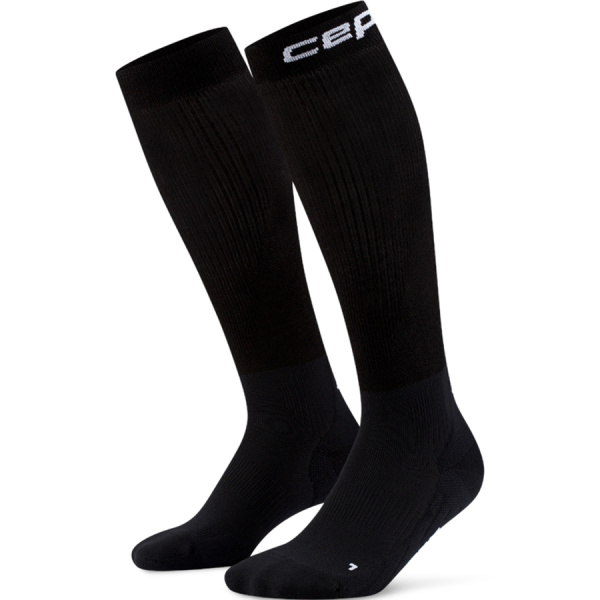

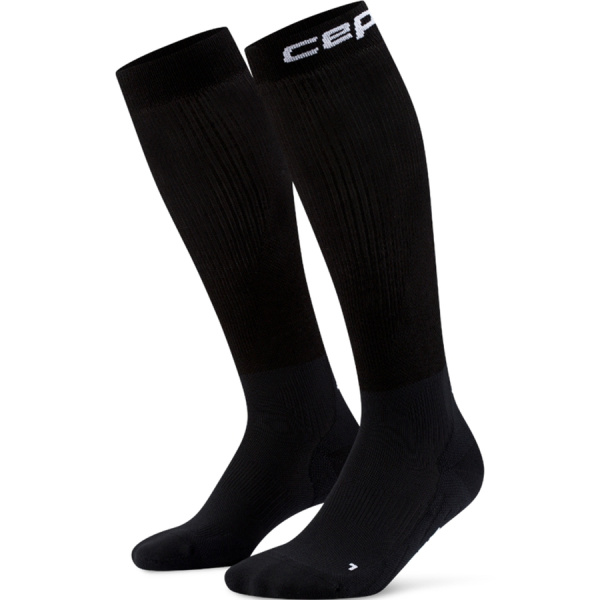


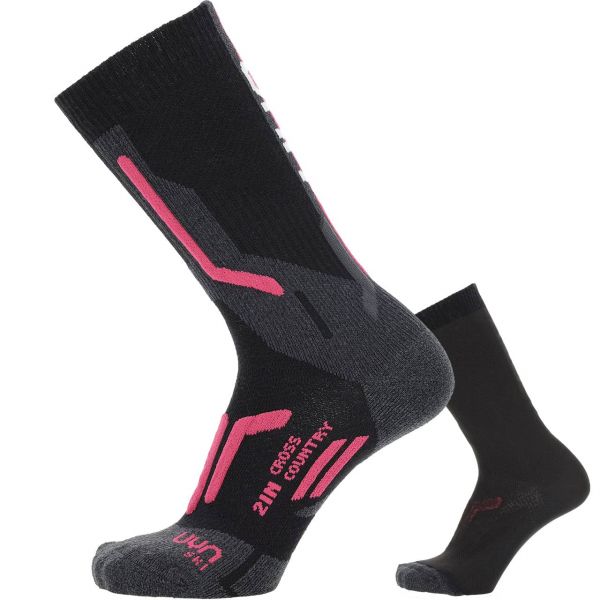
Cross-Country Ski Socks: It’s All About Flexibility, Fit, and Moisture Management
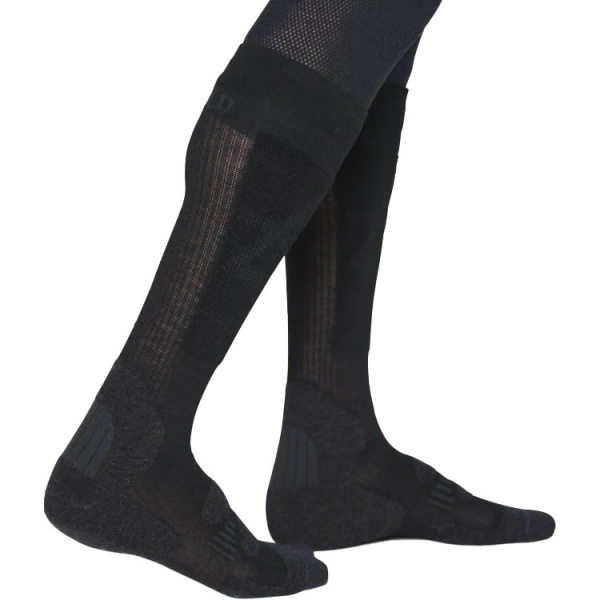
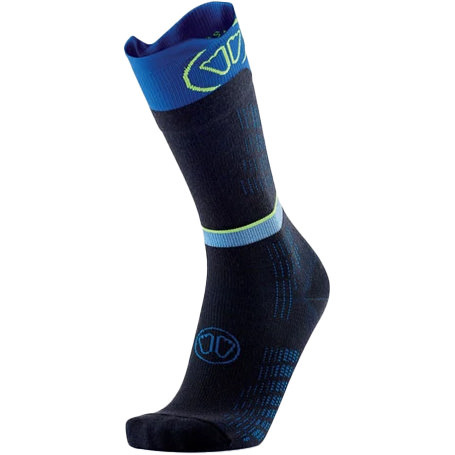
Good cross-country skiing socks must do two things above all else: support the foot with every stride and remain comfortable even during intense physical activity. In classic cross-country skiing, the forefoot is repeatedly flexed, while in Skating, lateral forces act on the foot. This requires elastic materials, a secure heel fit, and a design that’s as wrinkle-free as possible.
For athletic activities, thin performance socks are usually the best choice. On longer runs or in cold temperatures, lightly padded models made with merino wool may be more comfortable. What matters isn’t the number of performance zones, but how well the sock suits your running style and personal sensitivity to heat. At XSPO, you’ll find cross-country skiing socks for various needs in classic and Skating styles.
Which cross-country skiing socks are best for classic and Skating styles?
In classic cross-country skiing, forefoot flexibility is particularly important, while in Skating, a secure fit during lateral push-off movements is key. Both techniques place different demands on the design of cross-country skiing socks.
In classic cross-country skiing, the heel lifts off the ski during the push-off. At the same time, the foot bends at the metatarsophalangeal joints. The sock fabric must accommodate this movement without tightening across the instep or bunching up under the forefoot. Elastic instep panels and an anatomically shaped heel pocket are therefore particularly useful.
When skating, the push-off occurs laterally along the ski edge. This results in alternating pressure on the inner and outer sides of the foot. A flexible midfoot area can help keep the sock in place. It’s also important that the material doesn’t twist during repeated lateral movements.
The following applies to both running styles: Cross-country running socks should interfere as little as possible with the running motion. Thick padding is therefore not automatically better. Especially at a brisk pace, a thin, evenly fitted design can be more comfortable.
What characteristics make for good cross-country skiing socks?
The differences between cross-country skiing socks lie primarily in the material blend, elasticity, and the distribution of individual knitted zones. It’s not just a matter of which fibers are used, but also how they’re processed.
| Elastic flex zone | Allows the forefoot to flex during classic-style cross-country skiing. | Greater freedom of movement; if the springback is low, the sock may slip. |
| Anatomical heel pocket | Holds the material in place during repeated heel lifts. | Secure fit; an ill-fitting heel shape can cause wrinkles. |
| Elastic midfoot zone | Stabilizes the sock during lateral push-off movements. | Less fabric shifting; excessive tension can be uncomfortable. |
| Thin Material Construction | Reduces the amount of material between the foot and the cross-country ski boot. | Direct feel and good mobility; less additional thermal insulation. |
| Lightweight sole cushioning | Can distribute pressure more comfortably at selected contact points. | Greater comfort on long distances; additional material thickness can alter the fit. |
| Polyester and polypropylene | Water-repellent synthetic fibers that, when knitted in a suitable construction, aid in moisture wicking. | Often quick-drying; actual performance depends on the yarn and manufacturing process. |
| Polyamide | Increases abrasion resistance in high-stress areas. | Durable; however, it does not provide significant thermal insulation on its own. |
| Merino wool | Absorbs water vapor within the fiber and helps regulate temperature. | Comfortable under varying levels of activity; often takes longer to dry when heavily saturated with moisture. |
| Spandex | Improves the stretch and recovery of the knit fabric. | Helps create a close fit; excessive elasticity can feel constricting. |
Why is elasticity in the instep so important in cross-country skiing?
In classic cross-country skiing, the forefoot is flexed at the metatarsophalangeal joints during the push-off phase. As this happens, the sock fabric over the top of the foot must stretch. If this area is too stiff, additional tension can build up and cause the material to shift out of place.
It’s not just stretchability that matters. A good cross-country skiing sock must reliably return to its original shape after every movement. Otherwise, the material can gradually shift out of place during a longer training session.
Elastic knit zones containing spandex can support this ability to regain shape. However, how well this works also depends on the yarn construction and the proper sock size.
Why is heel support crucial for cross-country skiing socks?
In classic cross-country skiing, the heel lifts off the ground during the push-off. The boot follows this movement while the forefoot is guided over the binding. This can cause slight movements between the foot, the sock, and the boot liner.
An anatomical heel pocket helps keep the fabric in place. If the sock is too large, excess fabric can gather behind the heel. If the sock is too small, on the other hand, tension often builds up between the heel and the toe area.
When skating, the heel is held more firmly in place by the shoe’s construction. This results in more pronounced lateral forces. Here, too, a secure heel fit is important to prevent the sock from twisting inside the shoe.
What materials are best suited for high-intensity training?
Cross-country skiing generates a lot of heat due to continuous muscle activity. Sweat production can increase significantly, especially during intense climbs. The sock should therefore be suited to the level of exertion and regulate moisture as effectively as possible.
Polyester and polypropylene absorb very little moisture within their fibers. With the right knit construction, liquid sweat can be channeled and distributed along the fiber surfaces. This helps the fabric dry more quickly.
Merino wool works differently. Its fibers can absorb water vapor and temporarily retain moisture. This can be comfortable when activity levels fluctuate. However, when thoroughly saturated, wool often takes longer to dry.
For intense cross-country skiing sessions, thin synthetic fiber blends are often a good choice. For longer tours with varying paces, merino blends can offer advantages. However, a specific fiber content alone doesn’t tell you anything about the actual performance of the finished sock.
How do you find the right cross-country skiing socks?
- Base your choice on your skiing technique. For classic cross-country skiing, a flexible instep area and a snug-fitting heel cup are especially important. For Skating, make sure the boot stays secure during side-to-side movements. Many models work for both techniques.
- Consider your training pace. For fast-paced workouts and races, thin cross-country skiing socks are usually best. For longer outings at a moderate pace, a little padding can provide extra comfort.
- Choose the material based on how much you sweat. If you sweat a lot, functional synthetic fiber blends are a good option. For varying levels of exertion and cooler temperatures, cross-country skiing socks made with merino wool can be comfortable.
- Check the flexibility of the forefoot. Bend the metatarsophalangeal joints of your toes and see if the fabric feels tight across the instep. Especially in classic-style cross-country skiing, the sock should accommodate this movement without any uncomfortable tightness.
- Check the heel and midfoot. The heel cup must be positioned correctly. Elastic midfoot panels are designed to provide stability but should not exert uncomfortable pressure on the arch of the foot.
- Choose the appropriate cuff length. The sock should extend past the upper edge of the cross-country ski boot. A longer cuff isn't necessarily better, as long as the relevant areas are adequately covered.
- Test the socks while moving. Stand on your tiptoes, flex your forefoot, and simulate side-to-side push-off movements. The sock should neither slide up toward your heel nor bunch up under your forefoot. This test is most effective when done in your cross-country skiing boots.
Our tip at XSPO: When choosing cross-country skiing socks, focus less on the number of advertised functional zones and more on how they fit while you’re moving. Especially in classic-style cross-country skiing, a sock may feel comfortable when you’re standing still, but it can slip during repeated push-offs. An elastic, dimensionally stable construction is therefore often more important than extra padding.
At XSPO, as a family-run winter sports specialist, we focus on the various requirements for functional cross-country skiing gear. Our passion for skiing and our personalized expert advice will help you choose cross-country skiing socks not only based on material or brand, but also based on your skiing technique and intended use.
Frequently Asked Questions About Cross-Country Ski Socks
Cross-Country Ski Socks: It’s All About Flexibility, Fit, and Moisture Management
Good cross-country skiing socks must do two things above all else: support the foot with every stride and remain comfortable even during intense physical activity. In classic cross-country skiing, the forefoot is repeatedly flexed, while in Skating, lateral forces act on the foot. This requires elastic materials, a secure heel fit, and a design that’s as wrinkle-free as possible.
For athletic activities, thin performance socks are usually the best choice. On longer runs or in cold temperatures, lightly padded models made with merino wool may be more comfortable. What matters isn’t the number of performance zones, but how well the sock suits your running style and personal sensitivity to heat. At XSPO, you’ll find cross-country skiing socks for various needs in classic and Skating styles.
Which cross-country skiing socks are best for classic and Skating styles?
In classic cross-country skiing, forefoot flexibility is particularly important, while in Skating, a secure fit during lateral push-off movements is key. Both techniques place different demands on the design of cross-country skiing socks.
In classic cross-country skiing, the heel lifts off the ski during the push-off. At the same time, the foot bends at the metatarsophalangeal joints. The sock fabric must accommodate this movement without tightening across the instep or bunching up under the forefoot. Elastic instep panels and an anatomically shaped heel pocket are therefore particularly useful.
When skating, the push-off occurs laterally along the ski edge. This results in alternating pressure on the inner and outer sides of the foot. A flexible midfoot area can help keep the sock in place. It’s also important that the material doesn’t twist during repeated lateral movements.
The following applies to both running styles: Cross-country running socks should interfere as little as possible with the running motion. Thick padding is therefore not automatically better. Especially at a brisk pace, a thin, evenly fitted design can be more comfortable.
What characteristics make for good cross-country skiing socks?
The differences between cross-country skiing socks lie primarily in the material blend, elasticity, and the distribution of individual knitted zones. It’s not just a matter of which fibers are used, but also how they’re processed.
| Elastic flex zone | Allows the forefoot to flex during classic-style cross-country skiing. | Greater freedom of movement; if the springback is low, the sock may slip. |
| Anatomical heel pocket | Holds the material in place during repeated heel lifts. | Secure fit; an ill-fitting heel shape can cause wrinkles. |
| Elastic midfoot zone | Stabilizes the sock during lateral push-off movements. | Less fabric shifting; excessive tension can be uncomfortable. |
| Thin Material Construction | Reduces the amount of material between the foot and the cross-country ski boot. | Direct feel and good mobility; less additional thermal insulation. |
| Lightweight sole cushioning | Can distribute pressure more comfortably at selected contact points. | Greater comfort on long distances; additional material thickness can alter the fit. |
| Polyester and polypropylene | Water-repellent synthetic fibers that, when knitted in a suitable construction, aid in moisture wicking. | Often quick-drying; actual performance depends on the yarn and manufacturing process. |
| Polyamide | Increases abrasion resistance in high-stress areas. | Durable; however, it does not provide significant thermal insulation on its own. |
| Merino wool | Absorbs water vapor within the fiber and helps regulate temperature. | Comfortable under varying levels of activity; often takes longer to dry when heavily saturated with moisture. |
| Spandex | Improves the stretch and recovery of the knit fabric. | Helps create a close fit; excessive elasticity can feel constricting. |
Why is elasticity in the instep so important in cross-country skiing?
In classic cross-country skiing, the forefoot is flexed at the metatarsophalangeal joints during the push-off phase. As this happens, the sock fabric over the top of the foot must stretch. If this area is too stiff, additional tension can build up and cause the material to shift out of place.
It’s not just stretchability that matters. A good cross-country skiing sock must reliably return to its original shape after every movement. Otherwise, the material can gradually shift out of place during a longer training session.
Elastic knit zones containing spandex can support this ability to regain shape. However, how well this works also depends on the yarn construction and the proper sock size.
Why is heel support crucial for cross-country skiing socks?
In classic cross-country skiing, the heel lifts off the ground during the push-off. The boot follows this movement while the forefoot is guided over the binding. This can cause slight movements between the foot, the sock, and the boot liner.
An anatomical heel pocket helps keep the fabric in place. If the sock is too large, excess fabric can gather behind the heel. If the sock is too small, on the other hand, tension often builds up between the heel and the toe area.
When skating, the heel is held more firmly in place by the shoe’s construction. This results in more pronounced lateral forces. Here, too, a secure heel fit is important to prevent the sock from twisting inside the shoe.
What materials are best suited for high-intensity training?
Cross-country skiing generates a lot of heat due to continuous muscle activity. Sweat production can increase significantly, especially during intense climbs. The sock should therefore be suited to the level of exertion and regulate moisture as effectively as possible.
Polyester and polypropylene absorb very little moisture within their fibers. With the right knit construction, liquid sweat can be channeled and distributed along the fiber surfaces. This helps the fabric dry more quickly.
Merino wool works differently. Its fibers can absorb water vapor and temporarily retain moisture. This can be comfortable when activity levels fluctuate. However, when thoroughly saturated, wool often takes longer to dry.
For intense cross-country skiing sessions, thin synthetic fiber blends are often a good choice. For longer tours with varying paces, merino blends can offer advantages. However, a specific fiber content alone doesn’t tell you anything about the actual performance of the finished sock.
How do you find the right cross-country skiing socks?
- Base your choice on your skiing technique. For classic cross-country skiing, a flexible instep area and a snug-fitting heel cup are especially important. For Skating, make sure the boot stays secure during side-to-side movements. Many models work for both techniques.
- Consider your training pace. For fast-paced workouts and races, thin cross-country skiing socks are usually best. For longer outings at a moderate pace, a little padding can provide extra comfort.
- Choose the material based on how much you sweat. If you sweat a lot, functional synthetic fiber blends are a good option. For varying levels of exertion and cooler temperatures, cross-country skiing socks made with merino wool can be comfortable.
- Check the flexibility of the forefoot. Bend the metatarsophalangeal joints of your toes and see if the fabric feels tight across the instep. Especially in classic-style cross-country skiing, the sock should accommodate this movement without any uncomfortable tightness.
- Check the heel and midfoot. The heel cup must be positioned correctly. Elastic midfoot panels are designed to provide stability but should not exert uncomfortable pressure on the arch of the foot.
- Choose the appropriate cuff length. The sock should extend past the upper edge of the cross-country ski boot. A longer cuff isn't necessarily better, as long as the relevant areas are adequately covered.
- Test the socks while moving. Stand on your tiptoes, flex your forefoot, and simulate side-to-side push-off movements. The sock should neither slide up toward your heel nor bunch up under your forefoot. This test is most effective when done in your cross-country skiing boots.
Our tip at XSPO: When choosing cross-country skiing socks, focus less on the number of advertised functional zones and more on how they fit while you’re moving. Especially in classic-style cross-country skiing, a sock may feel comfortable when you’re standing still, but it can slip during repeated push-offs. An elastic, dimensionally stable construction is therefore often more important than extra padding.
At XSPO, as a family-run winter sports specialist, we focus on the various requirements for functional cross-country skiing gear. Our passion for skiing and our personalized expert advice will help you choose cross-country skiing socks not only based on material or brand, but also based on your skiing technique and intended use.