












22 of 92 Products shown
Functional Underwear for Cross-Country Skiing: Stay Dry During Intense Activity
When cross-country skiing, your body generates a lot of heat and sweat, even in sub-zero temperatures. The right functional underwear for cross-country skiing wicks moisture away from the skin, helps regulate body temperature, and moves with you. Lightweight, breathable materials are especially crucial during intense training sessions to ensure that as little moisture as possible builds up on your skin.
Whether you’re into Skating, classic cross-country skiing, or leisurely tours: At XSPO, you’ll find functional cross-country skiing underwear for a variety of activity levels and temperatures. Find out here what matters most when it comes to material, fit, and ventilation.
What does functional underwear need to do for cross-country skiing?
Cross-country skiing engages large muscle groups in the arms, legs, and core. Continuous movement generates metabolic heat over an extended period. As a result, sweat production can be significant even at low outdoor temperatures.
The most important function of cross-country skiing base layers is to wick away moisture as efficiently as possible while providing sufficient freedom of movement. The first layer of clothing should absorb sweat, distribute it within the fabric, and promote its evaporation. How quickly this happens depends on the fibers used, the knit structure, and the layers of clothing worn on top.
Unlike most winter activities that involve little movement, cross-country skiing often does not require a particularly high level of thermal insulation. Functional underwear that is too thick can hinder heat dissipation during intense exertion and thus lead to increased sweating.
What kind of technical underwear is suitable for Skating and classic cross-country skiing?
Skating and classic cross-country skiing differ in their movement patterns. This results in different requirements for the elasticity, fit, and construction of the base layers. The appropriate material thickness, however, depends primarily on the actual intensity of the workout.
Functional Underwear for Skating
When skating, lateral push-off movements, dynamic weight shifts, and active use of the poles create a wide range of motion. Especially in the shoulder area, hips, and thighs, performance underwear must accommodate these movements without restriction.
Lightweight, stretchy performance shirts and performance pants with high breathability are ideal for athletic Skating. Synthetic materials such as polyester or polypropylene are often beneficial during high-intensity workouts that cause heavy sweating, as they retain little moisture within the fibers and dry quickly when designed appropriately.
During high-intensity activity, targeted ventilation zones on the upper body can help dissipate excess heat. It’s also crucial that the performance shirt doesn’t ride up during repeated arm movements.
Functional Underwear for Classic Cross-Country Skiing
In classic cross-country skiing, movements in the direction of travel dominate. The diagonal stride, double-pole push, and double-pole push with an intermediate step place different demands on the mobility of the shoulders, torso, and hips.
Even in classic cross-country skiing, the physical strain can be very high. Those who ski fast and competitively therefore also benefit from thin, quick-drying performance underwear.
For leisurely, low-intensity cross-country skiing sessions, however, a slightly more insulating fabric construction can be comfortable. Merino wool or functional blended fabrics are good options here, especially when maintaining a balanced moisture level and minimizing odor are important.
What materials and features are important in cross-country skiing base layers?
When making a selection, it’s not just the fiber composition that matters. Material density, elasticity, and knit construction also influence how quickly moisture is wicked away, how much heat is retained, and how comfortable the performance underwear is to wear during extended periods of activity.
| Polyester | Low moisture absorption within the fiber, often dries quickly, and retains its shape well. | Can effectively suppress sweat odors. | Intense endurance training and competitions. |
| Polypropylene | Very low moisture absorption, lightweight, and well-suited for rapid moisture wicking. | Limited heat resistance during care; odor formation possible. | High-sweat activities and lightweight performance apparel. |
| Polyamide | High abrasion resistance and good durability, especially in elastic blended fabrics. | Moisture management and drying performance depend heavily on the construction. | Sturdy, form-fitting functional underwear. |
| Merino wool | Can absorb water vapor and regulate moisture. Relatively low odor development. | When heavily saturated, drying times are often longer than with synthetic fibers. | Moderate activity levels and longer cross-country skiing sessions. |
| Merino-synthetic blend | Depending on the composition, combines moisture buffering with improved durability and faster drying. | Properties vary significantly depending on the blend ratio. | Varying levels of exertion and versatile use. |
| Stretchy knit construction | Supports freedom of movement and a form-fitting design during dynamic cross-country skiing movements. | Excessive compression can compromise comfort. | Skating and athletic classic-style cross-country skiing. |
| Body mapping | Targeted ventilation and varying fabric densities can support temperature regulation. | The effect depends on the position and construction of the functional zones. | Intense training that generates a lot of heat. |
Why is quick-drying important in cross-country skiing?
During longer training sessions, you sweat continuously. If moisture cannot be adequately wicked away, the moisture content of your clothing increases. This can reduce comfort and, especially during a break in training, contribute to more significant cooling of the body.
Polyester and polypropylene themselves absorb only a small amount of water into the interior of their fibers. With the right yarn structure, liquid sweat can be distributed along the fiber surfaces. The larger wetted surface area promotes evaporation.
However, rapid moisture-wicking does not necessarily mean high breathability. A material can effectively wick away sweat while still being relatively tightly knit. For intense cross-country skiing, therefore, the combination of moisture-wicking, adequate ventilation, and a thin fabric is particularly beneficial.
Body Mapping in Cross-Country Skiing: What Are the Benefits of Functional Ventilation Zones?
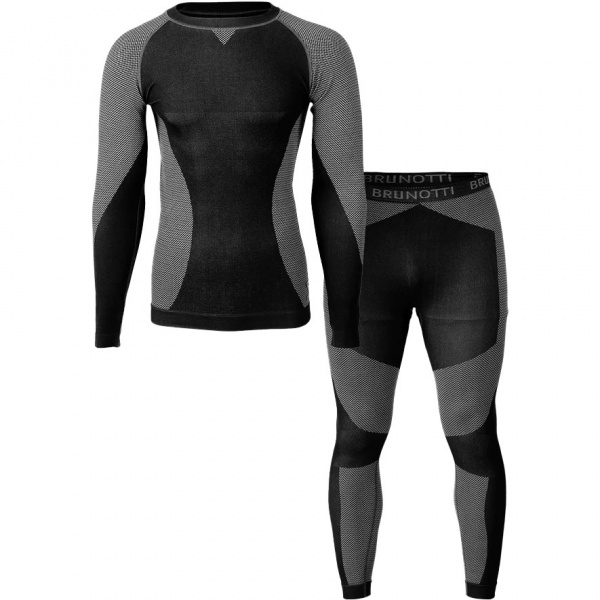
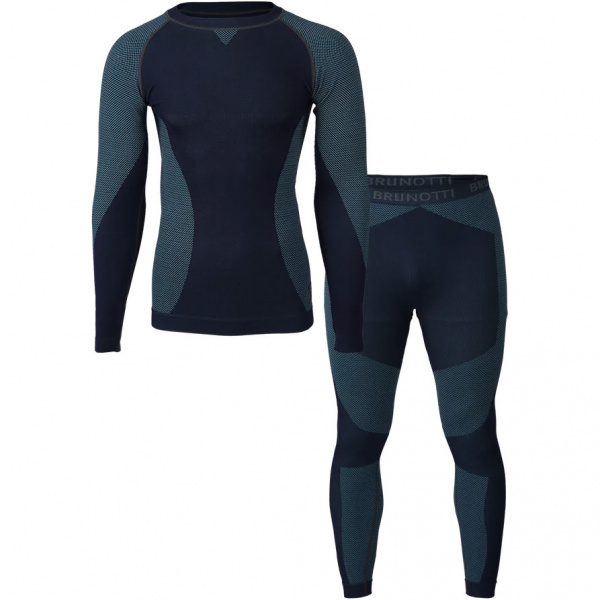
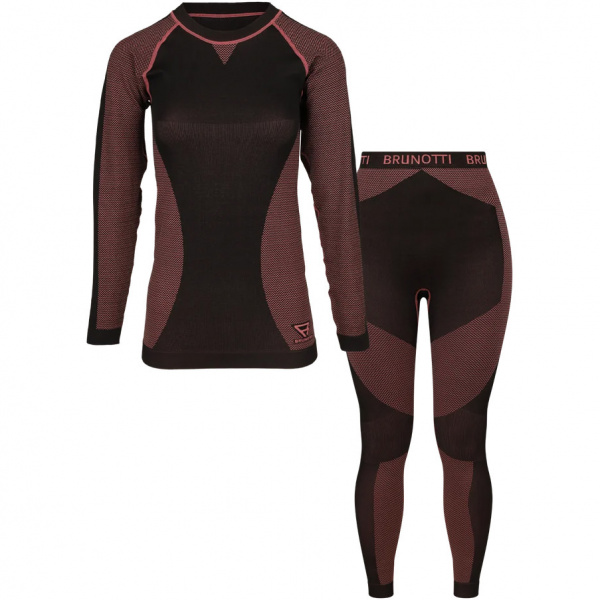
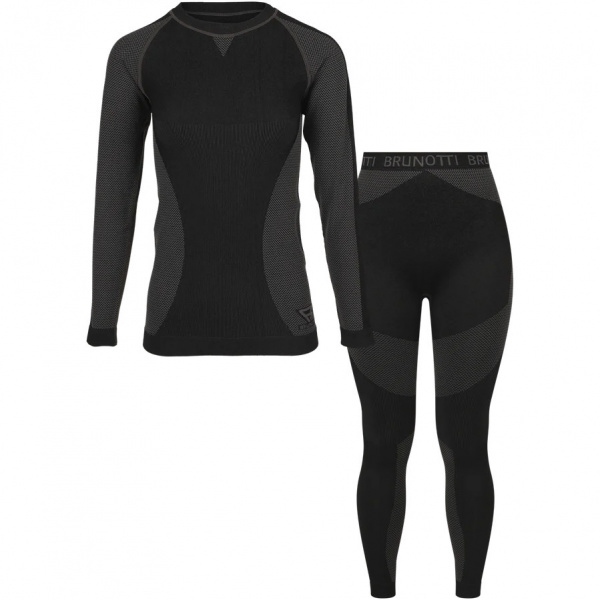
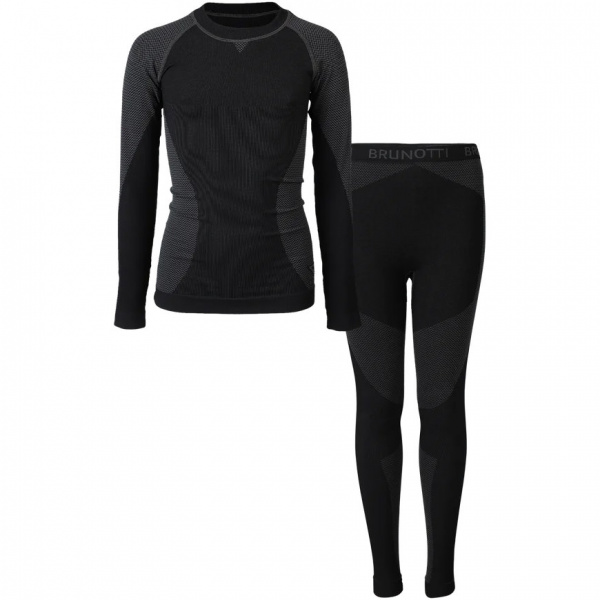
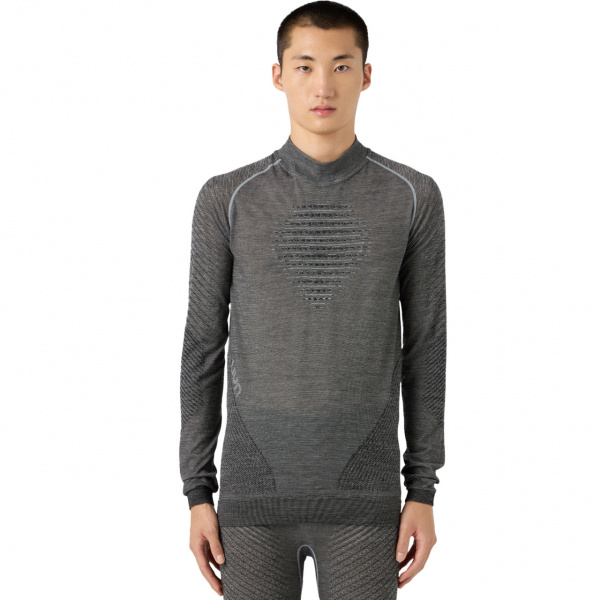
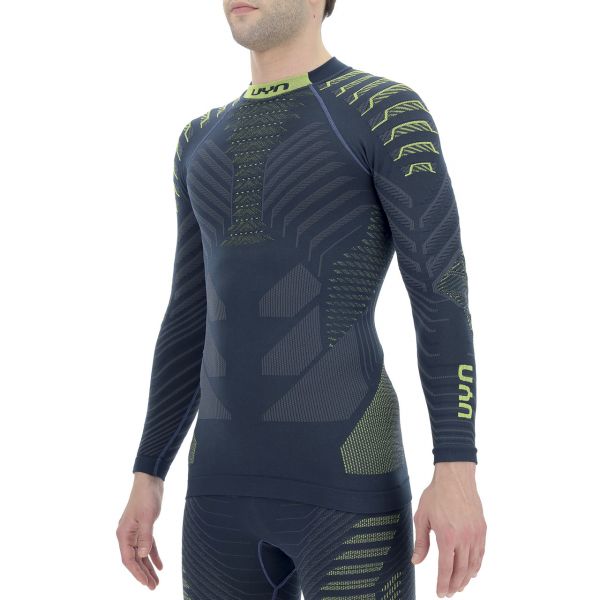
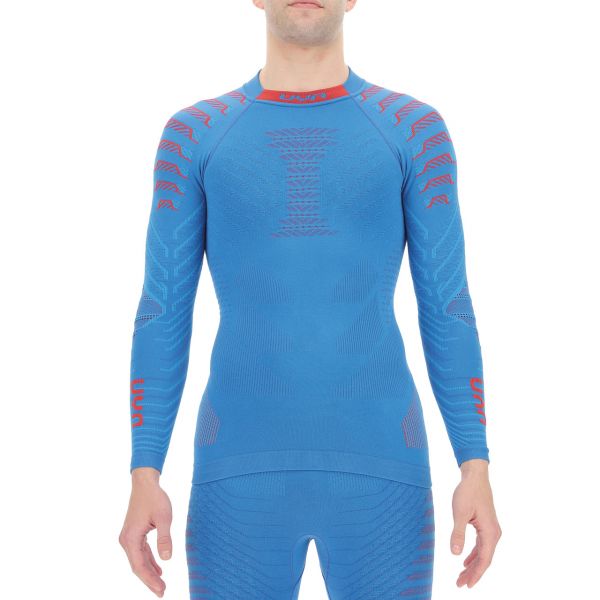
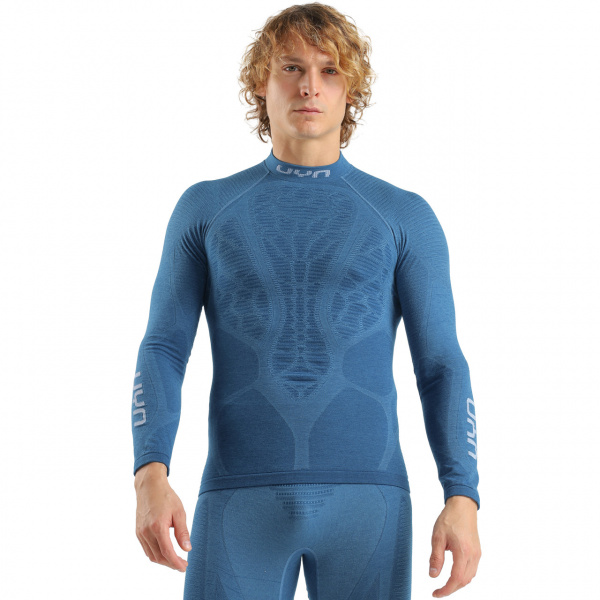
Body mapping refers to the strategic arrangement of different fabric structures within a garment. In functional underwear, for example, more open-knit areas can be used for additional ventilation, while denser zones provide greater thermal insulation.
This design is particularly beneficial for cross-country skiing because the upper body, arms, and legs are subjected to varying levels of exertion during movement and generate heat.
Typical functional zones in cross-country skiing underwear include:
- Back area: More open knit structures can promote ventilation and moisture wicking.
- Underarm area: Thinner fabric sections can reduce heat buildup during repeated arm movements.
- Chest and abdomen: Denser knit areas can provide additional thermal insulation when designed appropriately.
- Shoulders and arms: Stretch panels support the wide range of motion required when using poles.
- Hips and knees: Stretchable materials can reduce tension and slipping during repeated bending and stretching.
The actual effect depends on the specific design. Not all performance underwear with body mapping has the same zones or automatically provides better ventilation than a uniformly knitted model.
Why is fit particularly important for cross-country skiing performance underwear?
In cross-country skiing, arm and leg movements are repeated over many thousands of cycles. Even small wrinkles, poorly placed seams, or hems that ride up can therefore become uncomfortable over longer distances.
Functional underwear should fit snugly enough to ensure even contact with the skin, but allow for every cross-country skiing movement without noticeable resistance. Especially during the double-pole push, the shirt must not pull excessively tight across the shoulders or ride up the back.
An extended back panel can provide additional comfort in styles with the appropriate cut. Flat seams reduce potential areas of friction, while elastic cuffs can help prevent the garment from slipping.
When it comes to performance pants, mobility in the hip area is especially important. The fabric shouldn’t feel tight when pushing off to the side during Skating or when extending your legs in classic-style cross-country skiing. The waistband must also fit securely without cutting into your skin when you lean forward.
How do you find the right performance underwear for cross-country skiing?
Determining Training Intensity: For high-intensity intervals, fast Skating, and performance-oriented classic cross-country skiing, lightweight, quick-drying materials are usually the best choice. At a leisurely pace, a more insulating option may be more comfortable.
Consider your personal sweating tendencies: If you sweat heavily even after brief physical activity, you should opt for thin synthetic underwear with good breathability. If you don't sweat as much, merino wool or blended fabrics may be a good alternative.
Check for freedom of movement: Look for stretchy materials and a close-fitting cut. The performance shirt shouldn't feel uncomfortably tight or ride up, even when you stretch your arms forward.
Choose fabric zones wisely: During intense workouts, ventilation zones on the back and under the arms can be helpful. For moderate activity, a uniform fabric construction is often sufficient.
Adjust the thickness of the fabric: Thin performance underwear promotes heat dissipation during high-intensity activity. Thicker materials can retain more heat during low-intensity activity, but may increase sweating during vigorous exercise.
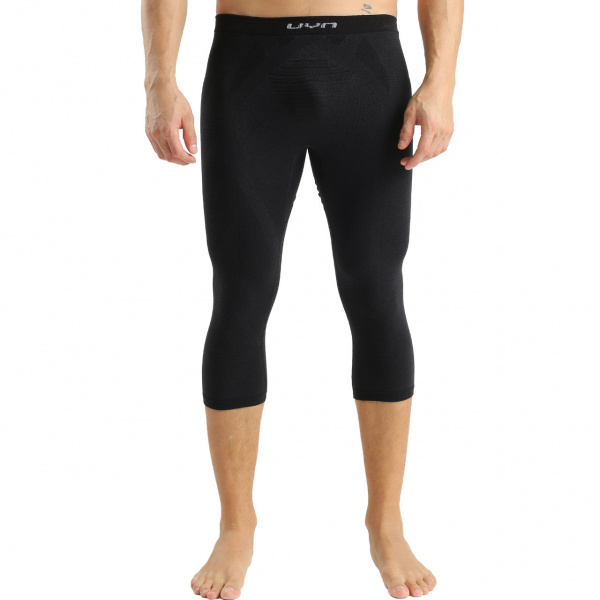
Matching Performance Pants and Shirts: Long performance pants provide full coverage of the legs. Three-quarter-length styles reduce the amount of extra fabric on the lower part of the calf. Which length is more comfortable depends on the fit and your personal sensitivity to heat.
At XSPO, you’ll find performance underwear designed for a variety of needs in Nordic skiing. As a family-run winter sports specialist, XSPO prides itself on expert advice and a carefully curated product selection. This allows you to tailor the material, fit, and functional features specifically to your cross-country skiing training.
Frequently Asked Questions About Performance Underwear for Cross-Country Skiing
Functional Underwear for Cross-Country Skiing: Stay Dry During Intense Activity
When cross-country skiing, your body generates a lot of heat and sweat, even in sub-zero temperatures. The right functional underwear for cross-country skiing wicks moisture away from the skin, helps regulate body temperature, and moves with you. Lightweight, breathable materials are especially crucial during intense training sessions to ensure that as little moisture as possible builds up on your skin.
Whether you’re into Skating, classic cross-country skiing, or leisurely tours: At XSPO, you’ll find functional cross-country skiing underwear for a variety of activity levels and temperatures. Find out here what matters most when it comes to material, fit, and ventilation.
What does functional underwear need to do for cross-country skiing?
Cross-country skiing engages large muscle groups in the arms, legs, and core. Continuous movement generates metabolic heat over an extended period. As a result, sweat production can be significant even at low outdoor temperatures.
The most important function of cross-country skiing base layers is to wick away moisture as efficiently as possible while providing sufficient freedom of movement. The first layer of clothing should absorb sweat, distribute it within the fabric, and promote its evaporation. How quickly this happens depends on the fibers used, the knit structure, and the layers of clothing worn on top.
Unlike most winter activities that involve little movement, cross-country skiing often does not require a particularly high level of thermal insulation. Functional underwear that is too thick can hinder heat dissipation during intense exertion and thus lead to increased sweating.
What kind of technical underwear is suitable for Skating and classic cross-country skiing?
Skating and classic cross-country skiing differ in their movement patterns. This results in different requirements for the elasticity, fit, and construction of the base layers. The appropriate material thickness, however, depends primarily on the actual intensity of the workout.
Functional Underwear for Skating
When skating, lateral push-off movements, dynamic weight shifts, and active use of the poles create a wide range of motion. Especially in the shoulder area, hips, and thighs, performance underwear must accommodate these movements without restriction.
Lightweight, stretchy performance shirts and performance pants with high breathability are ideal for athletic Skating. Synthetic materials such as polyester or polypropylene are often beneficial during high-intensity workouts that cause heavy sweating, as they retain little moisture within the fibers and dry quickly when designed appropriately.
During high-intensity activity, targeted ventilation zones on the upper body can help dissipate excess heat. It’s also crucial that the performance shirt doesn’t ride up during repeated arm movements.
Functional Underwear for Classic Cross-Country Skiing
In classic cross-country skiing, movements in the direction of travel dominate. The diagonal stride, double-pole push, and double-pole push with an intermediate step place different demands on the mobility of the shoulders, torso, and hips.
Even in classic cross-country skiing, the physical strain can be very high. Those who ski fast and competitively therefore also benefit from thin, quick-drying performance underwear.
For leisurely, low-intensity cross-country skiing sessions, however, a slightly more insulating fabric construction can be comfortable. Merino wool or functional blended fabrics are good options here, especially when maintaining a balanced moisture level and minimizing odor are important.
What materials and features are important in cross-country skiing base layers?
When making a selection, it’s not just the fiber composition that matters. Material density, elasticity, and knit construction also influence how quickly moisture is wicked away, how much heat is retained, and how comfortable the performance underwear is to wear during extended periods of activity.
| Polyester | Low moisture absorption within the fiber, often dries quickly, and retains its shape well. | Can effectively suppress sweat odors. | Intense endurance training and competitions. |
| Polypropylene | Very low moisture absorption, lightweight, and well-suited for rapid moisture wicking. | Limited heat resistance during care; odor formation possible. | High-sweat activities and lightweight performance apparel. |
| Polyamide | High abrasion resistance and good durability, especially in elastic blended fabrics. | Moisture management and drying performance depend heavily on the construction. | Sturdy, form-fitting functional underwear. |
| Merino wool | Can absorb water vapor and regulate moisture. Relatively low odor development. | When heavily saturated, drying times are often longer than with synthetic fibers. | Moderate activity levels and longer cross-country skiing sessions. |
| Merino-synthetic blend | Depending on the composition, combines moisture buffering with improved durability and faster drying. | Properties vary significantly depending on the blend ratio. | Varying levels of exertion and versatile use. |
| Stretchy knit construction | Supports freedom of movement and a form-fitting design during dynamic cross-country skiing movements. | Excessive compression can compromise comfort. | Skating and athletic classic-style cross-country skiing. |
| Body mapping | Targeted ventilation and varying fabric densities can support temperature regulation. | The effect depends on the position and construction of the functional zones. | Intense training that generates a lot of heat. |
Why is quick-drying important in cross-country skiing?
During longer training sessions, you sweat continuously. If moisture cannot be adequately wicked away, the moisture content of your clothing increases. This can reduce comfort and, especially during a break in training, contribute to more significant cooling of the body.
Polyester and polypropylene themselves absorb only a small amount of water into the interior of their fibers. With the right yarn structure, liquid sweat can be distributed along the fiber surfaces. The larger wetted surface area promotes evaporation.
However, rapid moisture-wicking does not necessarily mean high breathability. A material can effectively wick away sweat while still being relatively tightly knit. For intense cross-country skiing, therefore, the combination of moisture-wicking, adequate ventilation, and a thin fabric is particularly beneficial.
Body Mapping in Cross-Country Skiing: What Are the Benefits of Functional Ventilation Zones?
Body mapping refers to the strategic arrangement of different fabric structures within a garment. In functional underwear, for example, more open-knit areas can be used for additional ventilation, while denser zones provide greater thermal insulation.
This design is particularly beneficial for cross-country skiing because the upper body, arms, and legs are subjected to varying levels of exertion during movement and generate heat.
Typical functional zones in cross-country skiing underwear include:
- Back area: More open knit structures can promote ventilation and moisture wicking.
- Underarm area: Thinner fabric sections can reduce heat buildup during repeated arm movements.
- Chest and abdomen: Denser knit areas can provide additional thermal insulation when designed appropriately.
- Shoulders and arms: Stretch panels support the wide range of motion required when using poles.
- Hips and knees: Stretchable materials can reduce tension and slipping during repeated bending and stretching.
The actual effect depends on the specific design. Not all performance underwear with body mapping has the same zones or automatically provides better ventilation than a uniformly knitted model.
Why is fit particularly important for cross-country skiing performance underwear?
In cross-country skiing, arm and leg movements are repeated over many thousands of cycles. Even small wrinkles, poorly placed seams, or hems that ride up can therefore become uncomfortable over longer distances.
Functional underwear should fit snugly enough to ensure even contact with the skin, but allow for every cross-country skiing movement without noticeable resistance. Especially during the double-pole push, the shirt must not pull excessively tight across the shoulders or ride up the back.
An extended back panel can provide additional comfort in styles with the appropriate cut. Flat seams reduce potential areas of friction, while elastic cuffs can help prevent the garment from slipping.
When it comes to performance pants, mobility in the hip area is especially important. The fabric shouldn’t feel tight when pushing off to the side during Skating or when extending your legs in classic-style cross-country skiing. The waistband must also fit securely without cutting into your skin when you lean forward.
How do you find the right performance underwear for cross-country skiing?
Determining Training Intensity: For high-intensity intervals, fast Skating, and performance-oriented classic cross-country skiing, lightweight, quick-drying materials are usually the best choice. At a leisurely pace, a more insulating option may be more comfortable.
Consider your personal sweating tendencies: If you sweat heavily even after brief physical activity, you should opt for thin synthetic underwear with good breathability. If you don't sweat as much, merino wool or blended fabrics may be a good alternative.
Check for freedom of movement: Look for stretchy materials and a close-fitting cut. The performance shirt shouldn't feel uncomfortably tight or ride up, even when you stretch your arms forward.
Choose fabric zones wisely: During intense workouts, ventilation zones on the back and under the arms can be helpful. For moderate activity, a uniform fabric construction is often sufficient.
Adjust the thickness of the fabric: Thin performance underwear promotes heat dissipation during high-intensity activity. Thicker materials can retain more heat during low-intensity activity, but may increase sweating during vigorous exercise.
Matching Performance Pants and Shirts: Long performance pants provide full coverage of the legs. Three-quarter-length styles reduce the amount of extra fabric on the lower part of the calf. Which length is more comfortable depends on the fit and your personal sensitivity to heat.
At XSPO, you’ll find performance underwear designed for a variety of needs in Nordic skiing. As a family-run winter sports specialist, XSPO prides itself on expert advice and a carefully curated product selection. This allows you to tailor the material, fit, and functional features specifically to your cross-country skiing training.