








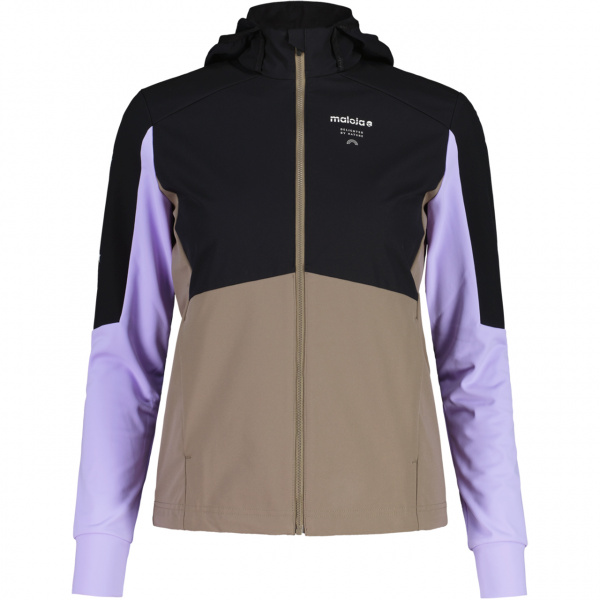


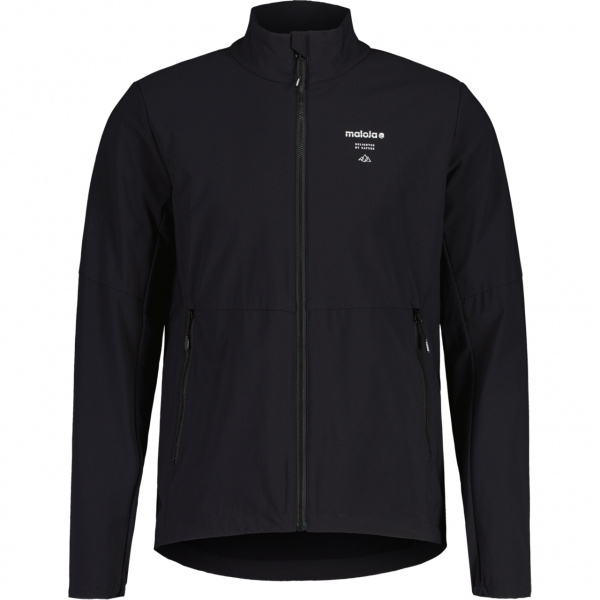
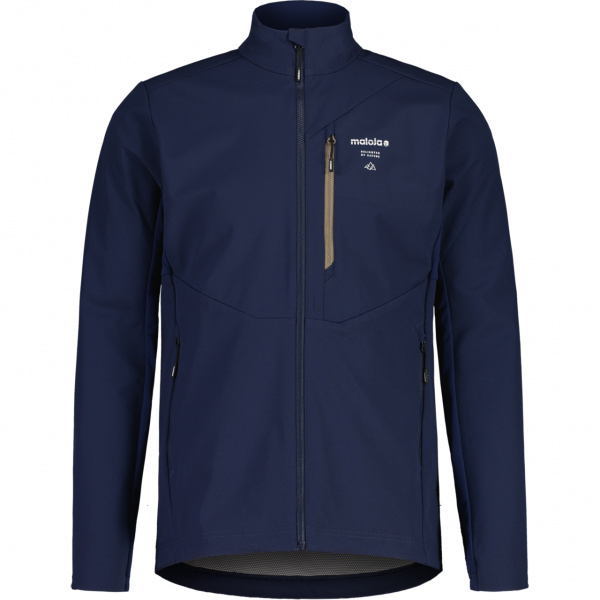
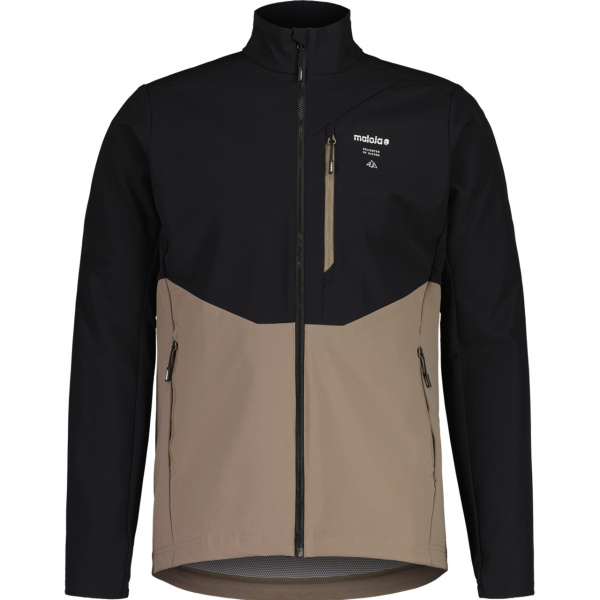
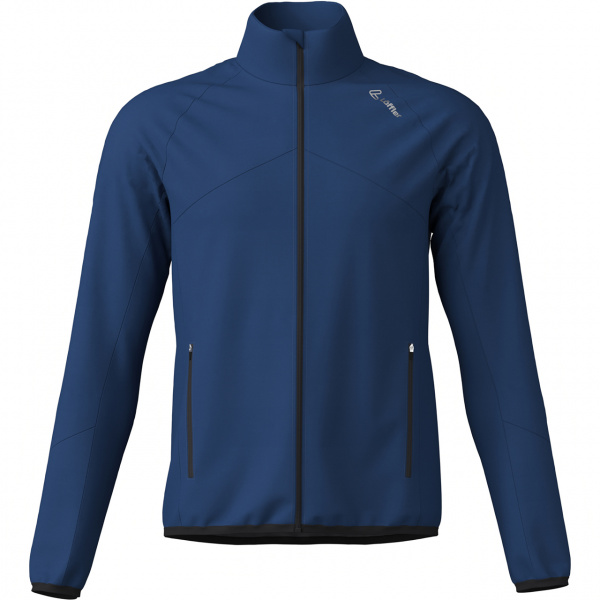
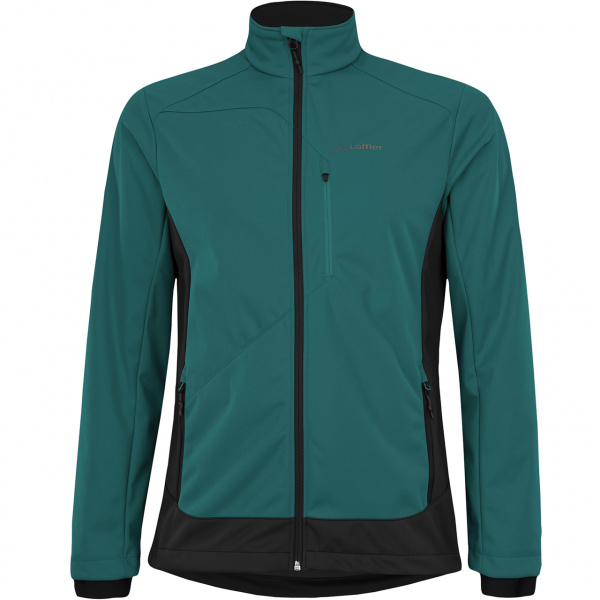
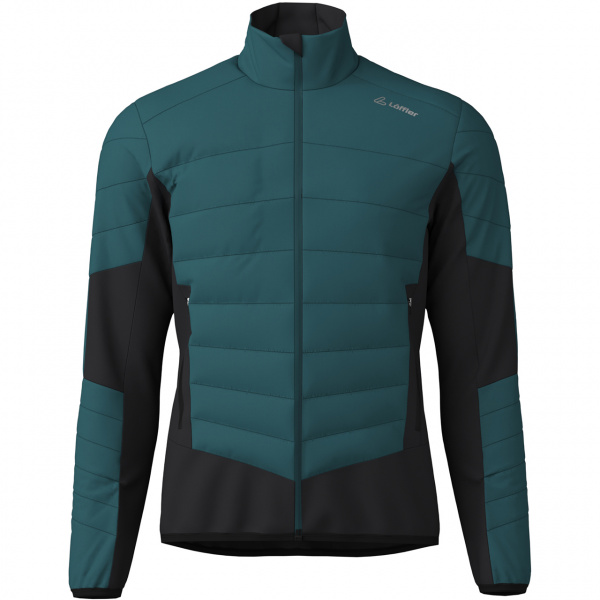
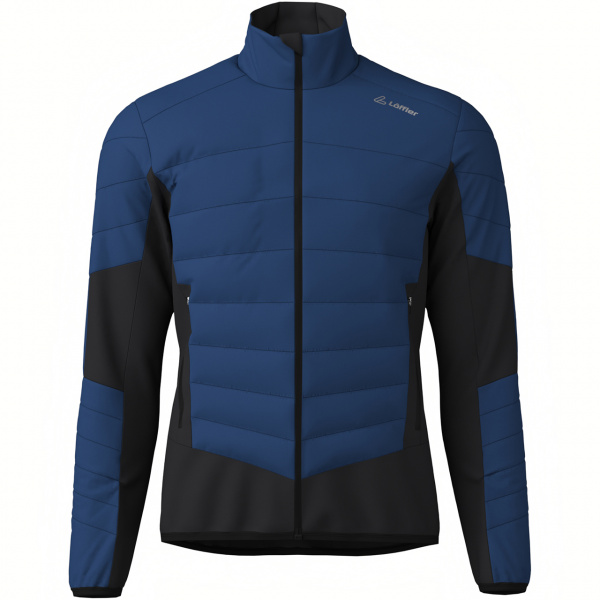
22 of 34 Products shown
Cross-country skiing jackets for men and women: wind protection meets breathability
A good cross-country skiing jacket keeps out the cold wind, allows excess body heat to escape and moves with you. It is not the thickness of the jacket that matters, but how well wind protection, breathability and thermal performance work together. Lightweight softshell jackets and hybrid designs with a windproof front and breathable panels at the back have proven particularly effective. At XSPO, you’ll find cross-country skiing jackets for men and women that are tailored to different temperatures, training intensities and personal needs.
What makes a good cross-country skiing jacket?<br/>
A cross-country skiing jacket is a functional outer layer designed for cross-country skiing that protects against wind and cold while also helping to wick away moisture and excess body heat. Its most important function is to maintain as balanced a body temperature as possible, even during fluctuating levels of physical exertion.
During cross-country skiing, heat production is constantly changing. On longer uphill sections, body temperature rises; on downhill sections, the physical exertion decreases, and the cold wind increases heat loss. If the jacket is too warm or not breathable enough, moisture builds up underneath it. When the body subsequently cools down, damp clothing can become uncomfortable. A properly fitted cross-country skiing jacket therefore doesn’t prevent sweating but helps manage heat and moisture.
To achieve this, many manufacturers use a technique known as “body mapping.” In this design, different materials are strategically placed on specific areas of the body. The chest, shoulders, and the front of the arms often receive stronger wind protection. On the back and under the arms, elastic, more breathable fabrics provide additional ventilation. The result is a jacket that offers protection where it’s needed most without trapping unnecessary heat.
Freedom of movement also plays an important role. In classic cross-country skiing, arm swings and double-pole pushes must be possible without restriction. In Skating, dynamic weight shifts and significant upper-body engagement are added to the mix. A well-tailored cross-country skiing jacket is suitable for both techniques, provided that the shoulders, sleeves, and back allow for sufficient freedom of movement.
How warm a cross-country skiing jacket should be depends primarily on three factors: outside temperature, wind, and skiing intensity. Someone skiing at a leisurely pace often needs more insulation than someone skiing at a fast pace. That’s why the warmest jacket isn’t automatically the best choice.
What materials and features are crucial for cross-country skiing jackets?
Softshell, stretch fabrics, and windproof membranes are among the most important materials in modern cross-country skiing jackets. They’re often combined to tailor protection and ventilation to the body’s varying needs. Each construction has its own strengths and limitations.
Windproof or wind-resistant: Which is better for cross-country skiing jackets?
Windproof materials largely prevent air from passing through, while wind-resistant fabrics allow for some air circulation, depending on their construction. Both features have their place in cross-country skiing.
In strong headwinds, a windproof front provides particularly good protection against getting cold. During intense physical activity, however, some breathability can help dissipate excess heat more quickly. That’s why cross-country skiing jackets with a windproof front and a breathable back are a practical solution for many cross-country skiers.
It’s important to distinguish between air permeability and water vapor permeability. A windproof membrane can allow water vapor to escape to the outside even though it barely lets any air through. However, how comfortable this feels while cross-country skiing depends on the overall material construction and the intensity of the activity.
How breathable does a cross-country skiing jacket need to be?
Cross-country skiing causes you to sweat, even at sub-zero temperatures. If moisture cannot escape sufficiently, it accumulates in the layers of clothing. This reduces comfort and can lead to hypothermia when the intensity of the activity decreases.
Breathability describes a material’s ability to allow water vapor to pass through. Two technical metrics help classify materials accordingly:
The RET value describes the resistance to water vapor transmission. The lower this value, the more easily water vapor can pass through the material under the respective test conditions.
The MVTR indicates the amount of water vapor transported through a defined material surface area within a specific time period. It is often expressed in grams per square meter over a 24-hour period. Higher values within the same test procedure indicate greater water vapor permeability.
However, values obtained from different testing methods cannot always be directly compared. Even a high lab value does not guarantee that the garment will stay dry over time. Additional factors such as ventilation zones, fit, and the layers worn underneath are also crucial for actual comfort.
How much thermal insulation does a cross-country skiing jacket need?
Thermal performance depends on more than just the thickness of the material. Trapped air, wind protection, and the fabric structure also influence how much body heat is retained.
A brushed inner surface, for example, can trap additional air and thus provide insulation. Other cross-country skiing jackets feature strategically placed insulation zones, such as in the chest area.
When choosing a jacket, the following rule applies: The higher the physical exertion, the less additional insulation is typically needed. However, a warmer design may be advisable when moving at a slow pace, in strong winds, or if you’re particularly sensitive to the cold.
What does “water-repellent” mean for cross-country skiing jackets?
Many cross-country skiing jackets feature a water-repellent surface treatment, often referred to as a DWR finish. The abbreviation stands for Durable Water Repellent. It reduces the immediate penetration of moisture into the outer fabric and causes water droplets to bead up and roll off at first.
However, water-repellent does not mean waterproof. During prolonged rain or wet snow, moisture can penetrate the material. The effectiveness of a DWR finish also diminishes with use and washing and may need to be reapplied according to the manufacturer’s instructions.
Therefore, the key factor in choosing a cross-country skiing jacket is the weather conditions in which it will primarily be worn. In dry winter weather, wind protection and breathability are often more important than a high level of waterproofing.
How do you find the right cross-country skiing jacket?
The best cross-country skiing jacket is the one whose warmth, material construction, and fit match your personal skiing style. Here at XSPO, we recommend paying special attention to the following points when making your selection:
Assess your skiing intensity and heat needs: For leisurely cross-country ski outings, a jacket with a brushed inner lining or light insulation can be comfortable. If you’re skiing at a brisk pace and generating a lot of body heat, you’ll often benefit from thinner materials and breathable panels. Be sure to also consider your personal sensitivity to the cold.
Choose wind protection based on typical conditions: On open, windy stretches, a windproof front is particularly helpful. In more sheltered conditions, a wind-resistant design with greater breathability may be sufficient. Hybrid jackets offer a versatile middle ground.
How to Apply the Onion Principle Correctly: The layering principle involves combining several layers of clothing that serve different purposes. The cross-country skiing jacket serves as the outer protective layer and should be matched to the thermal performance of the layers worn underneath. Functional underwear is worn directly against the skin; it absorbs moisture, distributes it, and helps wick it away. If necessary, a thin, insulating midlayer is added. The cross-country skiing jacket worn over it protects against the wind while allowing excess heat to escape as much as possible. During high-intensity runs, a functional base layer is often sufficient under a suitable jacket. At low temperatures or when skiing at a leisurely pace, an additional layer may be advisable. It’s important that the layers aren’t too tight against each other and that freedom of movement is maintained. Feeling slightly chilly at the start is normal, as heat production increases significantly during the first few minutes.
Check the fit and range of motion: A cross-country skiing jacket should fit close to the body without being too tight. There must be sufficient range of motion, especially at the shoulders, arms, and back. When using the double-pole push, the sleeves should not ride up noticeably, and the fabric should not pull tightly across the back. A slightly longer back can prevent the jacket from slipping when you lean forward.
Consider functional details: A full-length front zipper makes it easier to regulate your body temperature during a cross-country ski outing. A high collar protects the neck from cold wind, and elastic cuffs improve the fit. Zippered pockets provide storage for small items. Reflective elements increase visibility in low-light conditions but are not a substitute for active lighting.
Pay attention to material quality and care: A cross-country skiing jacket should retain its functional properties as well as possible, even with regular use. Therefore, follow the manufacturer’s care instructions. With many technical fabrics, it’s best to avoid fabric softener, as residues can impair the fabric’s performance. Water-repellent finishes can be maintained and refreshed as needed, following the manufacturer’s instructions.
Our recommendation for versatile cross-country skiing runs: A lightweight to medium-weight softshell jacket with a windproof front, breathable panels, and a stretchy fit covers many typical conditions. If you’re running at a low intensity or are particularly sensitive to the cold, a warmer version may be a better choice. On the other hand, if you’re running at a high intensity, you should pay special attention to ventilation and minimal additional insulation.
At XSPO, we focus on finding the right fit. As a family-run business with a passion for winter sports, we combine a diverse product selection with personalized expert advice. Our experience helps you understand materials, fits, and thermal performance so you can choose a cross-country skiing jacket that meets your needs.
Frequently Asked Questions About Cross-Country Ski Jackets
Cross-country skiing jackets for men and women: wind protection meets breathability
A good cross-country skiing jacket keeps out the cold wind, allows excess body heat to escape and moves with you. It is not the thickness of the jacket that matters, but how well wind protection, breathability and thermal performance work together. Lightweight softshell jackets and hybrid designs with a windproof front and breathable panels at the back have proven particularly effective. At XSPO, you’ll find cross-country skiing jackets for men and women that are tailored to different temperatures, training intensities and personal needs.
What makes a good cross-country skiing jacket?<br/>
A cross-country skiing jacket is a functional outer layer designed for cross-country skiing that protects against wind and cold while also helping to wick away moisture and excess body heat. Its most important function is to maintain as balanced a body temperature as possible, even during fluctuating levels of physical exertion.
During cross-country skiing, heat production is constantly changing. On longer uphill sections, body temperature rises; on downhill sections, the physical exertion decreases, and the cold wind increases heat loss. If the jacket is too warm or not breathable enough, moisture builds up underneath it. When the body subsequently cools down, damp clothing can become uncomfortable. A properly fitted cross-country skiing jacket therefore doesn’t prevent sweating but helps manage heat and moisture.
To achieve this, many manufacturers use a technique known as “body mapping.” In this design, different materials are strategically placed on specific areas of the body. The chest, shoulders, and the front of the arms often receive stronger wind protection. On the back and under the arms, elastic, more breathable fabrics provide additional ventilation. The result is a jacket that offers protection where it’s needed most without trapping unnecessary heat.
Freedom of movement also plays an important role. In classic cross-country skiing, arm swings and double-pole pushes must be possible without restriction. In Skating, dynamic weight shifts and significant upper-body engagement are added to the mix. A well-tailored cross-country skiing jacket is suitable for both techniques, provided that the shoulders, sleeves, and back allow for sufficient freedom of movement.
How warm a cross-country skiing jacket should be depends primarily on three factors: outside temperature, wind, and skiing intensity. Someone skiing at a leisurely pace often needs more insulation than someone skiing at a fast pace. That’s why the warmest jacket isn’t automatically the best choice.
What materials and features are crucial for cross-country skiing jackets?
Softshell, stretch fabrics, and windproof membranes are among the most important materials in modern cross-country skiing jackets. They’re often combined to tailor protection and ventilation to the body’s varying needs. Each construction has its own strengths and limitations.
Windproof or wind-resistant: Which is better for cross-country skiing jackets?
Windproof materials largely prevent air from passing through, while wind-resistant fabrics allow for some air circulation, depending on their construction. Both features have their place in cross-country skiing.
In strong headwinds, a windproof front provides particularly good protection against getting cold. During intense physical activity, however, some breathability can help dissipate excess heat more quickly. That’s why cross-country skiing jackets with a windproof front and a breathable back are a practical solution for many cross-country skiers.
It’s important to distinguish between air permeability and water vapor permeability. A windproof membrane can allow water vapor to escape to the outside even though it barely lets any air through. However, how comfortable this feels while cross-country skiing depends on the overall material construction and the intensity of the activity.
How breathable does a cross-country skiing jacket need to be?
Cross-country skiing causes you to sweat, even at sub-zero temperatures. If moisture cannot escape sufficiently, it accumulates in the layers of clothing. This reduces comfort and can lead to hypothermia when the intensity of the activity decreases.
Breathability describes a material’s ability to allow water vapor to pass through. Two technical metrics help classify materials accordingly:
The RET value describes the resistance to water vapor transmission. The lower this value, the more easily water vapor can pass through the material under the respective test conditions.
The MVTR indicates the amount of water vapor transported through a defined material surface area within a specific time period. It is often expressed in grams per square meter over a 24-hour period. Higher values within the same test procedure indicate greater water vapor permeability.
However, values obtained from different testing methods cannot always be directly compared. Even a high lab value does not guarantee that the garment will stay dry over time. Additional factors such as ventilation zones, fit, and the layers worn underneath are also crucial for actual comfort.
How much thermal insulation does a cross-country skiing jacket need?
Thermal performance depends on more than just the thickness of the material. Trapped air, wind protection, and the fabric structure also influence how much body heat is retained.
A brushed inner surface, for example, can trap additional air and thus provide insulation. Other cross-country skiing jackets feature strategically placed insulation zones, such as in the chest area.
When choosing a jacket, the following rule applies: The higher the physical exertion, the less additional insulation is typically needed. However, a warmer design may be advisable when moving at a slow pace, in strong winds, or if you’re particularly sensitive to the cold.
What does “water-repellent” mean for cross-country skiing jackets?
Many cross-country skiing jackets feature a water-repellent surface treatment, often referred to as a DWR finish. The abbreviation stands for Durable Water Repellent. It reduces the immediate penetration of moisture into the outer fabric and causes water droplets to bead up and roll off at first.
However, water-repellent does not mean waterproof. During prolonged rain or wet snow, moisture can penetrate the material. The effectiveness of a DWR finish also diminishes with use and washing and may need to be reapplied according to the manufacturer’s instructions.
Therefore, the key factor in choosing a cross-country skiing jacket is the weather conditions in which it will primarily be worn. In dry winter weather, wind protection and breathability are often more important than a high level of waterproofing.
How do you find the right cross-country skiing jacket?
The best cross-country skiing jacket is the one whose warmth, material construction, and fit match your personal skiing style. Here at XSPO, we recommend paying special attention to the following points when making your selection:
Assess your skiing intensity and heat needs: For leisurely cross-country ski outings, a jacket with a brushed inner lining or light insulation can be comfortable. If you’re skiing at a brisk pace and generating a lot of body heat, you’ll often benefit from thinner materials and breathable panels. Be sure to also consider your personal sensitivity to the cold.
Choose wind protection based on typical conditions: On open, windy stretches, a windproof front is particularly helpful. In more sheltered conditions, a wind-resistant design with greater breathability may be sufficient. Hybrid jackets offer a versatile middle ground.
How to Apply the Onion Principle Correctly: The layering principle involves combining several layers of clothing that serve different purposes. The cross-country skiing jacket serves as the outer protective layer and should be matched to the thermal performance of the layers worn underneath. Functional underwear is worn directly against the skin; it absorbs moisture, distributes it, and helps wick it away. If necessary, a thin, insulating midlayer is added. The cross-country skiing jacket worn over it protects against the wind while allowing excess heat to escape as much as possible. During high-intensity runs, a functional base layer is often sufficient under a suitable jacket. At low temperatures or when skiing at a leisurely pace, an additional layer may be advisable. It’s important that the layers aren’t too tight against each other and that freedom of movement is maintained. Feeling slightly chilly at the start is normal, as heat production increases significantly during the first few minutes.
Check the fit and range of motion: A cross-country skiing jacket should fit close to the body without being too tight. There must be sufficient range of motion, especially at the shoulders, arms, and back. When using the double-pole push, the sleeves should not ride up noticeably, and the fabric should not pull tightly across the back. A slightly longer back can prevent the jacket from slipping when you lean forward.
Consider functional details: A full-length front zipper makes it easier to regulate your body temperature during a cross-country ski outing. A high collar protects the neck from cold wind, and elastic cuffs improve the fit. Zippered pockets provide storage for small items. Reflective elements increase visibility in low-light conditions but are not a substitute for active lighting.
Pay attention to material quality and care: A cross-country skiing jacket should retain its functional properties as well as possible, even with regular use. Therefore, follow the manufacturer’s care instructions. With many technical fabrics, it’s best to avoid fabric softener, as residues can impair the fabric’s performance. Water-repellent finishes can be maintained and refreshed as needed, following the manufacturer’s instructions.
Our recommendation for versatile cross-country skiing runs: A lightweight to medium-weight softshell jacket with a windproof front, breathable panels, and a stretchy fit covers many typical conditions. If you’re running at a low intensity or are particularly sensitive to the cold, a warmer version may be a better choice. On the other hand, if you’re running at a high intensity, you should pay special attention to ventilation and minimal additional insulation.
At XSPO, we focus on finding the right fit. As a family-run business with a passion for winter sports, we combine a diverse product selection with personalized expert advice. Our experience helps you understand materials, fits, and thermal performance so you can choose a cross-country skiing jacket that meets your needs.