








Care Products for Cross-Country Skiing Clothing: Proper Care for Performance Fabrics
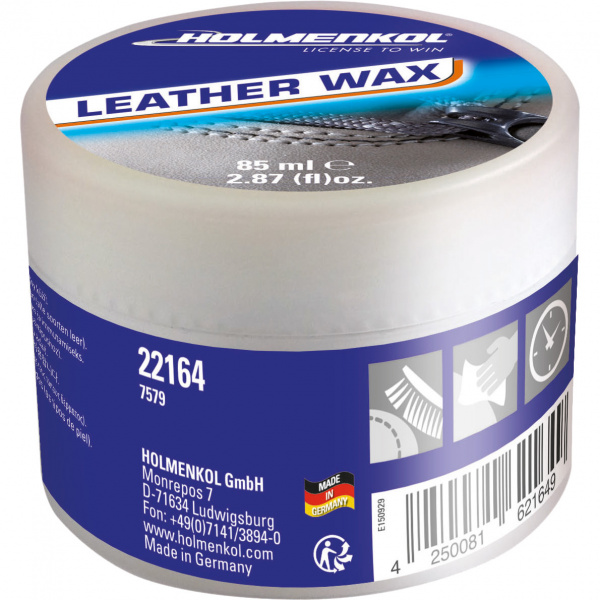
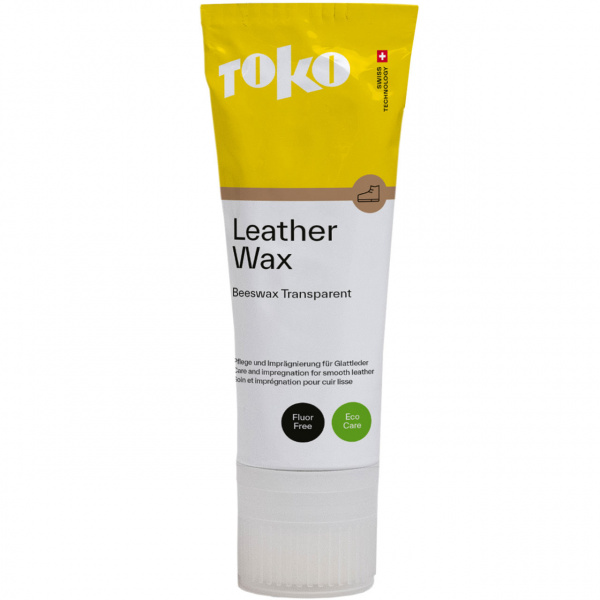
Cross-country skiing can really make you sweat, even in sub-zero temperatures. To ensure your cross-country skiing clothing reliably wicks moisture away from your body, the performance fibers must remain free of dirt, skin oils, and unwanted residues. Care products for cross-country skiing clothing help remove sweat odors, gently clean delicate materials, and preserve their functional properties. At XSPO, you’ll find suitable specialty detergents and waterproofing agents from manufacturers such as Holmenkol, Toko, and Atsko.
What kind of care does cross-country skiing apparel need?
Cross-country skiing clothing is often made of polyester, polyamide, spandex, or merino wool. These materials differ in how they absorb, wick away, and release moisture. That’s why not every detergent is suitable for every garment.
Cleaning plays an important role, especially when it comes to form-fitting performance underwear. Sweat, skin oils, and other residues can become embedded in the fabric and impair moisture wicking. A suitable performance detergent removes these contaminants without putting unnecessary strain on delicate fibers.
Cross-country skiing jackets and pants often incorporate a variety of materials. For example, windproof outer layers are combined with stretchy, breathable fabrics. In such cases, the care product must be compatible with all the materials used.
Important: Not all cross-country skiing clothing requires waterproofing. For performance underwear and breathable training shirts, the focus is on proper cleaning. A water-repellent treatment is only recommended for outerwear made of materials designed for that purpose.
What are the differences among care products for cross-country skiing clothing?
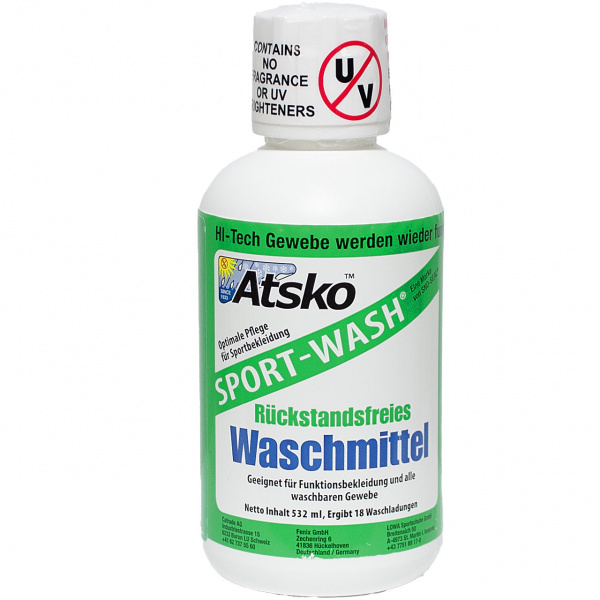
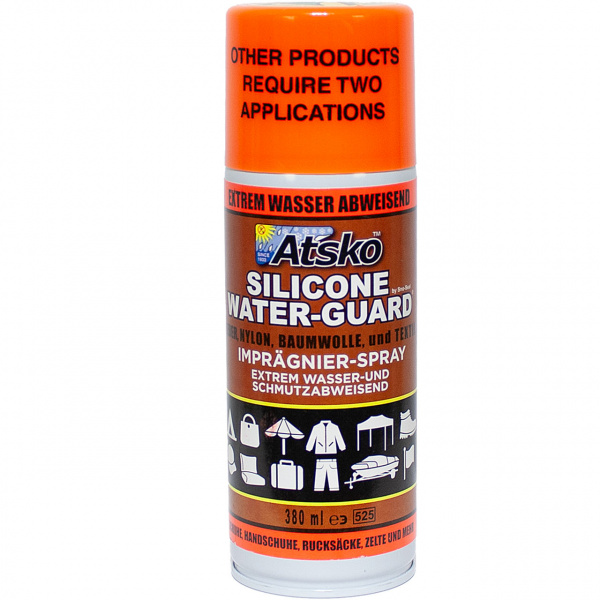
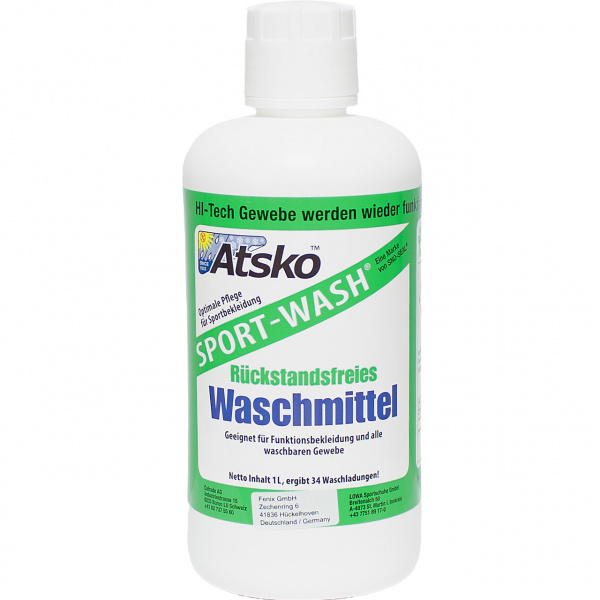
The various care products serve different purposes. While performance detergents remove sweat and dirt, specialty detergents are formulated for specific fibers or stubborn odors. Water-repellent treatments, on the other hand, are used to make suitable fabric surfaces water-repellent.
| Functional Detergent | Removes sweat, skin oils, and dirt while cleaning in a way that’s gentle on the fabric. | Synthetic cross-country skiing shirts, performance pants, and suitable outdoor textiles |
| Sports Detergent for Odor Control | Formulated to remove stubborn organic residues. | Heavily used workout clothing, especially made of polyester |
| Wool detergent | Cleans delicate wool fibers with a specially formulated detergent. | Cross-country skiing underwear made of merino wool and suitable wool blends |
| Spray Waterproofing | Enables targeted water-repellent treatment of the outer surface. | Suitable cross-country skiing jackets and pants |
| Wash-in water-repellent treatment | Distributes water-repellent agents during the washing process. | Textiles whose entire treated surface is suitable for this |
When choosing a product, material compatibility is the most important factor. A detergent designed for synthetic performance fibers is not automatically suitable for merino wool. Water-repellent treatments should also only be used if the clothing manufacturer permits such treatment.
Why do sweat odors linger so stubbornly in cross-country skiing clothing?
Synthetic cross-country skiing shirts, in particular, can develop an unpleasant odor after several training sessions, even if they’re washed regularly. This is due, in part, to the properties of polyester. The fiber absorbs very little water itself but can trap certain oily and odor-causing substances on its surface.
If these residues are not completely removed during washing, the odor may return when you sweat again. A heavily perfumed detergent does not necessarily solve this problem, as fragrances can only mask existing odors.
Cleaning performance is key: A suitable sports detergent should remove sweat residue and skin oils from the fabric as thoroughly as possible. The correct dosage and a sufficiently effective wash cycle are just as important.
After cross-country skiing, you should also avoid leaving sweaty clothing damp in your gym bag for long periods of time. Moisture and heat promote the development of unpleasant odors.
How does proper care affect moisture wicking?
Many cross-country skiing garments wick away liquid moisture through fine gaps between fibers and yarns. This so-called capillary action depends on the fabric structure and the surface properties of the fibers.
Skin oils, dirt, and unsuitable laundry additives can alter the fabric's wetting properties. Fabric softeners, in particular, can leave residues on synthetic fibers, thereby impairing the moisture-wicking ability of certain performance fabrics.
A suitable performance detergent helps remove such residues. However, it does not improve the material’s original construction; rather, it helps preserve its existing properties.
How do you find the right care products for your cross-country skiing gear?
- Check the material: Pay attention to the composition of your cross-country skiing clothing. Polyester and polyamide require different care than merino wool. For blended fabrics, you must take all the fibers they contain into account.
- Choose the right detergent: A specialty detergent is suitable for many synthetic cross-country skiing fabrics. For merino wool, you should use a detergent specifically designed for wool.
- Follow the care label: Many performance fabrics can be washed at 30 or 40 °C. However, always follow the clothing manufacturer’s instructions.
- Remove sweat residue promptly: Performance clothing that has become heavily saturated with sweat should be washed regularly. If you let the clothing dry first after your workout, you’ll avoid storing it while damp for extended periods.
- Use the correct amountof detergent: The amount needed depends on water hardness, how dirty the clothes are, and the load size. Too much detergent can leave residue, while using too little can compromise cleaning performance.
- Avoid fabric softener: Fabric softeners and harsh bleaches are unsuitable for many technical cross-country skiing fabrics. Use additional laundry additives only if they are approved for the specific material.
- Use water-repellent treatments selectively: Only outerwear with a water-repellent finish may need to be re-treated if the water-beading effect wears off. For base layers worn close to the skin, additional water-repellent treatment is generally not recommended.
- Dry gently: Avoid unnecessary heat, especially with elastic materials and merino wool. Check the care label to see if a dryer may be used.
Our tip: For cross-country skiing clothing that’s worn frequently, it’s important to make sure sweat and skin oils are thoroughly removed. A suitable detergent and the correct dosage are usually more important than added fragrances or particularly intensive wash cycles.
At XSPO, you'll find care products that let you clean your cross-country skiing gear in a way that's appropriate for the material and treat it as needed. Our team of winter sports enthusiasts is here to help you choose the right products from Holmenkol, Toko, and Atsko. This way, you can tailor your care routine to your functional fabrics and the actual wear and tear they experience.
Frequently Asked Questions About Care Products for Cross-Country Skiing Clothing
Care Products for Cross-Country Skiing Clothing: Proper Care for Performance Fabrics
Cross-country skiing can really make you sweat, even in sub-zero temperatures. To ensure your cross-country skiing clothing reliably wicks moisture away from your body, the performance fibers must remain free of dirt, skin oils, and unwanted residues. Care products for cross-country skiing clothing help remove sweat odors, gently clean delicate materials, and preserve their functional properties. At XSPO, you’ll find suitable specialty detergents and waterproofing agents from manufacturers such as Holmenkol, Toko, and Atsko.
What kind of care does cross-country skiing apparel need?
Cross-country skiing clothing is often made of polyester, polyamide, spandex, or merino wool. These materials differ in how they absorb, wick away, and release moisture. That’s why not every detergent is suitable for every garment.
Cleaning plays an important role, especially when it comes to form-fitting performance underwear. Sweat, skin oils, and other residues can become embedded in the fabric and impair moisture wicking. A suitable performance detergent removes these contaminants without putting unnecessary strain on delicate fibers.
Cross-country skiing jackets and pants often incorporate a variety of materials. For example, windproof outer layers are combined with stretchy, breathable fabrics. In such cases, the care product must be compatible with all the materials used.
Important: Not all cross-country skiing clothing requires waterproofing. For performance underwear and breathable training shirts, the focus is on proper cleaning. A water-repellent treatment is only recommended for outerwear made of materials designed for that purpose.
What are the differences among care products for cross-country skiing clothing?
The various care products serve different purposes. While performance detergents remove sweat and dirt, specialty detergents are formulated for specific fibers or stubborn odors. Water-repellent treatments, on the other hand, are used to make suitable fabric surfaces water-repellent.
| Functional Detergent | Removes sweat, skin oils, and dirt while cleaning in a way that’s gentle on the fabric. | Synthetic cross-country skiing shirts, performance pants, and suitable outdoor textiles |
| Sports Detergent for Odor Control | Formulated to remove stubborn organic residues. | Heavily used workout clothing, especially made of polyester |
| Wool detergent | Cleans delicate wool fibers with a specially formulated detergent. | Cross-country skiing underwear made of merino wool and suitable wool blends |
| Spray Waterproofing | Enables targeted water-repellent treatment of the outer surface. | Suitable cross-country skiing jackets and pants |
| Wash-in water-repellent treatment | Distributes water-repellent agents during the washing process. | Textiles whose entire treated surface is suitable for this |
When choosing a product, material compatibility is the most important factor. A detergent designed for synthetic performance fibers is not automatically suitable for merino wool. Water-repellent treatments should also only be used if the clothing manufacturer permits such treatment.
Why do sweat odors linger so stubbornly in cross-country skiing clothing?
Synthetic cross-country skiing shirts, in particular, can develop an unpleasant odor after several training sessions, even if they’re washed regularly. This is due, in part, to the properties of polyester. The fiber absorbs very little water itself but can trap certain oily and odor-causing substances on its surface.
If these residues are not completely removed during washing, the odor may return when you sweat again. A heavily perfumed detergent does not necessarily solve this problem, as fragrances can only mask existing odors.
Cleaning performance is key: A suitable sports detergent should remove sweat residue and skin oils from the fabric as thoroughly as possible. The correct dosage and a sufficiently effective wash cycle are just as important.
After cross-country skiing, you should also avoid leaving sweaty clothing damp in your gym bag for long periods of time. Moisture and heat promote the development of unpleasant odors.
How does proper care affect moisture wicking?
Many cross-country skiing garments wick away liquid moisture through fine gaps between fibers and yarns. This so-called capillary action depends on the fabric structure and the surface properties of the fibers.
Skin oils, dirt, and unsuitable laundry additives can alter the fabric's wetting properties. Fabric softeners, in particular, can leave residues on synthetic fibers, thereby impairing the moisture-wicking ability of certain performance fabrics.
A suitable performance detergent helps remove such residues. However, it does not improve the material’s original construction; rather, it helps preserve its existing properties.
How do you find the right care products for your cross-country skiing gear?
- Check the material: Pay attention to the composition of your cross-country skiing clothing. Polyester and polyamide require different care than merino wool. For blended fabrics, you must take all the fibers they contain into account.
- Choose the right detergent: A specialty detergent is suitable for many synthetic cross-country skiing fabrics. For merino wool, you should use a detergent specifically designed for wool.
- Follow the care label: Many performance fabrics can be washed at 30 or 40 °C. However, always follow the clothing manufacturer’s instructions.
- Remove sweat residue promptly: Performance clothing that has become heavily saturated with sweat should be washed regularly. If you let the clothing dry first after your workout, you’ll avoid storing it while damp for extended periods.
- Use the correct amountof detergent: The amount needed depends on water hardness, how dirty the clothes are, and the load size. Too much detergent can leave residue, while using too little can compromise cleaning performance.
- Avoid fabric softener: Fabric softeners and harsh bleaches are unsuitable for many technical cross-country skiing fabrics. Use additional laundry additives only if they are approved for the specific material.
- Use water-repellent treatments selectively: Only outerwear with a water-repellent finish may need to be re-treated if the water-beading effect wears off. For base layers worn close to the skin, additional water-repellent treatment is generally not recommended.
- Dry gently: Avoid unnecessary heat, especially with elastic materials and merino wool. Check the care label to see if a dryer may be used.
Our tip: For cross-country skiing clothing that’s worn frequently, it’s important to make sure sweat and skin oils are thoroughly removed. A suitable detergent and the correct dosage are usually more important than added fragrances or particularly intensive wash cycles.
At XSPO, you'll find care products that let you clean your cross-country skiing gear in a way that's appropriate for the material and treat it as needed. Our team of winter sports enthusiasts is here to help you choose the right products from Holmenkol, Toko, and Atsko. This way, you can tailor your care routine to your functional fabrics and the actual wear and tear they experience.