









22 of 114 Products shown
Cross-Country Skiing Accessories: Hats, Tube Scarves, Headbands, and Balaclavas
Cross-country skiing generates a lot of body heat, yet your head, ears, and neck are exposed to cold winds. The right cross-country skiing accessories protect against hypothermia without unnecessarily restricting heat dissipation. Whether it’s a cross-country skiing hat, tube scarf, headband, or balaclava: training intensity, weather, and material are key factors. At XSPO, you’ll find functional accessories for athletic Skating and classic cross-country skiing sessions.
Which cross-country skiing accessories are best suited for which activities?
In Skating and classic cross-country skiing, the exertion is usually continuous. That’s why lightweight, breathable materials are especially important. Depending on the temperature and your personal sensitivity to heat, different accessories may be appropriate.
Cross-country skiing hats protect the entire head and are especially suitable for low temperatures. Thin, performance hats help wick away moisture and are ideal for intense workouts. Warmer styles made with fleece or wool provide extra insulation for more leisurely cross-country skiing outings.
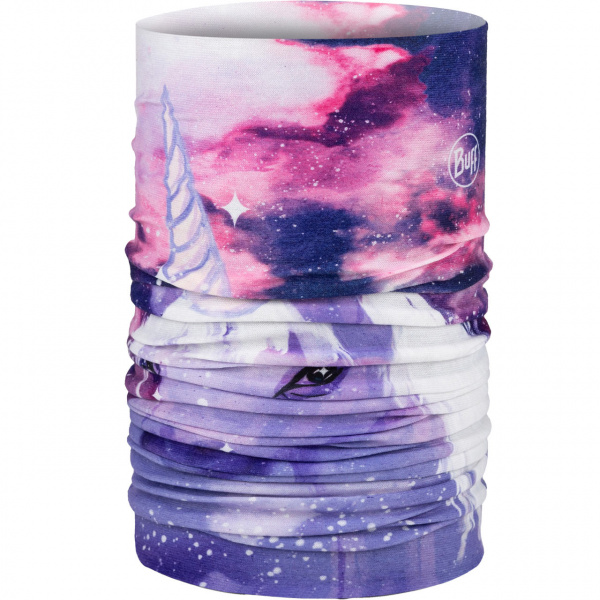
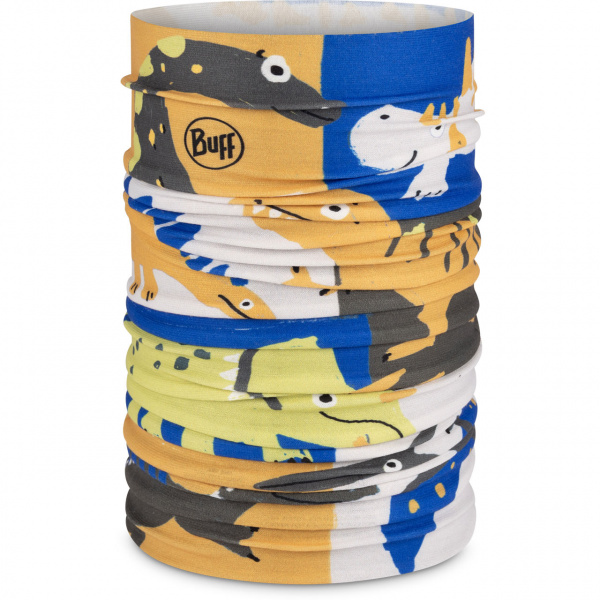
Tube scarves protect the throat and neck from cold air. They can be pulled up over the mouth and nose when needed, making them particularly versatile. Thin, breathable materials are recommended for cross-country skiing. Thicker versions provide more warmth but can become damp more quickly during intense activity.
Cross-country skiing headbands keep your forehead and ears warm while leaving the top of your head uncovered. This allows excess heat to escape more easily. They are a practical alternative to a hat, especially during intense Skating and in milder temperatures.
Balaclavas cover the head, neck, and—depending on the style—large parts of the face. They are particularly suitable for very cold or windy conditions. During physical activity, good breathability around the mouth is important to minimize the buildup of moisture from breathing in the fabric.
Cross-Country Skiing Accessories Compared: What Are the Differences?
The four product groups differ primarily in terms of the areas of the body they cover, their thermal insulation, and their ventilation options.
What materials are best for cross-country skiing accessories?
When it comes to cross-country skiing, thermal insulation isn’t the only factor that matters. Since the body produces sweat over long periods of time, accessories must also be able to regulate moisture and release excess heat.
As fibers, polyester and polyamide absorb very little moisture and dry relatively quickly. When the fabric is constructed properly, they wick sweat away from the skin. That is why synthetic performance fabrics are particularly well-suited for intense workouts.
Merino wool can absorb moisture within the fiber and remains comfortable to wear even when moderately damp. It is also less prone to odor than many untreated synthetic fibers. However, it often dries more slowly than polyester.
Thanks to its brushed texture, fleece traps insulating air and provides good thermal performance despite its light weight. However, thick fleece can be too warm for intense cross-country skiing sessions. Spandex improves elasticity and ensures a snug fit, especially for headbands and balaclavas.
It is also important to understand the difference between breathability and air permeability. Breathability describes the transport of water vapor through the material. Air permeability, on the other hand, refers to the direct flow of air through the fabric. For intense cross-country skiing, air-permeable materials are often more comfortable, while windproof sections can be useful in strong winds.
How do you find the right cross-country skiing accessories?
- Consider the intensity of your workout: When skating at a fast pace, thin headbands or lightweight performance hats are often more comfortable than heavily insulated models. For leisurely cross-country skiing sessions, you can opt for greater thermal insulation.
- Assess the temperature and wind: In milder temperatures, a headband is often enough. In freezing conditions, hats and tube scarves provide extra protection for other parts of the body. In strong winds, a balaclava can be useful.
- Choose the right material: Synthetic performance fibers are particularly well-suited for high-intensity workouts. Merino wool offers benefits in terms of comfort and odor control. Fleece is a good option when extra warmth is needed.
- Pay attention to the fit: Hats and headbands should fit securely without being too tight. Tube scarves should not constrict the neck. With balaclavas, the mouth and nose must remain sufficiently ventilated.
- Don’t overestimate the importance of material thickness: Thicker accessories aren’t automatically better. During high-intensity activity, excessive insulation can lead to heavy sweating. The key is striking a balance between heat retention and heat dissipation.
At XSPO, you'll find cross-country skiing accessories for a variety of temperatures and training needs. As a family-run winter sports specialist, we combine our passion for Nordic skiing with expert advice. This allows you to choose hats, tube scarves, headbands, and balaclavas that are tailored to your specific needs.
Frequently Asked Questions About Cross-Country Skiing Accessories
Which cross-country skiing accessories are best for intense Skating?
For intense Skating, thin headbands, lightweight performance hats, and breathable tube scarves are particularly suitable. They protect against cold air without unnecessarily restricting heat dissipation. Synthetic performance fabrics are often advantageous due to their low moisture absorption and quick-drying properties.
Which is better for cross-country skiing: a hat or a headband?
A headband is particularly well-suited for high-intensity training and milder temperatures, since it leaves the top of the head exposed. A cross-country skiing hat protects the entire head and, with a comparable material construction, provides more thermal insulation. It is therefore often the better choice in cold temperatures.
What material is best for a cross-country ski tube scarf?
For competitive cross-country skiing, thin tubular scarves made of polyester or elastic performance fabrics are ideal. They dry quickly and allow excess heat to escape more easily. Merino wool offers comfortable moisture management, while fleece is particularly useful in colder conditions.
When is a balaclava a good choice for cross-country skiing?
A balaclava is particularly suitable for strong winds and low temperatures. It protects the head, neck, and large parts of the face. For intense cross-country skiing, thin, breathable models with a sufficiently breathable mouth area are recommended.
What is the difference between a cross-country tube scarf and a balaclava?
A tube scarf is a tube-shaped piece of fabric that primarily protects the neck and throat and can be pulled over the face if needed. A balaclava is anatomically shaped and also covers the head. As a result, it offers greater coverage and usually stays in place more securely during movement.
Are windproof cross-country skiing accessories better than breathable ones?
Not necessarily. Windproof materials reduce heat loss caused by air movement, but they can limit ventilation. During intense physical activity, breathable materials are often more comfortable. In strong winds, models with windproof front panels and breathable inserts can be a good choice.
Why does a cross-country tube scarf get damp over the mouth and nose?
When you exhale, warm, moist air enters the material. As this air cools, water vapor can condense and soak through the tube scarf. In freezing temperatures, the moisture can freeze. Thin, breathable materials can reduce moisture buildup but cannot prevent it entirely.
How should cross-country skiing hats, headbands, and tube scarves be washed?
Follow the manufacturer's care instructions when cleaning. Many synthetic performance fabrics can be washed at low temperatures with a mild detergent. High heat in the dryer can damage elastic fibers. For merino wool, follow the specific care instructions.