










22 of 46 Products shown
Cross-Country Skiing Pants: Wind Protection, Breathability, and Freedom of Movement
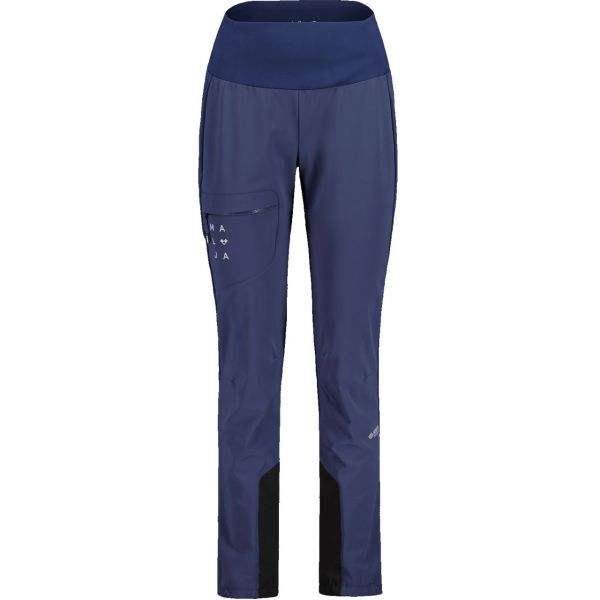
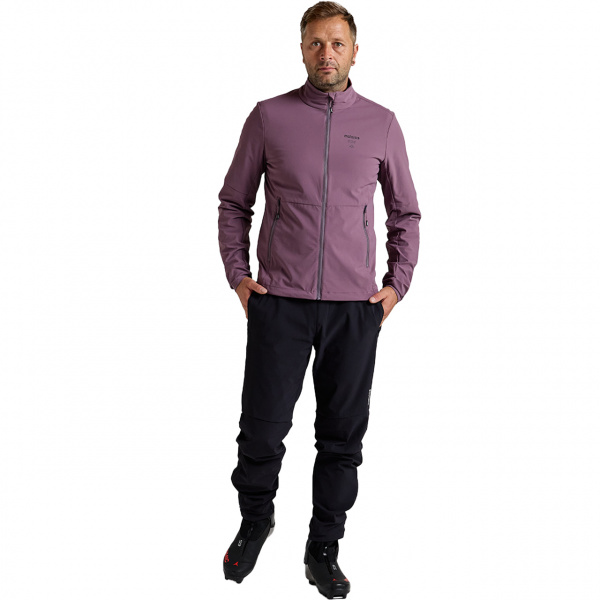
Cross-country skiing pants must do three things above all else: block the wind, release excess heat, and move with you. Lightweight, stretchy cross-country skiing tights are ideal for athletic training, while softshell cross-country skiing pants offer more protection in cold and windy conditions. Hybrid models with a windproof front and a breathable back are particularly versatile. Which style is right for you depends on your skiing speed, the temperature, and how you personally perceive heat. At XSPO, you’ll find functional cross-country skiing pants for women and men that are designed to meet a variety of needs on the trail.
Which cross-country skiing pants are best suited for which activities?
Cross-country skiing generates a lot of body heat. At the same time, the wind cools the front of the thighs and knees in particular. Good cross-country skiing pants take both factors into account: they protect exposed areas of the body without unnecessarily restricting moisture-wicking. Therefore, it’s not so much the thickness of the material that matters as the combination of wind protection, breathability, and thermal insulation.
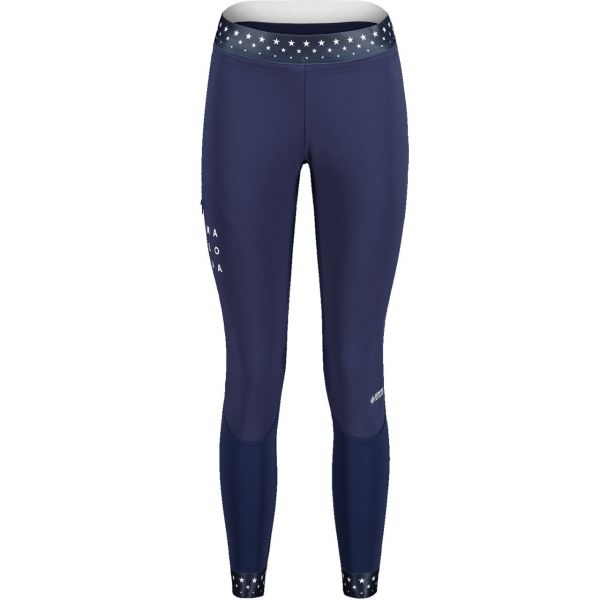
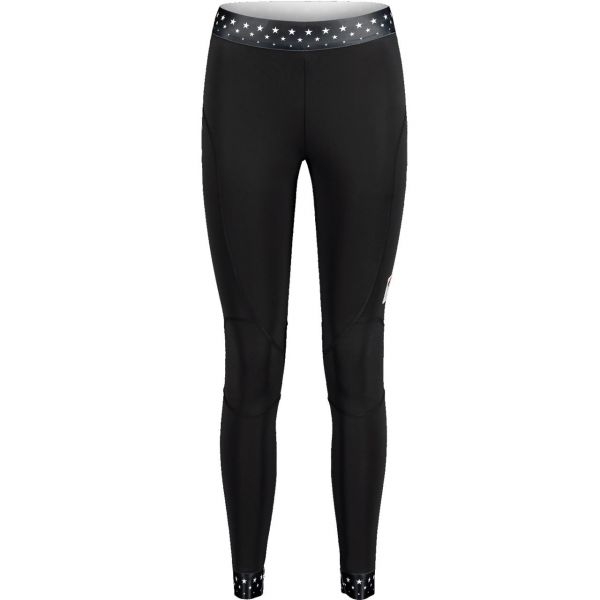
Tight-fitting cross-country skiing tights are particularly well-suited for athletic skating and intense training sessions. Their stretchy materials allow for a wide range of lateral movement and minimize excess fabric. Since intense activity generates a lot of heat, thin, breathable materials are often more comfortable than heavily insulated designs. In cold, windy conditions, additional wind-resistant panels on the front offer a noticeable advantage.
In classic cross-country skiing, freedom of movement in the hip and knee areas is especially important. Both form-fitting tights and slightly looser-fitting cross-country skiing pants are suitable for this. For longer training sessions with varying paces, hybrid models that combine windproof materials with elastic, breathable panels are a good choice.
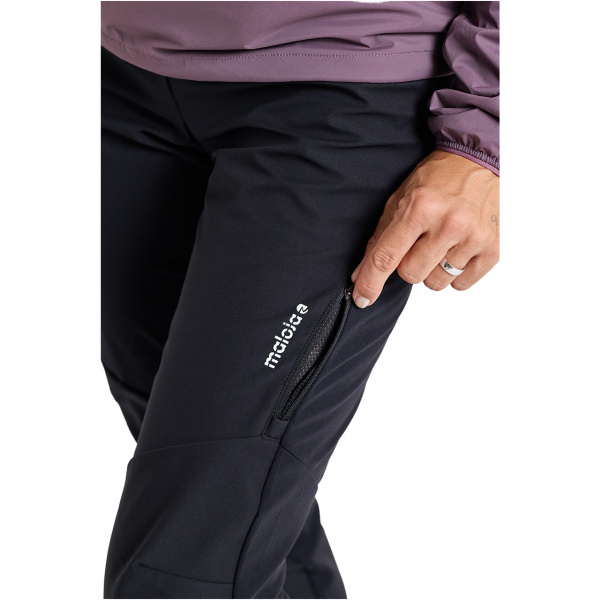
For leisurely cross-country skiing sessions and longer tours, your pants should be a bit warmer. At a moderate pace, your body generates less heat, which is why softshell cross-country skiing pants with a brushed interior or extra wind protection are often more comfortable. Practical features such as an adjustable waistband, zippered pockets, and side leg zippers enhance comfort.
In freezing conditions and strong winds, windproof front panels are particularly useful. However, fully windproof pants aren’t automatically the better choice: If there’s no way for heat to escape, moisture can build up inside during intense activity. Especially when the level of exertion varies, a combination of protected and breathable material zones is often more practical.
What features distinguish cross-country skiing pants?
Not every pair of cross-country skiing pants labeled “softshell,” “thermo,” or “windstopper” offers the same features. The actual material construction, the placement of the functional zones, and the fit are key factors.
The following overview shows which designs are suitable for different needs.
Why are windproof front panels useful on cross-country skiing pants?
The front of the legs is particularly exposed to the wind while cross-country skiing. Wind accelerates heat loss because the layer of warm air directly above the clothing is constantly being replaced. This effect is known as convective heat loss.
Windproof or wind-resistant front panels reduce this air exchange. At the same time, more breathable panels on the back of the legs allow excess heat to escape.
This principle is known as body mapping, in which different materials are combined to meet the specific needs of individual body zones.
In practice, this means that cross-country skiing pants don’t need to be equally windproof everywhere. Especially when skiing at a brisk pace, a strategic distribution of materials can be more comfortable than a design that’s heavily shielded all around.
What materials are used for cross-country skiing pants?
Most functional cross-country skiing pants are made primarily of synthetic fibers. Polyester, polyamide, and spandex are particularly common. Their properties complement each other, though the actual performance depends heavily on how they’re manufactured.
Polyester absorbs relatively little moisture into its fibers and is suitable for quick-drying performance fabrics. With the right yarn structures and surface treatments, moisture can be distributed throughout the fabric, allowing it to evaporate over a larger surface area.
Polyamide is characterized by high abrasion resistance and durability. It is often used for elastic, resilient fabrics that need to withstand repeated movements and mechanical stress.
Spandex, when added to the fabric, provides stretch and recovery. The material allows for form-fitting cuts without significantly restricting mobility. This property is especially important for cross-country skiing tights.
For added warmth, some cross-country skiing pants have a brushed interior. The brushed surface allows more air to be trapped within the fabric. This layer of air reduces heat loss but also increases insulation during intense physical activity.
Important: A high spandex content does not automatically mean better cross-country skiing pants. Nor does polyester alone guarantee good moisture-wicking performance. The key factors are the interaction of the fibers, the fabric construction, and the workmanship.
What do breathability, RET value, and water column mean?
Technical cross-country skiing pants occasionally include specifications regarding breathability or waterproofness. These values help with comparison, but must be interpreted correctly.
The RET value describes a material’s resistance to water vapor transmission. The lower the value, the lower the resistance. The measurement can be performed according to EN ISO 11092.
The following are commonly used as guidelines:
- RET below 6: very low water vapor transmission resistance
- RET 6 to 13: low water vapor transmission resistance
- RET 13 to 20: moderate water vapor transmission resistance
- RET over 20: relatively high water vapor transmission resistance
These ranges are guidelines and not binding quality classes. Furthermore, the RET value does not describe a material’s direct air permeability.
The water column, on the other hand, indicates the hydrostatic water pressure a material can withstand before water penetrates it. It is expressed in millimeters and can be determined, for example, in accordance with EN ISO 811.
For cross-country skiing pants, the highest possible water column isn't necessarily the most important factor. During intense physical activity, effective moisture-wicking and adequate heat dissipation are often more important than complete waterproofing.
What features enhance comfort?
In addition to the material, the cut determines whether cross-country skiing pants remain comfortable over longer distances.
Pre-shaped knee panels accommodate the leg’s natural bend. This reduces the amount the fabric has to stretch with every movement.
Flat seams can reduce pressure points and friction, especially in form-fitting tights.
Elastic or adjustable waistbands prevent the pants from slipping when pushing off or leaning forward.
Side zippers make it easier to put on and take off the pants, depending on their length. Models with full-length leg zippers can be partially opened without having to take off your shoes.
Reflective elements improve visibility at dusk when illuminated by light. However, they are no substitute for active lighting.
How do you find the right cross-country skiing pants?
When making your selection, you should first determine how intensely you run and under what conditions you’ll primarily be out and about. Only then is it worth looking at material details and additional features.
- Consider your skiing style and training intensity. For fast Skating and intense training sessions, lightweight cross-country skiing tights with high elasticity are a good choice. For classic cross-country skiing, both tights and hybrid cross-country skiing pants work well. For leisurely tours, slightly warmer styles often offer more comfort.
- Choose the right wind protection and thermal insulation. In mild temperatures and during high-intensity activity, thin, breathable materials are often sufficient. In freezing conditions or strong winds, windproof front panels are recommended. If you get cold easily or run mostly at a slow pace, you may want to opt for more heavily insulated cross-country skiing pants.
- Pay attention to the different material zones. Check whether the pants are completely windproof or have different functional zones. For athletic activities, hybrid designs with a protected front and a breathable back are often a good choice. An additional membrane is especially useful when wind protection is actually needed.
- Check the fit by performing typical movements. Cross-country skiing pants should not feel tight when you squat deeply, take long lunges, or move sideways. Tights that hug the body should fit snugly without cutting into the skin. With looser-fitting styles, excess fabric should not restrict movement.
- Choose features based on practicality. Zippered pockets are useful for small items. Side zippers at the legs make it easier to change clothes. Additional ventilation openings can be helpful when the intensity of your activity varies. Not every detail is necessary: For example, lightweight training pants don’t need the same features as cross-country skiing pants designed for longer tours.
- Interpret the manufacturer’s specifications correctly. Terms like “thermo,” “softshell,” or “windproof” describe certain properties, but they don’t replace a close look at the material composition and construction. Pay special attention to which areas are actually windproof, whether the inside is brushed, and how the pants are cut. The manufacturer’s size chart will help you make the right choice.
Our experience at XSPO shows just how important it is to choose cross-country skiing pants based on how you’ll actually use them. As a family-run winter sports company with a team of experienced skiers, we prioritize functional gear and personalized expert advice. Whether you’re looking for lightweight cross-country tights for intense workouts or windproof softshell cross-country pants for cold days, at XSPO, we focus on finding the right features for your skiing style.
Frequently Asked Questions About Cross-Country Ski Pants
Cross-Country Skiing Pants: Wind Protection, Breathability, and Freedom of Movement
Cross-country skiing pants must do three things above all else: block the wind, release excess heat, and move with you. Lightweight, stretchy cross-country skiing tights are ideal for athletic training, while softshell cross-country skiing pants offer more protection in cold and windy conditions. Hybrid models with a windproof front and a breathable back are particularly versatile. Which style is right for you depends on your skiing speed, the temperature, and how you personally perceive heat. At XSPO, you’ll find functional cross-country skiing pants for women and men that are designed to meet a variety of needs on the trail.
Which cross-country skiing pants are best suited for which activities?
Cross-country skiing generates a lot of body heat. At the same time, the wind cools the front of the thighs and knees in particular. Good cross-country skiing pants take both factors into account: they protect exposed areas of the body without unnecessarily restricting moisture-wicking. Therefore, it’s not so much the thickness of the material that matters as the combination of wind protection, breathability, and thermal insulation.
Tight-fitting cross-country skiing tights are particularly well-suited for athletic skating and intense training sessions. Their stretchy materials allow for a wide range of lateral movement and minimize excess fabric. Since intense activity generates a lot of heat, thin, breathable materials are often more comfortable than heavily insulated designs. In cold, windy conditions, additional wind-resistant panels on the front offer a noticeable advantage.
In classic cross-country skiing, freedom of movement in the hip and knee areas is especially important. Both form-fitting tights and slightly looser-fitting cross-country skiing pants are suitable for this. For longer training sessions with varying paces, hybrid models that combine windproof materials with elastic, breathable panels are a good choice.
For leisurely cross-country skiing sessions and longer tours, your pants should be a bit warmer. At a moderate pace, your body generates less heat, which is why softshell cross-country skiing pants with a brushed interior or extra wind protection are often more comfortable. Practical features such as an adjustable waistband, zippered pockets, and side leg zippers enhance comfort.
In freezing conditions and strong winds, windproof front panels are particularly useful. However, fully windproof pants aren’t automatically the better choice: If there’s no way for heat to escape, moisture can build up inside during intense activity. Especially when the level of exertion varies, a combination of protected and breathable material zones is often more practical.
What features distinguish cross-country skiing pants?
Not every pair of cross-country skiing pants labeled “softshell,” “thermo,” or “windstopper” offers the same features. The actual material construction, the placement of the functional zones, and the fit are key factors.
The following overview shows which designs are suitable for different needs.
Why are windproof front panels useful on cross-country skiing pants?
The front of the legs is particularly exposed to the wind while cross-country skiing. Wind accelerates heat loss because the layer of warm air directly above the clothing is constantly being replaced. This effect is known as convective heat loss.
Windproof or wind-resistant front panels reduce this air exchange. At the same time, more breathable panels on the back of the legs allow excess heat to escape.
This principle is known as body mapping, in which different materials are combined to meet the specific needs of individual body zones.
In practice, this means that cross-country skiing pants don’t need to be equally windproof everywhere. Especially when skiing at a brisk pace, a strategic distribution of materials can be more comfortable than a design that’s heavily shielded all around.
What materials are used for cross-country skiing pants?
Most functional cross-country skiing pants are made primarily of synthetic fibers. Polyester, polyamide, and spandex are particularly common. Their properties complement each other, though the actual performance depends heavily on how they’re manufactured.
Polyester absorbs relatively little moisture into its fibers and is suitable for quick-drying performance fabrics. With the right yarn structures and surface treatments, moisture can be distributed throughout the fabric, allowing it to evaporate over a larger surface area.
Polyamide is characterized by high abrasion resistance and durability. It is often used for elastic, resilient fabrics that need to withstand repeated movements and mechanical stress.
Spandex, when added to the fabric, provides stretch and recovery. The material allows for form-fitting cuts without significantly restricting mobility. This property is especially important for cross-country skiing tights.
For added warmth, some cross-country skiing pants have a brushed interior. The brushed surface allows more air to be trapped within the fabric. This layer of air reduces heat loss but also increases insulation during intense physical activity.
Important: A high spandex content does not automatically mean better cross-country skiing pants. Nor does polyester alone guarantee good moisture-wicking performance. The key factors are the interaction of the fibers, the fabric construction, and the workmanship.
What do breathability, RET value, and water column mean?
Technical cross-country skiing pants occasionally include specifications regarding breathability or waterproofness. These values help with comparison, but must be interpreted correctly.
The RET value describes a material’s resistance to water vapor transmission. The lower the value, the lower the resistance. The measurement can be performed according to EN ISO 11092.
The following are commonly used as guidelines:
- RET below 6: very low water vapor transmission resistance
- RET 6 to 13: low water vapor transmission resistance
- RET 13 to 20: moderate water vapor transmission resistance
- RET over 20: relatively high water vapor transmission resistance
These ranges are guidelines and not binding quality classes. Furthermore, the RET value does not describe a material’s direct air permeability.
The water column, on the other hand, indicates the hydrostatic water pressure a material can withstand before water penetrates it. It is expressed in millimeters and can be determined, for example, in accordance with EN ISO 811.
For cross-country skiing pants, the highest possible water column isn't necessarily the most important factor. During intense physical activity, effective moisture-wicking and adequate heat dissipation are often more important than complete waterproofing.
What features enhance comfort?
In addition to the material, the cut determines whether cross-country skiing pants remain comfortable over longer distances.
Pre-shaped knee panels accommodate the leg’s natural bend. This reduces the amount the fabric has to stretch with every movement.
Flat seams can reduce pressure points and friction, especially in form-fitting tights.
Elastic or adjustable waistbands prevent the pants from slipping when pushing off or leaning forward.
Side zippers make it easier to put on and take off the pants, depending on their length. Models with full-length leg zippers can be partially opened without having to take off your shoes.
Reflective elements improve visibility at dusk when illuminated by light. However, they are no substitute for active lighting.
How do you find the right cross-country skiing pants?
When making your selection, you should first determine how intensely you run and under what conditions you’ll primarily be out and about. Only then is it worth looking at material details and additional features.
- Consider your skiing style and training intensity. For fast Skating and intense training sessions, lightweight cross-country skiing tights with high elasticity are a good choice. For classic cross-country skiing, both tights and hybrid cross-country skiing pants work well. For leisurely tours, slightly warmer styles often offer more comfort.
- Choose the right wind protection and thermal insulation. In mild temperatures and during high-intensity activity, thin, breathable materials are often sufficient. In freezing conditions or strong winds, windproof front panels are recommended. If you get cold easily or run mostly at a slow pace, you may want to opt for more heavily insulated cross-country skiing pants.
- Pay attention to the different material zones. Check whether the pants are completely windproof or have different functional zones. For athletic activities, hybrid designs with a protected front and a breathable back are often a good choice. An additional membrane is especially useful when wind protection is actually needed.
- Check the fit by performing typical movements. Cross-country skiing pants should not feel tight when you squat deeply, take long lunges, or move sideways. Tights that hug the body should fit snugly without cutting into the skin. With looser-fitting styles, excess fabric should not restrict movement.
- Choose features based on practicality. Zippered pockets are useful for small items. Side zippers at the legs make it easier to change clothes. Additional ventilation openings can be helpful when the intensity of your activity varies. Not every detail is necessary: For example, lightweight training pants don’t need the same features as cross-country skiing pants designed for longer tours.
- Interpret the manufacturer’s specifications correctly. Terms like “thermo,” “softshell,” or “windproof” describe certain properties, but they don’t replace a close look at the material composition and construction. Pay special attention to which areas are actually windproof, whether the inside is brushed, and how the pants are cut. The manufacturer’s size chart will help you make the right choice.
Our experience at XSPO shows just how important it is to choose cross-country skiing pants based on how you’ll actually use them. As a family-run winter sports company with a team of experienced skiers, we prioritize functional gear and personalized expert advice. Whether you’re looking for lightweight cross-country tights for intense workouts or windproof softshell cross-country pants for cold days, at XSPO, we focus on finding the right features for your skiing style.