







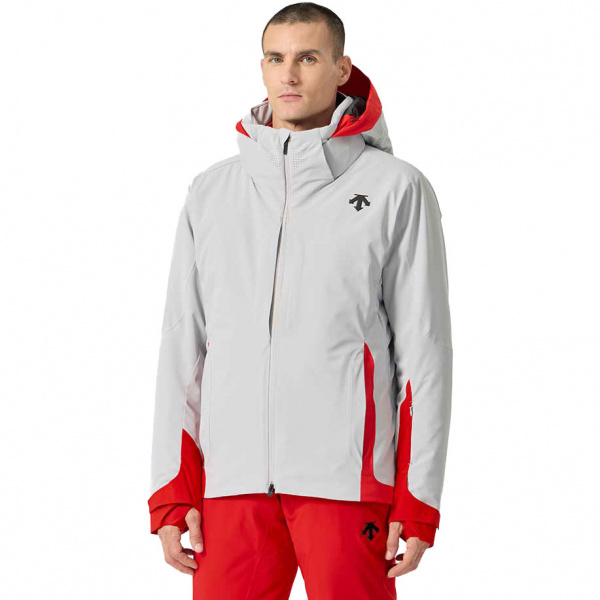
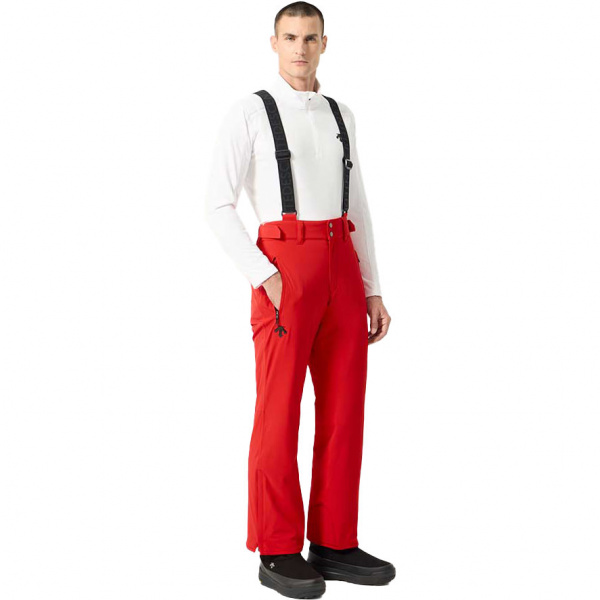
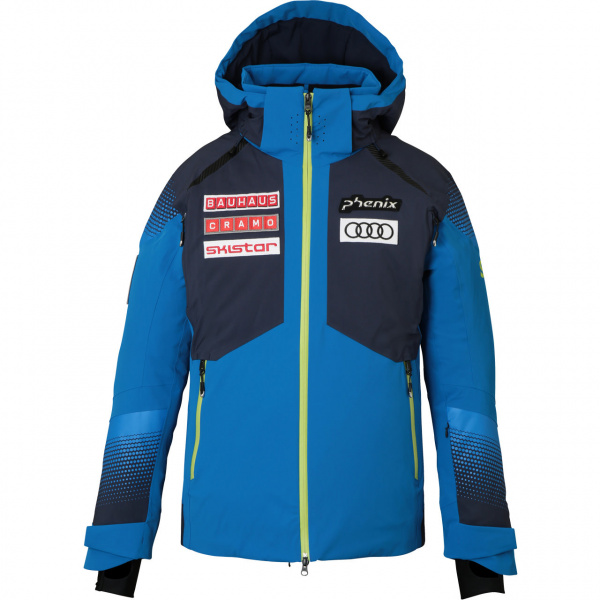
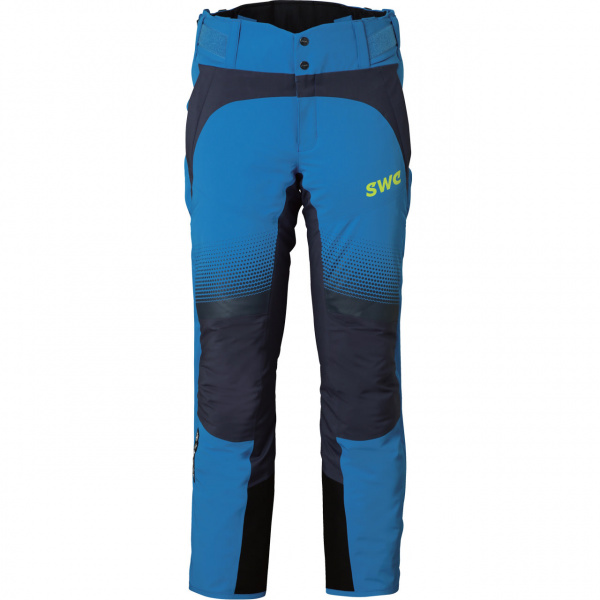


22 of 62 Products shown
Race and Teamwear: Ski Jackets and Ski Pants for Alpine Racing
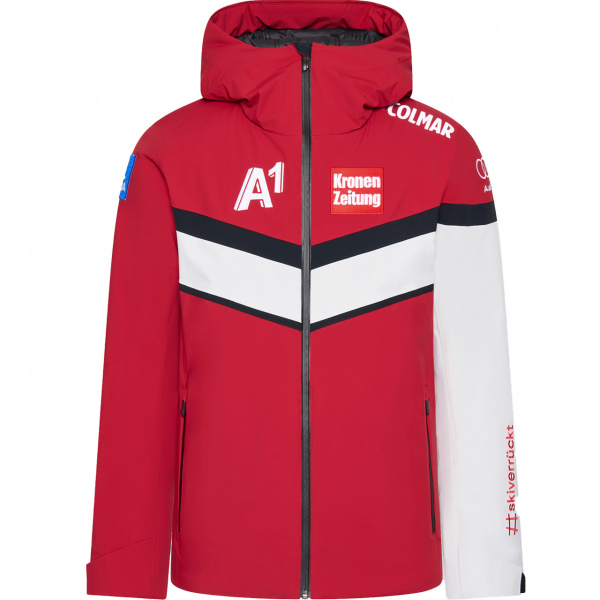
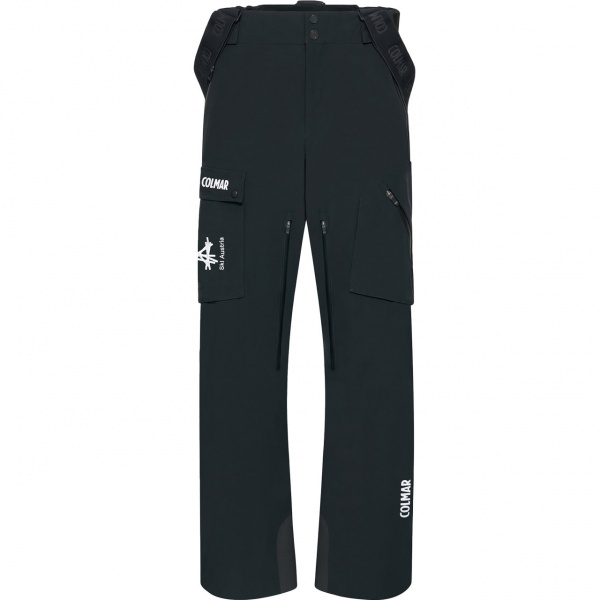
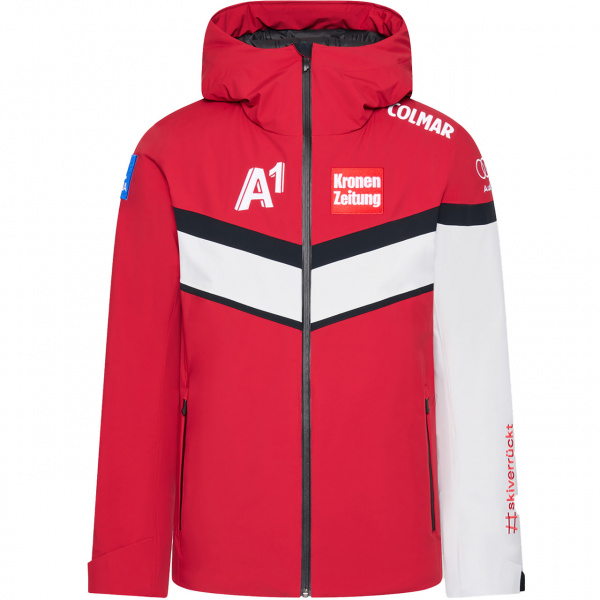
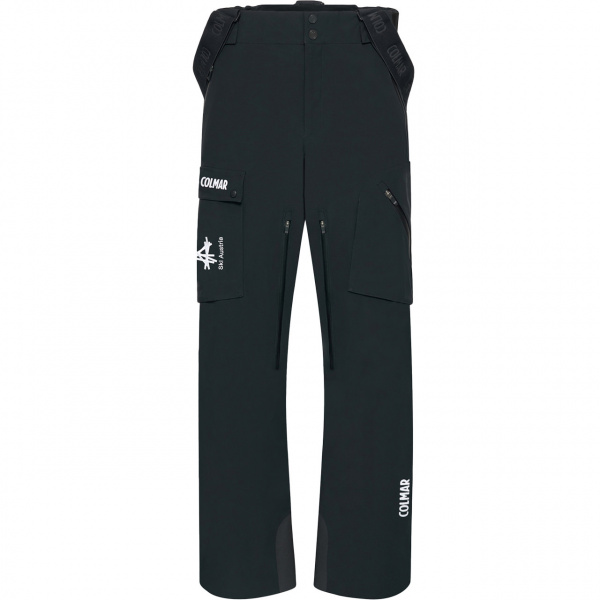
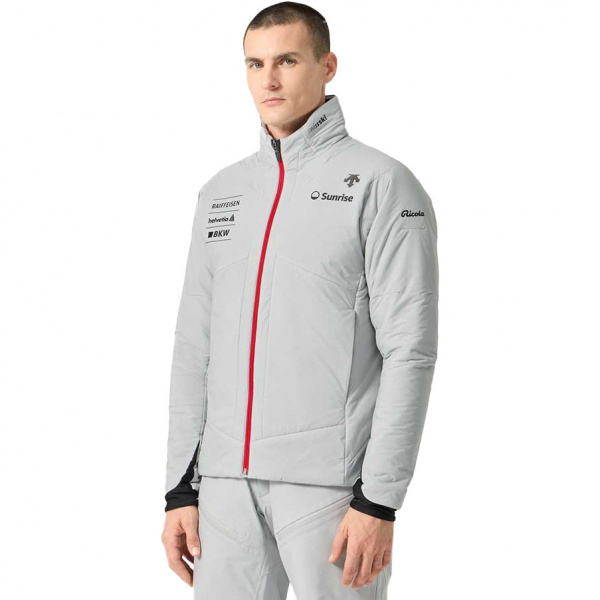
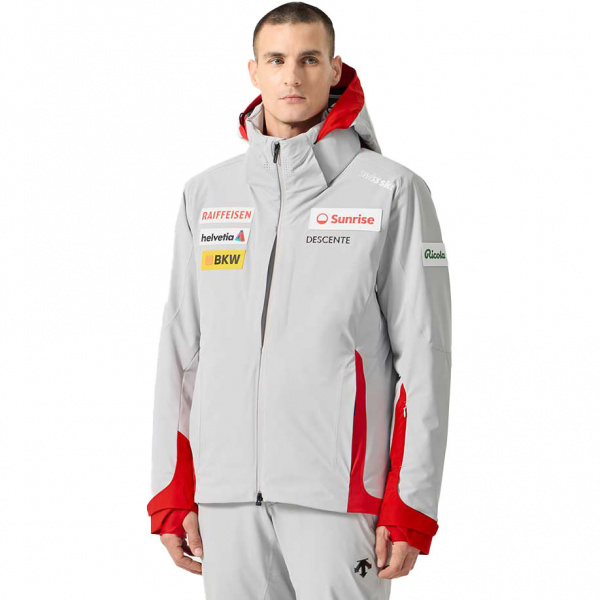
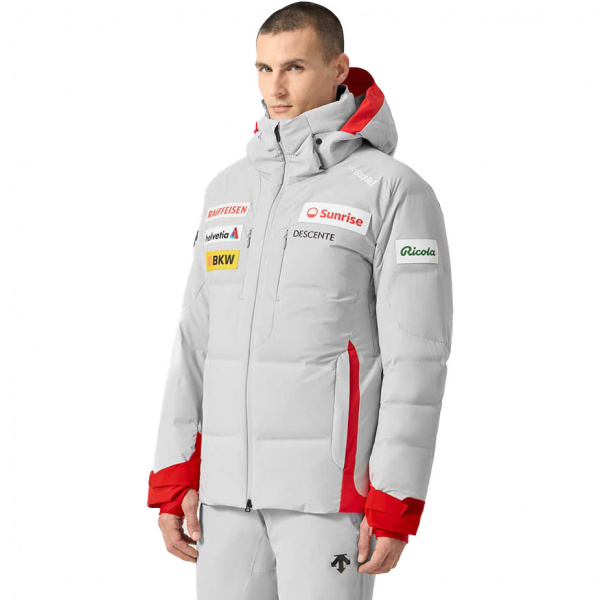
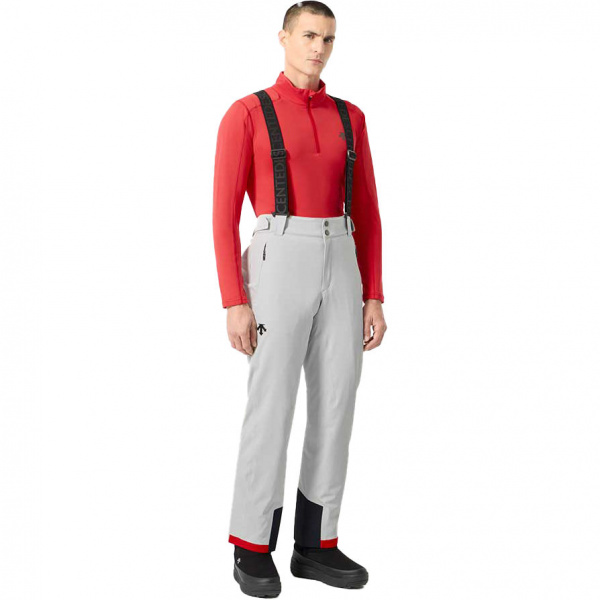
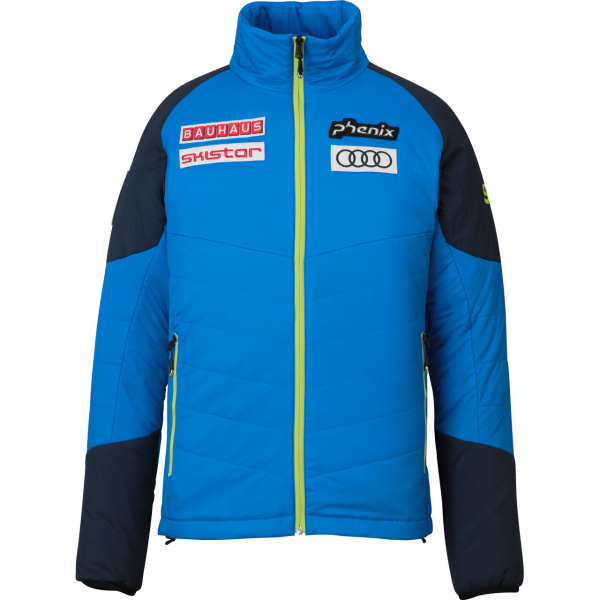
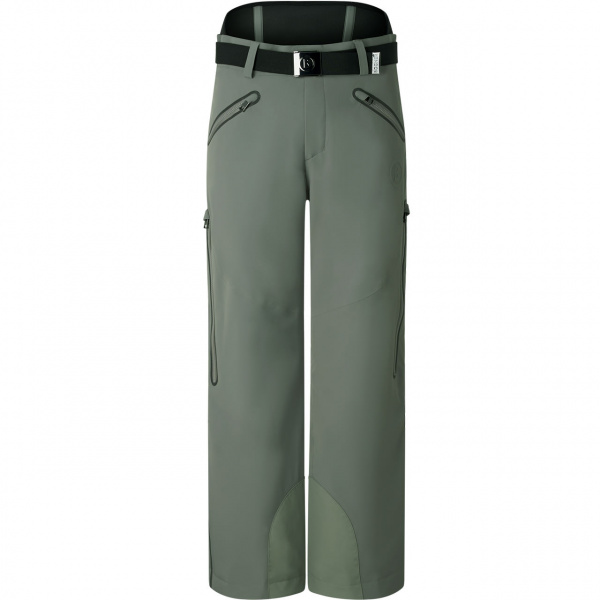
Race jackets and race pants must do one thing above all else: keep you warm without getting in the way during a ski race. Whether you’re warming up, checking out the course, or just before the start, alpine racing depends on good weather protection, freedom of movement, and ease of use. Race pants with full-length side zippers are especially practical, as they can be quickly taken off even while wearing ski boots.
At XSPO, you’ll find functional race and teamwear jackets and pants for racers, coaches, and support staff. We know from our own experience on the slopes just how different the demands can be between active training runs and long waits at the side of the slopes. That’s why it’s worth taking a closer look when making your selection: It’s not the thickest jacket or the highest water column that matters, but the right combination of warmth, weather protection, and functionality.
Race and Teamwear: What sets this clothing apart from regular ski jackets and ski pants?
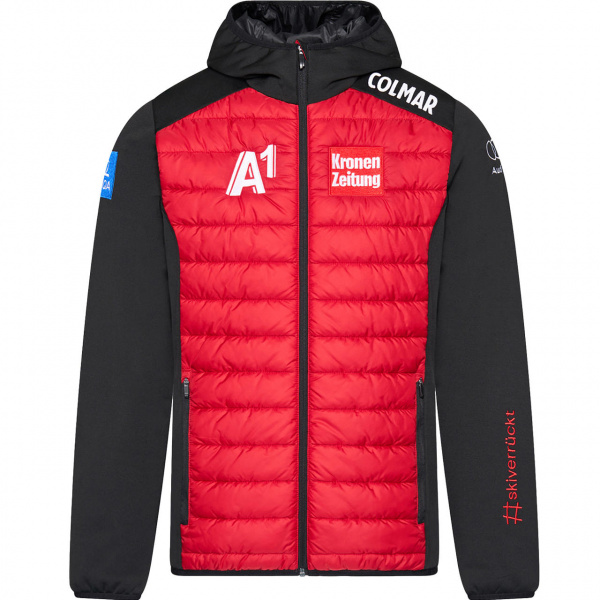
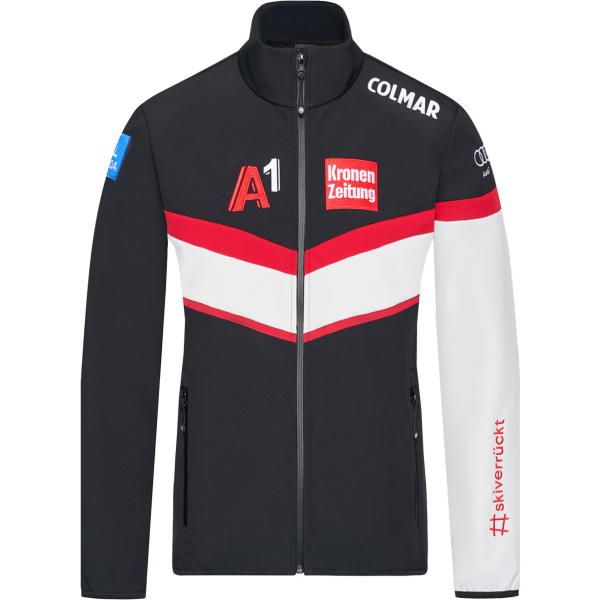
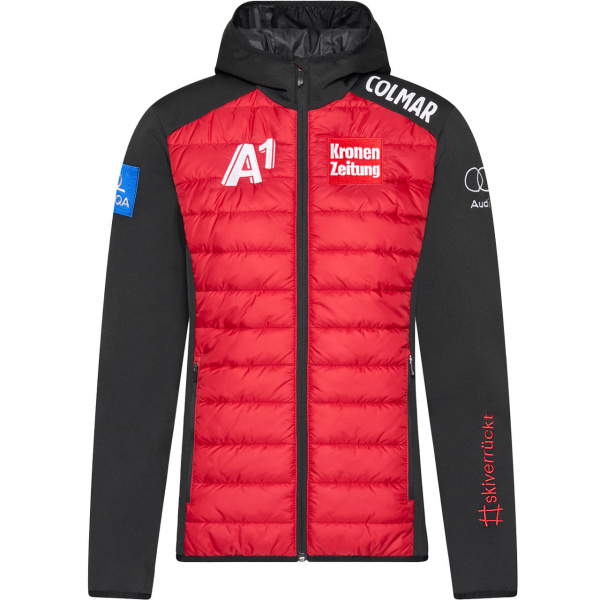
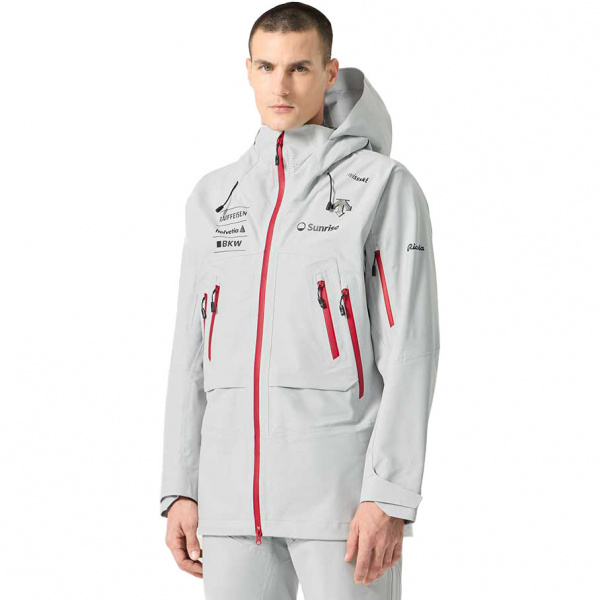
Racewear is functional apparel designed for alpine ski racing. It complements the racing suit during training, race preparation, and breaks between races. Teamwear refers to the apparel worn by a racing team and includes not only athletic training jackets and pants but also warmer styles for coaches and support staff.
The key difference from traditional Ski Wear lies less in the material than in how it’s used. While a standard ski jacket is primarily designed for full days of skiing that include runs and lift rides, racewear must meet frequently changing requirements. During warm-ups, mobility is key; at the starting line, warmth is essential; and immediately before the race, any extra layers must be quickly removed.
There are also significant differences in cross-country skiing apparel. During cross-country skiing, the continuous endurance exertion generates a lot of body heat. Consequently, cross-country jackets and pants are often thinner, more ventilated, and have a more form-fitting cut. In alpine racing, on the other hand, short, intense bursts of exertion alternate with longer breaks. Race and teamwear must therefore primarily account for the transition between movement and rest.
Which race jackets and race pants are suitable for which activities?
Not every ski racer needs the same clothing. The key factor is when and for how long the jacket and pants will be worn.
| Race Training | Flexible race jacket and functional training pants | Freedom of movement, wind protection, and moisture management |
| Pre-Race Preparation | Warm race jacket and full-zip pants | Retain heat for as long as possible; quickly remove clothing |
| Course reconnaissance | Weatherproof race jacket and race pants | Protection from wind and snow, good mobility |
| Training in mild temperatures | Lightweight race jacket and lightly insulated pants | Avoid overheating; wick away moisture |
| Long wait times in the cold | Insulated jacket and lined pants | Reduce heat loss |
| Coaches and staff | Warm team jacket and durable team pants | Weather protection and comfort during extended periods of inactivity |
Especially when training regularly for races, it makes sense to choose between lighter clothing for active phases and a warmer outfit for breaks.
What technical features are important in race jackets and race pants?
Good racewear isn’t defined by a single technical feature. Thermal insulation, wind protection, freedom of movement, and practical design details must all work together. For example, a waterproof jacket may perform well in snowfall but be too warm for intense training. Conversely, a lightweight training jacket offers great mobility but may not provide sufficient protection from the cold during longer periods of inactivity.
| Thermal insulation | Lightweight or more insulating padding, fleece | Crucial for pre-race preparation and waiting periods |
| Wind protection | Windproof materials, membranes, or tightly woven fabrics | Reduces heat loss caused by wind and gusts |
| Water protection | Water-repellent surfaces or waterproof constructions | Important in snowfall, wet snow, and rain |
| Breathability | Water-vapor-permeable materials, ventilation openings | Helps wick away moisture during physical activity |
| Stretch | Stretch fabrics and ergonomic cuts | Facilitates low riding positions and dynamic movements |
| Side zippers | Short, long, or full-length zippers | Makes it easier to put on and take off |
| Reinforcements | Abrasion-resistant inserts in high-stress areas | Protect against wear caused by ski boots and ski edges, for example |
| Fit | Sporty, form-fitting or loose-fitting | Must match the racing suit and the intended use |
Water Column Rating for Race Jackets: How Important Is Waterproofing, Really?
The water column indicates the hydrostatic water pressure a material can withstand during a defined test. It is measured in millimeters. A value of 10,000 mm is mathematically equivalent to the pressure of a ten-meter-high column of water.
For Race jackets, the water column rating is a useful point of comparison, but it is not the sole measure of quality. A high water column rating does not automatically provide better protection if, for example, the seams or zippers let water in.
In dry, cold weather, a windproof, well-insulated jacket may be the better choice. In conditions with frequent snowfall, wet snow, or rain, a waterproof design becomes more important.
Important: Water-repellent and waterproof are not the same thing. A water-repellent treatment allows rain to roll off at first, but does not provide reliable, long-term protection in persistent wet conditions. Waterproof materials prevent water from penetrating under specific conditions. For a jacket to be truly weatherproof, its seams and fasteners must also be designed accordingly.
Breathability: Why is it important during race training?
During intense ski training, the body produces heat and sweat. If moisture cannot escape sufficiently, it accumulates in the clothing. This can become uncomfortable and may lead to the body cooling down too quickly after exercise.
Breathability describes how well water vapor can be transported through a material. Two commonly used parameters are:
MVTR: Indicates the amount of water vapor transported through one square meter of material within 24 hours. The unit is g/m²/24 h. Using the same test method, a higher value indicates greater water vapor permeability.
RET: Describes a material’s resistance to water vapor transport. The lower the RET value, the lower this resistance.
These values are only comparable to a limited extent, as different measurement methods are used. In practice, additional factors such as ventilation options, fit, and the layers of clothing worn underneath are also crucial.
Full-Zip Race Pants: Why Are Full-Length Side Zippers So Convenient?
Full-zip race pants feature side zippers that open the entire length of the leg. This allows the pants to be removed immediately before the start without having to take off your ski boots.
This is a particularly important advantage in racing. Racers can wear their warm training pants for as long as possible during warm-ups and take them off just before the race.
When choosing a pair, it’s worth taking a close look at the design:
Full-zip pants can be fully opened on the sides and are particularly well-suited for pre-race preparation.
Pants with long side zippers make it easier to put them on over ski boots, but they can't always be completely removed without taking off the boots.
Pants with short leg zippers are especially practical for regular training. They offer less flexibility when taking them off quickly.
In addition to the zippers, a well-fitting waistband, sufficient freedom of movement, and sturdy leg cuffs are important. The pants should fit over the racing suit without feeling tight at the hips or knees.
What materials are used in race and teamwear?
Most functional race jackets and race pants are made primarily of synthetic fibers. The choice of material affects weight, durability, elasticity, and weather protection.
Polyester is frequently used for outer fabrics, linings, and synthetic insulation. The fiber retains its shape well, is relatively easy to care for, and absorbs very little moisture.
Polyamide is characterized by high abrasion resistance and is therefore suitable for high-wear outer fabrics and reinforcements.
Spandex is blended with other fibers to improve elasticity. This is particularly advantageous for athletic-cut jackets and pants.
Synthetic fillings trap air between their fibers, thereby reducing heat loss. How warm a jacket actually is depends, among other things, on the type, amount, and distribution of the insulation.
Membranes can combine windproof and waterproof properties with a certain degree of water vapor permeability. However, their actual performance always depends on the overall material construction.
A higher material weight does not automatically mean better thermal performance. The key factors are the construction and the combination of the individual layers.
The Layering Principle in Alpine Ski Racing: How Do You Combine a Racing Suit, Race Jacket, and Race Pants?
The layering principle is particularly useful in alpine racing because clothing must be able to adapt quickly to changing temperatures and physical demands.
The basic principle: Each layer serves a specific function. The innermost layer helps wick away moisture, additional insulation keeps you warm, and the outer layer protects against wind and precipitation.
- Performance underwear: Worn directly against the skin, it helps wick away moisture. Suitable materials include synthetic performance fibers or merino wool.
- Racing suit: Worn over the performance base layer and designed for a close-fitting, aerodynamic cut. Most racing suits offer only limited thermal insulation.
- Additional insulation as needed: Depending on the temperature and activity, additional warming layers may be useful. They must not impair the mobility or fit of the racing suit.
- Race jacket and race pants: These form the outer protective layer during pre-race preparations, breaks, and—depending on the activity—even during training. They keep you warm and protect you from the elements.
Unlike the traditional "layering" approach used in recreational skiing, the order of layers in racing is not always a matter of personal choice. The racing suit must fit snugly, and its functionality must not be compromised by additional clothing.
That’s why a combination of performance underwear, a racing suit, and racewear worn over it is often particularly practical for preparing for the start. The outer layers can be removed shortly before the start.
During longer wait times, adequate insulation is important. During intense training rides, however, a lighter outfit may be more sensible to avoid excessive sweating.
How do you find the right race jacket and race pants?
When selecting race and teamwear, it’s less about having as many technical features as possible and more about getting the right fit. These six points will help you make your decision.
- Determine the intended use: For pre-game warm-ups, warm jackets and pants that can be quickly removed are particularly useful. During active training, mobility and moisture management are key. Coaches and support staff often need more insulation during longer periods of inactivity.
- Choose the right level of warmth: A heavily lined jacket provides protection in cold weather, but can quickly become too warm during intense physical activity. Lighter models offer more flexibility when combined with additional layers.
- Consider weather protection: In dry, frosty conditions, wind protection is the top priority. In wet snow and rain, waterproof materials and properly sealed seams are important. A high water column rating alone is not a sufficient criterion for purchase.
- Pay attention to the fit: Race jackets and race pants must allow for sufficient freedom of movement over your racing suit. Pay particular attention to the shoulders, hips, knees, and back length. The clothing should not feel tight, even when you’re in a low riding position.
- Compare zippers and features: If you want to take off your pants right before the start, look for side zippers that open all the way. For regular training, simpler designs may be sufficient.
- Match your jacket and pants: Both items should be suitable for the same activity. For example, a lightweight training jacket pairs well with flexible, lightly insulated pants. For longer periods of time spent outdoors in the cold, it makes sense to wear warmer clothing overall.
Our tip from XSPO: When choosing race pants, pay attention first to the side zippers, and when choosing race jackets, focus on the balance between warmth and freedom of movement. These two factors often make a bigger difference in everyday training than individual material specifications.
At XSPO, much of what we do revolves around the unique demands of skiing. Our team consists of experienced skiers and winter sports enthusiasts who specialize in the differences between training apparel, racing suits, and functional teamwear. As a family-run business, we prioritize personalized advice and a carefully curated product selection so you can find jackets and pants that suit your needs on the slopes.
Frequently Asked Questions About Race Jackets, Race Pants, and Teamwear
Race and Teamwear: Ski Jackets and Ski Pants for Alpine Racing
Race jackets and race pants must do one thing above all else: keep you warm without getting in the way during a ski race. Whether you’re warming up, checking out the course, or just before the start, alpine racing depends on good weather protection, freedom of movement, and ease of use. Race pants with full-length side zippers are especially practical, as they can be quickly taken off even while wearing ski boots.
At XSPO, you’ll find functional race and teamwear jackets and pants for racers, coaches, and support staff. We know from our own experience on the slopes just how different the demands can be between active training runs and long waits at the side of the slopes. That’s why it’s worth taking a closer look when making your selection: It’s not the thickest jacket or the highest water column that matters, but the right combination of warmth, weather protection, and functionality.
Race and Teamwear: What sets this clothing apart from regular ski jackets and ski pants?
Racewear is functional apparel designed for alpine ski racing. It complements the racing suit during training, race preparation, and breaks between races. Teamwear refers to the apparel worn by a racing team and includes not only athletic training jackets and pants but also warmer styles for coaches and support staff.
The key difference from traditional Ski Wear lies less in the material than in how it’s used. While a standard ski jacket is primarily designed for full days of skiing that include runs and lift rides, racewear must meet frequently changing requirements. During warm-ups, mobility is key; at the starting line, warmth is essential; and immediately before the race, any extra layers must be quickly removed.
There are also significant differences in cross-country skiing apparel. During cross-country skiing, the continuous endurance exertion generates a lot of body heat. Consequently, cross-country jackets and pants are often thinner, more ventilated, and have a more form-fitting cut. In alpine racing, on the other hand, short, intense bursts of exertion alternate with longer breaks. Race and teamwear must therefore primarily account for the transition between movement and rest.
Which race jackets and race pants are suitable for which activities?
Not every ski racer needs the same clothing. The key factor is when and for how long the jacket and pants will be worn.
| Race Training | Flexible race jacket and functional training pants | Freedom of movement, wind protection, and moisture management |
| Pre-Race Preparation | Warm race jacket and full-zip pants | Retain heat for as long as possible; quickly remove clothing |
| Course reconnaissance | Weatherproof race jacket and race pants | Protection from wind and snow, good mobility |
| Training in mild temperatures | Lightweight race jacket and lightly insulated pants | Avoid overheating; wick away moisture |
| Long wait times in the cold | Insulated jacket and lined pants | Reduce heat loss |
| Coaches and staff | Warm team jacket and durable team pants | Weather protection and comfort during extended periods of inactivity |
Especially when training regularly for races, it makes sense to choose between lighter clothing for active phases and a warmer outfit for breaks.
What technical features are important in race jackets and race pants?
Good racewear isn’t defined by a single technical feature. Thermal insulation, wind protection, freedom of movement, and practical design details must all work together. For example, a waterproof jacket may perform well in snowfall but be too warm for intense training. Conversely, a lightweight training jacket offers great mobility but may not provide sufficient protection from the cold during longer periods of inactivity.
| Thermal insulation | Lightweight or more insulating padding, fleece | Crucial for pre-race preparation and waiting periods |
| Wind protection | Windproof materials, membranes, or tightly woven fabrics | Reduces heat loss caused by wind and gusts |
| Water protection | Water-repellent surfaces or waterproof constructions | Important in snowfall, wet snow, and rain |
| Breathability | Water-vapor-permeable materials, ventilation openings | Helps wick away moisture during physical activity |
| Stretch | Stretch fabrics and ergonomic cuts | Facilitates low riding positions and dynamic movements |
| Side zippers | Short, long, or full-length zippers | Makes it easier to put on and take off |
| Reinforcements | Abrasion-resistant inserts in high-stress areas | Protect against wear caused by ski boots and ski edges, for example |
| Fit | Sporty, form-fitting or loose-fitting | Must match the racing suit and the intended use |
Water Column Rating for Race Jackets: How Important Is Waterproofing, Really?
The water column indicates the hydrostatic water pressure a material can withstand during a defined test. It is measured in millimeters. A value of 10,000 mm is mathematically equivalent to the pressure of a ten-meter-high column of water.
For Race jackets, the water column rating is a useful point of comparison, but it is not the sole measure of quality. A high water column rating does not automatically provide better protection if, for example, the seams or zippers let water in.
In dry, cold weather, a windproof, well-insulated jacket may be the better choice. In conditions with frequent snowfall, wet snow, or rain, a waterproof design becomes more important.
Important: Water-repellent and waterproof are not the same thing. A water-repellent treatment allows rain to roll off at first, but does not provide reliable, long-term protection in persistent wet conditions. Waterproof materials prevent water from penetrating under specific conditions. For a jacket to be truly weatherproof, its seams and fasteners must also be designed accordingly.
Breathability: Why is it important during race training?
During intense ski training, the body produces heat and sweat. If moisture cannot escape sufficiently, it accumulates in the clothing. This can become uncomfortable and may lead to the body cooling down too quickly after exercise.
Breathability describes how well water vapor can be transported through a material. Two commonly used parameters are:
MVTR: Indicates the amount of water vapor transported through one square meter of material within 24 hours. The unit is g/m²/24 h. Using the same test method, a higher value indicates greater water vapor permeability.
RET: Describes a material’s resistance to water vapor transport. The lower the RET value, the lower this resistance.
These values are only comparable to a limited extent, as different measurement methods are used. In practice, additional factors such as ventilation options, fit, and the layers of clothing worn underneath are also crucial.
Full-Zip Race Pants: Why Are Full-Length Side Zippers So Convenient?
Full-zip race pants feature side zippers that open the entire length of the leg. This allows the pants to be removed immediately before the start without having to take off your ski boots.
This is a particularly important advantage in racing. Racers can wear their warm training pants for as long as possible during warm-ups and take them off just before the race.
When choosing a pair, it’s worth taking a close look at the design:
Full-zip pants can be fully opened on the sides and are particularly well-suited for pre-race preparation.
Pants with long side zippers make it easier to put them on over ski boots, but they can't always be completely removed without taking off the boots.
Pants with short leg zippers are especially practical for regular training. They offer less flexibility when taking them off quickly.
In addition to the zippers, a well-fitting waistband, sufficient freedom of movement, and sturdy leg cuffs are important. The pants should fit over the racing suit without feeling tight at the hips or knees.
What materials are used in race and teamwear?
Most functional race jackets and race pants are made primarily of synthetic fibers. The choice of material affects weight, durability, elasticity, and weather protection.
Polyester is frequently used for outer fabrics, linings, and synthetic insulation. The fiber retains its shape well, is relatively easy to care for, and absorbs very little moisture.
Polyamide is characterized by high abrasion resistance and is therefore suitable for high-wear outer fabrics and reinforcements.
Spandex is blended with other fibers to improve elasticity. This is particularly advantageous for athletic-cut jackets and pants.
Synthetic fillings trap air between their fibers, thereby reducing heat loss. How warm a jacket actually is depends, among other things, on the type, amount, and distribution of the insulation.
Membranes can combine windproof and waterproof properties with a certain degree of water vapor permeability. However, their actual performance always depends on the overall material construction.
A higher material weight does not automatically mean better thermal performance. The key factors are the construction and the combination of the individual layers.
The Layering Principle in Alpine Ski Racing: How Do You Combine a Racing Suit, Race Jacket, and Race Pants?
The layering principle is particularly useful in alpine racing because clothing must be able to adapt quickly to changing temperatures and physical demands.
The basic principle: Each layer serves a specific function. The innermost layer helps wick away moisture, additional insulation keeps you warm, and the outer layer protects against wind and precipitation.
- Performance underwear: Worn directly against the skin, it helps wick away moisture. Suitable materials include synthetic performance fibers or merino wool.
- Racing suit: Worn over the performance base layer and designed for a close-fitting, aerodynamic cut. Most racing suits offer only limited thermal insulation.
- Additional insulation as needed: Depending on the temperature and activity, additional warming layers may be useful. They must not impair the mobility or fit of the racing suit.
- Race jacket and race pants: These form the outer protective layer during pre-race preparations, breaks, and—depending on the activity—even during training. They keep you warm and protect you from the elements.
Unlike the traditional "layering" approach used in recreational skiing, the order of layers in racing is not always a matter of personal choice. The racing suit must fit snugly, and its functionality must not be compromised by additional clothing.
That’s why a combination of performance underwear, a racing suit, and racewear worn over it is often particularly practical for preparing for the start. The outer layers can be removed shortly before the start.
During longer wait times, adequate insulation is important. During intense training rides, however, a lighter outfit may be more sensible to avoid excessive sweating.
How do you find the right race jacket and race pants?
When selecting race and teamwear, it’s less about having as many technical features as possible and more about getting the right fit. These six points will help you make your decision.
- Determine the intended use: For pre-game warm-ups, warm jackets and pants that can be quickly removed are particularly useful. During active training, mobility and moisture management are key. Coaches and support staff often need more insulation during longer periods of inactivity.
- Choose the right level of warmth: A heavily lined jacket provides protection in cold weather, but can quickly become too warm during intense physical activity. Lighter models offer more flexibility when combined with additional layers.
- Consider weather protection: In dry, frosty conditions, wind protection is the top priority. In wet snow and rain, waterproof materials and properly sealed seams are important. A high water column rating alone is not a sufficient criterion for purchase.
- Pay attention to the fit: Race jackets and race pants must allow for sufficient freedom of movement over your racing suit. Pay particular attention to the shoulders, hips, knees, and back length. The clothing should not feel tight, even when you’re in a low riding position.
- Compare zippers and features: If you want to take off your pants right before the start, look for side zippers that open all the way. For regular training, simpler designs may be sufficient.
- Match your jacket and pants: Both items should be suitable for the same activity. For example, a lightweight training jacket pairs well with flexible, lightly insulated pants. For longer periods of time spent outdoors in the cold, it makes sense to wear warmer clothing overall.
Our tip from XSPO: When choosing race pants, pay attention first to the side zippers, and when choosing race jackets, focus on the balance between warmth and freedom of movement. These two factors often make a bigger difference in everyday training than individual material specifications.
At XSPO, much of what we do revolves around the unique demands of skiing. Our team consists of experienced skiers and winter sports enthusiasts who specialize in the differences between training apparel, racing suits, and functional teamwear. As a family-run business, we prioritize personalized advice and a carefully curated product selection so you can find jackets and pants that suit your needs on the slopes.