










22 of 197 Products shown
Race Team Wear Accessories for Training, Competition, and Team Appearance
Race Team Wear accessories are an essential part of alpine racing gear. Beanies, caps, tube scarves, headbands, and balaclavas complement racing apparel, especially in situations where quick adjustments, ease of use, and a unified team look are key. After all, the demands at the start, between two training runs, or after the race are different from those during the downhill run. At XSPO, you’ll find the right accessories for everyday racing and to complement your existing Race Team Wear.
What sets Race Team Wear accessories apart from ordinary ski accessories?
Race Team Wear accessories are complementary clothing items offered in connection with alpine ski racing and race team gear. Their special significance stems less from fundamentally different materials than from the typical situations in which they are used and their coordination with the rest of the racing apparel.
A race day often begins long before the first race starts. Track inspections, warm-ups, gear preparation, and waiting periods are just as much a part of it as the actual races. It’s especially during these phases that accessories that can be quickly put on, taken off, and stowed away come in handy. A tube scarf, for example, takes up very little space in a jacket pocket, while a warm beanie can provide extra comfort after taking off your ski helmet.
Then there’s the team spirit. In alpine racing, coordinated colors and manufacturer collections are an integral part of many teams’ uniforms. A cap or beanie in a matching design complements the race team’s attire even off the slopes—for example, during team meetings, award ceremonies, or while traveling.
It’s important to make this distinction: The term “Race Team Wear” does not automatically mean that an accessory was specifically designed for downhill racing or that it offers superior technical performance. What matters most are the actual product features and the intended use.
Which Race Team Wear accessories are useful for racing?
The five product groups differ primarily in terms of when and how they are used in everyday racing. When making a selection, therefore, the key consideration is not so much which accessory looks the most athletic, but rather what function it is intended to serve.
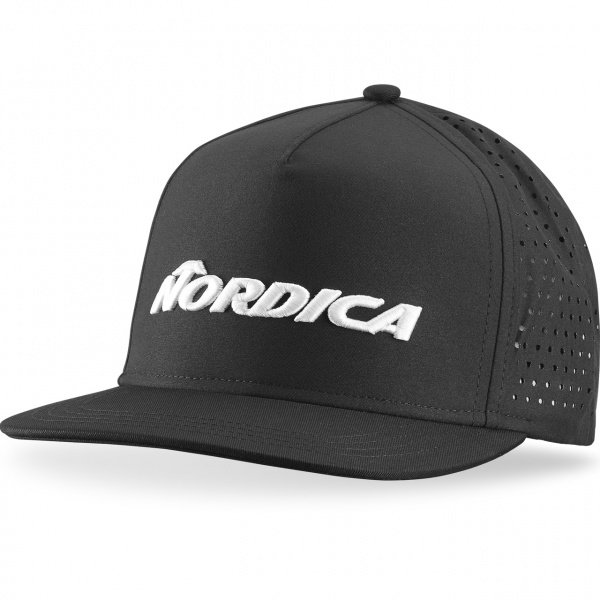
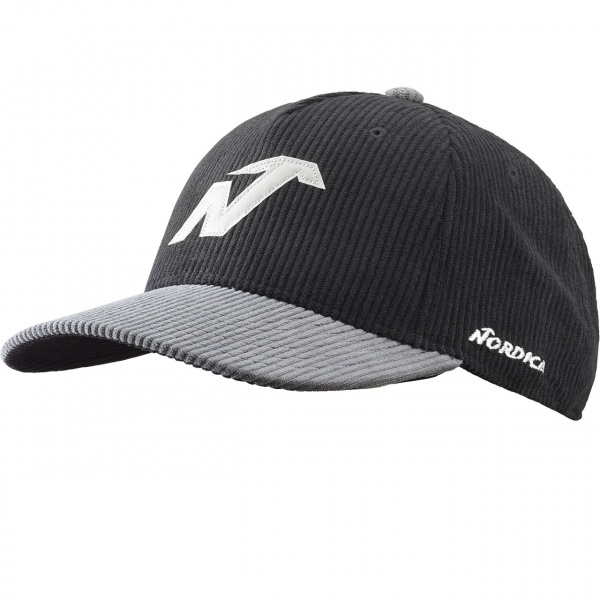
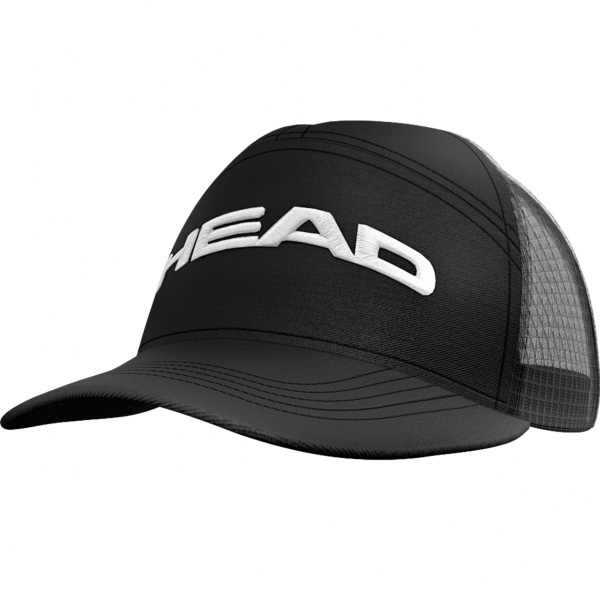
| Race Team Caps | Team appearances, award ceremonies, travel, and stays without a ski helmet | Lightweight, easy to use, and features a highly visible team design | Fit, brim shape, and size adjustment |
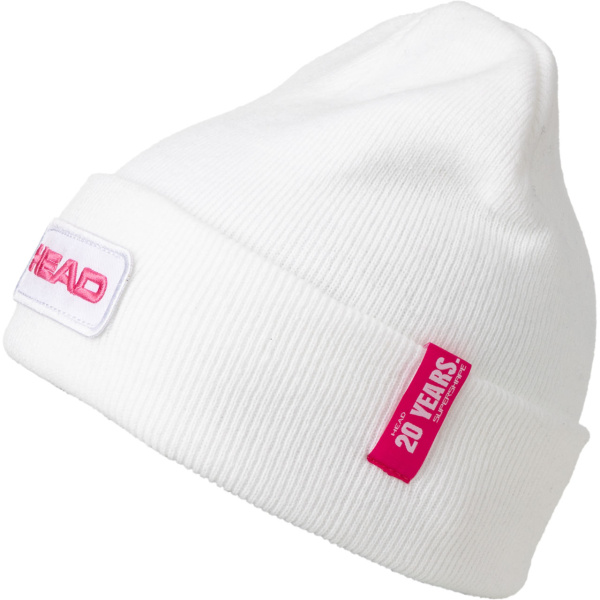
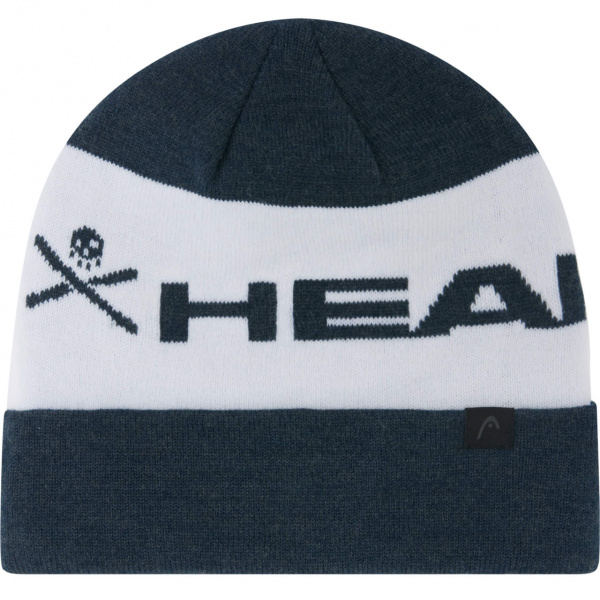
| Race Team Caps | Waiting times, race preparation, and time spent in the finish area | Extra warmth for the head and ears, plus a uniform team look | Ear coverage, fabric thickness, and comfortable fit |
| Race Team Tube Scarves | Warm-up, track walk, and preparations at the starting line | Compact, versatile, and quickly adaptable to changing conditions | Material thickness, elasticity, and ease of use at the jacket collar |
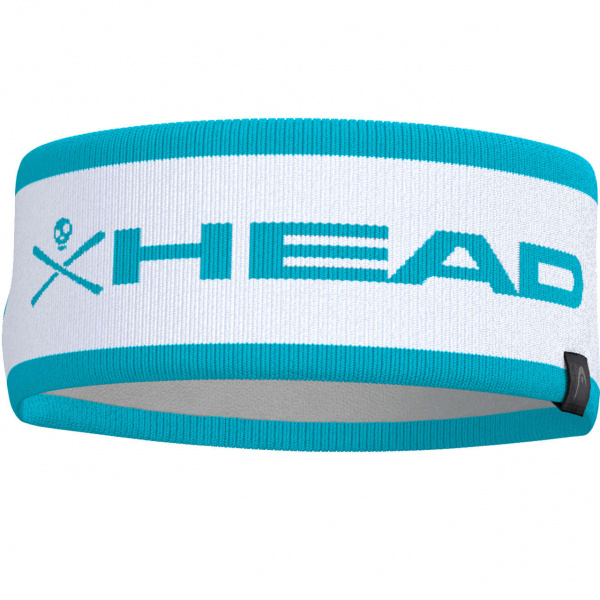
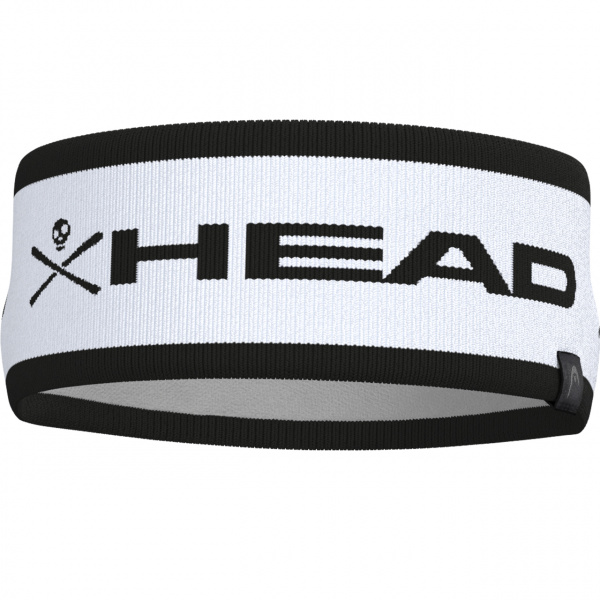
| Race Team Headbands | Warm-up and athletic activities without a helmet | Open top, compact pack size, and targeted ear coverage | Width, fit, and suitability for the respective activity |
| Race Team Balaclavas | Cold training days and, if necessary, use under a ski helmet | Extensive coverage of the head and face | Helmet compatibility, field of vision, fabric thickness, and fit |
For many racers, a combination of a warm hat for downtime and a compact tube scarf for warm-ups makes sense. A balaclava rounds out the gear when needed. Caps and headbands, on the other hand, are particularly useful for activities and breaks when not wearing a ski helmet.
What really matters when it comes to accessories in alpine racing?
In racing, physical exertion and longer rest periods often alternate within a short period of time. That’s why an accessory should not only be suitable for a specific temperature but also fit the flow of a training session or competition.
Quick to put on and compact when packed
Before a race, you need to take off any extra clothing in plenty of time. Accessories that are easy to remove and stow away make this process easier. Thin tube scarves and headbands are especially practical here. They take up little space and can be quickly put back on when needed.
A bulky knit hat can be more comfortable during longer waits, but it takes up more space when packed away. This shows why different accessories complement each other well rather than replacing one another.
Fit and Compatibility with Racing Gear
For accessories intended to be worn while skiing, compatibility with existing gear is particularly important. This is especially true for balaclavas.
A balaclava must not interfere with the proper fit of the ski helmet. Additional layers of fabric, folds, or thick seams can cause pressure points and impair the fit. Whether a balaclava may be worn under a specific helmet depends on the helmet manufacturer’s instructions. Freedom of movement and the field of vision must also be maintained.
Regular caps and thick knit hats do not belong under a ski helmet. They are intended for use when not wearing a helmet.
Material Properties and Regular Use
Race Team Wear accessories are frequently worn, stored, and washed during training. In addition to comfort, the quality of construction and care instructions therefore play an important role.
Stretchy performance fabrics can ensure a secure fit in accessories designed to hug the body. Depending on their construction, knit fabrics provide comfortable thermal insulation. For products with printed logos or special fabric combinations, the care instructions should be followed particularly carefully.
Another important selection criterion is the thickness of the material. For periods of intense movement, a thin accessory may be more comfortable than a heavily insulated version. During longer periods of inactivity, however, the priority shifts toward additional warmth.
Why are team colors and manufacturer collections important for Race Team Wear?
Race Team Wear fulfills two distinct purposes in alpine racing: The clothing must be suited to the specific activity while also visibly demonstrating team affiliation. This concept is particularly easy to implement when it comes to accessories.
For example, a uniform cap or hat is immediately recognizable during joint appearances. Coaches and staff can also be visually identified as part of a team through coordinated attire. This is especially practical at events with many participating teams.
However, having a uniform team outfit doesn’t mean that all accessories have to be identical. Different roles call for different gear. For example, while racers may prefer a compact tube scarf, a coach who spends a long time standing on the side of the course might find a warmer head covering more practical.
To achieve a harmonious look, it’s worth taking a look at the manufacturer’s collection. Identical brand logos do not automatically guarantee identical colors. Differences between materials, collections, and production runs can be noticeable even among shades with similar names.
If you want to add to your existing Race Team Wear collection, you should therefore specify the exact color code and collection whenever possible. This is especially helpful when outfitting multiple team members.
How do you find the right Race Team Wear accessories?
When making your selection, it’s best to first determine your practical needs and then choose the design you want. This way, you’ll avoid accessories that, while they match your team gear, are rarely used in everyday racing.
- Determine how you'll use it: Consider whether you'll mainly need the accessory at the starting line, during course reconnaissance, while waiting, or at team events. Different features are important for longer periods outdoors than for short, high-activity periods.
- Assess your need for warmth realistically: A thick hat can be comfortable in cold temperatures, while a lighter option is often sufficient for warming up. The actual conditions and the duration of the activity are the deciding factors.
- Consider ease of use: If you need to take an accessory off frequently, a compact pack size and ease of use are advantages. A tube scarf, for example, can be stowed away more quickly than a bulky hat.
- Check for compatibility: If you plan to wear a balaclava under your ski helmet, be sure to follow the manufacturer’s instructions. The additional material must not interfere with the helmet’s secure fit or your field of vision.
- Compare materials and care instructions: Pay attention to the material composition, workmanship, and care instructions. Easy cleaning is especially practical for accessories that are used frequently.
- Coordinate with your team’s design: If you already own Race Team Wear, refer to the manufacturer, collection, and color code. This way, you can specifically match new accessories with your existing gear.
- Just add what makes sense: Not every accessory is necessary for every race day. A hat for downtime and a compact tube scarf can already cover many typical situations. Additional products should offer a specific added benefit.
As a family-run winter sports specialist, XSPO combines a passion for alpine skiing with personalized expert advice and a diverse product lineup. When it comes to Race Team Wear accessories, the goal is to find the right addition for your specific needs. Whether you want to complete your existing racing gear or put together a unified team look, at XSPO you can choose from a variety of accessories based on function and design.
Frequently Asked Questions About Race Team Wear Accessories
Race Team Wear Accessories for Training, Competition, and Team Appearance
Race Team Wear accessories are an essential part of alpine racing gear. Beanies, caps, tube scarves, headbands, and balaclavas complement racing apparel, especially in situations where quick adjustments, ease of use, and a unified team look are key. After all, the demands at the start, between two training runs, or after the race are different from those during the downhill run. At XSPO, you’ll find the right accessories for everyday racing and to complement your existing Race Team Wear.
What sets Race Team Wear accessories apart from ordinary ski accessories?
Race Team Wear accessories are complementary clothing items offered in connection with alpine ski racing and race team gear. Their special significance stems less from fundamentally different materials than from the typical situations in which they are used and their coordination with the rest of the racing apparel.
A race day often begins long before the first race starts. Track inspections, warm-ups, gear preparation, and waiting periods are just as much a part of it as the actual races. It’s especially during these phases that accessories that can be quickly put on, taken off, and stowed away come in handy. A tube scarf, for example, takes up very little space in a jacket pocket, while a warm beanie can provide extra comfort after taking off your ski helmet.
Then there’s the team spirit. In alpine racing, coordinated colors and manufacturer collections are an integral part of many teams’ uniforms. A cap or beanie in a matching design complements the race team’s attire even off the slopes—for example, during team meetings, award ceremonies, or while traveling.
It’s important to make this distinction: The term “Race Team Wear” does not automatically mean that an accessory was specifically designed for downhill racing or that it offers superior technical performance. What matters most are the actual product features and the intended use.
Which Race Team Wear accessories are useful for racing?
The five product groups differ primarily in terms of when and how they are used in everyday racing. When making a selection, therefore, the key consideration is not so much which accessory looks the most athletic, but rather what function it is intended to serve.
| Race Team Caps | Team appearances, award ceremonies, travel, and stays without a ski helmet | Lightweight, easy to use, and features a highly visible team design | Fit, brim shape, and size adjustment |
| Race Team Caps | Waiting times, race preparation, and time spent in the finish area | Extra warmth for the head and ears, plus a uniform team look | Ear coverage, fabric thickness, and comfortable fit |
| Race Team Tube Scarves | Warm-up, track walk, and preparations at the starting line | Compact, versatile, and quickly adaptable to changing conditions | Material thickness, elasticity, and ease of use at the jacket collar |
| Race Team Headbands | Warm-up and athletic activities without a helmet | Open top, compact pack size, and targeted ear coverage | Width, fit, and suitability for the respective activity |
| Race Team Balaclavas | Cold training days and, if necessary, use under a ski helmet | Extensive coverage of the head and face | Helmet compatibility, field of vision, fabric thickness, and fit |
For many racers, a combination of a warm hat for downtime and a compact tube scarf for warm-ups makes sense. A balaclava rounds out the gear when needed. Caps and headbands, on the other hand, are particularly useful for activities and breaks when not wearing a ski helmet.
What really matters when it comes to accessories in alpine racing?
In racing, physical exertion and longer rest periods often alternate within a short period of time. That’s why an accessory should not only be suitable for a specific temperature but also fit the flow of a training session or competition.
Quick to put on and compact when packed
Before a race, you need to take off any extra clothing in plenty of time. Accessories that are easy to remove and stow away make this process easier. Thin tube scarves and headbands are especially practical here. They take up little space and can be quickly put back on when needed.
A bulky knit hat can be more comfortable during longer waits, but it takes up more space when packed away. This shows why different accessories complement each other well rather than replacing one another.
Fit and Compatibility with Racing Gear
For accessories intended to be worn while skiing, compatibility with existing gear is particularly important. This is especially true for balaclavas.
A balaclava must not interfere with the proper fit of the ski helmet. Additional layers of fabric, folds, or thick seams can cause pressure points and impair the fit. Whether a balaclava may be worn under a specific helmet depends on the helmet manufacturer’s instructions. Freedom of movement and the field of vision must also be maintained.
Regular caps and thick knit hats do not belong under a ski helmet. They are intended for use when not wearing a helmet.
Material Properties and Regular Use
Race Team Wear accessories are frequently worn, stored, and washed during training. In addition to comfort, the quality of construction and care instructions therefore play an important role.
Stretchy performance fabrics can ensure a secure fit in accessories designed to hug the body. Depending on their construction, knit fabrics provide comfortable thermal insulation. For products with printed logos or special fabric combinations, the care instructions should be followed particularly carefully.
Another important selection criterion is the thickness of the material. For periods of intense movement, a thin accessory may be more comfortable than a heavily insulated version. During longer periods of inactivity, however, the priority shifts toward additional warmth.
Why are team colors and manufacturer collections important for Race Team Wear?
Race Team Wear fulfills two distinct purposes in alpine racing: The clothing must be suited to the specific activity while also visibly demonstrating team affiliation. This concept is particularly easy to implement when it comes to accessories.
For example, a uniform cap or hat is immediately recognizable during joint appearances. Coaches and staff can also be visually identified as part of a team through coordinated attire. This is especially practical at events with many participating teams.
However, having a uniform team outfit doesn’t mean that all accessories have to be identical. Different roles call for different gear. For example, while racers may prefer a compact tube scarf, a coach who spends a long time standing on the side of the course might find a warmer head covering more practical.
To achieve a harmonious look, it’s worth taking a look at the manufacturer’s collection. Identical brand logos do not automatically guarantee identical colors. Differences between materials, collections, and production runs can be noticeable even among shades with similar names.
If you want to add to your existing Race Team Wear collection, you should therefore specify the exact color code and collection whenever possible. This is especially helpful when outfitting multiple team members.
How do you find the right Race Team Wear accessories?
When making your selection, it’s best to first determine your practical needs and then choose the design you want. This way, you’ll avoid accessories that, while they match your team gear, are rarely used in everyday racing.
- Determine how you'll use it: Consider whether you'll mainly need the accessory at the starting line, during course reconnaissance, while waiting, or at team events. Different features are important for longer periods outdoors than for short, high-activity periods.
- Assess your need for warmth realistically: A thick hat can be comfortable in cold temperatures, while a lighter option is often sufficient for warming up. The actual conditions and the duration of the activity are the deciding factors.
- Consider ease of use: If you need to take an accessory off frequently, a compact pack size and ease of use are advantages. A tube scarf, for example, can be stowed away more quickly than a bulky hat.
- Check for compatibility: If you plan to wear a balaclava under your ski helmet, be sure to follow the manufacturer’s instructions. The additional material must not interfere with the helmet’s secure fit or your field of vision.
- Compare materials and care instructions: Pay attention to the material composition, workmanship, and care instructions. Easy cleaning is especially practical for accessories that are used frequently.
- Coordinate with your team’s design: If you already own Race Team Wear, refer to the manufacturer, collection, and color code. This way, you can specifically match new accessories with your existing gear.
- Just add what makes sense: Not every accessory is necessary for every race day. A hat for downtime and a compact tube scarf can already cover many typical situations. Additional products should offer a specific added benefit.
As a family-run winter sports specialist, XSPO combines a passion for alpine skiing with personalized expert advice and a diverse product lineup. When it comes to Race Team Wear accessories, the goal is to find the right addition for your specific needs. Whether you want to complete your existing racing gear or put together a unified team look, at XSPO you can choose from a variety of accessories based on function and design.