










22 of 54 Products shown
Race Team Casual Wear: Casual clothing with an alpine ski racing look
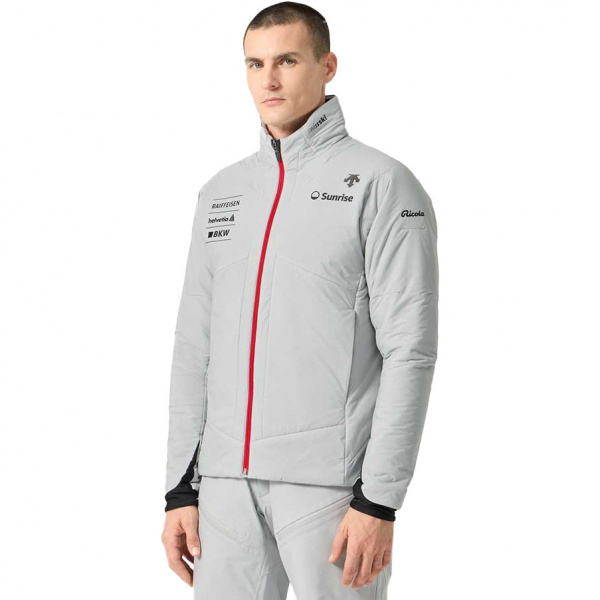
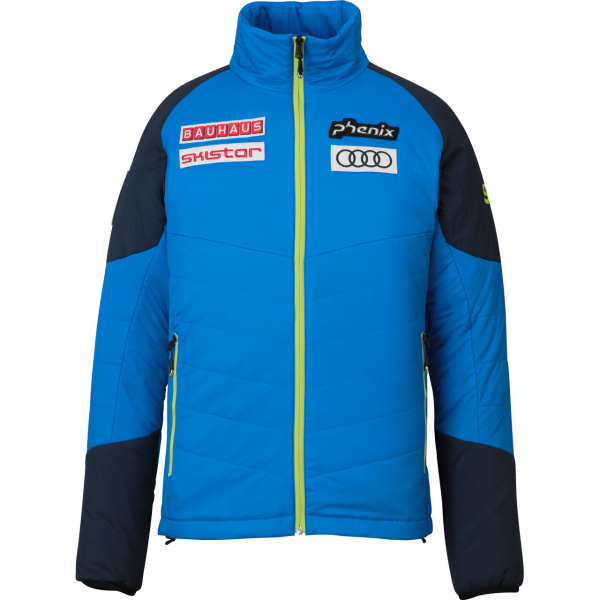
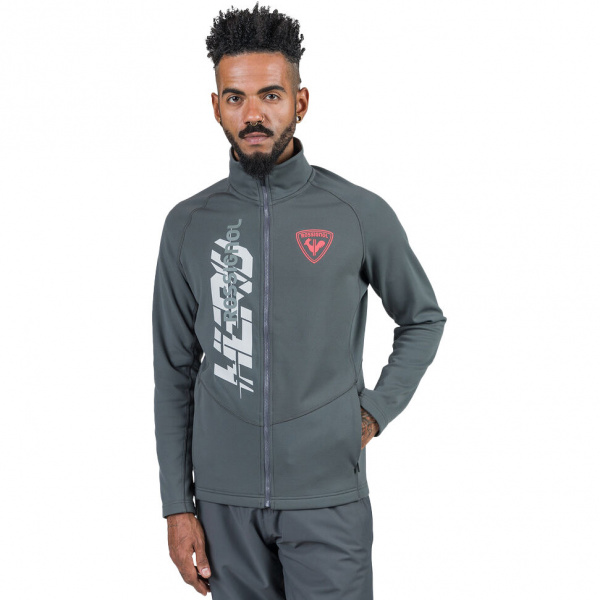
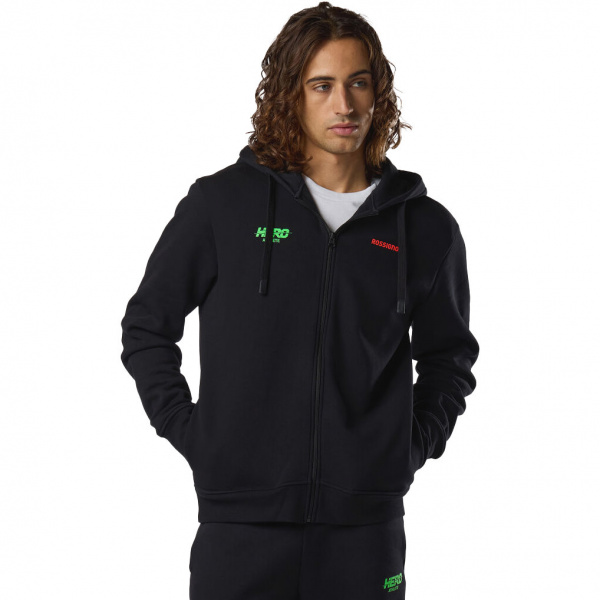
The racing season doesn't end with the final run. Race Team Casual Wear brings the style of the Alpine Ski World Cup into everyday life, combining sporty team designs with the comfort of casual wear. At XSPO, you’ll find casual wear from winter sports brands like Head, Rossignol, COLMAR, Descente, and Phenix. The collection includes hoodies, T-shirts, fleece jackets, midlayers, softshell jackets, and warm team jackets, among other items. Whether you’re on your way to practice, at the ski resort, or at home, what matters most is that your clothing is suited to your activity—not just that it looks like racing gear.
What makes Race Team Casual Wear special?
"Race Team Casual Wear" refers to casual clothing designed with professional alpine ski racing in mind. The collection is characterized by athletic cuts, brand-specific colors, racing logos, and—in certain collections—sponsor prints or national team designs. The clothing thus reflects the visual identity of motorsports without necessarily having been designed for active competition.
In alpine racing, there’s more to the gear than just a racing suit, ski boots, and a helmet. Athletes, coaches, and support staff also need appropriate clothing off the slopes—for example, during travel, at meetings, in the finish area, or between training sessions. Depending on the weather and situation, different types of team apparel are used. For winter sports fans, these collections are particularly appealing because they allow them to wear the distinctive look of competitive skiing even outside the ski resort.
However , not every casual jacket featuring a racing logo is automatically official national team apparel. Manufacturers offer both team collections with specific ties to teams and standalone casual lines featuring racing designs. Whether a particular model is actually part of a specific team’s official gear must be clearly stated in the respective product description.
There are also functional differences: Alpine Ski Wear is designed to withstand the stresses of skiing, while cross-country skiwear is primarily intended to help regulate body temperature during intense endurance activity. Race Team Casual Wear, on the other hand, focuses on comfort, warmth, and everyday practicality. However, individual functional garments can still be used in multiple contexts.
Which brands are shaping casual wear in ski racing?
The world of alpine racing brands is closely tied to the Ski World Cup. Some manufacturers are best known for their skis and racing equipment, while others are recognized for their many years of experience with technical winter sports apparel. These different backgrounds are also reflected in their respective recreational collections.
At XSPO, you'll find casual wear from various well-established winter sports brands. The following overview shows how well-known racing lines and brand names can be categorized.
Important to keep in mind when choosing: A well-known performance line primarily indicates that a product belongs to a particular brand or collection; it does not automatically imply specific technical features. Even within the same line, lightweight casual tops and heavily insulated jackets can differ significantly.
Official team apparel or racing design: What's the difference?
Terms such as “teamwear,” “race wear,” “World Cup,” and “national team” are frequently used in winter sports. However, they are not synonymous. Anyone looking specifically for apparel from a particular racing team should therefore take a closer look.
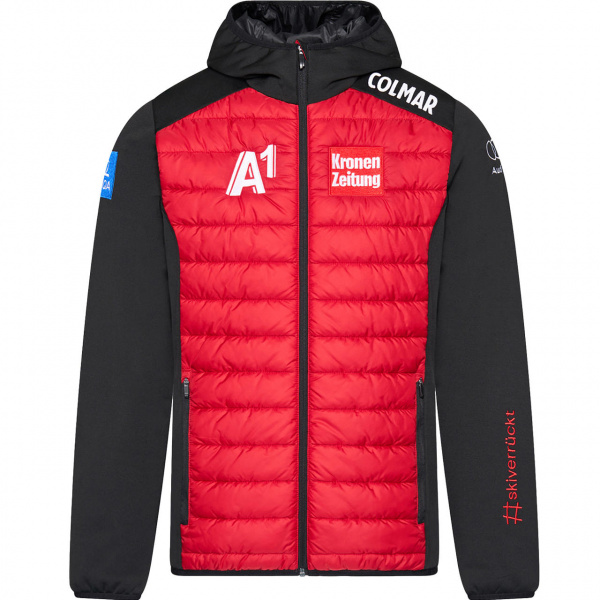
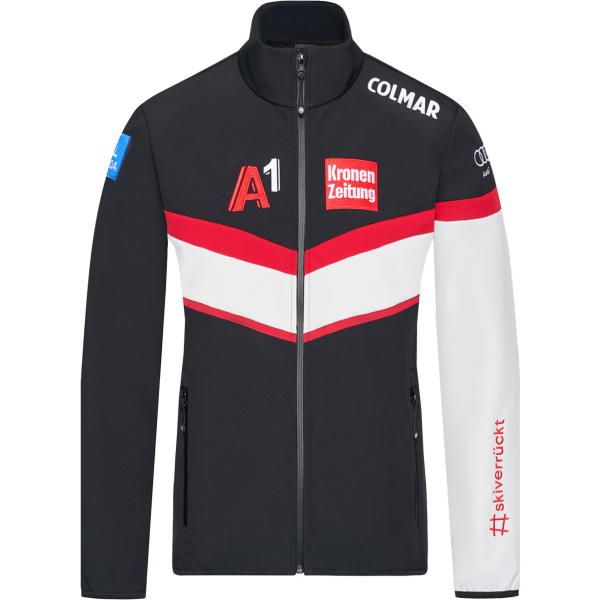
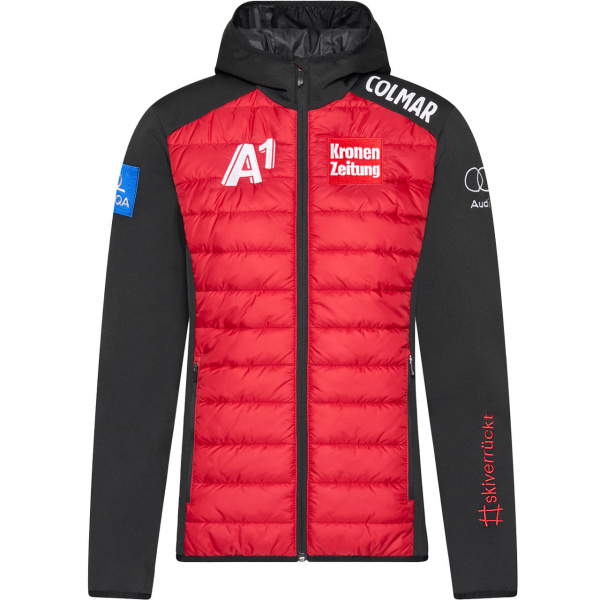
Official team apparel refers to clothing associated with a specific team or squad. Depending on the collection, this may include national colors, league logos, and sponsor logos. However, the version sold in stores does not necessarily match the equipment actually worn by athletes in every detail.
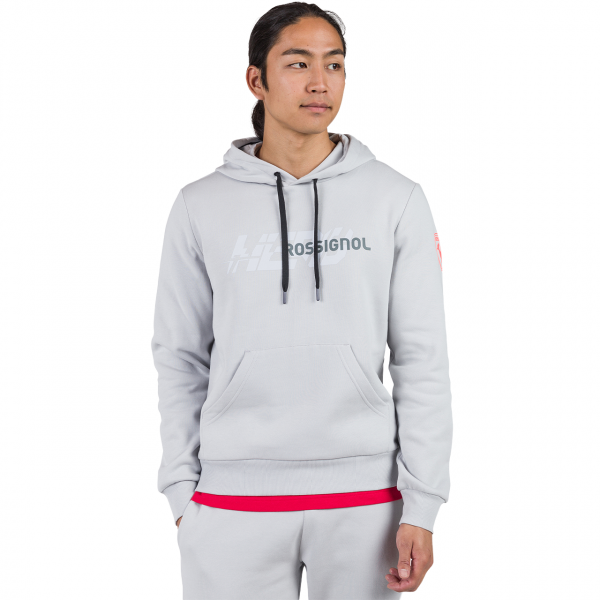
Racing-inspired casual wear, on the other hand, incorporates design elements from alpine racing without necessarily being part of an official team uniform. This includes, for example, casual styles featuring Head WCR or Rossignol HERO branding.
In addition, there are functional team jackets and midlayers whose features may go beyond those of typical casual tops. For example, they may include additional insulation, windproof construction, or stretch panels. Whether these features are included depends on the specific model.
If you're interested in a specific national team, a particular racing style, or a specific team collection, you shouldn't just focus on the brand. The exact model name, the product images, and the details about the respective collection are what really matter.
What features are important in Race Team Casual Wear?
Team apparel is often worn in changing conditions. There can be significant temperature differences between a heated lounge, the drive to the ski resort, and time spent outdoors. That’s why, in addition to design, thermal insulation, wind protection, and the ability to layer different pieces of clothing are particularly important.
Thermal Insulation: Why Is the Design More Important Than the Thickness?
A jacket doesn't keep you warm just because it looks thick. Thermal insulation is primarily created by air that is trapped inside the clothing and exchanged as little as possible. Depending on the model, this function is provided by fleece, synthetic insulation materials, or down.
For longer periods spent outdoors, a suitable insulated jacket is particularly useful. On the other hand, if you frequently move between indoor and outdoor areas, you’ll be better off with lighter layers that can be easily combined.
The cut also affects thermal performance. A jacket that fits very tightly can compress the layers of insulation underneath. A jacket that is too loose, on the other hand, may allow more air to circulate. The key is to strike a balance between freedom of movement and fit.
Wind and Water Protection: What Should a Casual Jacket Offer?
Wind can significantly increase heat loss, especially when it displaces the warm air inside or immediately next to your clothing. That is why wind protection is an important factor to consider when choosing a recreational jacket for a trip to a ski resort.
Softshell materials can offer advantages in this regard. Depending on their construction, they are either wind-resistant or windproof, while still allowing water vapor to escape. However, these properties vary from model to model.
Water-repellent does not mean waterproof. A water-repellent surface initially causes light precipitation to roll off. However, moisture can still penetrate during prolonged rain or wet snow. Reliable protection against moisture requires a properly waterproof construction and proper seam sealing.
A casual jacket with a racing design should therefore not be considered a full-fledged replacement for a technical ski jacket simply because of its sporty appearance.
Freedom of Movement: Why Is It Important for Teamwear?
Even though casual wear doesn't have to be designed for competitive racing, it should restrict movement as little as possible in everyday life. Especially when wearing multiple layers of clothing, the cut and the elasticity of the fabric are crucial.
Stretchy materials can improve comfort, for example in the shoulder area or on the arms. At the same time, a jacket should offer enough room for a midlayer without being unnecessarily loose.
A sporty cut doesn't necessarily mean it's tight-fitting. The actual fit depends on the specific collection and should be assessed based on the manufacturer's specifications.
How does the layering principle work with Race Team Casual Wear?
The layering principle is also useful for casual clothing in a racing context. It refers to wearing several coordinated layers that can be added or removed depending on the temperature and activity.
For a winter day at a ski resort—for example, as a spectator at a ski race—you can put together an outfit as follows:
- First layer: A comfortable T-shirt or a suitable performance top forms the foundation. If you’ll be spending a long time in the cold, the fabric should retain as little moisture as possible.
- Insulating layer: A fleece or midlayer provides additional thermal insulation. The required thickness depends on the temperature and activity level.
- Outer Layer: A suitable team jacket protects against the wind and, when properly equipped, provides additional warmth. In case of rain, adequate protection against the elements must be ensured.
This advantage is particularly evident in changing conditions. You can take off the outer layer while traveling or at a restaurant. If you’re standing outside for an extended period, you can put it back on.
Different requirements apply to spectators than to active skiers. Someone standing on the side of the course for an extended period of time generates less body heat than an athlete during a run. A sufficiently warm insulating layer is therefore often more important than a design that is particularly lightweight and optimized for heat dissipation.
How do you find the right Race Team casual wear?
When making your selection, it’s worth considering racing-inspired designs and practical needs separately. That way, you’ll find a piece of clothing that not only complements your favorite sport visually but can also be put to good use in everyday life.
- Select the racing category you want. Are you looking for apparel from a specific national team, an official team collection, or simply the athletic look of a brand like Head or Rossignol? The exact model name will help you tell them apart.
- Determine the primary area of application. Different requirements apply to travel and indoor activities than to spending an entire day as a spectator at a ski resort. You should make sure you have adequate thermal insulation, especially during longer stays outdoors.
- Check the functional features. When it comes to jackets, insulation, wind protection, and—if necessary—water resistance are key. With fleece and midlayers, on the other hand, warmth, breathability, and versatility are the main priorities.
- Take the fit into account when designing a layered system. An outer jacket should provide enough room for extra layers. At the same time, the sleeves, shoulders, and hip area should not feel uncomfortably tight when you move.
- Pay attention to the team details and product name. Logos, colors, and sponsor logos may vary from one collection to another. If you're looking for a specific design, you should therefore check the product images and the detailed item description.
- Choose based on your actual needs rather than just on a racing-style look. A heavily insulated team jacket can be ideal for cold days, but it can quickly become too warm in heated indoor spaces. For fluctuating temperatures, multiple layers that can be mixed and matched are often more practical.
At XSPO, alpine ski racing has always been a central focus of our product lineup. As a family-run specialty winter sports retailer, we combine our passion for skiing with a carefully curated selection of well-known racing brands and personalized expert advice. That way, even off the slopes, you’ll find clothing that showcases your connection to ski racing and meets your needs.
Frequently Asked Questions About Race Team Casual Wear
Race Team Casual Wear: Casual clothing with an alpine ski racing look
The racing season doesn't end with the final run. Race Team Casual Wear brings the style of the Alpine Ski World Cup into everyday life, combining sporty team designs with the comfort of casual wear. At XSPO, you’ll find casual wear from winter sports brands like Head, Rossignol, COLMAR, Descente, and Phenix. The collection includes hoodies, T-shirts, fleece jackets, midlayers, softshell jackets, and warm team jackets, among other items. Whether you’re on your way to practice, at the ski resort, or at home, what matters most is that your clothing is suited to your activity—not just that it looks like racing gear.
What makes Race Team Casual Wear special?
"Race Team Casual Wear" refers to casual clothing designed with professional alpine ski racing in mind. The collection is characterized by athletic cuts, brand-specific colors, racing logos, and—in certain collections—sponsor prints or national team designs. The clothing thus reflects the visual identity of motorsports without necessarily having been designed for active competition.
In alpine racing, there’s more to the gear than just a racing suit, ski boots, and a helmet. Athletes, coaches, and support staff also need appropriate clothing off the slopes—for example, during travel, at meetings, in the finish area, or between training sessions. Depending on the weather and situation, different types of team apparel are used. For winter sports fans, these collections are particularly appealing because they allow them to wear the distinctive look of competitive skiing even outside the ski resort.
However , not every casual jacket featuring a racing logo is automatically official national team apparel. Manufacturers offer both team collections with specific ties to teams and standalone casual lines featuring racing designs. Whether a particular model is actually part of a specific team’s official gear must be clearly stated in the respective product description.
There are also functional differences: Alpine Ski Wear is designed to withstand the stresses of skiing, while cross-country skiwear is primarily intended to help regulate body temperature during intense endurance activity. Race Team Casual Wear, on the other hand, focuses on comfort, warmth, and everyday practicality. However, individual functional garments can still be used in multiple contexts.
Which brands are shaping casual wear in ski racing?
The world of alpine racing brands is closely tied to the Ski World Cup. Some manufacturers are best known for their skis and racing equipment, while others are recognized for their many years of experience with technical winter sports apparel. These different backgrounds are also reflected in their respective recreational collections.
At XSPO, you'll find casual wear from various well-established winter sports brands. The following overview shows how well-known racing lines and brand names can be categorized.
Important to keep in mind when choosing: A well-known performance line primarily indicates that a product belongs to a particular brand or collection; it does not automatically imply specific technical features. Even within the same line, lightweight casual tops and heavily insulated jackets can differ significantly.
Official team apparel or racing design: What's the difference?
Terms such as “teamwear,” “race wear,” “World Cup,” and “national team” are frequently used in winter sports. However, they are not synonymous. Anyone looking specifically for apparel from a particular racing team should therefore take a closer look.
Official team apparel refers to clothing associated with a specific team or squad. Depending on the collection, this may include national colors, league logos, and sponsor logos. However, the version sold in stores does not necessarily match the equipment actually worn by athletes in every detail.
Racing-inspired casual wear, on the other hand, incorporates design elements from alpine racing without necessarily being part of an official team uniform. This includes, for example, casual styles featuring Head WCR or Rossignol HERO branding.
In addition, there are functional team jackets and midlayers whose features may go beyond those of typical casual tops. For example, they may include additional insulation, windproof construction, or stretch panels. Whether these features are included depends on the specific model.
If you're interested in a specific national team, a particular racing style, or a specific team collection, you shouldn't just focus on the brand. The exact model name, the product images, and the details about the respective collection are what really matter.
What features are important in Race Team Casual Wear?
Team apparel is often worn in changing conditions. There can be significant temperature differences between a heated lounge, the drive to the ski resort, and time spent outdoors. That’s why, in addition to design, thermal insulation, wind protection, and the ability to layer different pieces of clothing are particularly important.
Thermal Insulation: Why Is the Design More Important Than the Thickness?
A jacket doesn't keep you warm just because it looks thick. Thermal insulation is primarily created by air that is trapped inside the clothing and exchanged as little as possible. Depending on the model, this function is provided by fleece, synthetic insulation materials, or down.
For longer periods spent outdoors, a suitable insulated jacket is particularly useful. On the other hand, if you frequently move between indoor and outdoor areas, you’ll be better off with lighter layers that can be easily combined.
The cut also affects thermal performance. A jacket that fits very tightly can compress the layers of insulation underneath. A jacket that is too loose, on the other hand, may allow more air to circulate. The key is to strike a balance between freedom of movement and fit.
Wind and Water Protection: What Should a Casual Jacket Offer?
Wind can significantly increase heat loss, especially when it displaces the warm air inside or immediately next to your clothing. That is why wind protection is an important factor to consider when choosing a recreational jacket for a trip to a ski resort.
Softshell materials can offer advantages in this regard. Depending on their construction, they are either wind-resistant or windproof, while still allowing water vapor to escape. However, these properties vary from model to model.
Water-repellent does not mean waterproof. A water-repellent surface initially causes light precipitation to roll off. However, moisture can still penetrate during prolonged rain or wet snow. Reliable protection against moisture requires a properly waterproof construction and proper seam sealing.
A casual jacket with a racing design should therefore not be considered a full-fledged replacement for a technical ski jacket simply because of its sporty appearance.
Freedom of Movement: Why Is It Important for Teamwear?
Even though casual wear doesn't have to be designed for competitive racing, it should restrict movement as little as possible in everyday life. Especially when wearing multiple layers of clothing, the cut and the elasticity of the fabric are crucial.
Stretchy materials can improve comfort, for example in the shoulder area or on the arms. At the same time, a jacket should offer enough room for a midlayer without being unnecessarily loose.
A sporty cut doesn't necessarily mean it's tight-fitting. The actual fit depends on the specific collection and should be assessed based on the manufacturer's specifications.
How does the layering principle work with Race Team Casual Wear?
The layering principle is also useful for casual clothing in a racing context. It refers to wearing several coordinated layers that can be added or removed depending on the temperature and activity.
For a winter day at a ski resort—for example, as a spectator at a ski race—you can put together an outfit as follows:
- First layer: A comfortable T-shirt or a suitable performance top forms the foundation. If you’ll be spending a long time in the cold, the fabric should retain as little moisture as possible.
- Insulating layer: A fleece or midlayer provides additional thermal insulation. The required thickness depends on the temperature and activity level.
- Outer Layer: A suitable team jacket protects against the wind and, when properly equipped, provides additional warmth. In case of rain, adequate protection against the elements must be ensured.
This advantage is particularly evident in changing conditions. You can take off the outer layer while traveling or at a restaurant. If you’re standing outside for an extended period, you can put it back on.
Different requirements apply to spectators than to active skiers. Someone standing on the side of the course for an extended period of time generates less body heat than an athlete during a run. A sufficiently warm insulating layer is therefore often more important than a design that is particularly lightweight and optimized for heat dissipation.
How do you find the right Race Team casual wear?
When making your selection, it’s worth considering racing-inspired designs and practical needs separately. That way, you’ll find a piece of clothing that not only complements your favorite sport visually but can also be put to good use in everyday life.
- Select the racing category you want. Are you looking for apparel from a specific national team, an official team collection, or simply the athletic look of a brand like Head or Rossignol? The exact model name will help you tell them apart.
- Determine the primary area of application. Different requirements apply to travel and indoor activities than to spending an entire day as a spectator at a ski resort. You should make sure you have adequate thermal insulation, especially during longer stays outdoors.
- Check the functional features. When it comes to jackets, insulation, wind protection, and—if necessary—water resistance are key. With fleece and midlayers, on the other hand, warmth, breathability, and versatility are the main priorities.
- Take the fit into account when designing a layered system. An outer jacket should provide enough room for extra layers. At the same time, the sleeves, shoulders, and hip area should not feel uncomfortably tight when you move.
- Pay attention to the team details and product name. Logos, colors, and sponsor logos may vary from one collection to another. If you're looking for a specific design, you should therefore check the product images and the detailed item description.
- Choose based on your actual needs rather than just on a racing-style look. A heavily insulated team jacket can be ideal for cold days, but it can quickly become too warm in heated indoor spaces. For fluctuating temperatures, multiple layers that can be mixed and matched are often more practical.
At XSPO, alpine ski racing has always been a central focus of our product lineup. As a family-run specialty winter sports retailer, we combine our passion for skiing with a carefully curated selection of well-known racing brands and personalized expert advice. That way, even off the slopes, you’ll find clothing that showcases your connection to ski racing and meets your needs.