















22 of 62 Products shown
Functional Underwear for Skiing: Materials, Performance, and Making the Right Choice
When skiing, functional underwear must do one thing above all else: wick moisture away from the skin without restricting freedom of movement. This is because while you’re skiing at a brisk pace, you sweat, but on the chairlift, your body’s heat production drops again. If your clothes stay damp, you can quickly feel uncomfortably cold.
Whether it’s merino wool or synthetic fiber, a thin performance shirt or warm thermal underwear: The right choice depends on your skiing style, how you feel the cold, and the rest of your Ski Wear. At XSPO, you’ll find performance underwear for women and men that meets a variety of needs on the slopes and during alpine race training.
Our recommendation: If you ski intensively and sweat quickly, lightweight, quick-drying synthetic underwear is often a good choice. For moderate activity and longer lift rides, merino wool or more insulating materials may be a better option. The key is not to generate as much heat as possible, but to maintain a balanced body temperature.
What role does functional underwear play when skiing?
Functional underwear is the first layer of Ski Wear, worn next to the skin. It’s also known as ski underwear or a base layer and is primarily responsible for moisture management. At the same time, it contributes to thermal insulation, the effectiveness of which varies depending on the material and construction.
In alpine skiing, periods of physical exertion alternate with periods of rest. During an intense descent, the body generates heat and sweat. On the lift or during longer breaks, heat production decreases. Damp clothing can then increase heat loss, especially as trapped moisture evaporates.
Three properties are crucial for the performance of ski underwear:
Moisture absorption: This describes how much moisture a fiber can absorb. Merino wool, for example, can absorb water vapor into the interior of the fiber. Polyester, on the other hand, retains only a small amount of moisture within the fiber.
Moisture-wicking: Liquid sweat is distributed throughout the fabric and drawn away from the Skin. How well this works depends not only on the fiber material, but also on the yarns, knit construction, and fit.
Water vapor permeability: This describes how well water vapor can pass through a textile. This property is often referred to as breathability, but it should not be equated with the transport of liquid sweat.
Important: Performance underwear does not prevent sweating. It helps manage moisture as it builds up. How well the entire clothing system works also depends on the layers worn on top of it.
When it comes to competitive skiing and race training, moisture-wicking, quick-drying, and freedom of movement are therefore the top priorities. On the other hand, those who mostly ski at a leisurely pace and spend a lot of time on the lift often need more thermal insulation.
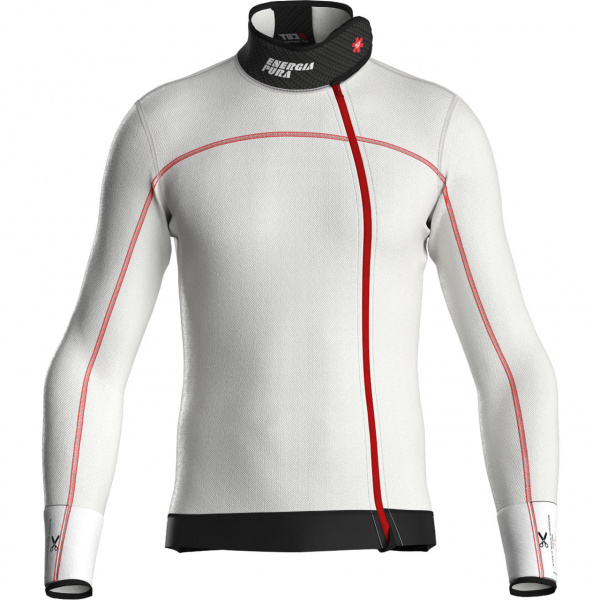
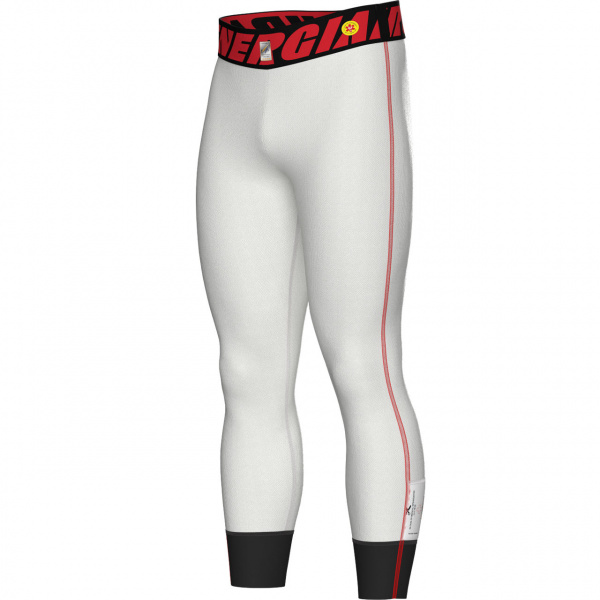
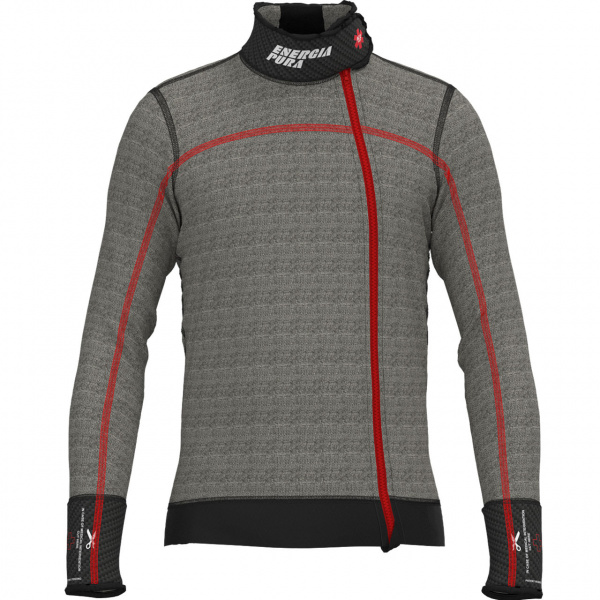
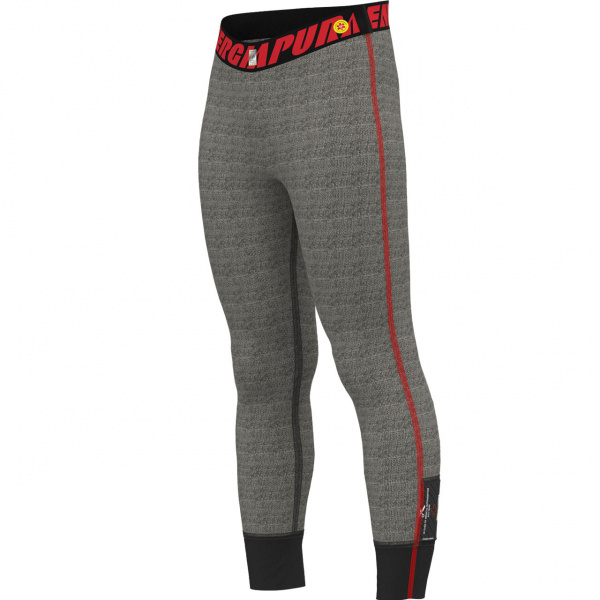
Within the Race & Team Wear line, performance underwear serves as the close-fitting base layer. While racing suits, training pants, and warm-up clothing are designed to meet the various demands of alpine skiing, the performance underwear worn underneath primarily supports moisture management and comfort. It serves the same purpose even when worn under regular Ski Wear.
This should be distinguished from specialized cross-country skiing apparel. In cross-country skiing, physical exertion is often high over extended periods, which is why the entire outfit is designed more specifically for continuous heat dissipation and freedom of movement. However, the basic requirements for a functional base layer overlap.
What materials are suitable for functional underwear?
The most important materials for ski underwear are polyester, polyamide, polypropylene, and merino wool. They differ primarily in terms of moisture absorption, drying behavior, durability, and odor development.
The most suitable material cannot be determined based on the fiber alone. Fabric weight, knit structure, and construction also influence the actual properties.
Merino Wool or Synthetic Fiber: Which Is Better for Skiing?
Synthetic fibers are often the better choice when you sweat a lot. Merino wool offers advantages for longer wear times and varying levels of physical activity. Both materials can be useful for skiing, but they meet the requirements in different ways.
Polyester and polypropylene absorb very little water into the interior of their fibers. With the right textile construction, moisture can spread along the fibers and then evaporate. This results in quick drying times.
Merino wool, on the other hand, can absorb water vapor within the fiber. As a result, the surface of the fabric does not necessarily feel damp right away. Added to this is the relatively low odor retention, which can be particularly pleasant when wearing the garment for extended periods.
However, merino wool is not inherently warmer than synthetic fibers. The key factors are the thickness of the material, the construction of the garment, and the air trapped within it.
For active skiers and racers who sweat quickly, we therefore recommend starting with a lightweight, quick-drying base layer. Additional warmth can be regulated as needed by the outer layers. Those who ski less intensely or feel the cold easily can choose a slightly more insulating option.
What does "grammage" mean when it comes to performance underwear?
Grammage describes the weight per unit area of a fabric in grams per square meter (g/m²). This measurement is used particularly often for merino underwear.
A material with a weight of 200 g/m² weighs 200 grams per square meter. This value allows for a rough comparison of similar textiles, but it is not a direct measure of thermal insulation.
These categories are for reference only. Manufacturers use different weight classes and designations. Additionally, two fabrics with the same grammage may provide different levels of insulation depending on their construction.
How does the layering principle work when skiing?
The layering principle describes the structure of Ski Wear, which consists of multiple layers that serve different purposes. Instead of relying on a single thick layer of clothing for all thermal insulation, this system can be adapted to temperature and physical exertion.
A common mistake when skiing is wearing too many layers during intense physical activity. If you combine thick thermal underwear with a warm fleece and a heavily lined ski jacket, you can quickly overheat during vigorous descents.
The result is increased sweating. During the subsequent ride up the lift, the damp clothing can feel uncomfortably cold.
For intense physical activity, a thin base layer paired with an adjustable insulating layer is therefore often a better choice than particularly thick technical underwear.
This flexibility is especially important during race training. During warm-ups and between races, athletes often wear additional warm-up clothing. For the actual race, the outer layers are removed. Performance underwear, on the other hand, stays directly against the body and should fit comfortably even under a tight-fitting racing suit.
The outer layer also affects your body’s temperature regulation. A ski jacket with low water vapor permeability can limit moisture wicking. Ventilation openings and adjusting your clothing as needed help release excess heat.
Which functional underwear suits your skiing style?
The right ski underwear isn’t determined by a specific outside temperature. The key factors are your skiing style, how much you sweat, your personal perception of warmth, and the rest of your Ski Wear.
Competitive skiing and race training: For intense downhill runs and high physical exertion, lightweight synthetic-fiber models are often the best choice. They usually dry quickly and can be worn comfortably under form-fitting Ski Wear. For race training, flat seams and a fit without annoying wrinkles are also important.
Relaxed skiing with longer lift rides: If you ski at a more leisurely pace and tend to get cold quickly, you can choose a slightly warmer base layer. Merino wool or a medium-weight fabric can be comfortable in this case.
Fluctuating temperatures: A light or medium-weight base layer can be flexibly combined with different insulation layers. This way, you don’t have to change your entire set of Ski Wear every time the weather changes.
Sensitive skin: A soft fabric surface, flat seams, and a well-fitting cut are especially important. Whether merino wool or synthetic fibers are more comfortable depends on individual skin sensitivity.
Tight-fitting Ski Wear and racing suits: Under athletic-cut ski pants or a ski racing suit, stretchy, form-fitting materials and seams that are as flat as possible are advantageous. They reduce bothersome wrinkles and potential friction points. Especially under a tight-fitting racing suit, performance underwear shouldn’t add unnecessary bulk.
How do you find the right functional underwear?
Determine your warmth needs.First, consider whether you tend to sweat quickly or feel the cold easily while skiing. During high-intensity physical activity, a lightweight base layer is often a good choice. For low-intensity activity, your underwear can provide more insulation.
Choose the right material.Synthetic fibers are particularly suitable when quick drying times are important. Merino wool offers advantages in terms of moisture management and odor control. Blended fabrics can combine different properties.
Make sure the fit is close to the body.Functional underwear should fit as snugly as possible without cutting into the skin. Contact with the skin helps wick away moisture. At the same time, it must allow for unrestricted movement while skiing. Under a racing suit, the base layer should fit as smoothly as possible, without any wrinkles.
Check the seams, cuffs, and inseam.Flat seams and seam-free designs can reduce friction. These details are especially comfortable when worn under tight-fitting racing gear. With performance pants, it’s also important that no annoying fabric wrinkles form inside the ski boot.
Take your other Ski Wear into account.Under a heavily insulated ski jacket, a thin base layer may be sufficient. With an unlined hardshell, an additional insulating layer may be necessary. For race training, the combination should work well with both the race suit and the warm-up clothing worn over it.
Keep care and lifespan in mind.Synthetic underwear is often easy to wash and dries quickly. Merino wool requires gentler care, depending on how it’s processed. Always follow the instructions on the care label.
Why can three-quarter-length performance underwear be useful when skiing?
One detail that’s easily overlooked when buying ski underwear is the leg length. Long performance underwear can create extra layers of fabric around the top of the ski boot. This can lead to uncomfortable pressure points, especially with tight-fitting ski boots.
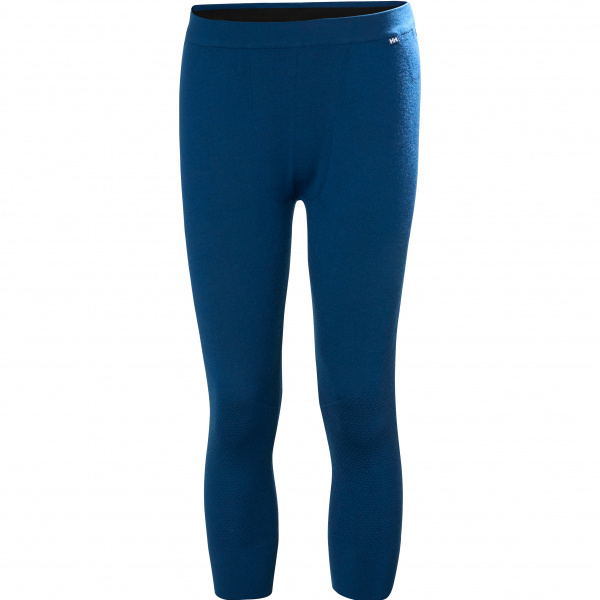
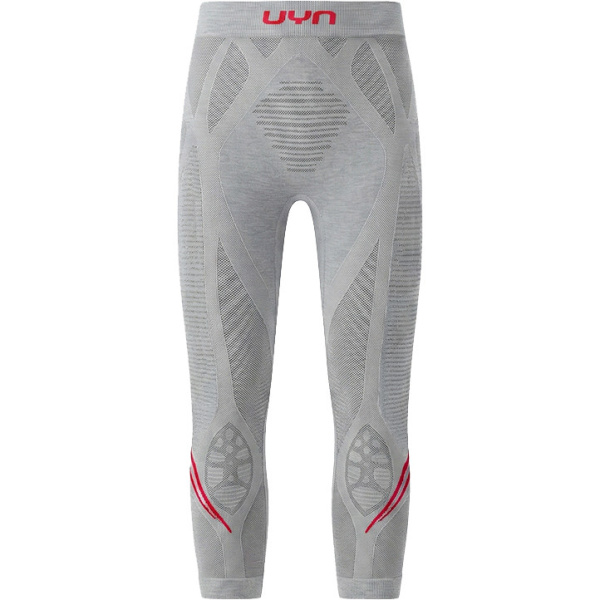
Three-quarter-length performance underwear ends above the ski boot shaft. This means there’s less material overlapping inside the ski boot. That can improve comfort and prevent annoying wrinkles.
Especially with athletic, snug-fitting ski boots—such as those used in racing—it’s therefore worth paying attention to the length of the functional pants in addition to the choice of material.
What are the benefits of seamless performance underwear?
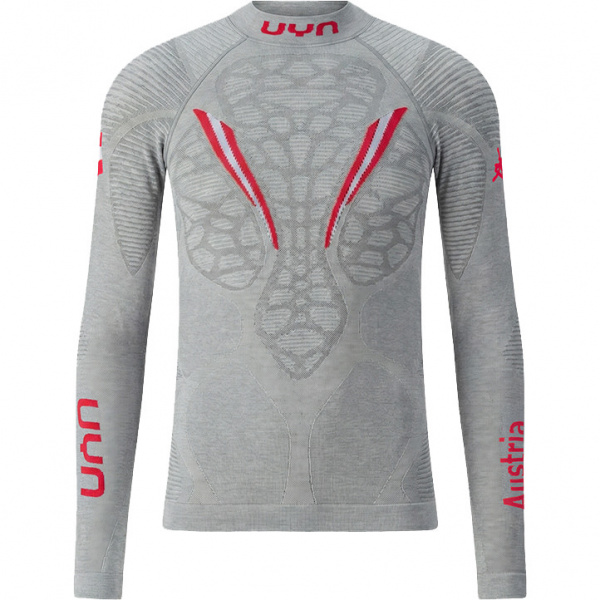
"Seamless" refers to a textile construction in which traditional seams are partially reduced or replaced by special knitting techniques. This can minimize potential points of friction and improve comfort when wearing form-fitting Ski Wear.
However, such a garment does not have to be completely seamless. The key is that seams, cuffs, and fabric transitions do not pinch or chafe when worn.
How do you properly care for performance underwear?
Proper care helps ensure that ski underwear retains its fit and functional properties for as long as possible. Always follow the manufacturer’s care instructions.
Synthetic-fiber underwear is often easy to wash and usually dries quickly. Fabric softener should be avoided with many performance fabrics, as residues can impair their functional properties depending on the material and finish.
Depending on how it is made, merino underwear requires gentler care. Often, a suitable wool cycle and a specific detergent are recommended. Not all merino products can be dried in a clothes dryer.
After washing, performance underwear should be allowed to dry completely before being stored. Clothing that has become heavily soaked with sweat should be washed. With light use, merino wool can often be aired out first.
At XSPO, we consider performance underwear to be an essential part of your overall ski gear, from a day of recreational skiing to alpine race training. As a family-run winter sports specialist, we combine personalized advice with expertise in skiing and a diverse selection to meet a variety of needs. That’s why our focus isn’t on the thickest or most expensive ski underwear, but on the right combination of material, thermal performance, and comfort.
Frequently Asked Questions About Performance Underwear
Functional Underwear for Skiing: Materials, Performance, and Making the Right Choice
When skiing, functional underwear must do one thing above all else: wick moisture away from the skin without restricting freedom of movement. This is because while you’re skiing at a brisk pace, you sweat, but on the chairlift, your body’s heat production drops again. If your clothes stay damp, you can quickly feel uncomfortably cold.
Whether it’s merino wool or synthetic fiber, a thin performance shirt or warm thermal underwear: The right choice depends on your skiing style, how you feel the cold, and the rest of your Ski Wear. At XSPO, you’ll find performance underwear for women and men that meets a variety of needs on the slopes and during alpine race training.
Our recommendation: If you ski intensively and sweat quickly, lightweight, quick-drying synthetic underwear is often a good choice. For moderate activity and longer lift rides, merino wool or more insulating materials may be a better option. The key is not to generate as much heat as possible, but to maintain a balanced body temperature.
What role does functional underwear play when skiing?
Functional underwear is the first layer of Ski Wear, worn next to the skin. It’s also known as ski underwear or a base layer and is primarily responsible for moisture management. At the same time, it contributes to thermal insulation, the effectiveness of which varies depending on the material and construction.
In alpine skiing, periods of physical exertion alternate with periods of rest. During an intense descent, the body generates heat and sweat. On the lift or during longer breaks, heat production decreases. Damp clothing can then increase heat loss, especially as trapped moisture evaporates.
Three properties are crucial for the performance of ski underwear:
Moisture absorption: This describes how much moisture a fiber can absorb. Merino wool, for example, can absorb water vapor into the interior of the fiber. Polyester, on the other hand, retains only a small amount of moisture within the fiber.
Moisture-wicking: Liquid sweat is distributed throughout the fabric and drawn away from the Skin. How well this works depends not only on the fiber material, but also on the yarns, knit construction, and fit.
Water vapor permeability: This describes how well water vapor can pass through a textile. This property is often referred to as breathability, but it should not be equated with the transport of liquid sweat.
Important: Performance underwear does not prevent sweating. It helps manage moisture as it builds up. How well the entire clothing system works also depends on the layers worn on top of it.
When it comes to competitive skiing and race training, moisture-wicking, quick-drying, and freedom of movement are therefore the top priorities. On the other hand, those who mostly ski at a leisurely pace and spend a lot of time on the lift often need more thermal insulation.
Within the Race & Team Wear line, performance underwear serves as the close-fitting base layer. While racing suits, training pants, and warm-up clothing are designed to meet the various demands of alpine skiing, the performance underwear worn underneath primarily supports moisture management and comfort. It serves the same purpose even when worn under regular Ski Wear.
This should be distinguished from specialized cross-country skiing apparel. In cross-country skiing, physical exertion is often high over extended periods, which is why the entire outfit is designed more specifically for continuous heat dissipation and freedom of movement. However, the basic requirements for a functional base layer overlap.
What materials are suitable for functional underwear?
The most important materials for ski underwear are polyester, polyamide, polypropylene, and merino wool. They differ primarily in terms of moisture absorption, drying behavior, durability, and odor development.
The most suitable material cannot be determined based on the fiber alone. Fabric weight, knit structure, and construction also influence the actual properties.
Merino Wool or Synthetic Fiber: Which Is Better for Skiing?
Synthetic fibers are often the better choice when you sweat a lot. Merino wool offers advantages for longer wear times and varying levels of physical activity. Both materials can be useful for skiing, but they meet the requirements in different ways.
Polyester and polypropylene absorb very little water into the interior of their fibers. With the right textile construction, moisture can spread along the fibers and then evaporate. This results in quick drying times.
Merino wool, on the other hand, can absorb water vapor within the fiber. As a result, the surface of the fabric does not necessarily feel damp right away. Added to this is the relatively low odor retention, which can be particularly pleasant when wearing the garment for extended periods.
However, merino wool is not inherently warmer than synthetic fibers. The key factors are the thickness of the material, the construction of the garment, and the air trapped within it.
For active skiers and racers who sweat quickly, we therefore recommend starting with a lightweight, quick-drying base layer. Additional warmth can be regulated as needed by the outer layers. Those who ski less intensely or feel the cold easily can choose a slightly more insulating option.
What does "grammage" mean when it comes to performance underwear?
Grammage describes the weight per unit area of a fabric in grams per square meter (g/m²). This measurement is used particularly often for merino underwear.
A material with a weight of 200 g/m² weighs 200 grams per square meter. This value allows for a rough comparison of similar textiles, but it is not a direct measure of thermal insulation.
These categories are for reference only. Manufacturers use different weight classes and designations. Additionally, two fabrics with the same grammage may provide different levels of insulation depending on their construction.
How does the layering principle work when skiing?
The layering principle describes the structure of Ski Wear, which consists of multiple layers that serve different purposes. Instead of relying on a single thick layer of clothing for all thermal insulation, this system can be adapted to temperature and physical exertion.
A common mistake when skiing is wearing too many layers during intense physical activity. If you combine thick thermal underwear with a warm fleece and a heavily lined ski jacket, you can quickly overheat during vigorous descents.
The result is increased sweating. During the subsequent ride up the lift, the damp clothing can feel uncomfortably cold.
For intense physical activity, a thin base layer paired with an adjustable insulating layer is therefore often a better choice than particularly thick technical underwear.
This flexibility is especially important during race training. During warm-ups and between races, athletes often wear additional warm-up clothing. For the actual race, the outer layers are removed. Performance underwear, on the other hand, stays directly against the body and should fit comfortably even under a tight-fitting racing suit.
The outer layer also affects your body’s temperature regulation. A ski jacket with low water vapor permeability can limit moisture wicking. Ventilation openings and adjusting your clothing as needed help release excess heat.
Which functional underwear suits your skiing style?
The right ski underwear isn’t determined by a specific outside temperature. The key factors are your skiing style, how much you sweat, your personal perception of warmth, and the rest of your Ski Wear.
Competitive skiing and race training: For intense downhill runs and high physical exertion, lightweight synthetic-fiber models are often the best choice. They usually dry quickly and can be worn comfortably under form-fitting Ski Wear. For race training, flat seams and a fit without annoying wrinkles are also important.
Relaxed skiing with longer lift rides: If you ski at a more leisurely pace and tend to get cold quickly, you can choose a slightly warmer base layer. Merino wool or a medium-weight fabric can be comfortable in this case.
Fluctuating temperatures: A light or medium-weight base layer can be flexibly combined with different insulation layers. This way, you don’t have to change your entire set of Ski Wear every time the weather changes.
Sensitive skin: A soft fabric surface, flat seams, and a well-fitting cut are especially important. Whether merino wool or synthetic fibers are more comfortable depends on individual skin sensitivity.
Tight-fitting Ski Wear and racing suits: Under athletic-cut ski pants or a ski racing suit, stretchy, form-fitting materials and seams that are as flat as possible are advantageous. They reduce bothersome wrinkles and potential friction points. Especially under a tight-fitting racing suit, performance underwear shouldn’t add unnecessary bulk.
How do you find the right functional underwear?
Determine your warmth needs.First, consider whether you tend to sweat quickly or feel the cold easily while skiing. During high-intensity physical activity, a lightweight base layer is often a good choice. For low-intensity activity, your underwear can provide more insulation.
Choose the right material.Synthetic fibers are particularly suitable when quick drying times are important. Merino wool offers advantages in terms of moisture management and odor control. Blended fabrics can combine different properties.
Make sure the fit is close to the body.Functional underwear should fit as snugly as possible without cutting into the skin. Contact with the skin helps wick away moisture. At the same time, it must allow for unrestricted movement while skiing. Under a racing suit, the base layer should fit as smoothly as possible, without any wrinkles.
Check the seams, cuffs, and inseam.Flat seams and seam-free designs can reduce friction. These details are especially comfortable when worn under tight-fitting racing gear. With performance pants, it’s also important that no annoying fabric wrinkles form inside the ski boot.
Take your other Ski Wear into account.Under a heavily insulated ski jacket, a thin base layer may be sufficient. With an unlined hardshell, an additional insulating layer may be necessary. For race training, the combination should work well with both the race suit and the warm-up clothing worn over it.
Keep care and lifespan in mind.Synthetic underwear is often easy to wash and dries quickly. Merino wool requires gentler care, depending on how it’s processed. Always follow the instructions on the care label.
Why can three-quarter-length performance underwear be useful when skiing?
One detail that’s easily overlooked when buying ski underwear is the leg length. Long performance underwear can create extra layers of fabric around the top of the ski boot. This can lead to uncomfortable pressure points, especially with tight-fitting ski boots.
Three-quarter-length performance underwear ends above the ski boot shaft. This means there’s less material overlapping inside the ski boot. That can improve comfort and prevent annoying wrinkles.
Especially with athletic, snug-fitting ski boots—such as those used in racing—it’s therefore worth paying attention to the length of the functional pants in addition to the choice of material.
What are the benefits of seamless performance underwear?
"Seamless" refers to a textile construction in which traditional seams are partially reduced or replaced by special knitting techniques. This can minimize potential points of friction and improve comfort when wearing form-fitting Ski Wear.
However, such a garment does not have to be completely seamless. The key is that seams, cuffs, and fabric transitions do not pinch or chafe when worn.
How do you properly care for performance underwear?
Proper care helps ensure that ski underwear retains its fit and functional properties for as long as possible. Always follow the manufacturer’s care instructions.
Synthetic-fiber underwear is often easy to wash and usually dries quickly. Fabric softener should be avoided with many performance fabrics, as residues can impair their functional properties depending on the material and finish.
Depending on how it is made, merino underwear requires gentler care. Often, a suitable wool cycle and a specific detergent are recommended. Not all merino products can be dried in a clothes dryer.
After washing, performance underwear should be allowed to dry completely before being stored. Clothing that has become heavily soaked with sweat should be washed. With light use, merino wool can often be aired out first.
At XSPO, we consider performance underwear to be an essential part of your overall ski gear, from a day of recreational skiing to alpine race training. As a family-run winter sports specialist, we combine personalized advice with expertise in skiing and a diverse selection to meet a variety of needs. That’s why our focus isn’t on the thickest or most expensive ski underwear, but on the right combination of material, thermal performance, and comfort.