











22 of 100 Products shown
Ski Racing Gloves: Grip, Protection, and Control in Alpine Racing
In slalom, every turn and every contact with the gate counts. That’s why racing gloves are significantly different from regular ski gloves: They combine grippy palms, a precise fit, and—depending on the model—special protectors on the fingers, knuckles, and back of the hand. It’s crucial that the gloves protect your hands without unnecessarily restricting mobility or your feel for the Pole. At XSPO, you’ll find racing gloves and mittens for alpine racing that are designed with precisely these requirements in mind.
What's the difference between racing ski gloves and regular ski gloves?
A good racing glove must fulfill three functions: provide a secure grip on the Pole, protect the hands from the cold, and cushion mechanical impacts. The demands are particularly high in slalom. When passing through the gates, fingers, knuckles, and the backs of the hands can repeatedly come into contact with the poles. Special padding and protectors are designed to reduce the impact caused by these contacts.
Unlike traditional ski gloves, many race models are therefore designed to fit snugly and are reinforced in areas subject to particularly high stress. Grippy leather palms support direct pole control, while pre-shaped fingers facilitate a natural hand position on the grip. However, the amount of protection and warmth a glove actually provides depends on its construction. Not every racing glove has protectors or a waterproof membrane.
There are also differences among the alpine racing disciplines. In slalom, targeted reinforcement at the fingers and knuckles is particularly important. In giant slalom, the focus is on secure pole control, flexibility, and durable materials. In downhill and super-G, thermal insulation and wind protection become more important, as the hands can cool down more quickly at high speeds due to the wind.
Ski racing gloves are therefore specialized gear for alpine racing and not ordinary Ski Wear. They also differ significantly from cross-country skiing gloves. These are usually lighter in construction and designed more for moisture-wicking and the intense pole work involved in cross-country skiing. The protective padding typical of alpine slalom is generally not needed there.
What features are important in ski racing gloves?
Whether a racing glove suits your riding style depends less on its design than on its features. Protectors, grip material, thermal insulation, and fit are particularly important. Each material serves a different purpose. For example, abrasion-resistant reinforcement is not the same as a shock-absorbing protector.
What kind of protective padding and reinforcements does a racing ski glove need?
Especially in slalom, it’s worth taking a closer look at the protective design. High-quality racing gloves don’t just rely on padding that’s as thick as possible; instead, they feature targeted reinforcements in the areas that are subject to the most stress during contact with the gate poles.
Protectors and abrasion-resistant reinforcements serve different purposes. Protective elements are designed to mitigate mechanical stress caused by impacts or contact. To this end, softer padding or sturdier protective elements can be used to absorb or distribute the forces involved. Abrasion-resistant reinforcements, on the other hand, primarily protect the glove material from mechanical wear.
Depending on the model, padded or sturdier protective elements are used at the base joints of the fingers. Additional reinforcements on the fingers, thumb, and back of the hand can cover other areas of contact. It is crucial that these elements do not cause pressure when gripping or unnecessarily restrict hand movement.
More padding does not automatically mean greater safety. The actual level of protection depends, among other things, on the material, position, direction of impact, and force of impact. A racing glove with protectors can help cushion impacts with the handlebars, but it does not provide complete protection against injury. Protective performance or certification may only be assumed if the manufacturer provides corresponding information.
What materials are used in ski racing gloves?
Alpine racing gloves often combine different materials because the palm, back of the hand, fingers, and lining each have different functions. What matters is not just the use of a high-quality material, but its role within the overall construction of the glove.
Goatskin is often used for the palms of high-quality racing gloves. It combines suppleness with good abrasion resistance and, when properly processed, allows for direct contact with the Pole. Just how grippy a leather palm actually is depends, among other things, on the quality of the leather, the surface treatment, and external conditions.
SuperFabric is a technical material with durable surface structures. It is used in specially designed racing gloves to reinforce areas subject to particularly high stress. Its primary function is to improve abrasion resistance. It does not, however, provide additional protection against impacts on its own.
Thinsulate is a synthetic thermal insulation material that provides warmth even when used in relatively thin layers. This is particularly useful for racing gloves, as a bulky design can impair the sense of touch. However, the actual thermal performance depends not only on the insulation material, but also on the amount of insulation, the inner lining, the fit, and the overall construction of the glove.
Dyneema is a high-strength polyethylene fiber that can be used, among other things, to make exceptionally tear-resistant yarns. In appropriately designed racing gloves, such yarns can help ensure the durability of high-stress seams. However, durability also depends on the seam construction and workmanship.
Silicone coatings are used on some models to provide additional grip areas. They can increase friction between the glove and the Pole. How well this works depends, among other things, on the surface texture of the Pole grip, as well as on moisture and dirt.
These materials are not standard features of all ski racing gloves. Different combinations are used depending on the manufacturer and model. The key factor is whether the specific design is suitable for the intended use.
Why are the palm, lining, and craftsmanship so important?
A direct grip on the pole depends on more than just the material of the palm. Seams, material transitions, and additional reinforcements also influence how a racing glove performs when gripping. If deep creases form on the palm or if seams are poorly placed, this can impair contact with the Pole.
That is why pre-shaped fingers, an ergonomic cut, and a palm with as few creases as possible are important quality features. They support a natural grip and reduce uncomfortable tension in the material. Especially when using the pole in a sporty manner, the glove should fit snugly without restricting finger movement.
The inner lining also deserves attention. During intense workouts, sweat causes moisture to build up. If the inner material becomes damp, thermal comfort can be compromised. In addition to insulation performance, the moisture management and drying properties of the materials used therefore play an important role.
A warm racing glove is therefore not necessarily the one with the thickest padding. The right combination of insulation, lining, weather protection, and fit is crucial for practical use.
How do you find the right ski racing gloves?
- Select by race discipline. Finger and wrist guards are particularly useful for regular slalom training. In giant slalom, grip, flexibility, and durable construction are especially important. For downhill and super-G, you should also make sure you have adequate insulation and wind protection.
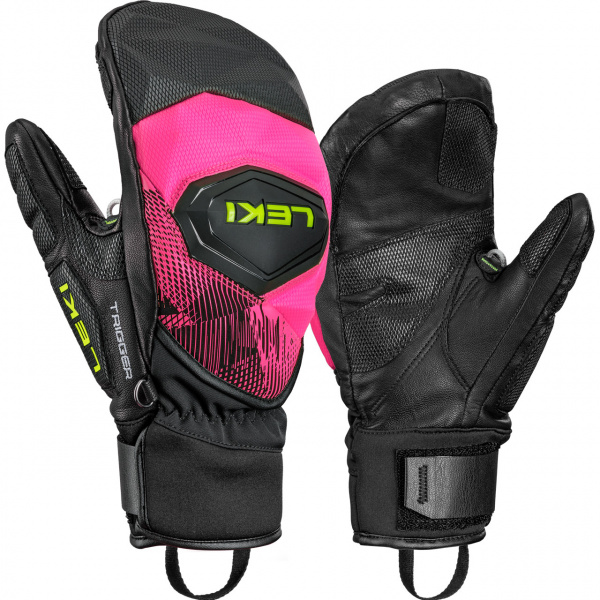
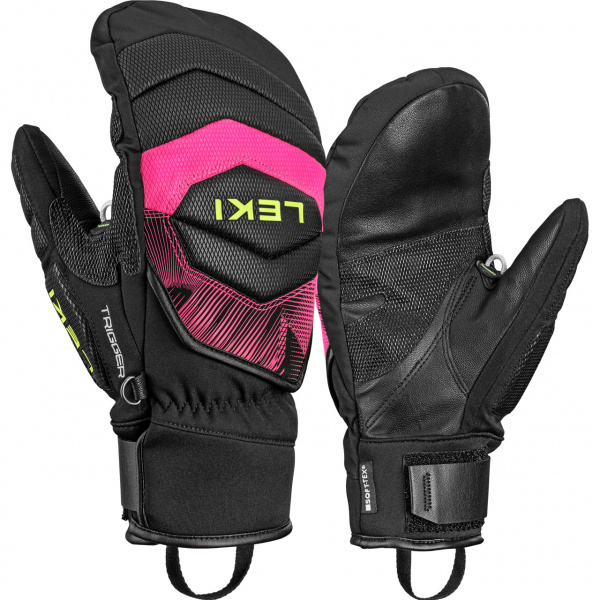
- Choose between gloves and racing mittens. If you prefer the most direct grip possible, fingerless gloves are often the best choice. Racing mittens usually provide more warmth while having a similar design. Some models feature separate finger compartments on the inside, combining some of the advantages of both styles.
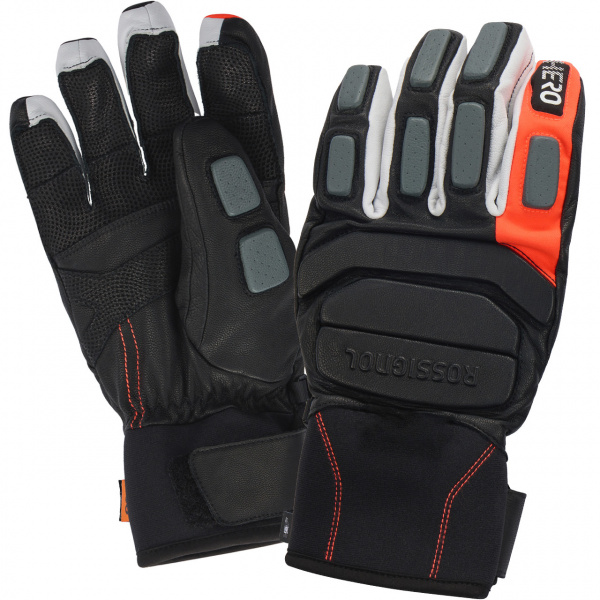
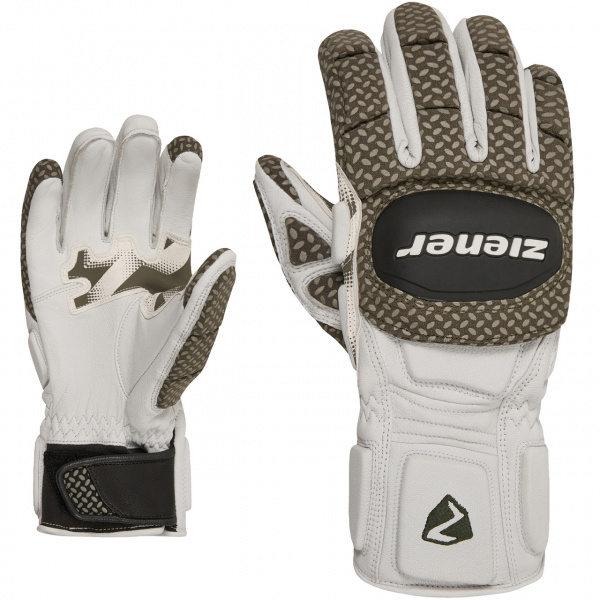
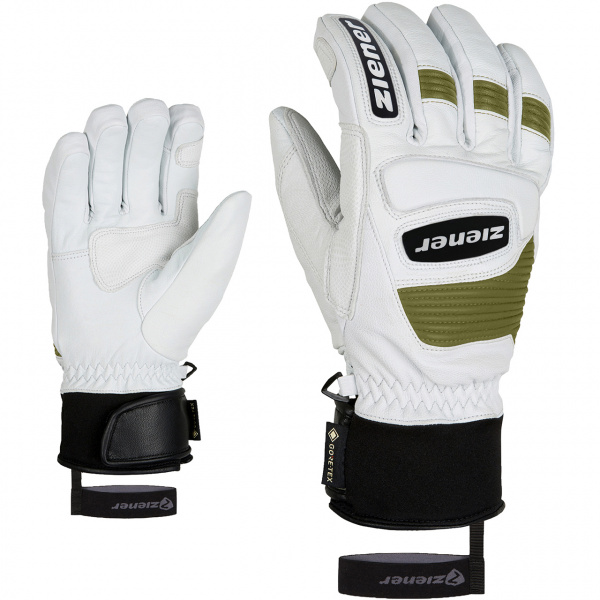
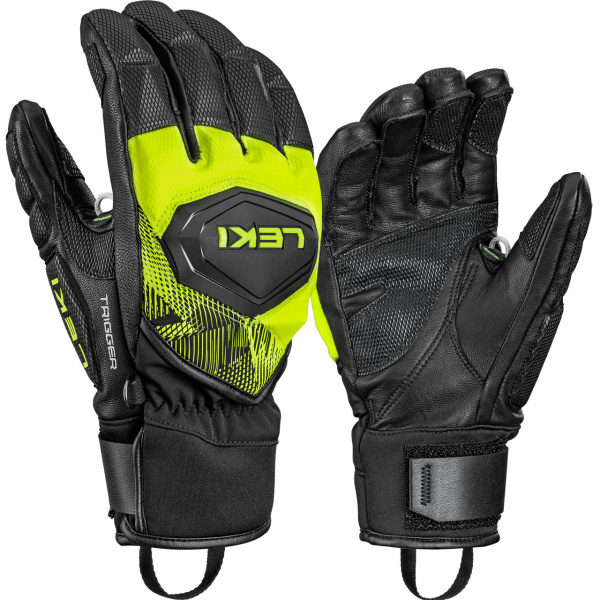
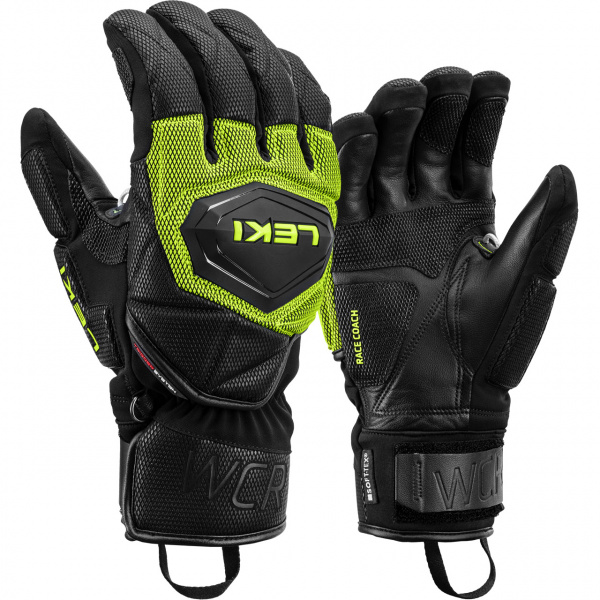
- Check the protected areas. Not every glove with a race design actually has protective padding. Check to see if the fingers, knuckles, and back of the hand are specifically padded. For slalom skiers, the placement of the protective elements is especially important.
- Find the right size. Racing gloves should fit snugly without constricting the fingers. When gripping the Pole, the hand should not slide noticeably inside the glove. At the same time, the fingers must be able to bend fully. Gloves that are too tight can restrict blood flow and thus lead to cold hands.
- Pay attention to how you hold the stick. A grippy leather palm or additional silicone zones can improve pole control. The key factor is how well the glove works with the specific Pole you actually use. Compatibility must also be checked for special pole strap systems.
- Take temperature and weather into account. A heavily padded glove isn't necessarily very warm. Therefore, pay separate attention to the protective design and thermal insulation. If you frequently train in wet snow, it's also a good idea to have adequate protection against moisture.
- Compare materials and workmanship. The palms, the insides of the fingers, and the seams are areas that are subject to particularly heavy wear. High-quality leather, durable reinforcements, and neatly finished seams can improve durability. What matters most is the overall construction, not just the name of a well-known material.
- Remember to take care of it. Leather gloves, in particular, should be allowed to dry slowly at room temperature after a workout. Direct heat from a radiator can dry out and damage the material. Using a suitable leather care product helps maintain the leather’s suppleness. For membranes and technical coatings, follow the manufacturer’s instructions.
When choosing gloves, keep the following in mind: In slalom, targeted protection is a top priority, while in cold conditions, thermal insulation is key. Regardless of the discipline, the gloves should always allow for a secure grip on the poles and fit comfortably without causing pressure points.
At XSPO, as a family-run business passionate about winter sports, we focus intensively on equipment for alpine skiing. Our product line also includes specialized racing gear, where technical details and the needs of competitive skiers are crucial. If you’re unsure about protective features, fit, or materials, our personalized expert advice will help you understand the differences and choose the right racing gloves.
Frequently Asked Questions About Ski Racing Gloves
Ski Racing Gloves: Grip, Protection, and Control in Alpine Racing
In slalom, every turn and every contact with the gate counts. That’s why racing gloves are significantly different from regular ski gloves: They combine grippy palms, a precise fit, and—depending on the model—special protectors on the fingers, knuckles, and back of the hand. It’s crucial that the gloves protect your hands without unnecessarily restricting mobility or your feel for the Pole. At XSPO, you’ll find racing gloves and mittens for alpine racing that are designed with precisely these requirements in mind.
What's the difference between racing ski gloves and regular ski gloves?
A good racing glove must fulfill three functions: provide a secure grip on the Pole, protect the hands from the cold, and cushion mechanical impacts. The demands are particularly high in slalom. When passing through the gates, fingers, knuckles, and the backs of the hands can repeatedly come into contact with the poles. Special padding and protectors are designed to reduce the impact caused by these contacts.
Unlike traditional ski gloves, many race models are therefore designed to fit snugly and are reinforced in areas subject to particularly high stress. Grippy leather palms support direct pole control, while pre-shaped fingers facilitate a natural hand position on the grip. However, the amount of protection and warmth a glove actually provides depends on its construction. Not every racing glove has protectors or a waterproof membrane.
There are also differences among the alpine racing disciplines. In slalom, targeted reinforcement at the fingers and knuckles is particularly important. In giant slalom, the focus is on secure pole control, flexibility, and durable materials. In downhill and super-G, thermal insulation and wind protection become more important, as the hands can cool down more quickly at high speeds due to the wind.
Ski racing gloves are therefore specialized gear for alpine racing and not ordinary Ski Wear. They also differ significantly from cross-country skiing gloves. These are usually lighter in construction and designed more for moisture-wicking and the intense pole work involved in cross-country skiing. The protective padding typical of alpine slalom is generally not needed there.
What features are important in ski racing gloves?
Whether a racing glove suits your riding style depends less on its design than on its features. Protectors, grip material, thermal insulation, and fit are particularly important. Each material serves a different purpose. For example, abrasion-resistant reinforcement is not the same as a shock-absorbing protector.
What kind of protective padding and reinforcements does a racing ski glove need?
Especially in slalom, it’s worth taking a closer look at the protective design. High-quality racing gloves don’t just rely on padding that’s as thick as possible; instead, they feature targeted reinforcements in the areas that are subject to the most stress during contact with the gate poles.
Protectors and abrasion-resistant reinforcements serve different purposes. Protective elements are designed to mitigate mechanical stress caused by impacts or contact. To this end, softer padding or sturdier protective elements can be used to absorb or distribute the forces involved. Abrasion-resistant reinforcements, on the other hand, primarily protect the glove material from mechanical wear.
Depending on the model, padded or sturdier protective elements are used at the base joints of the fingers. Additional reinforcements on the fingers, thumb, and back of the hand can cover other areas of contact. It is crucial that these elements do not cause pressure when gripping or unnecessarily restrict hand movement.
More padding does not automatically mean greater safety. The actual level of protection depends, among other things, on the material, position, direction of impact, and force of impact. A racing glove with protectors can help cushion impacts with the handlebars, but it does not provide complete protection against injury. Protective performance or certification may only be assumed if the manufacturer provides corresponding information.
What materials are used in ski racing gloves?
Alpine racing gloves often combine different materials because the palm, back of the hand, fingers, and lining each have different functions. What matters is not just the use of a high-quality material, but its role within the overall construction of the glove.
Goatskin is often used for the palms of high-quality racing gloves. It combines suppleness with good abrasion resistance and, when properly processed, allows for direct contact with the Pole. Just how grippy a leather palm actually is depends, among other things, on the quality of the leather, the surface treatment, and external conditions.
SuperFabric is a technical material with durable surface structures. It is used in specially designed racing gloves to reinforce areas subject to particularly high stress. Its primary function is to improve abrasion resistance. It does not, however, provide additional protection against impacts on its own.
Thinsulate is a synthetic thermal insulation material that provides warmth even when used in relatively thin layers. This is particularly useful for racing gloves, as a bulky design can impair the sense of touch. However, the actual thermal performance depends not only on the insulation material, but also on the amount of insulation, the inner lining, the fit, and the overall construction of the glove.
Dyneema is a high-strength polyethylene fiber that can be used, among other things, to make exceptionally tear-resistant yarns. In appropriately designed racing gloves, such yarns can help ensure the durability of high-stress seams. However, durability also depends on the seam construction and workmanship.
Silicone coatings are used on some models to provide additional grip areas. They can increase friction between the glove and the Pole. How well this works depends, among other things, on the surface texture of the Pole grip, as well as on moisture and dirt.
These materials are not standard features of all ski racing gloves. Different combinations are used depending on the manufacturer and model. The key factor is whether the specific design is suitable for the intended use.
Why are the palm, lining, and craftsmanship so important?
A direct grip on the pole depends on more than just the material of the palm. Seams, material transitions, and additional reinforcements also influence how a racing glove performs when gripping. If deep creases form on the palm or if seams are poorly placed, this can impair contact with the Pole.
That is why pre-shaped fingers, an ergonomic cut, and a palm with as few creases as possible are important quality features. They support a natural grip and reduce uncomfortable tension in the material. Especially when using the pole in a sporty manner, the glove should fit snugly without restricting finger movement.
The inner lining also deserves attention. During intense workouts, sweat causes moisture to build up. If the inner material becomes damp, thermal comfort can be compromised. In addition to insulation performance, the moisture management and drying properties of the materials used therefore play an important role.
A warm racing glove is therefore not necessarily the one with the thickest padding. The right combination of insulation, lining, weather protection, and fit is crucial for practical use.
How do you find the right ski racing gloves?
- Select by race discipline. Finger and wrist guards are particularly useful for regular slalom training. In giant slalom, grip, flexibility, and durable construction are especially important. For downhill and super-G, you should also make sure you have adequate insulation and wind protection.
- Choose between gloves and racing mittens. If you prefer the most direct grip possible, fingerless gloves are often the best choice. Racing mittens usually provide more warmth while having a similar design. Some models feature separate finger compartments on the inside, combining some of the advantages of both styles.
- Check the protected areas. Not every glove with a race design actually has protective padding. Check to see if the fingers, knuckles, and back of the hand are specifically padded. For slalom skiers, the placement of the protective elements is especially important.
- Find the right size. Racing gloves should fit snugly without constricting the fingers. When gripping the Pole, the hand should not slide noticeably inside the glove. At the same time, the fingers must be able to bend fully. Gloves that are too tight can restrict blood flow and thus lead to cold hands.
- Pay attention to how you hold the stick. A grippy leather palm or additional silicone zones can improve pole control. The key factor is how well the glove works with the specific Pole you actually use. Compatibility must also be checked for special pole strap systems.
- Take temperature and weather into account. A heavily padded glove isn't necessarily very warm. Therefore, pay separate attention to the protective design and thermal insulation. If you frequently train in wet snow, it's also a good idea to have adequate protection against moisture.
- Compare materials and workmanship. The palms, the insides of the fingers, and the seams are areas that are subject to particularly heavy wear. High-quality leather, durable reinforcements, and neatly finished seams can improve durability. What matters most is the overall construction, not just the name of a well-known material.
- Remember to take care of it. Leather gloves, in particular, should be allowed to dry slowly at room temperature after a workout. Direct heat from a radiator can dry out and damage the material. Using a suitable leather care product helps maintain the leather’s suppleness. For membranes and technical coatings, follow the manufacturer’s instructions.
When choosing gloves, keep the following in mind: In slalom, targeted protection is a top priority, while in cold conditions, thermal insulation is key. Regardless of the discipline, the gloves should always allow for a secure grip on the poles and fit comfortably without causing pressure points.
At XSPO, as a family-run business passionate about winter sports, we focus intensively on equipment for alpine skiing. Our product line also includes specialized racing gear, where technical details and the needs of competitive skiers are crucial. If you’re unsure about protective features, fit, or materials, our personalized expert advice will help you understand the differences and choose the right racing gloves.