











22 of 53 Products shown
Ski Racing Apparel: Racewear and Teamwear for Alpine Ski Racing
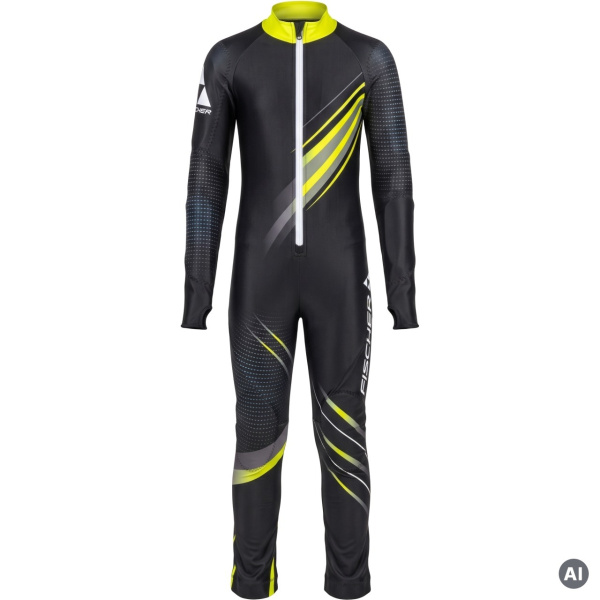
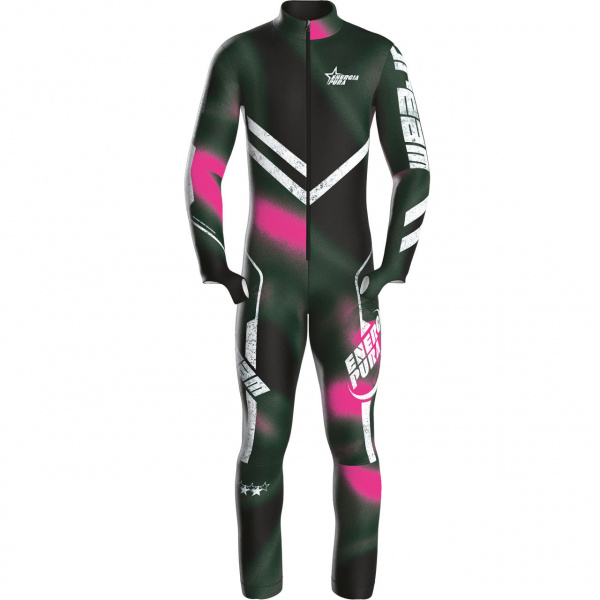
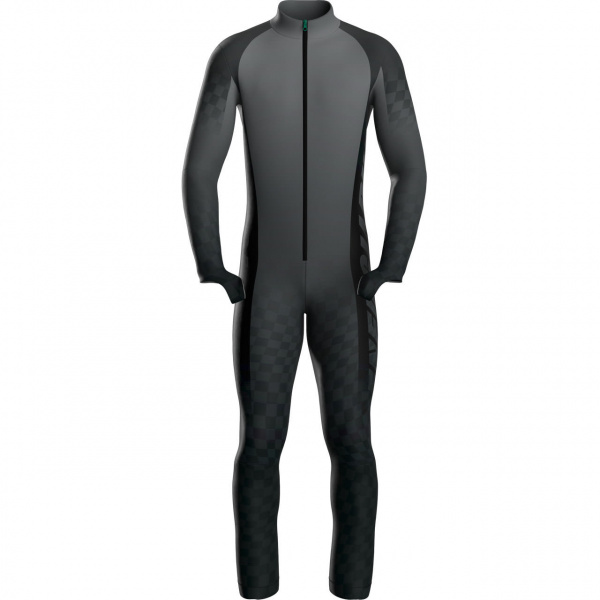
In ski racing, every hundredth of a second counts. But your clothing needs to be just right—and not just while you’re on the course. Anyone who’s ever waited at the starting line in sub-zero temperatures or stood by the lift between two training runs knows how important the right gear is off the actual course. That’s why ski racing apparel encompasses much more than just a form-fitting racing suit. It also includes warm training pants, race shorts, racing vests, and weatherproof rain jackets. At XSPO, you’ll find functional racewear and teamwear for the different phases of alpine ski racing.
Unlike traditional Ski Wear, racing apparel is designed with the specific demands of training and competition in mind. While a racing suit should fit as snugly as possible to minimize air resistance, additional layers of clothing must be easy to put on quickly and take off again before the start. Therefore, it is not a single piece of clothing that matters most, but rather how the various pieces work together.
What kind of ski racing apparel is needed for training and competition?
The requirements for ski racing apparel change significantly over the course of a training day. During a fast downhill run, freedom of movement, fit, and aerodynamics are the top priorities. When waiting at the start, riding the lift, or during longer breaks in training, however, protection from the cold, wind, and precipitation becomes more important.
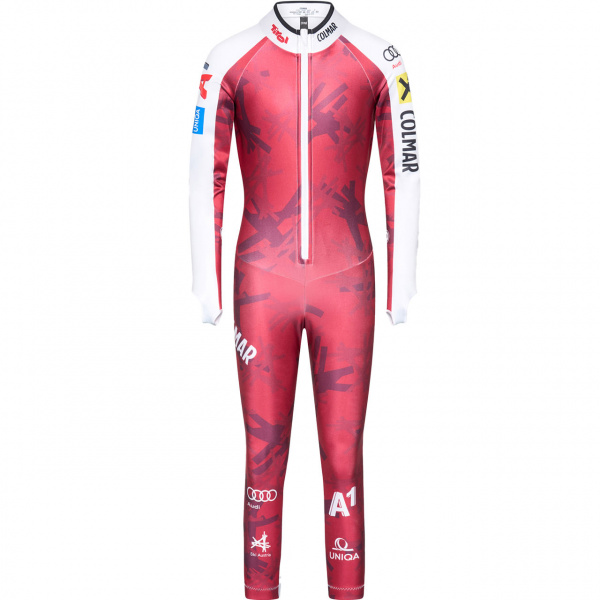
Racewear refers to clothing designed specifically for racing. This includes, in particular, alpine racing suits that fit snugly against the body and have as little excess fabric as possible. Teamwear complements this clothing with functional garments for training, preparation, and breaks. The lines between them are blurred: For example, full-zip racing pants can serve as both training gear and part of immediate competition preparation.
Typical uses for the various types of clothing include:
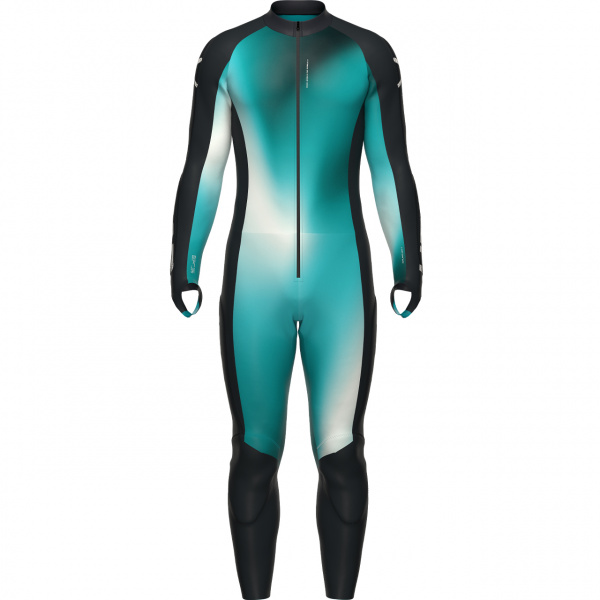
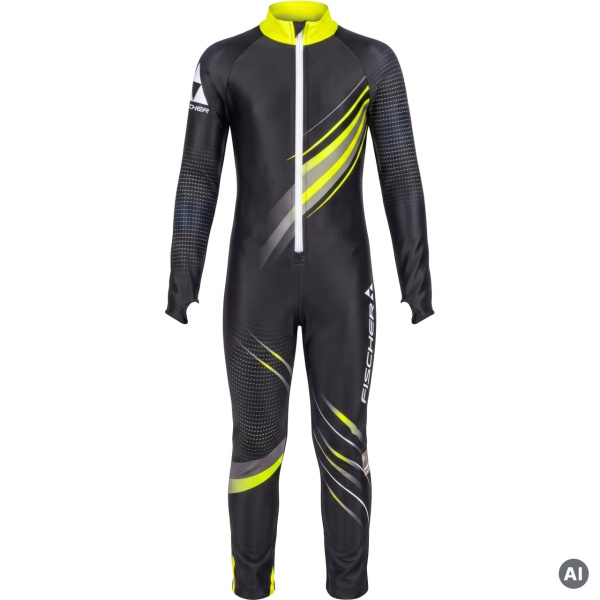
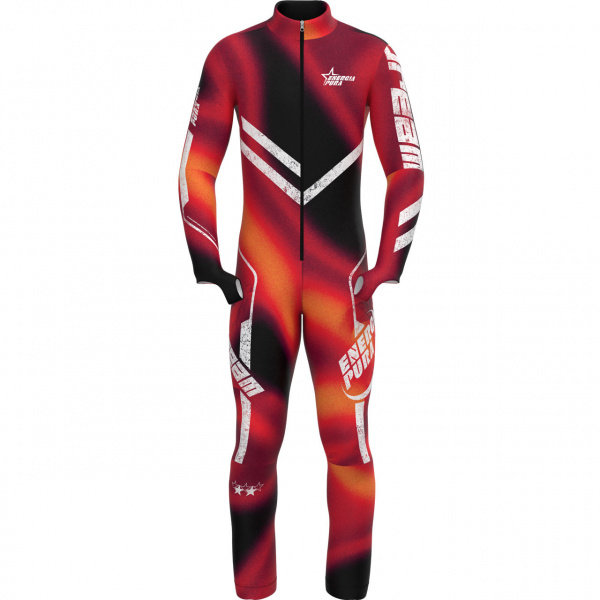
- Racing suits: For races and race-oriented training, where a snug fit and unrestricted mobility are important.
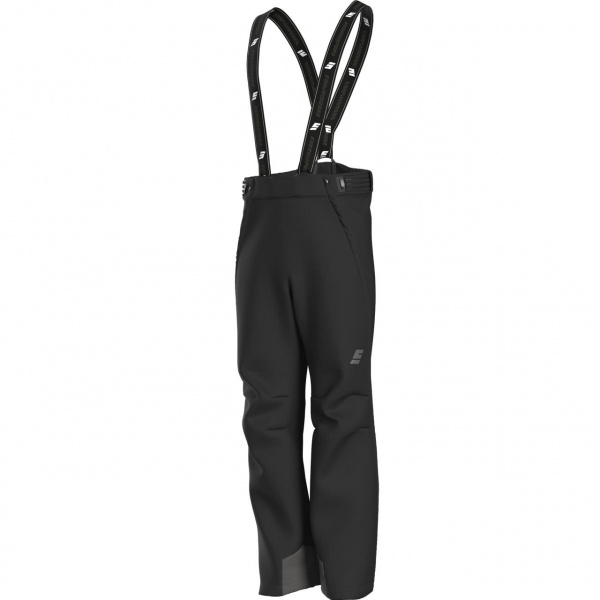
- Full-Zip Racing Pants: To keep leg muscles warm before and between runs. Depending on the design, side zippers allow you to take them off without removing your ski boots.
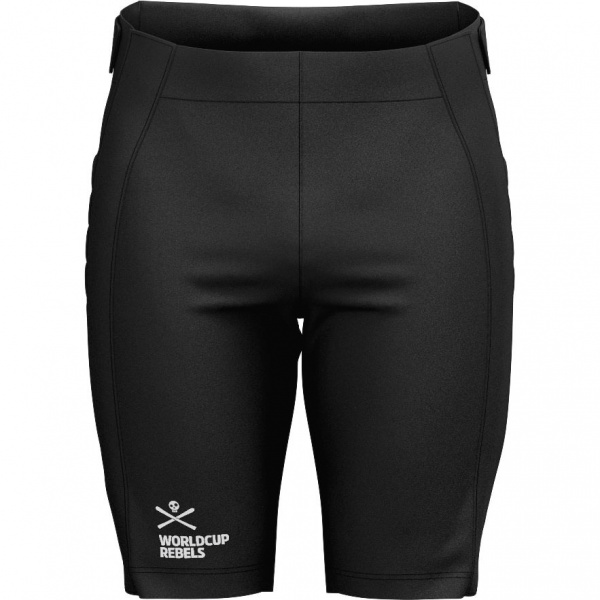
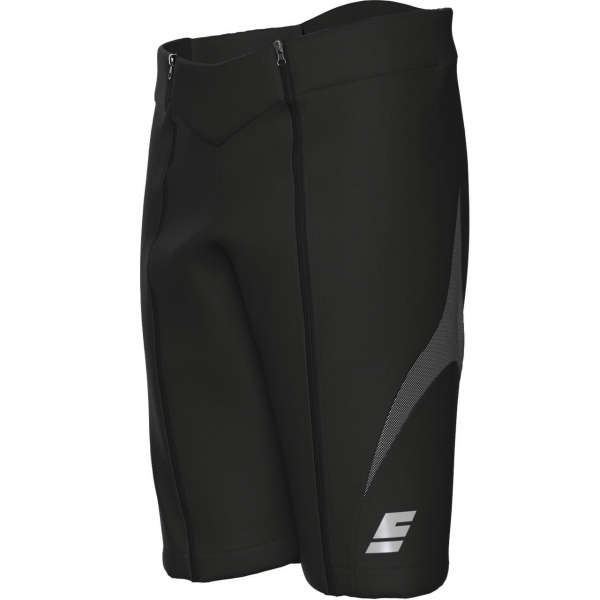
- Race Shorts: As an additional layer of warmth around the hips and thighs when full-length training pants aren’t needed.
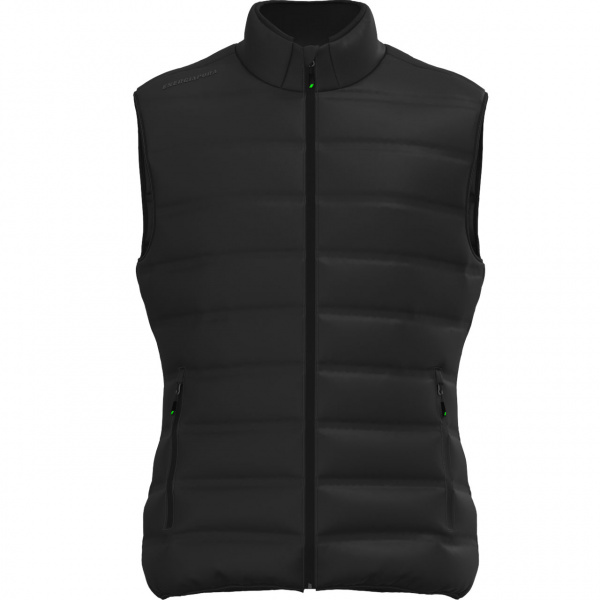
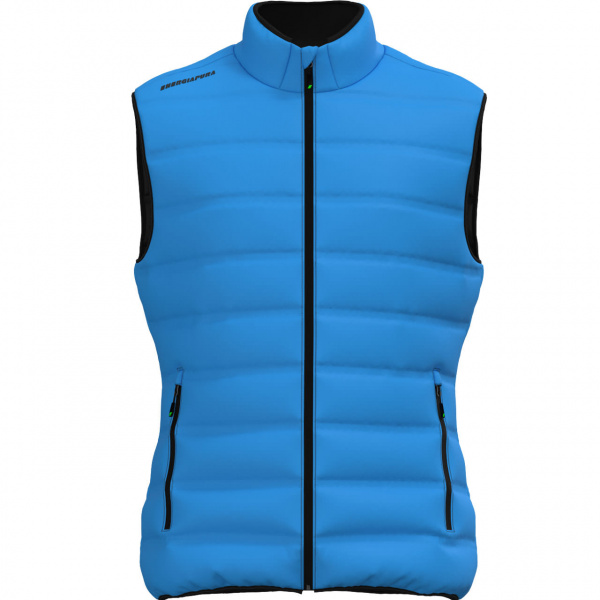
- Race vests: For additional protection and warmth on the upper body while allowing for great freedom of movement in the arms.
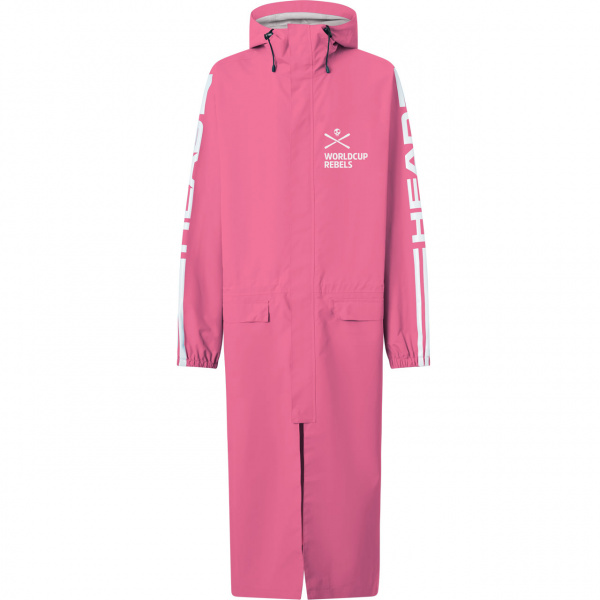
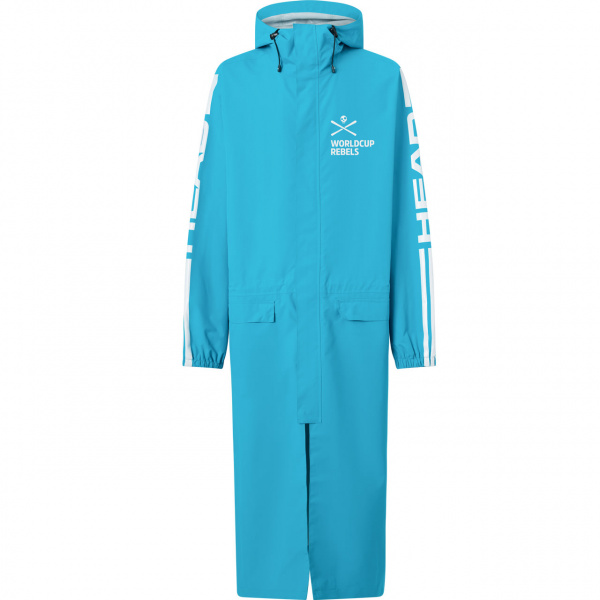
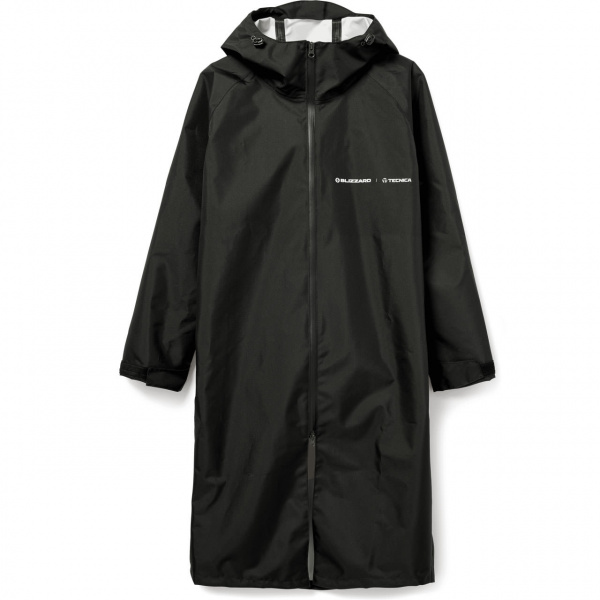
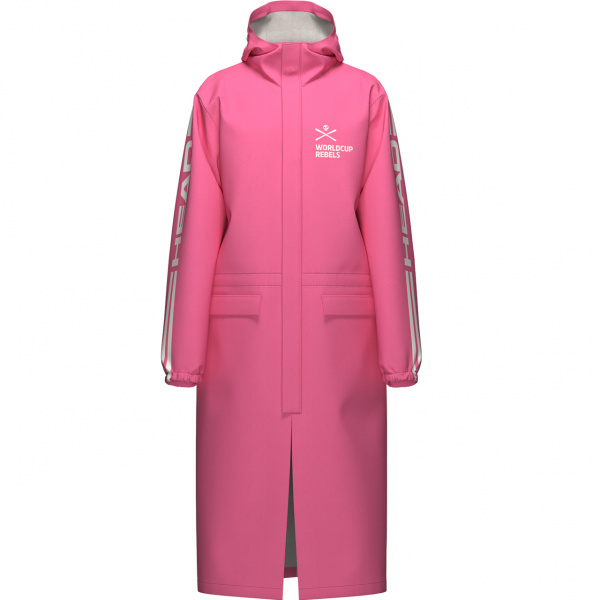
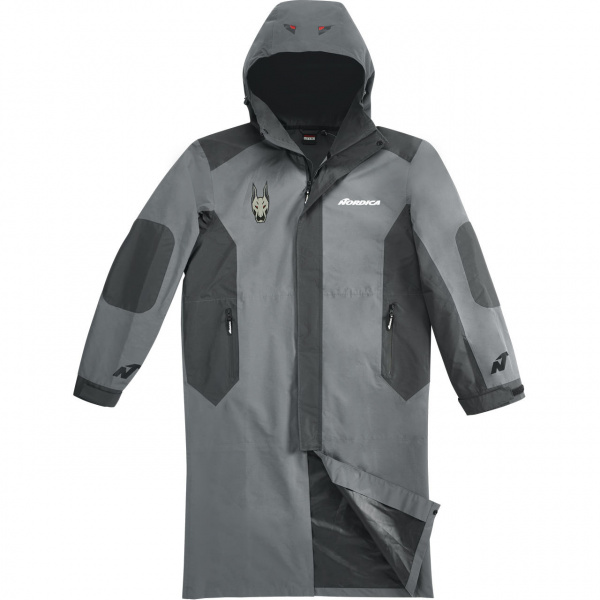
- Raincoats: To protect racing gear from rain, wet snow, and wind during preparation or while waiting.
This clothing is specifically designed for alpine ski racing and should not be confused with cross-country skiing apparel. In cross-country skiing, the nearly continuous physical exertion places different demands on heat dissipation, ventilation, and movement patterns. Alpine racewear, on the other hand, is designed for short, intense descents, longer waiting periods, and quick changes between protective training clothing and race suits.
What are the differences between race suits, race shorts, and teamwear?
Not every garment needs to fulfill the same functions. A racing suit should fit as snugly as possible, while training pants must offer enough room to be worn over the racing suit. The various designs also differ significantly in terms of weather protection and thermal insulation.
| Alpine racing suit | Tight-fitting, stretchy material, aerodynamic cut | Minimal wrinkling, high freedom of movement, designed for fast descents | Usually offers only limited thermal insulation and minimal weather protection during longer wait times |
| Padded racing suit | Stretchy racing suit with integrated padding | Provides additional cushioning during certain impacts, such as contact with goalposts | Padding does not replace required protective gear and is not necessary for every situation |
| Full-Zip Racing Pants | Side zippers, insulated construction, designed to be worn over a racing suit | Quick to put on and take off, protects against getting cold | Not typically intended for immediate use in a race |
| Race Shorts | Short overpants with additional thermal insulation | Keeps the hips and thighs warm, leaving the lower legs largely exposed | Less protection against the cold than long training pants |
| Racing Vest | Sleeveless design, provides additional protection for the upper body | Allows for freedom of movement in the arms; a targeted addition to your layering system | Does not provide complete protection for the arms against wind and cold |
| Race Raincoat | Generous cut for easy layering, weather-resistant or waterproof materials depending on the model | Protects the racing gear underneath during rain and downtime | Not intended for fast downhill racing; warmth depends on the material and base layer |
At XSPO, you’ll find racing apparel from brands such as Energiapura, Head, Fischer, Nordica, Blizzard, and Schöffel, among others. These manufacturers each have their own unique focus when it comes to fit, materials, and features. When making your selection, therefore, the brand name is less important than whether the garment in question suits your intended use and matches the rest of your racing gear.
How does the layering principle work for alpine ski racing apparel?
The layering principle involves wearing several coordinated layers of clothing. Each layer serves a specific function. In alpine racing, this principle is particularly useful because physical exertion and the need for cold protection can change drastically within a short period of time.
The first layer sits directly against the skin and helps wick away moisture. Next comes the racing suit, which fits snugly against the body for the downhill run. In cold temperatures, warm racing pants, racing shorts, or a racing vest are worn as well. A raincoat can be added to the system in case of rain.
It’s crucial that the outer layers can be removed as easily as possible before the start. This is exactly where the advantages of specialized racing apparel become apparent. For example, full-zip racing pants with side zippers that run the entire length can be taken off while keeping your ski boots on. This saves time and makes it easier to transition from the warm-up to the race.
However, more layers don’t automatically mean more comfort. Clothing that’s too thick or poorly layered can restrict mobility and lead to excessive sweating. Damp clothing, in turn, makes you feel colder during longer breaks. It therefore makes sense to use a system that can be adapted to temperature, weather, and the training routine.
How do you find the right ski racing gear?
- Determine the intended use. You’ll need different clothing for actual racing than for warming up or longer waiting periods. A racing suit is designed for mobility and aerodynamics, while training pants, vests, and raincoats provide additional protection.
- Make sure the fit is right. A racing suit should fit snugly without feeling tight when you squat, move your poles, or bend your knees. Too much excess fabric can create wrinkles and increase drag. Training pants and outerwear, on the other hand, must allow enough room for the racing suit worn underneath.
- Take temperature and weather into account. In dry, relatively mild conditions, adding a light layer such as race shorts or a racing vest may be sufficient. In strong winds, low temperatures, or during longer wait times, a more comprehensive protective layer is advisable. In rain or wet snow, a suitable raincoat is a good option.
- Check that the zippers work properly. Especially with full-zip racing pants, it’s important to see how far the side zippers can be opened. Models with sides that open all the way make it easier to take the pants off over your ski boots. Ease of use while wearing gloves and the position of the zippers can also play a role in your daily training routine.
- Distinguish between warmth and weather protection. Insulated workout pants primarily protect against getting cold. A raincoat, on the other hand, is designed to keep out precipitation. Whether a particular model is also windproof, waterproof, or especially breathable depends on its specific material construction. These properties should be checked based on the respective product specifications.
- Be sure to follow the competition requirements. In official races, there may be specifications regarding racing suits and the materials they are made of. In particular, for events governed by FIS regulations, the applicable equipment rules take precedence. Not every item marketed as a racing suit is automatically approved for every level of competition.
It’s especially important to choose carefully when combining a racing suit with additional training gear. XSPO offers a variety of clothing styles and brands from the world of alpine racing. As a family-run business with experience in winter sports, XSPO places a high value on personalized advice so you can put together the gear that best suits your needs.
Frequently Asked Questions About Ski Racing Apparel
Ski Racing Apparel: Racewear and Teamwear for Alpine Ski Racing
In ski racing, every hundredth of a second counts. But your clothing needs to be just right—and not just while you’re on the course. Anyone who’s ever waited at the starting line in sub-zero temperatures or stood by the lift between two training runs knows how important the right gear is off the actual course. That’s why ski racing apparel encompasses much more than just a form-fitting racing suit. It also includes warm training pants, race shorts, racing vests, and weatherproof rain jackets. At XSPO, you’ll find functional racewear and teamwear for the different phases of alpine ski racing.
Unlike traditional Ski Wear, racing apparel is designed with the specific demands of training and competition in mind. While a racing suit should fit as snugly as possible to minimize air resistance, additional layers of clothing must be easy to put on quickly and take off again before the start. Therefore, it is not a single piece of clothing that matters most, but rather how the various pieces work together.
What kind of ski racing apparel is needed for training and competition?
The requirements for ski racing apparel change significantly over the course of a training day. During a fast downhill run, freedom of movement, fit, and aerodynamics are the top priorities. When waiting at the start, riding the lift, or during longer breaks in training, however, protection from the cold, wind, and precipitation becomes more important.
Racewear refers to clothing designed specifically for racing. This includes, in particular, alpine racing suits that fit snugly against the body and have as little excess fabric as possible. Teamwear complements this clothing with functional garments for training, preparation, and breaks. The lines between them are blurred: For example, full-zip racing pants can serve as both training gear and part of immediate competition preparation.
Typical uses for the various types of clothing include:
- Racing suits: For races and race-oriented training, where a snug fit and unrestricted mobility are important.
- Full-Zip Racing Pants: To keep leg muscles warm before and between runs. Depending on the design, side zippers allow you to take them off without removing your ski boots.
- Race Shorts: As an additional layer of warmth around the hips and thighs when full-length training pants aren’t needed.
- Race vests: For additional protection and warmth on the upper body while allowing for great freedom of movement in the arms.
- Raincoats: To protect racing gear from rain, wet snow, and wind during preparation or while waiting.
This clothing is specifically designed for alpine ski racing and should not be confused with cross-country skiing apparel. In cross-country skiing, the nearly continuous physical exertion places different demands on heat dissipation, ventilation, and movement patterns. Alpine racewear, on the other hand, is designed for short, intense descents, longer waiting periods, and quick changes between protective training clothing and race suits.
What are the differences between race suits, race shorts, and teamwear?
Not every garment needs to fulfill the same functions. A racing suit should fit as snugly as possible, while training pants must offer enough room to be worn over the racing suit. The various designs also differ significantly in terms of weather protection and thermal insulation.
| Alpine racing suit | Tight-fitting, stretchy material, aerodynamic cut | Minimal wrinkling, high freedom of movement, designed for fast descents | Usually offers only limited thermal insulation and minimal weather protection during longer wait times |
| Padded racing suit | Stretchy racing suit with integrated padding | Provides additional cushioning during certain impacts, such as contact with goalposts | Padding does not replace required protective gear and is not necessary for every situation |
| Full-Zip Racing Pants | Side zippers, insulated construction, designed to be worn over a racing suit | Quick to put on and take off, protects against getting cold | Not typically intended for immediate use in a race |
| Race Shorts | Short overpants with additional thermal insulation | Keeps the hips and thighs warm, leaving the lower legs largely exposed | Less protection against the cold than long training pants |
| Racing Vest | Sleeveless design, provides additional protection for the upper body | Allows for freedom of movement in the arms; a targeted addition to your layering system | Does not provide complete protection for the arms against wind and cold |
| Race Raincoat | Generous cut for easy layering, weather-resistant or waterproof materials depending on the model | Protects the racing gear underneath during rain and downtime | Not intended for fast downhill racing; warmth depends on the material and base layer |
At XSPO, you’ll find racing apparel from brands such as Energiapura, Head, Fischer, Nordica, Blizzard, and Schöffel, among others. These manufacturers each have their own unique focus when it comes to fit, materials, and features. When making your selection, therefore, the brand name is less important than whether the garment in question suits your intended use and matches the rest of your racing gear.
How does the layering principle work for alpine ski racing apparel?
The layering principle involves wearing several coordinated layers of clothing. Each layer serves a specific function. In alpine racing, this principle is particularly useful because physical exertion and the need for cold protection can change drastically within a short period of time.
The first layer sits directly against the skin and helps wick away moisture. Next comes the racing suit, which fits snugly against the body for the downhill run. In cold temperatures, warm racing pants, racing shorts, or a racing vest are worn as well. A raincoat can be added to the system in case of rain.
It’s crucial that the outer layers can be removed as easily as possible before the start. This is exactly where the advantages of specialized racing apparel become apparent. For example, full-zip racing pants with side zippers that run the entire length can be taken off while keeping your ski boots on. This saves time and makes it easier to transition from the warm-up to the race.
However, more layers don’t automatically mean more comfort. Clothing that’s too thick or poorly layered can restrict mobility and lead to excessive sweating. Damp clothing, in turn, makes you feel colder during longer breaks. It therefore makes sense to use a system that can be adapted to temperature, weather, and the training routine.
How do you find the right ski racing gear?
- Determine the intended use. You’ll need different clothing for actual racing than for warming up or longer waiting periods. A racing suit is designed for mobility and aerodynamics, while training pants, vests, and raincoats provide additional protection.
- Make sure the fit is right. A racing suit should fit snugly without feeling tight when you squat, move your poles, or bend your knees. Too much excess fabric can create wrinkles and increase drag. Training pants and outerwear, on the other hand, must allow enough room for the racing suit worn underneath.
- Take temperature and weather into account. In dry, relatively mild conditions, adding a light layer such as race shorts or a racing vest may be sufficient. In strong winds, low temperatures, or during longer wait times, a more comprehensive protective layer is advisable. In rain or wet snow, a suitable raincoat is a good option.
- Check that the zippers work properly. Especially with full-zip racing pants, it’s important to see how far the side zippers can be opened. Models with sides that open all the way make it easier to take the pants off over your ski boots. Ease of use while wearing gloves and the position of the zippers can also play a role in your daily training routine.
- Distinguish between warmth and weather protection. Insulated workout pants primarily protect against getting cold. A raincoat, on the other hand, is designed to keep out precipitation. Whether a particular model is also windproof, waterproof, or especially breathable depends on its specific material construction. These properties should be checked based on the respective product specifications.
- Be sure to follow the competition requirements. In official races, there may be specifications regarding racing suits and the materials they are made of. In particular, for events governed by FIS regulations, the applicable equipment rules take precedence. Not every item marketed as a racing suit is automatically approved for every level of competition.
It’s especially important to choose carefully when combining a racing suit with additional training gear. XSPO offers a variety of clothing styles and brands from the world of alpine racing. As a family-run business with experience in winter sports, XSPO places a high value on personalized advice so you can put together the gear that best suits your needs.