

'%3e%3cpath%20id='Vector'%20d='M4.83105%200.720662C4.60547%200.17574%204.01074%20-0.114299%203.44238%200.0409743L0.864258%200.744099C0.354492%200.884724%200%201.34761%200%201.87496C0%209.123%205.87695%2015%2013.125%2015C13.6523%2015%2014.1152%2014.6455%2014.2559%2014.1357L14.959%2011.5576C15.1143%2010.9892%2014.8242%2010.3945%2014.2793%2010.1689L11.4668%208.99703C10.9893%208.79781%2010.4355%208.93551%2010.1104%209.33687L8.92676%2010.7812C6.86426%209.80562%205.19434%208.1357%204.21875%206.0732L5.66309%204.89254C6.06445%204.56441%206.20215%204.01363%206.00293%203.53609L4.83105%200.723592V0.720662Z'%20fill='white'/%3e%3c/g%3e%3cdefs%3e%3cclipPath%20id='clip0_4_624'%3e%3crect%20width='15'%20height='15'%20fill='white'/%3e%3c/clipPath%3e%3c/defs%3e%3c/svg%3e)
'%3e%3cpath%20id='Vector'%20d='M17.74%2030.5L16%2029.5L20%2022.5H26C26.5304%2022.5%2027.0391%2022.2893%2027.4142%2021.9142C27.7893%2021.5391%2028%2021.0304%2028%2020.5V8.5C28%207.96957%2027.7893%207.46086%2027.4142%207.08579C27.0391%206.71071%2026.5304%206.5%2026%206.5H6C5.46957%206.5%204.96086%206.71071%204.58579%207.08579C4.21071%207.46086%204%207.96957%204%208.5V20.5C4%2021.0304%204.21071%2021.5391%204.58579%2021.9142C4.96086%2022.2893%205.46957%2022.5%206%2022.5H15V24.5H6C4.93913%2024.5%203.92172%2024.0786%203.17157%2023.3284C2.42143%2022.5783%202%2021.5609%202%2020.5V8.5C2%207.43913%202.42143%206.42172%203.17157%205.67157C3.92172%204.92143%204.93913%204.5%206%204.5H26C27.0609%204.5%2028.0783%204.92143%2028.8284%205.67157C29.5786%206.42172%2030%207.43913%2030%208.5V20.5C30%2021.5609%2029.5786%2022.5783%2028.8284%2023.3284C28.0783%2024.0786%2027.0609%2024.5%2026%2024.5H21.16L17.74%2030.5Z'%20fill='white'/%3e%3cpath%20id='Vector_2'%20d='M24%2010.5H8V12.5H24V10.5Z'%20fill='white'/%3e%3cpath%20id='Vector_3'%20d='M18%2016.5H8V18.5H18V16.5Z'%20fill='white'/%3e%3c/g%3e%3cdefs%3e%3cclipPath%20id='clip0_4_634'%3e%3crect%20width='32'%20height='32'%20fill='white'%20transform='translate(0%200.5)'/%3e%3c/clipPath%3e%3c/defs%3e%3c/svg%3e)











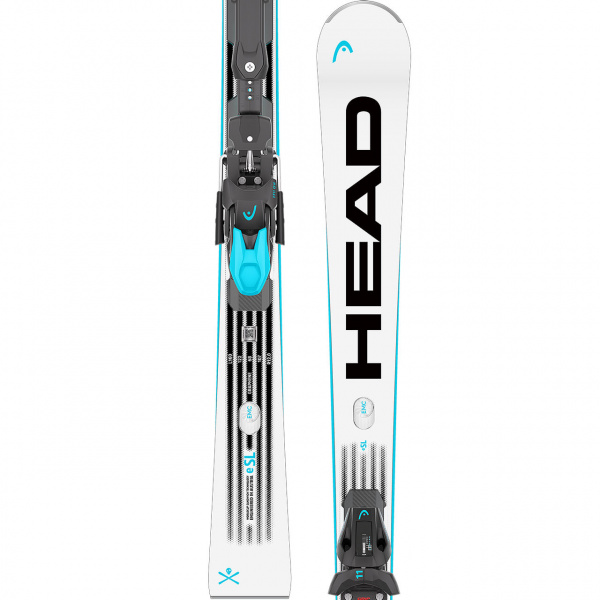

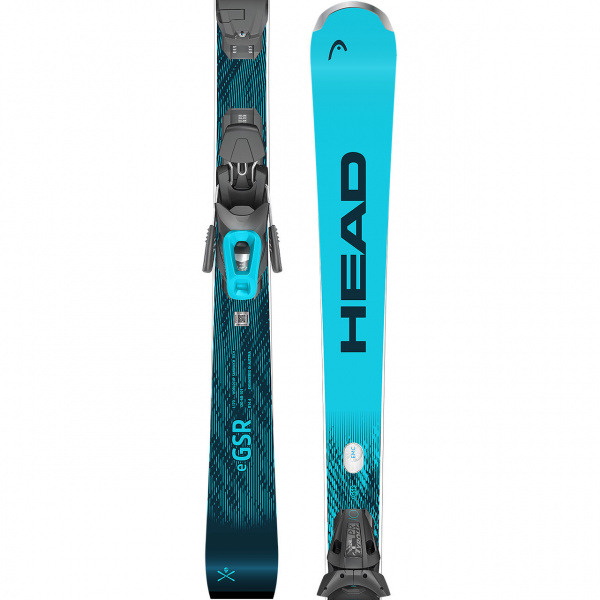

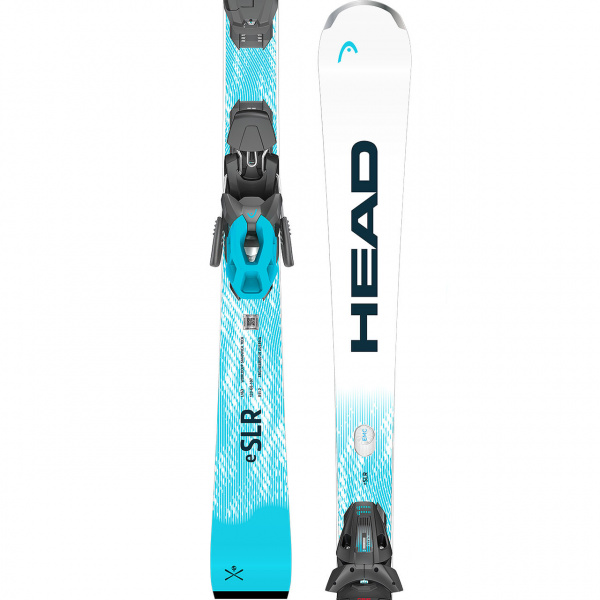
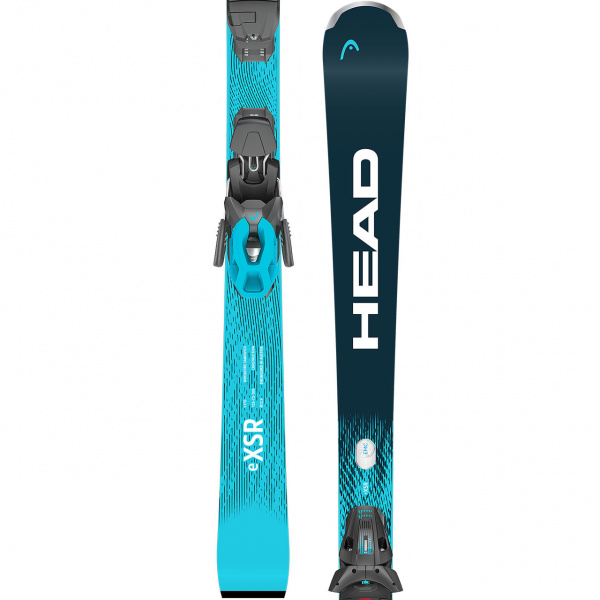
24 of 111 Products shown
Head Worldcup Rebels: Race DNA for your fastest moments on the slopes
Head Worldcup Rebels stand for uncompromising precision, razor-sharp edge grip and pure World Cup feeling on hard slopes. If you are looking for high-performance carvers with real racing technology, you will find the best-known World Cup Rebels models - from slalom powerhouses to long-radius high-speed carvers - neatly categorized at XSPO.
Short history of the Worldcup Rebels
The roots of the Worldcup Rebels lie in Head's racing tradition: Early on, Head relied on the Worldcup sandwich construction of wood core and metal layers. This principle goes back to Howard Head's composite construction idea and still characterizes race skis today.
Another milestone is EMC (Energy Management Circuit): Head's electronic dampening, which hit the slopes in 2020 and actively reduces vibrations, is used specifically on race and performance skis - including the World Cup Rebels. In addition, FIS successes and brand rankings regularly underline the brand's focus on racing.
Models, technologies and differences of the Head Worldcup Rebels
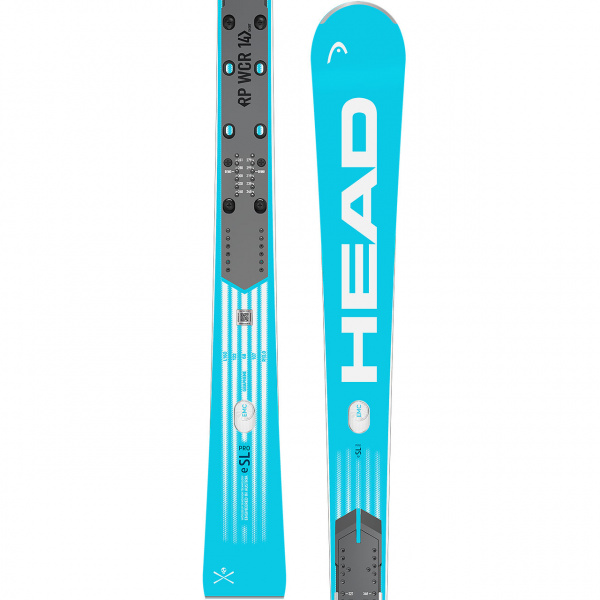
| WCR e-SL Rebel (FIS) | Slalom, short radii | Worldcup Sandwich, Rebel Camber, selected models with Graphene and EMC | SL radii, narrow center range around 65-68 mm |
| WCR e-GS Rebel (FIS) | Giant slalom, long, clean bends | Worldcup Sandwich, EMC, partly Graphene; Race Plate depending on version | FIS: very long radii (e.g. approx. 30 m) with ~65 mm center; Consumer: long radii |
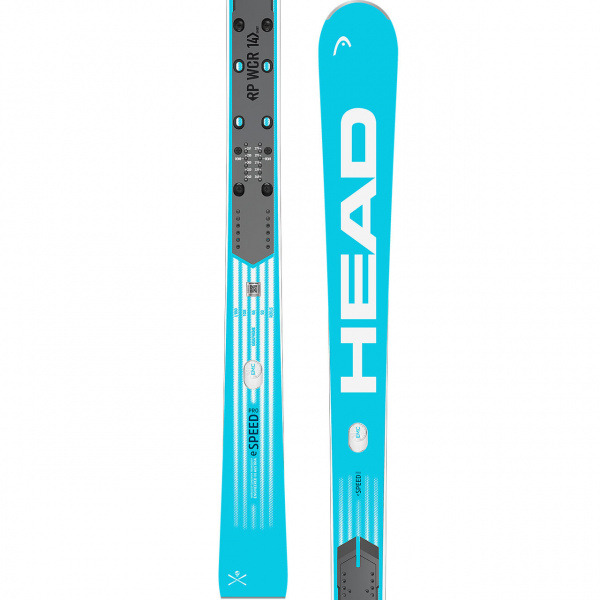
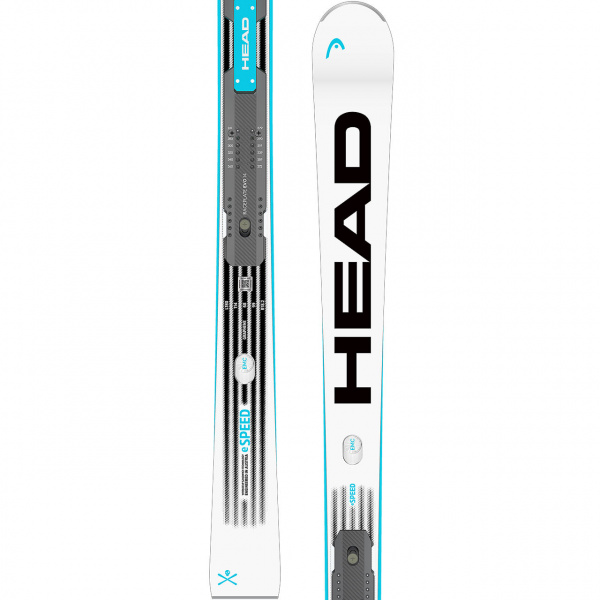
| Worldcup Rebels e-Speed Pro | High-speed carving, GS character | Race-oriented construction with metal layers, Rebel Camber, EMC | z. e.g. 108-65-93 mm, radius depending on length ~18-22 m |
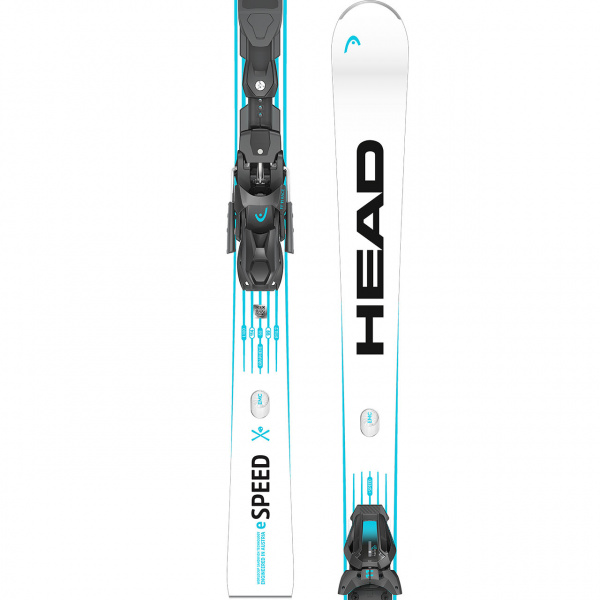
| Worldcup Rebels e-Speed | Sporty piste carving, more suitable for everyday use than "Pro" | Full camber, metal layers, EMC | approx. 68 mm center width, medium to longer radii |
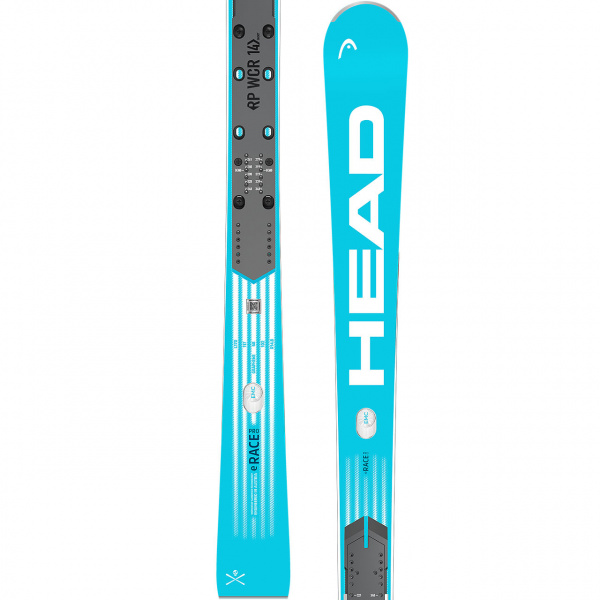
| Worldcup Rebels e-Race Pro | Medium radius with race bite | Full sidewall, double Titanal layers, race plate, EMC | z. e.g. 117-68-102 mm, radius ~15-16 m (depending on size) |
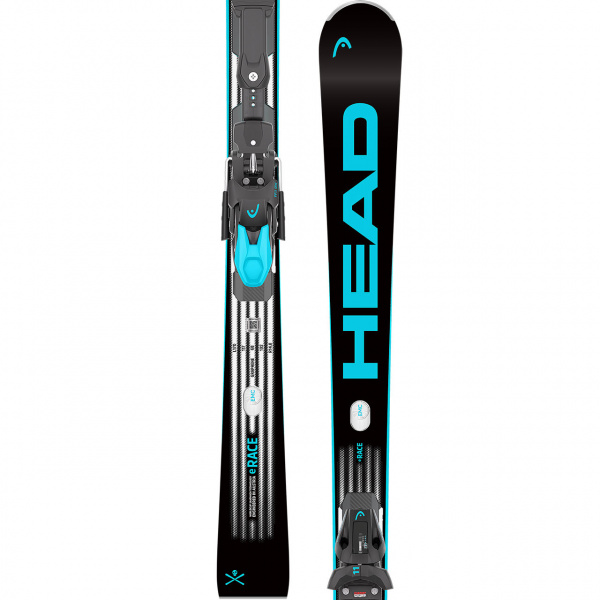
| Worldcup Rebels e-Race | Sporty piste Racecarver | Full side panel, metal layers, EMC | 117-68-102 mm, radius e.g. ~14-15 m |
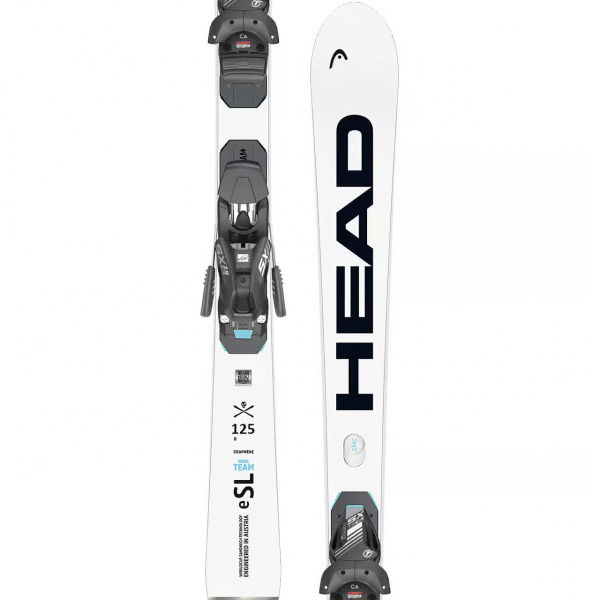
| Worldcup Rebels e-GSR / e-SLR | Entry into the Rebels world | Sandwich body with EMC, slalom or GS alignment | depending on radius and length |
How to find the right Worldcup Rebels for you
- Define swing type: Short, powerful and fast edging? Then WCR e-SL Rebel. Lange, tensile GS bends? WCR e-GS Rebel or e-Speed Pro. If you prefer a medium radius, the e-Race (Pro) is the right choice.
- Realistically assess strength and technique: Pro and FIS models are brutally precise, but require technique and fitness. If you want that race feeling with a little more everyday reserve, go for the e-Speed or e-Race.
- Note the geometry: Narrower mid-widths around 65 mm react razor-sharp and are optimized for hard slopes. 68 mm gives slightly more good-naturedness without losing the race DNA.
- Choose the right length: As a rule of thumb: For sporty skiing, choose skis that are about your height or slightly longer. For pure slalom skiing, go for shorter skis. Head clearly labels FIS models, so pay attention to length, radius and applicable regulations.
At XSPO you will find a wide selection of World Cup Rebels including race plate sets and tuned bindings as well as honest, expert advice to ensure that the geometry, flex and choice of length suit your skiing style. So you can get the most out of Head's race technology on your local mountains.
Frequently asked questions about Head Worldcup Rebels
- Are Head Worldcup Rebels skis FIS-homologated?
Selected models such as WCR e-SL Rebel FIS and WCR e-GS Rebel FIS are explicitly marked as FIS-approved. Consumer versions do not carry this label. - What is EMC doing at the Head Worldcup Rebels?
EMC is an electronic damper that reduces vibrations and thus improves smoothness and edge grip. This applies in particular to race and performance models. - What is the difference between e-Speed Pro and e-Speed?
e-Speed Pro is narrower in the middle (approx. 65 mm) and designed for high speed with a tight plate, e-Speed is somewhat more versatile and accessible at approx. 68 mm. - Is Graphene used in all Worldcup Rebels?
No. Head uses Graphene on selected Rebels, such as the e-SL Pro or certain WCR models. Other Rebels rely on classic World Cup sandwiches with Titanal without any hint of Graphene. - Who is the Worldcup Rebels e-Race (Pro) suitable for?
For sporty skiers who prefer medium radii with high precision and want that race feeling without FIS harshness. e-Race Pro is firmer, e-Race a little more good-natured. - Are there more accessible World Cup Rebels models?
Yes. e-GSR and e-SLR bring the Rebels feeling with a slightly softer tuning for intermediates. - What role does the record play for the Rebels?
Race plates such as WCR Team or WCR 14/16 increase standover height and edge leverage, which promotes precision and pressure build-up - typical of the GS and Pro models.
Head Worldcup Rebels: Race DNA for your fastest moments on the slopes
Head Worldcup Rebels stand for uncompromising precision, razor-sharp edge grip and pure World Cup feeling on hard slopes. If you are looking for high-performance carvers with real racing technology, you will find the best-known World Cup Rebels models - from slalom powerhouses to long-radius high-speed carvers - neatly categorized at XSPO.
Short history of the Worldcup Rebels
The roots of the Worldcup Rebels lie in Head's racing tradition: Early on, Head relied on the Worldcup sandwich construction of wood core and metal layers. This principle goes back to Howard Head's composite construction idea and still characterizes race skis today.
Another milestone is EMC (Energy Management Circuit): Head's electronic dampening, which hit the slopes in 2020 and actively reduces vibrations, is used specifically on race and performance skis - including the World Cup Rebels. In addition, FIS successes and brand rankings regularly underline the brand's focus on racing.
Models, technologies and differences of the Head Worldcup Rebels
| WCR e-SL Rebel (FIS) | Slalom, short radii | Worldcup Sandwich, Rebel Camber, selected models with Graphene and EMC | SL radii, narrow center range around 65-68 mm |
| WCR e-GS Rebel (FIS) | Giant slalom, long, clean bends | Worldcup Sandwich, EMC, partly Graphene; Race Plate depending on version | FIS: very long radii (e.g. approx. 30 m) with ~65 mm center; Consumer: long radii |
| Worldcup Rebels e-Speed Pro | High-speed carving, GS character | Race-oriented construction with metal layers, Rebel Camber, EMC | z. e.g. 108-65-93 mm, radius depending on length ~18-22 m |
| Worldcup Rebels e-Speed | Sporty piste carving, more suitable for everyday use than "Pro" | Full camber, metal layers, EMC | approx. 68 mm center width, medium to longer radii |
| Worldcup Rebels e-Race Pro | Medium radius with race bite | Full sidewall, double Titanal layers, race plate, EMC | z. e.g. 117-68-102 mm, radius ~15-16 m (depending on size) |
| Worldcup Rebels e-Race | Sporty piste Racecarver | Full side panel, metal layers, EMC | 117-68-102 mm, radius e.g. ~14-15 m |
| Worldcup Rebels e-GSR / e-SLR | Entry into the Rebels world | Sandwich body with EMC, slalom or GS alignment | depending on radius and length |
How to find the right Worldcup Rebels for you
- Define swing type: Short, powerful and fast edging? Then WCR e-SL Rebel. Lange, tensile GS bends? WCR e-GS Rebel or e-Speed Pro. If you prefer a medium radius, the e-Race (Pro) is the right choice.
- Realistically assess strength and technique: Pro and FIS models are brutally precise, but require technique and fitness. If you want that race feeling with a little more everyday reserve, go for the e-Speed or e-Race.
- Note the geometry: Narrower mid-widths around 65 mm react razor-sharp and are optimized for hard slopes. 68 mm gives slightly more good-naturedness without losing the race DNA.
- Choose the right length: As a rule of thumb: For sporty skiing, choose skis that are about your height or slightly longer. For pure slalom skiing, go for shorter skis. Head clearly labels FIS models, so pay attention to length, radius and applicable regulations.
At XSPO you will find a wide selection of World Cup Rebels including race plate sets and tuned bindings as well as honest, expert advice to ensure that the geometry, flex and choice of length suit your skiing style. So you can get the most out of Head's race technology on your local mountains.
Frequently asked questions about Head Worldcup Rebels
- Are Head Worldcup Rebels skis FIS-homologated?
Selected models such as WCR e-SL Rebel FIS and WCR e-GS Rebel FIS are explicitly marked as FIS-approved. Consumer versions do not carry this label. - What is EMC doing at the Head Worldcup Rebels?
EMC is an electronic damper that reduces vibrations and thus improves smoothness and edge grip. This applies in particular to race and performance models. - What is the difference between e-Speed Pro and e-Speed?
e-Speed Pro is narrower in the middle (approx. 65 mm) and designed for high speed with a tight plate, e-Speed is somewhat more versatile and accessible at approx. 68 mm. - Is Graphene used in all Worldcup Rebels?
No. Head uses Graphene on selected Rebels, such as the e-SL Pro or certain WCR models. Other Rebels rely on classic World Cup sandwiches with Titanal without any hint of Graphene. - Who is the Worldcup Rebels e-Race (Pro) suitable for?
For sporty skiers who prefer medium radii with high precision and want that race feeling without FIS harshness. e-Race Pro is firmer, e-Race a little more good-natured. - Are there more accessible World Cup Rebels models?
Yes. e-GSR and e-SLR bring the Rebels feeling with a slightly softer tuning for intermediates. - What role does the record play for the Rebels?
Race plates such as WCR Team or WCR 14/16 increase standover height and edge leverage, which promotes precision and pressure build-up - typical of the GS and Pro models.