

'%3e%3cpath%20id='Vector'%20d='M4.83105%200.720662C4.60547%200.17574%204.01074%20-0.114299%203.44238%200.0409743L0.864258%200.744099C0.354492%200.884724%200%201.34761%200%201.87496C0%209.123%205.87695%2015%2013.125%2015C13.6523%2015%2014.1152%2014.6455%2014.2559%2014.1357L14.959%2011.5576C15.1143%2010.9892%2014.8242%2010.3945%2014.2793%2010.1689L11.4668%208.99703C10.9893%208.79781%2010.4355%208.93551%2010.1104%209.33687L8.92676%2010.7812C6.86426%209.80562%205.19434%208.1357%204.21875%206.0732L5.66309%204.89254C6.06445%204.56441%206.20215%204.01363%206.00293%203.53609L4.83105%200.723592V0.720662Z'%20fill='white'/%3e%3c/g%3e%3cdefs%3e%3cclipPath%20id='clip0_4_624'%3e%3crect%20width='15'%20height='15'%20fill='white'/%3e%3c/clipPath%3e%3c/defs%3e%3c/svg%3e)
'%3e%3cpath%20id='Vector'%20d='M17.74%2030.5L16%2029.5L20%2022.5H26C26.5304%2022.5%2027.0391%2022.2893%2027.4142%2021.9142C27.7893%2021.5391%2028%2021.0304%2028%2020.5V8.5C28%207.96957%2027.7893%207.46086%2027.4142%207.08579C27.0391%206.71071%2026.5304%206.5%2026%206.5H6C5.46957%206.5%204.96086%206.71071%204.58579%207.08579C4.21071%207.46086%204%207.96957%204%208.5V20.5C4%2021.0304%204.21071%2021.5391%204.58579%2021.9142C4.96086%2022.2893%205.46957%2022.5%206%2022.5H15V24.5H6C4.93913%2024.5%203.92172%2024.0786%203.17157%2023.3284C2.42143%2022.5783%202%2021.5609%202%2020.5V8.5C2%207.43913%202.42143%206.42172%203.17157%205.67157C3.92172%204.92143%204.93913%204.5%206%204.5H26C27.0609%204.5%2028.0783%204.92143%2028.8284%205.67157C29.5786%206.42172%2030%207.43913%2030%208.5V20.5C30%2021.5609%2029.5786%2022.5783%2028.8284%2023.3284C28.0783%2024.0786%2027.0609%2024.5%2026%2024.5H21.16L17.74%2030.5Z'%20fill='white'/%3e%3cpath%20id='Vector_2'%20d='M24%2010.5H8V12.5H24V10.5Z'%20fill='white'/%3e%3cpath%20id='Vector_3'%20d='M18%2016.5H8V18.5H18V16.5Z'%20fill='white'/%3e%3c/g%3e%3cdefs%3e%3cclipPath%20id='clip0_4_634'%3e%3crect%20width='32'%20height='32'%20fill='white'%20transform='translate(0%200.5)'/%3e%3c/clipPath%3e%3c/defs%3e%3c/svg%3e)


Black Crows Freebird touring ski
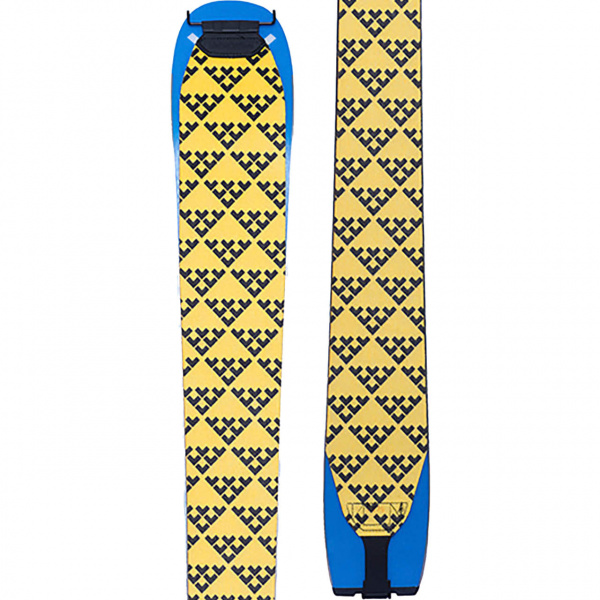
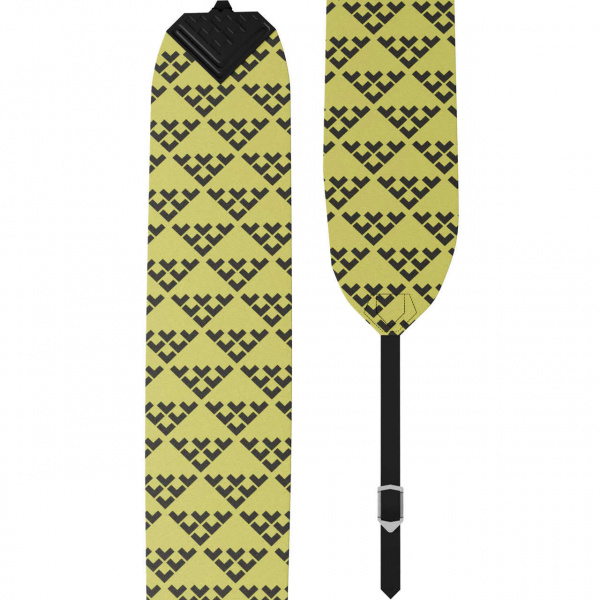
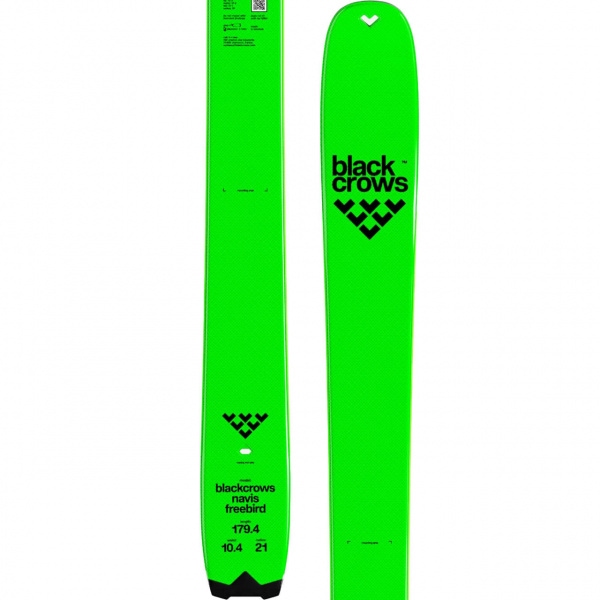
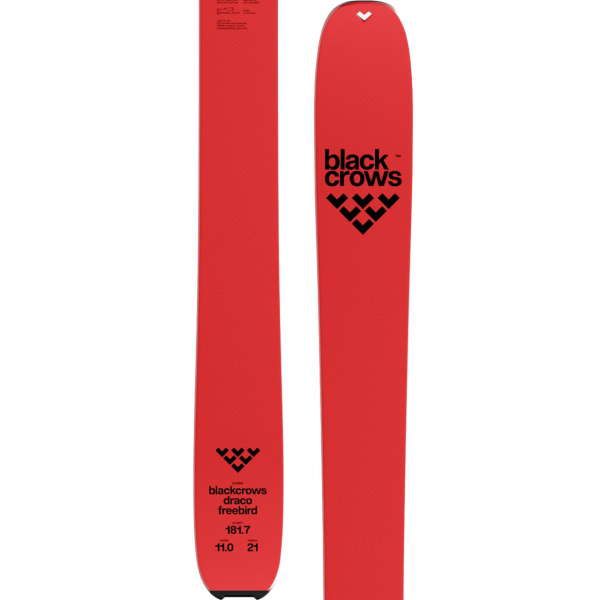
Black Crows Freebird Touring Skis – lightweight skis for ascents and descents
Black Crows Freebird touring skis are designed for ski tourers who want to combine a lightweight ascent with controllable downhill performance. The Chamonix-based brand’s line of touring skis includes, depending on the model, narrow, ascent-oriented skis as well as wider versions for versatile touring and soft snow.
Which Black Crows touring ski is right for you depends primarily on the length of the tour, the terrain, snow conditions, your skiing style, and your desired comfort on the descent. Narrow Freebird models save weight and are easy to maneuver on long ascents. Wider touring skis offer more float and better downhill performance, but they also add weight and have a larger surface area when edging.
Which Black Crows Freebird touring skis are best suited for which use?
At Black Crows, the Freebird line represents the touring ski category. These models feature a lighter construction than the brand’s resort, all-terrain, and Big Mountain skis. Within the series, they differ primarily in waist width, weight, rocker, radius, and skiing characteristics.
| narrow Freebird touring ski | Long climbs, spring hikes, and more technical routes | Easy, efficient, and fast when changing edges |
| Medium-width touring skis | Classic day trips and changing conditions | A well-balanced combination of weight, edge grip, and lift |
| wide Freebird touring ski | Powder-focused tours and runs with steep descents | More buoyancy and stability, but heavier |
| particularly lightweight touring skis | Steep climbs and long elevation gains | Minimal weight, less damping, and more downhill reserves |
The distinctions are fluid. A narrow ski can work well for skilled skiers even in challenging terrain, while a wide touring ski isn’t automatically the best choice for every powder tour. Tour length, snow conditions, kick-turn technique, and desired descent performance must all be considered together.
➡ With Black Crows Freebird, the rule is: The narrower and lighter the ski, the more efficient the ascent—the wider and sturdier, the greater the downhill performance, in most cases.
What does ‘Freebird’ mean at Black Crows?
Freebird is the name of the brand's touring ski line. The design is optimized for lighter weight and efficient movement during ascents. To achieve this, Black Crows uses a lighter paulownia wood core along with a combination of carbon and fiberglass.
Paulownia has a lower density than many other types of wood used in ski construction and helps reduce the ski's overall weight. Carbon provides high structural stiffness while keeping the weight relatively low. Fiberglass complements the construction and can help make the ski's handling more controllable and less brittle.
However, a lightweight touring ski doesn’t automatically ski like a heavy resort or Big Mountain ski. Less mass often means less shock absorption on hard, rutted snow. That’s why the ski’s tuning determines whether a Freebird is designed for maximum climbing efficiency or stronger downhill performance.
➡ Freebird doesn't just mean "lightweight Black Crows skis"; it refers to a design specifically for ski touring.
Select the center width and intended use
Waist width is one of the most important factors to consider when buying touring skis. It affects float, weight, edge transitions, and performance during traverses.
Narrow touring skis can be edged more directly on hard snow and are generally easier to control during kick turns. They are particularly well-suited for long tours, spring snow, steeper ascents, and situations where every gram counts. With a waist width of 80 millimeters, the Mentis Freebird is a prime example of this ascent-oriented design.
Medium-width touring skis offer greater versatility. They provide more float than very narrow models, yet remain efficient enough for regular day trips. Wider Freebird models are geared more toward ski tourers who prioritize descents in soft snow and are willing to accept the added weight during the ascent.
| narrow | Lightweight, quick edge changes, efficient for traverses | less buoyancy and less stability in soft, loose snow |
| medium | A versatile compromise for a variety of conditions | neither as light as possible nor with the greatest possible buoyancy |
| wide | more lift and stability on the descent | greater weight, more power during kick turns and edge changes |
➡ The best center width isn't determined by the day with the deepest powder, but by the conditions that actually prevail on most tours.
Rocker, Camber, and Handling
Rocker lifts the tip or tail of the ski off the snow earlier. This makes it easier to initiate a turn, improves float, and helps in soft or uneven snow. However, a more pronounced rocker shortens the effective edge contact and may provide less control on hard surfaces.
Camber beneath the binding enhances edge grip and pressure build-up. For touring skis, a balanced combination is important: During ascents, the ski should provide reliable grip when traversing, while remaining agile and controllable on the descent.
A pronounced tip rocker can make the ski feel shorter to ride, even if the overall length remains the same. Therefore, when determining ski length, you should consider not only your height but also the rocker geometry.
Well-Known Freebird Model Families
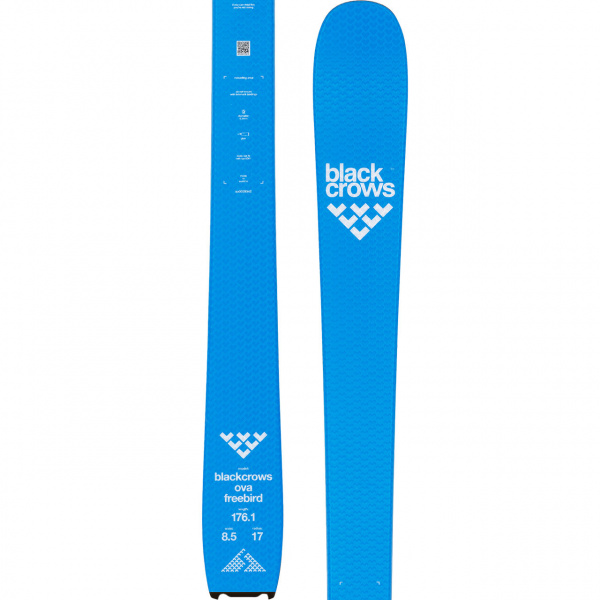
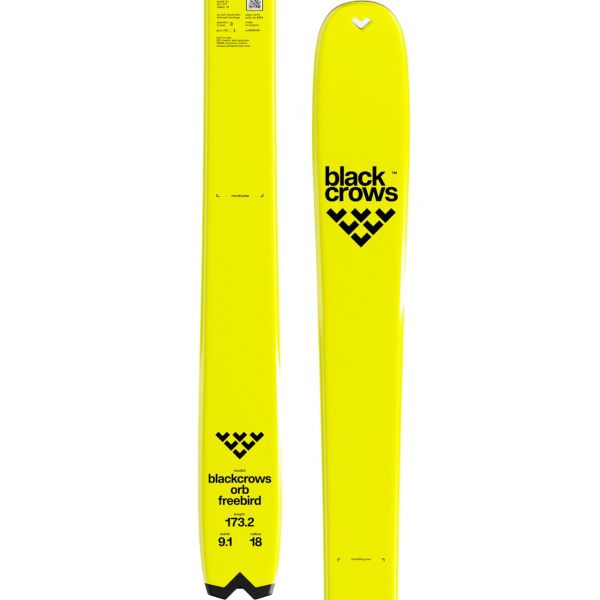
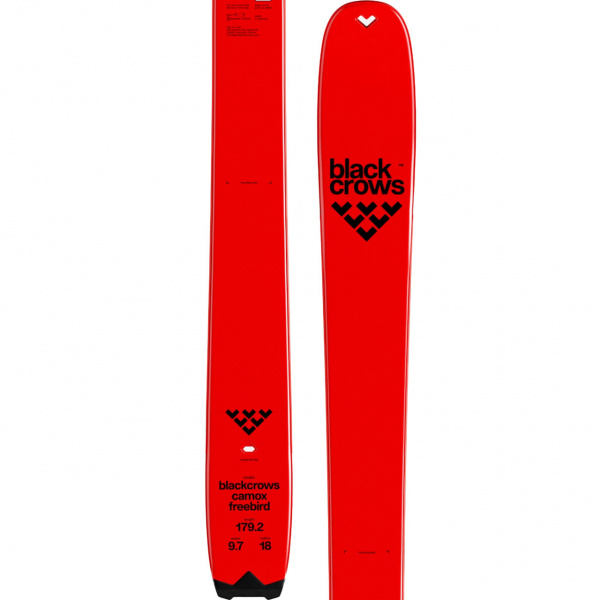
Depending on the season and model generation, the Freebird line features different widths and primary uses. Well-known models include the Mentis Freebird, Ova Freebird, Orb Freebird, Camox Freebird, and Navis Freebird. Current availability and technical specifications should always be checked for the specific product.
- Mentis Freebird: narrow, very lightweight, and designed for climbing
- Ova Freebird: narrow to moderately wide touring skis for classic touring
- Orb Freebird: a versatile balance of ascent and descent
- Camox Freebird: More All-Around and Freeride Characteristics
- Navis Freebird: a touring ski with a broader, more downhill-oriented focus
Model names often remain the same across several generations, but the design, dimensions, and available lengths may change. Therefore, the technical specifications for the specific model year being offered are crucial when making a purchase decision.
How to Choose Black Crows Freebird Touring Skis in Five Steps
1. Determine typical routes
If you’re planning mainly long ascents, steep hairpin turns, and spring tours, you’ll usually benefit from a narrower, lighter ski. A medium width is suitable for changing conditions and classic day tours. For powder-oriented tours, a wider Freebird can offer more comfort on the descent.
2. Weigh the ascent and descent
A ski that’s as light as possible saves energy when covering a lot of elevation. A slightly heavier ski, on the other hand, offers a smoother, more cushioned, and more stable ride. The key factor is which aspect of the tour is your priority.
3. Determine the ski length
A shorter touring ski is easier to handle during kick turns and in tight terrain. A longer ski offers more float and a smoother ride, but requires a more active technique. Rocker, bodyweight, and preferred terrain must all be taken into account when choosing the length.
4. Choose the right binding
In general, touring bindings that are tailored to the intended use, the skier’s weight, and the difficulty of the descent are suitable for the Freebird series. A lightweight pin binding is ideal for long ascents, while sturdier touring bindings offer more stability on the descent but add extra weight.
To install the tire, you'll need information such as sole length, rider weight, and driving skills. Black Crows marks the recommended mounting point on the sidewall and recommends sticking to this position.
5. Plan for the Right Skins
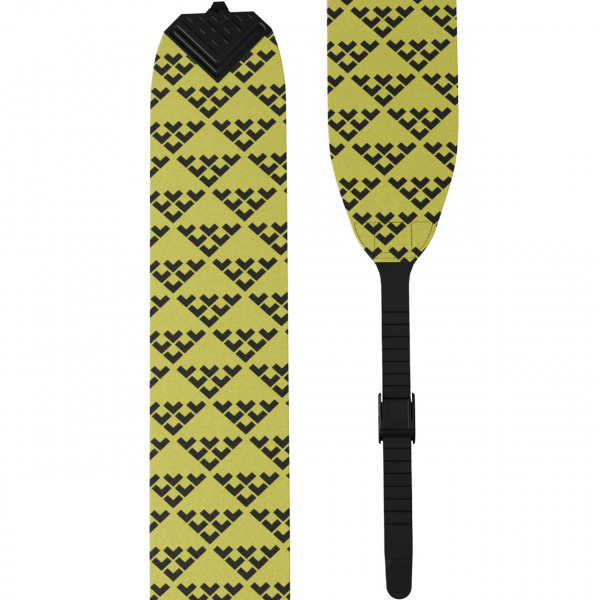
Black Crows offers Pilus skins that are custom-cut for various Freebird models, as well as "trim-to-fit" versions. The model-specific skins use a blend of mohair and polyamide to combine glide and grip.
➡ Touring skis, bindings, and skins form a system—the lightest individual component doesn't automatically result in the best overall setup.
Advantages and potential limitations
| ✓ Independent touring ski design | Paulownia wood core with carbon and glass fibers |
| ✓ Different widths | A selection for fast, classic, and powder-oriented tours |
| ✓ Matching Pilus skins available | Model-specific and customizable options |
| ✓ Sintered linings | Grows well and is suitable for athletic use |
| ✓ Clear reference to the departure point | The brand's freeskiing expertise is incorporated into the line |
| ⚠ Lightweight construction; less cushioning | may be more unstable on hard and patchy snow |
| ⚠ Wider models are harder to climb | More mass and surface area during hairpin turns |
| ⚠ Bindings must be compatible with the skis | Systems that are too heavy or unsuitable alter the character |
| ⚠ Not intended for telemark bindings | According to the manufacturer, there is a risk of damage to the lightweight structure |
Are Freebird touring skis suitable for racing?
For classic ski mountaineering races and speed touring, an exceptionally low total weight is key. The narrow and lightweight Freebird models can be a good option here, but they aren’t necessarily specialized ski mountaineering race skis. Pure competition models are usually even more focused on minimal weight and quick transitions.
For downhill-oriented touring competitions or longer alpine races, a more balanced Freebird design may be advisable. The course profile, snow conditions, bindings, skins, and individual skiing technique are all key factors.
➡ For races, the following applies: The lightest setup saves energy on climbs, while a sturdier setup can save time and improve safety on descents.
Bindings, Mounting, and Telemark
Black Crows recommends using the marked mounting point on the sidewall. The ski is tuned for this position in terms of flex, rocker, and balance. A significant shift can alter the ski’s turning characteristics, float, and load distribution.
According to the manufacturer, Freebird touring skis are not compatible with Telemark bindings. The lightweight construction is not designed to withstand the high forces that a Telemark binding can generate at the front of the ski. Mounting such bindings can, among other things, cause delamination and is excluded from the warranty program.
FAQ
What does ‘Freebird’ mean at Black Crows?
Freebird represents the brand's touring ski line. The skis feature lighter Paulownia wood cores as well as carbon and fiberglass layers.
Which Black Crows Freebird model is best suited for long climbs?
For long vertical climbs and fast ascents, narrow, lightweight models like the Mentis Freebird are a natural choice. The specific choice also depends on the rider's weight, the terrain, and the difficulty of the descent.
Which Freebird is best for powder?
Wider Freebird models provide more lift in soft snow. They’re more comfortable on the descent, but they’re heavier on the ascent.
What should be the length of a pair of Black Crows touring skis?
The length depends on your height, weight, skiing technique, rocker, and intended use. Shorter skis are more maneuverable during kick turns, while longer skis offer more float and a smoother ride.
Do Freebird touring skis come with bindings?
That depends on the specific product. Many touring skis are sold as "flat" skis without bindings. The bindings and installation must then be selected separately.
Are there any skins that work with Black Crows Freebird touring skis?
Yes. Pilus skins that are pre-cut to fit various models are available. In addition, there are "Trim-to-Fit" skins that you can cut to size yourself.
Can Freebird skis be used with Telemark bindings?
No. Black Crows does not allow the use of telemark bindings on its touring skis because of the strain they place on the lightweight construction.
Sources and further links
- https://www.black-crows.com/de/collections/moutain-touring-skis
- https://support.black-crows.com/en-US/what-is-the-construction-of-my-skis-1977488
- https://support.black-crows.com/de-DE/articles/felle-293843
- https://support.black-crows.com/en-US/articles/skis-293837
- https://support.black-crows.com/de-DE/sind-blackcrows-tourenski-mit-telemark-bindungen-kompatibel-2510311
Infobox
The Freebird series uses a lightweight paulownia wood core along with carbon and fiberglass. This reduces the takeoff weight, but it also means that the binding, assembly, and use must be carefully tailored to the design.
Black Crows Freebird Touring Skis – lightweight skis for ascents and descents
Black Crows Freebird touring skis are designed for ski tourers who want to combine a lightweight ascent with controllable downhill performance. The Chamonix-based brand’s line of touring skis includes, depending on the model, narrow, ascent-oriented skis as well as wider versions for versatile touring and soft snow.
Which Black Crows touring ski is right for you depends primarily on the length of the tour, the terrain, snow conditions, your skiing style, and your desired comfort on the descent. Narrow Freebird models save weight and are easy to maneuver on long ascents. Wider touring skis offer more float and better downhill performance, but they also add weight and have a larger surface area when edging.
Which Black Crows Freebird touring skis are best suited for which use?
At Black Crows, the Freebird line represents the touring ski category. These models feature a lighter construction than the brand’s resort, all-terrain, and Big Mountain skis. Within the series, they differ primarily in waist width, weight, rocker, radius, and skiing characteristics.
| narrow Freebird touring ski | Long climbs, spring hikes, and more technical routes | Easy, efficient, and fast when changing edges |
| Medium-width touring skis | Classic day trips and changing conditions | A well-balanced combination of weight, edge grip, and lift |
| wide Freebird touring ski | Powder-focused tours and runs with steep descents | More buoyancy and stability, but heavier |
| particularly lightweight touring skis | Steep climbs and long elevation gains | Minimal weight, less damping, and more downhill reserves |
The distinctions are fluid. A narrow ski can work well for skilled skiers even in challenging terrain, while a wide touring ski isn’t automatically the best choice for every powder tour. Tour length, snow conditions, kick-turn technique, and desired descent performance must all be considered together.
➡ With Black Crows Freebird, the rule is: The narrower and lighter the ski, the more efficient the ascent—the wider and sturdier, the greater the downhill performance, in most cases.
What does ‘Freebird’ mean at Black Crows?
Freebird is the name of the brand's touring ski line. The design is optimized for lighter weight and efficient movement during ascents. To achieve this, Black Crows uses a lighter paulownia wood core along with a combination of carbon and fiberglass.
Paulownia has a lower density than many other types of wood used in ski construction and helps reduce the ski's overall weight. Carbon provides high structural stiffness while keeping the weight relatively low. Fiberglass complements the construction and can help make the ski's handling more controllable and less brittle.
However, a lightweight touring ski doesn’t automatically ski like a heavy resort or Big Mountain ski. Less mass often means less shock absorption on hard, rutted snow. That’s why the ski’s tuning determines whether a Freebird is designed for maximum climbing efficiency or stronger downhill performance.
➡ Freebird doesn't just mean "lightweight Black Crows skis"; it refers to a design specifically for ski touring.
Select the center width and intended use
Waist width is one of the most important factors to consider when buying touring skis. It affects float, weight, edge transitions, and performance during traverses.
Narrow touring skis can be edged more directly on hard snow and are generally easier to control during kick turns. They are particularly well-suited for long tours, spring snow, steeper ascents, and situations where every gram counts. With a waist width of 80 millimeters, the Mentis Freebird is a prime example of this ascent-oriented design.
Medium-width touring skis offer greater versatility. They provide more float than very narrow models, yet remain efficient enough for regular day trips. Wider Freebird models are geared more toward ski tourers who prioritize descents in soft snow and are willing to accept the added weight during the ascent.
| narrow | Lightweight, quick edge changes, efficient for traverses | less buoyancy and less stability in soft, loose snow |
| medium | A versatile compromise for a variety of conditions | neither as light as possible nor with the greatest possible buoyancy |
| wide | more lift and stability on the descent | greater weight, more power during kick turns and edge changes |
➡ The best center width isn't determined by the day with the deepest powder, but by the conditions that actually prevail on most tours.
Rocker, Camber, and Handling
Rocker lifts the tip or tail of the ski off the snow earlier. This makes it easier to initiate a turn, improves float, and helps in soft or uneven snow. However, a more pronounced rocker shortens the effective edge contact and may provide less control on hard surfaces.
Camber beneath the binding enhances edge grip and pressure build-up. For touring skis, a balanced combination is important: During ascents, the ski should provide reliable grip when traversing, while remaining agile and controllable on the descent.
A pronounced tip rocker can make the ski feel shorter to ride, even if the overall length remains the same. Therefore, when determining ski length, you should consider not only your height but also the rocker geometry.
Well-Known Freebird Model Families
Depending on the season and model generation, the Freebird line features different widths and primary uses. Well-known models include the Mentis Freebird, Ova Freebird, Orb Freebird, Camox Freebird, and Navis Freebird. Current availability and technical specifications should always be checked for the specific product.
- Mentis Freebird: narrow, very lightweight, and designed for climbing
- Ova Freebird: narrow to moderately wide touring skis for classic touring
- Orb Freebird: a versatile balance of ascent and descent
- Camox Freebird: More All-Around and Freeride Characteristics
- Navis Freebird: a touring ski with a broader, more downhill-oriented focus
Model names often remain the same across several generations, but the design, dimensions, and available lengths may change. Therefore, the technical specifications for the specific model year being offered are crucial when making a purchase decision.
How to Choose Black Crows Freebird Touring Skis in Five Steps
1. Determine typical routes
If you’re planning mainly long ascents, steep hairpin turns, and spring tours, you’ll usually benefit from a narrower, lighter ski. A medium width is suitable for changing conditions and classic day tours. For powder-oriented tours, a wider Freebird can offer more comfort on the descent.
2. Weigh the ascent and descent
A ski that’s as light as possible saves energy when covering a lot of elevation. A slightly heavier ski, on the other hand, offers a smoother, more cushioned, and more stable ride. The key factor is which aspect of the tour is your priority.
3. Determine the ski length
A shorter touring ski is easier to handle during kick turns and in tight terrain. A longer ski offers more float and a smoother ride, but requires a more active technique. Rocker, bodyweight, and preferred terrain must all be taken into account when choosing the length.
4. Choose the right binding
In general, touring bindings that are tailored to the intended use, the skier’s weight, and the difficulty of the descent are suitable for the Freebird series. A lightweight pin binding is ideal for long ascents, while sturdier touring bindings offer more stability on the descent but add extra weight.
To install the tire, you'll need information such as sole length, rider weight, and driving skills. Black Crows marks the recommended mounting point on the sidewall and recommends sticking to this position.
5. Plan for the Right Skins
Black Crows offers Pilus skins that are custom-cut for various Freebird models, as well as "trim-to-fit" versions. The model-specific skins use a blend of mohair and polyamide to combine glide and grip.
➡ Touring skis, bindings, and skins form a system—the lightest individual component doesn't automatically result in the best overall setup.
Advantages and potential limitations
| ✓ Independent touring ski design | Paulownia wood core with carbon and glass fibers |
| ✓ Different widths | A selection for fast, classic, and powder-oriented tours |
| ✓ Matching Pilus skins available | Model-specific and customizable options |
| ✓ Sintered linings | Grows well and is suitable for athletic use |
| ✓ Clear reference to the departure point | The brand's freeskiing expertise is incorporated into the line |
| ⚠ Lightweight construction; less cushioning | may be more unstable on hard and patchy snow |
| ⚠ Wider models are harder to climb | More mass and surface area during hairpin turns |
| ⚠ Bindings must be compatible with the skis | Systems that are too heavy or unsuitable alter the character |
| ⚠ Not intended for telemark bindings | According to the manufacturer, there is a risk of damage to the lightweight structure |
Are Freebird touring skis suitable for racing?
For classic ski mountaineering races and speed touring, an exceptionally low total weight is key. The narrow and lightweight Freebird models can be a good option here, but they aren’t necessarily specialized ski mountaineering race skis. Pure competition models are usually even more focused on minimal weight and quick transitions.
For downhill-oriented touring competitions or longer alpine races, a more balanced Freebird design may be advisable. The course profile, snow conditions, bindings, skins, and individual skiing technique are all key factors.
➡ For races, the following applies: The lightest setup saves energy on climbs, while a sturdier setup can save time and improve safety on descents.
Bindings, Mounting, and Telemark
Black Crows recommends using the marked mounting point on the sidewall. The ski is tuned for this position in terms of flex, rocker, and balance. A significant shift can alter the ski’s turning characteristics, float, and load distribution.
According to the manufacturer, Freebird touring skis are not compatible with Telemark bindings. The lightweight construction is not designed to withstand the high forces that a Telemark binding can generate at the front of the ski. Mounting such bindings can, among other things, cause delamination and is excluded from the warranty program.
FAQ
What does ‘Freebird’ mean at Black Crows?
Freebird represents the brand's touring ski line. The skis feature lighter Paulownia wood cores as well as carbon and fiberglass layers.
Which Black Crows Freebird model is best suited for long climbs?
For long vertical climbs and fast ascents, narrow, lightweight models like the Mentis Freebird are a natural choice. The specific choice also depends on the rider's weight, the terrain, and the difficulty of the descent.
Which Freebird is best for powder?
Wider Freebird models provide more lift in soft snow. They’re more comfortable on the descent, but they’re heavier on the ascent.
What should be the length of a pair of Black Crows touring skis?
The length depends on your height, weight, skiing technique, rocker, and intended use. Shorter skis are more maneuverable during kick turns, while longer skis offer more float and a smoother ride.
Do Freebird touring skis come with bindings?
That depends on the specific product. Many touring skis are sold as "flat" skis without bindings. The bindings and installation must then be selected separately.
Are there any skins that work with Black Crows Freebird touring skis?
Yes. Pilus skins that are pre-cut to fit various models are available. In addition, there are "Trim-to-Fit" skins that you can cut to size yourself.
Can Freebird skis be used with Telemark bindings?
No. Black Crows does not allow the use of telemark bindings on its touring skis because of the strain they place on the lightweight construction.
Sources and further links
- https://www.black-crows.com/de/collections/moutain-touring-skis
- https://support.black-crows.com/en-US/what-is-the-construction-of-my-skis-1977488
- https://support.black-crows.com/de-DE/articles/felle-293843
- https://support.black-crows.com/en-US/articles/skis-293837
- https://support.black-crows.com/de-DE/sind-blackcrows-tourenski-mit-telemark-bindungen-kompatibel-2510311
Infobox
The Freebird series uses a lightweight paulownia wood core along with carbon and fiberglass. This reduces the takeoff weight, but it also means that the binding, assembly, and use must be carefully tailored to the design.