

'%3e%3cpath%20id='Vector'%20d='M4.83105%200.720662C4.60547%200.17574%204.01074%20-0.114299%203.44238%200.0409743L0.864258%200.744099C0.354492%200.884724%200%201.34761%200%201.87496C0%209.123%205.87695%2015%2013.125%2015C13.6523%2015%2014.1152%2014.6455%2014.2559%2014.1357L14.959%2011.5576C15.1143%2010.9892%2014.8242%2010.3945%2014.2793%2010.1689L11.4668%208.99703C10.9893%208.79781%2010.4355%208.93551%2010.1104%209.33687L8.92676%2010.7812C6.86426%209.80562%205.19434%208.1357%204.21875%206.0732L5.66309%204.89254C6.06445%204.56441%206.20215%204.01363%206.00293%203.53609L4.83105%200.723592V0.720662Z'%20fill='white'/%3e%3c/g%3e%3cdefs%3e%3cclipPath%20id='clip0_4_624'%3e%3crect%20width='15'%20height='15'%20fill='white'/%3e%3c/clipPath%3e%3c/defs%3e%3c/svg%3e)
'%3e%3cpath%20id='Vector'%20d='M17.74%2030.5L16%2029.5L20%2022.5H26C26.5304%2022.5%2027.0391%2022.2893%2027.4142%2021.9142C27.7893%2021.5391%2028%2021.0304%2028%2020.5V8.5C28%207.96957%2027.7893%207.46086%2027.4142%207.08579C27.0391%206.71071%2026.5304%206.5%2026%206.5H6C5.46957%206.5%204.96086%206.71071%204.58579%207.08579C4.21071%207.46086%204%207.96957%204%208.5V20.5C4%2021.0304%204.21071%2021.5391%204.58579%2021.9142C4.96086%2022.2893%205.46957%2022.5%206%2022.5H15V24.5H6C4.93913%2024.5%203.92172%2024.0786%203.17157%2023.3284C2.42143%2022.5783%202%2021.5609%202%2020.5V8.5C2%207.43913%202.42143%206.42172%203.17157%205.67157C3.92172%204.92143%204.93913%204.5%206%204.5H26C27.0609%204.5%2028.0783%204.92143%2028.8284%205.67157C29.5786%206.42172%2030%207.43913%2030%208.5V20.5C30%2021.5609%2029.5786%2022.5783%2028.8284%2023.3284C28.0783%2024.0786%2027.0609%2024.5%2026%2024.5H21.16L17.74%2030.5Z'%20fill='white'/%3e%3cpath%20id='Vector_2'%20d='M24%2010.5H8V12.5H24V10.5Z'%20fill='white'/%3e%3cpath%20id='Vector_3'%20d='M18%2016.5H8V18.5H18V16.5Z'%20fill='white'/%3e%3c/g%3e%3cdefs%3e%3cclipPath%20id='clip0_4_634'%3e%3crect%20width='32'%20height='32'%20fill='white'%20transform='translate(0%200.5)'/%3e%3c/clipPath%3e%3c/defs%3e%3c/svg%3e)


Atomic Freeski / Freeride Ski
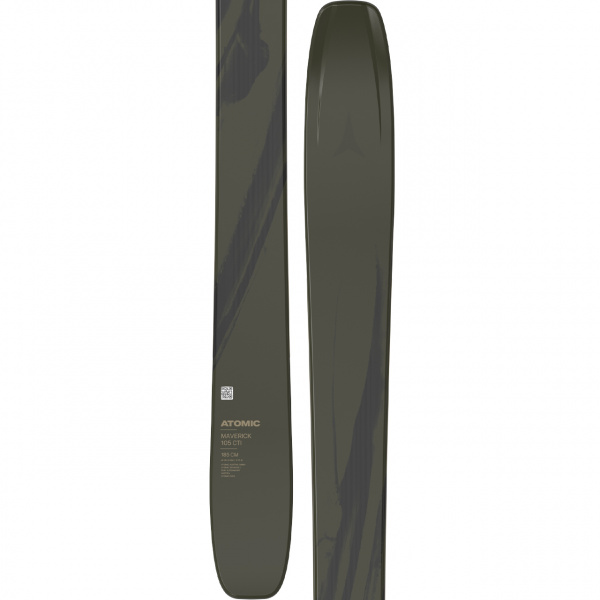
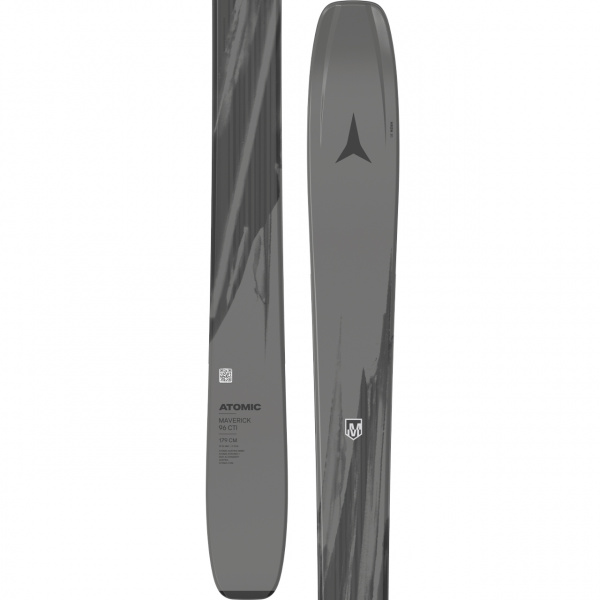
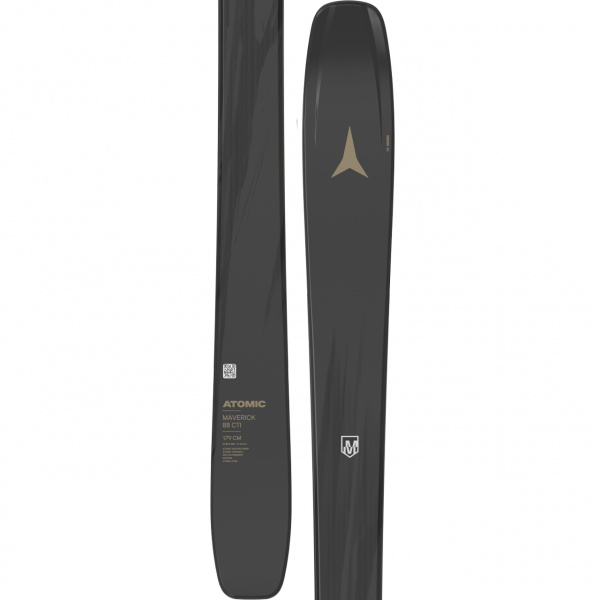

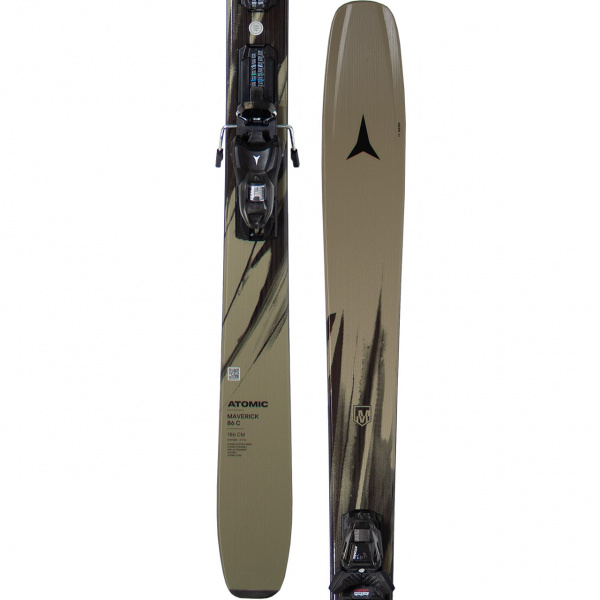
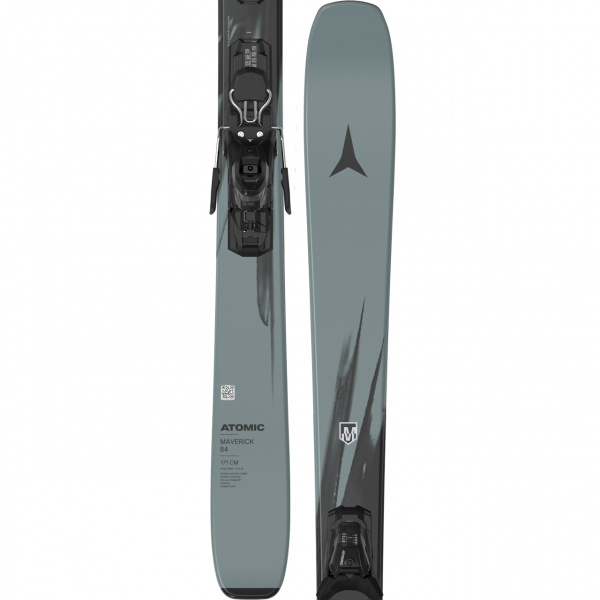
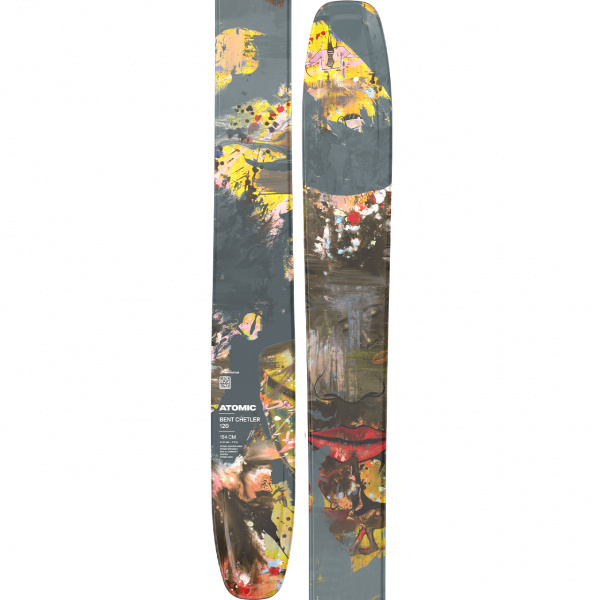

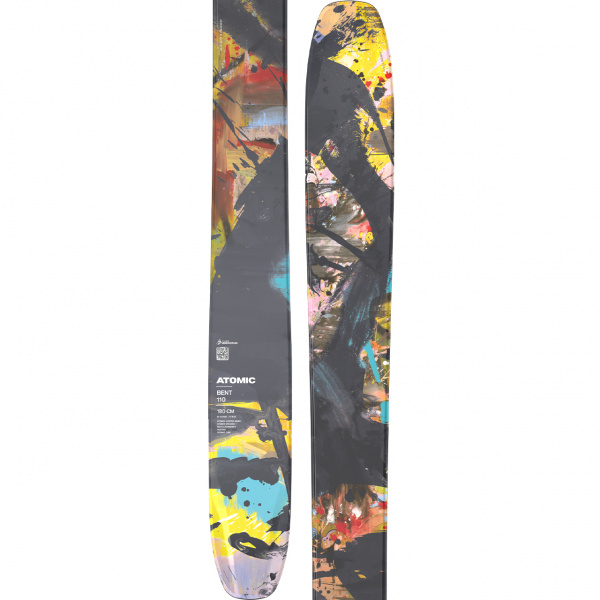

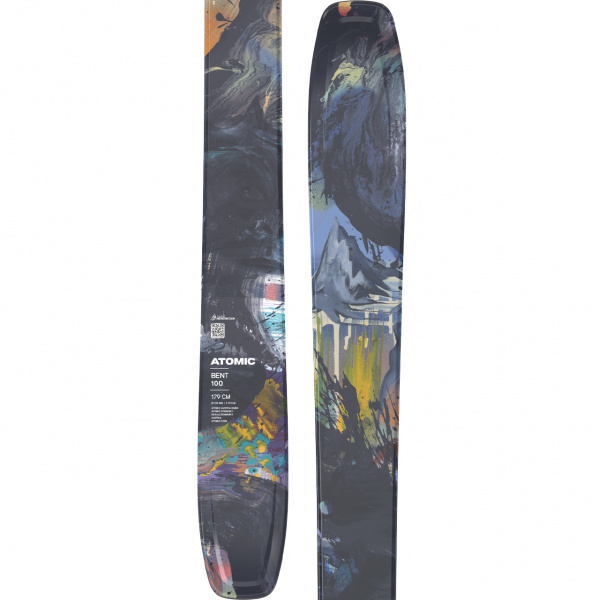

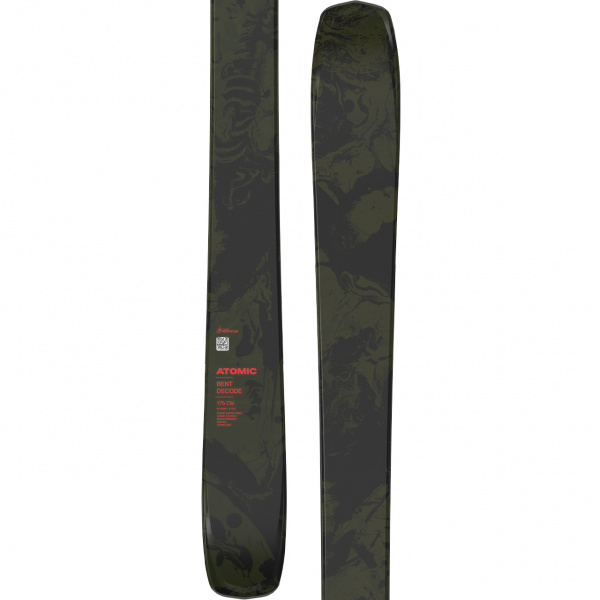
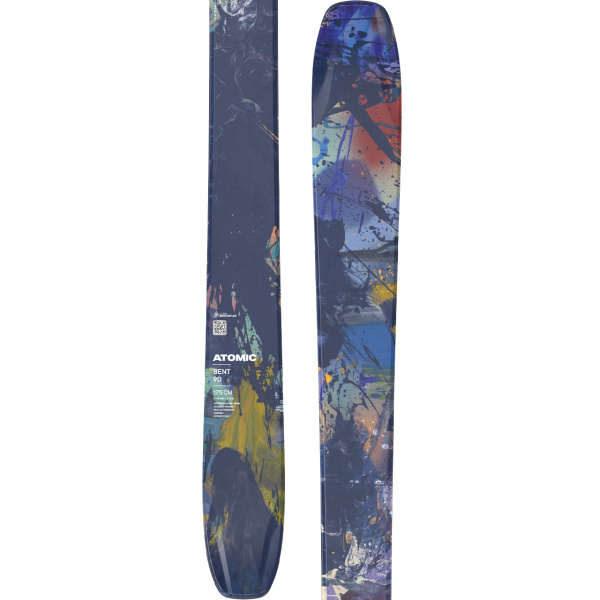

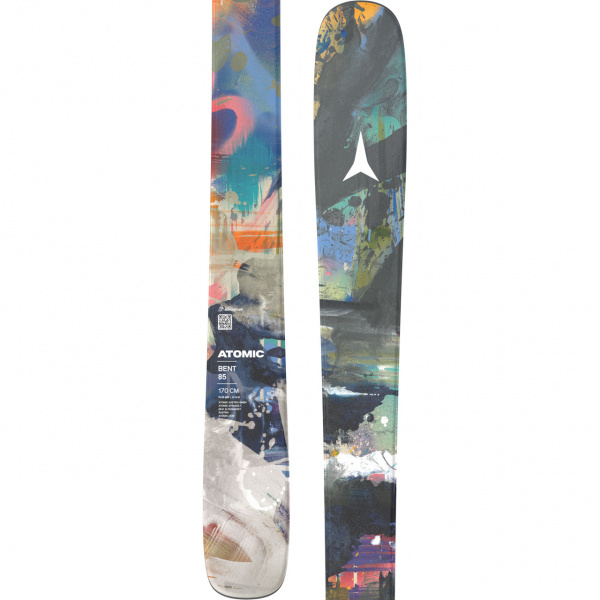

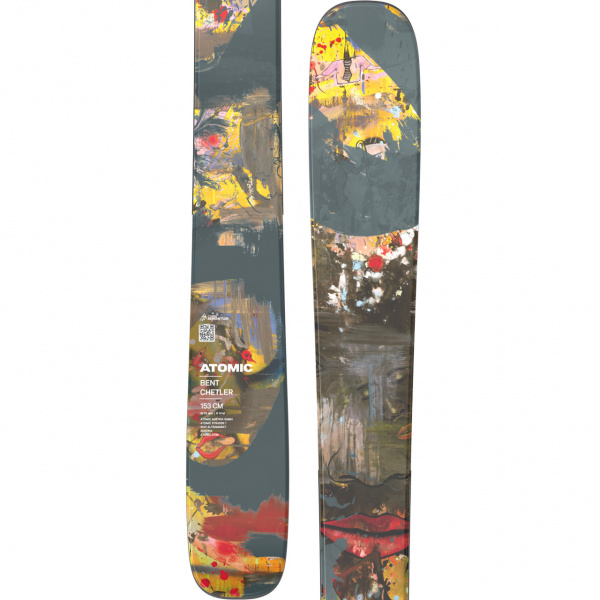

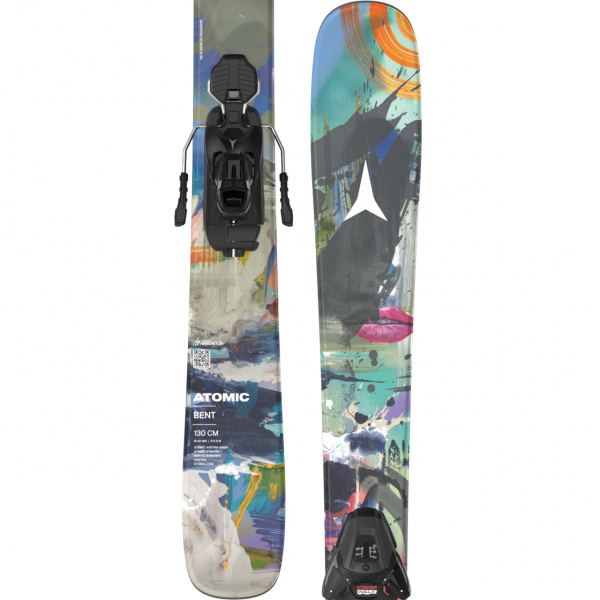
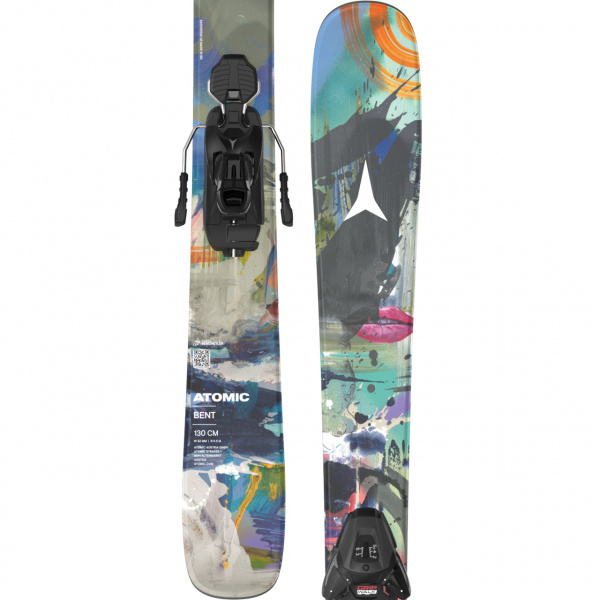
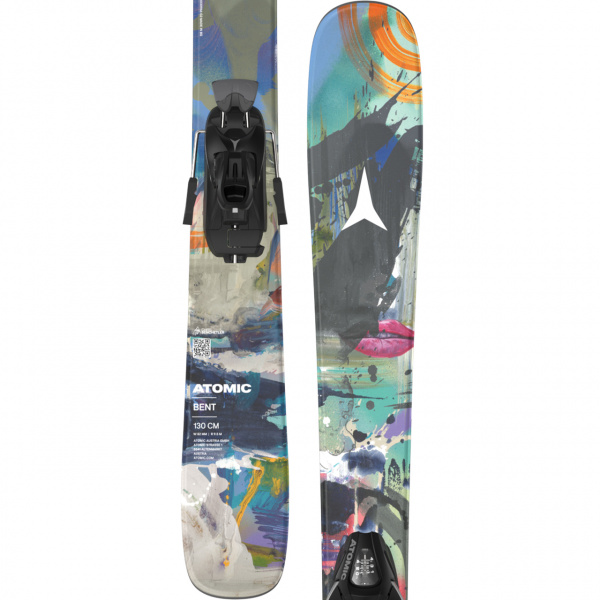
Atomic Freeski and Atomic Freeride skis for your next powder adventure
Freeride is the pure form of freedom on skis. Atomic Freeski and Atomic Freeride skis give you the float, stability and confidence you need off-piste - without restricting you on groomed terrain. At XSPO, you'll find a targeted selection that lets you enjoy the great outdoors and ski with confidence at the same time.
Purpose, areas of application and requirements
Freeride means variable snow types, changing inclinations and terrain without piste markings. Atomic Freeride skis are designed for this: wider, with lots of float in deep snow and calm when it gets rough. Atomic freeskis cover the playful range - from all-mountain oriented to freestyle - and, depending on the model, work on the piste as well as in the sidecountry.
Properties, designs and differences
The following points will help you choose the right direction and better classify strengths and compromises.
| Intended use | Off-piste, deep snow, variable slopes | Piste to sidecountry, park and playful terrain |
| Center width | usually 100 to 120 mm for buoyancy | 85 to 105 mm depending on focus for versatility |
| Shape and rocker | clear tip rocker, often tail rocker for float and directional stability | moderate rocker, often with camber for pop and edge hold |
| Flex and cushioning | Rather stable and damped for calm at speed | Tends to be playful with good rebound |
| Lange | Rather longer driven for stability | body-length to slightly longer, depending on use |
| Advantages | maximum flotation, smooth running, safety in packed snow | high maneuverability, versatile, piste-ready character |
| Possible disadvantages | Slower on hard slopes | Less float in deep snow than real Freeriders |
| Binding recommendation | Robust alpine or hybrid binding for downhill focus | All-mountain, park or light hybrid binding, depending on use |
How to find the right Atomic Freeski and Freeride skis
- Clarify use: Pure powder, mixed days or park and piste as well
- Choose width: Buoyancy needs width - the deeper the snow, the wider the ski
- Determine length: Freeride rather longer for stability, freeski body-length to slightly longer for agility
- Flex and riding style: sporty, speedy and stable or playful and easy to turn
- Check the shape: More rocker for float and forgiving riding, more camber for grip
- Note the weight: Lighter is more agile, heavier dampens better at speed and in packed snow
- Choose the right binding: Downhill-oriented solid, for short hikes a lighter hybrid can be useful
- Safety factor: brush up on avalanche knowledge and have basic equipment such as an avalanche transceiver, Probe and shovel to hand - no side/backcountry without knowledge & equipment
- Fine-tuning: mounting point, ski boot hardness and service have a noticeable effect on the skiing experience
XSPO stands for passionate winter sports, in-depth expert knowledge and a diverse range for every level. So you can easily find Atomic Freeski and Atomic Freeride skis that suit you and your terrain.
Frequently asked questions about Atomic Freeride and Freeski
- Which center width is suitable for Atomic Freeride skis for frequent powder use?
For a lot of powder snow, center widths of around 105 to 115 mm are a balanced choice, in very deep snow often more. - Can I also ride Atomic Freeski on the piste?
Yes, many Atomic freeskis with moderate width and camber offer good edge hold and work reliably on groomed slopes. - What length is recommended for Atomic Freeride skis?
Usually up to plus 5 cm in height for stability and smoothness in open terrain; for very wide powder skis also a little longer. - What is the difference between Atomic Freeski and Atomic Freeride skis?
Atomic Freeride skis are optimized for flotation and stability in deep snow, Atomic Freeski are more versatile or freestyle oriented depending on the model. - Which binding fits Atomic Freeride skis?
For downhill-oriented skiing, a stable alpine or hybrid binding; if you are planning short ascents, choose a lighter hybrid solution. - Do I need skins for Atomic Freeride skis?
Not for pure lift and sidecountry riding. Touring skins are practical for hikes or short ascents. - Are Atomic freeskis suitable for beginners?
Some all-mountain oriented Atomic freeskis are easy to control. For unsecured terrain, however, experience and knowledge of alpine dangers are required. - How much rocker makes sense for Atomic Freeride skis?
A pronounced tip rocker supports lift and facilitates turn initiation, while an additional tail rocker makes the ski easier to turn. - How do I properly care for Atomic Freeski and Atomic Freeride skis?
Regular waxing, edge sharpening to suit the use and drying after skiing maintain performance. - What safety equipment is required for skiing with Atomic Freeride skis?
The usual equipment is an avalanche transceiver, Probe, shovel and, depending on the terrain, an airbag rucksack as well as knowledge to assess the avalanche situation. If you stay on the piste, you can do without this equipment.
Atomic Freeski and Atomic Freeride skis for your next powder adventure
Freeride is the pure form of freedom on skis. Atomic Freeski and Atomic Freeride skis give you the float, stability and confidence you need off-piste - without restricting you on groomed terrain. At XSPO, you'll find a targeted selection that lets you enjoy the great outdoors and ski with confidence at the same time.
Purpose, areas of application and requirements
Freeride means variable snow types, changing inclinations and terrain without piste markings. Atomic Freeride skis are designed for this: wider, with lots of float in deep snow and calm when it gets rough. Atomic freeskis cover the playful range - from all-mountain oriented to freestyle - and, depending on the model, work on the piste as well as in the sidecountry.
Properties, designs and differences
The following points will help you choose the right direction and better classify strengths and compromises.
| Intended use | Off-piste, deep snow, variable slopes | Piste to sidecountry, park and playful terrain |
| Center width | usually 100 to 120 mm for buoyancy | 85 to 105 mm depending on focus for versatility |
| Shape and rocker | clear tip rocker, often tail rocker for float and directional stability | moderate rocker, often with camber for pop and edge hold |
| Flex and cushioning | Rather stable and damped for calm at speed | Tends to be playful with good rebound |
| Lange | Rather longer driven for stability | body-length to slightly longer, depending on use |
| Advantages | maximum flotation, smooth running, safety in packed snow | high maneuverability, versatile, piste-ready character |
| Possible disadvantages | Slower on hard slopes | Less float in deep snow than real Freeriders |
| Binding recommendation | Robust alpine or hybrid binding for downhill focus | All-mountain, park or light hybrid binding, depending on use |
How to find the right Atomic Freeski and Freeride skis
- Clarify use: Pure powder, mixed days or park and piste as well
- Choose width: Buoyancy needs width - the deeper the snow, the wider the ski
- Determine length: Freeride rather longer for stability, freeski body-length to slightly longer for agility
- Flex and riding style: sporty, speedy and stable or playful and easy to turn
- Check the shape: More rocker for float and forgiving riding, more camber for grip
- Note the weight: Lighter is more agile, heavier dampens better at speed and in packed snow
- Choose the right binding: Downhill-oriented solid, for short hikes a lighter hybrid can be useful
- Safety factor: brush up on avalanche knowledge and have basic equipment such as an avalanche transceiver, Probe and shovel to hand - no side/backcountry without knowledge & equipment
- Fine-tuning: mounting point, ski boot hardness and service have a noticeable effect on the skiing experience
XSPO stands for passionate winter sports, in-depth expert knowledge and a diverse range for every level. So you can easily find Atomic Freeski and Atomic Freeride skis that suit you and your terrain.
Frequently asked questions about Atomic Freeride and Freeski
- Which center width is suitable for Atomic Freeride skis for frequent powder use?
For a lot of powder snow, center widths of around 105 to 115 mm are a balanced choice, in very deep snow often more. - Can I also ride Atomic Freeski on the piste?
Yes, many Atomic freeskis with moderate width and camber offer good edge hold and work reliably on groomed slopes. - What length is recommended for Atomic Freeride skis?
Usually up to plus 5 cm in height for stability and smoothness in open terrain; for very wide powder skis also a little longer. - What is the difference between Atomic Freeski and Atomic Freeride skis?
Atomic Freeride skis are optimized for flotation and stability in deep snow, Atomic Freeski are more versatile or freestyle oriented depending on the model. - Which binding fits Atomic Freeride skis?
For downhill-oriented skiing, a stable alpine or hybrid binding; if you are planning short ascents, choose a lighter hybrid solution. - Do I need skins for Atomic Freeride skis?
Not for pure lift and sidecountry riding. Touring skins are practical for hikes or short ascents. - Are Atomic freeskis suitable for beginners?
Some all-mountain oriented Atomic freeskis are easy to control. For unsecured terrain, however, experience and knowledge of alpine dangers are required. - How much rocker makes sense for Atomic Freeride skis?
A pronounced tip rocker supports lift and facilitates turn initiation, while an additional tail rocker makes the ski easier to turn. - How do I properly care for Atomic Freeski and Atomic Freeride skis?
Regular waxing, edge sharpening to suit the use and drying after skiing maintain performance. - What safety equipment is required for skiing with Atomic Freeride skis?
The usual equipment is an avalanche transceiver, Probe, shovel and, depending on the terrain, an airbag rucksack as well as knowledge to assess the avalanche situation. If you stay on the piste, you can do without this equipment.